by Charlotte Kilpatrick | Aug 28, 2024 | Global Health |
Research in Nature Medicine in August 2024 presents the importance of a safe and effective Lassa vaccine deployed across 15 countries of continental West Africa. The authors find that vaccination against Lassa fever could save nearly 3,300 lives over 10 years and avert up to $128 million in societal costs. Alongside estimating the health-economic burden of Lassa fever in West Africa, the study models the emergence of ‘Lassa-X’, a hypothetical pandemic Lassa virus variant, and projects the effects of achieving 100 Days Mission vaccination goals.
Lassa fever
Lassa fever, a viral haemorrhagic disease that is endemic to West Africa, is caused by Lassa mammarenavirus (LASV). Although infections are common but “widely undetected”, it is believed that most human LASV infections are caused by zoonotic transmission from the Natal multimammate mouse (Mastomys natalensis). It can also spread through human-to-human contact, largely in healthcare settings with “inadequate infection prevention and control practices”.
Most LASV infections are asymptomatic or cause mild febrile illness, but Lassa fever has a “large negative impact” on population health and economies. Among patients who present to hospital, the case-fatality ratio is around 15%. Long-term sequalae, including bilateral sensorineural hearing loss, are common in survivors. Costs per hospitalisation are “high” and often (at least partly) paid out of pocket by patients. There are no licensed vaccines against Lassa fever, but several candidates are in development. Lassa fever is considered a threat by WHO because it has epidemic potential and an absence of effective countermeasures.
The study
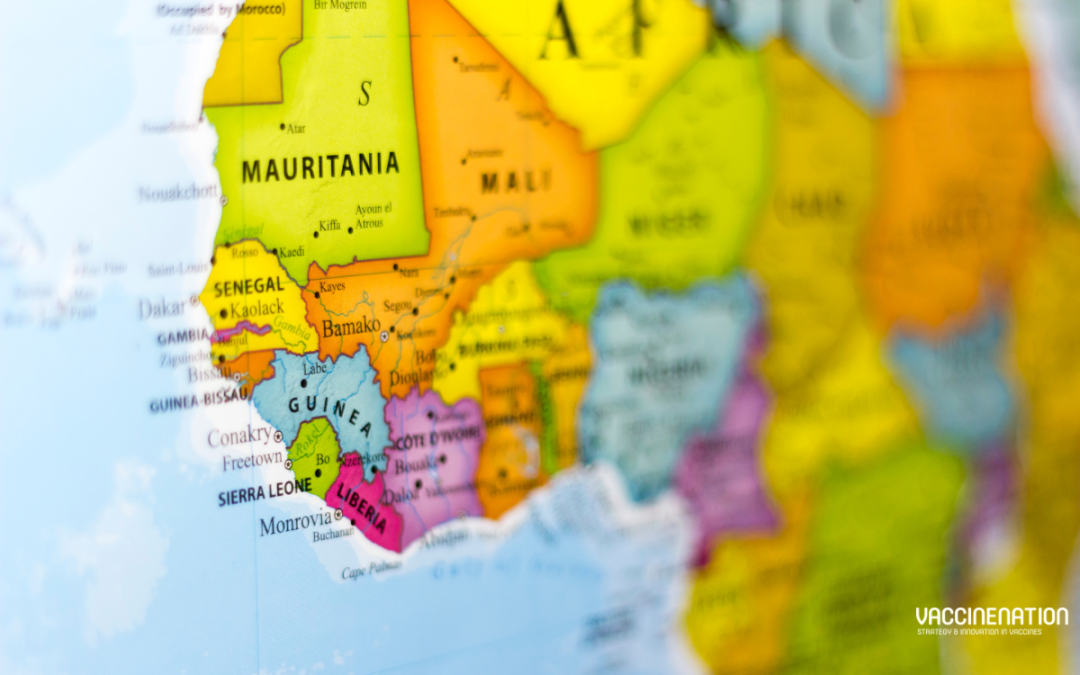
The authors estimated the current health-economic burden of Lassa fever in West Africa and project the possible effects of different reactive and preventive vaccination campaigns. They also project the potential effects of vaccination in line with the 100 Days Mission in response to a hypothetical future variant of LASV with pandemic potential. Their epidemiological model project the human Lassa fever burden over 10 years in 15 countries: Benin, Burkina Faso, Côte d’Ivoire, The Gambia, Ghana, Guinea, Guinea-Bissau, Liberia, Mali, Mauritania, Niger, Nigeria, Senegal, Sierra Leone, and Togo. These countries had 183 level 1 administrative units, known in the study as “districts”.
“Due to large gaps in Lassa fever surveillance and limited case reporting throughout much of its endemic range, we favoured a bottom-up modelling approach, synthesising best available ecological, epidemiological, clinical, and economic data to project the cumulative health and economic burden of disease.”
The model comprised six main components:
- A previously published geospatial risk map was used to predict the risk of spillover at the level of 0.05° x 0.05° spatial pixels throughout West Africa.
- Modelled spillover risk estimates were used as inputs in a generalised linear model (GLM) to predict human LASV seroprevalence.
- Modelled human LASV seroprevalence estimates were used as inputs in a serocatalytic model including country-level population projections to predict spillover infection incidence.
- Spillover infections were aggregated at district level and a stochastic branching process model was used to simulate onward human-to-human LASV transmission.
- A computational algorithm was applied retrospectively to spillover infections and ensuing transmission chains to simulate a range of reactive and preventive vaccination campaigns and to project the number of infections averted by vaccination.
- Modelled estimates of LASV infection and infections averted through vaccination strategies were used as inputs in a probabilistic decision-analytic model used to project the health burden of Lassa fever and associated economic costs and the health and economic burden averted due to vaccination over 10 years.
Vaccination
Vaccination was introduced in a series of six scenarios that reflected “realistic assumptions” about vaccine stockpile, administration, and efficacy. Every scenario included reactive vaccination, in which outbreaks trigger the local deployment of a limited vaccine stockpile in affected districts. The authors considered two main mechanisms of vaccine efficacy:
- Protection against infection prevents individuals from acquiring LASV infection from either M. natalensis or other humans
- Protection against disease prevents vaccinated individuals who become infected from progressing to disease, thus averting outpatient consultation, hospitalisation, chronic sequalae, and death
In the simulations, the researchers’ projections feature a vaccine that is 70% of 90% effective only against disease or 70% or 90% effective against both infection and disease.
Lassa-X
The paper also presents modelling of the emergence of “Lassa-X”, assumed to emerge in humans after a single spillover event. Prior LASV immunity was assumed to offer no protection against Lassa-X. Lassa-X was conceptualised with “Ebola-like transmission characteristics” and a 10-fold increase in hospitalisation risk relative to Lassa fever. Vaccination against Lassa-X was also considered; the “most ambitious” vaccination scenario achieved the 100 Days Mission of administration 100 days after initial detection of the first hospitalised case.
Findings
The researchers estimate that 2.1-3.4 million human LASV infections occur each year in West Africa, resulting in 15,000-35,000 hospitalisations and 1,300-8,300 deaths. Lassa fever was estimated to cause 2.0 million disability-adjusted life years (DALYs), $1.6 billion in societal costs, and $15.3 billion in lost value of statistical life (VSL) over 10 years.
The modelling suggests that administering Lassa vaccines preventively to districts classed as endemic in Nigeria, Guinea, Liberia, and Sierra Leone would avert a “substantial share of the burden of disease in those areas”. In the most expansive rollout scenario, in which a vaccine reaches around 80% of individuals in endemic districts and 5% of individuals elsewhere over 3 years, a vaccine that is 70% effective against disease is projected to avert 164,000 DALYs, $128 million in societal costs, and $1.3 billion in VSL lost over 10 years. For the same scenario, a vaccine that is 90% effective against both infection and disease could avert 240,000 DALYs, $188 million in societal costs, and $1.9 billion in VSL lost.
Vaccination campaigns in the other countries in the analysis had “modest” effects due to a reflection of a “constrained global vaccine stockpile”, meaning limited allocation to non-endemic districts.
“It is important to put Lassa fever’s projected health-economic burden and impacts of vaccination in context, in particular given limited economic resources available for investment in infectious disease prevention in West Africa and, hence, opportunity costs to investing in Lassa vaccination in lieu of other interventions.”
Real-world cost-effectiveness of a Lassa vaccine would depend on dosage, price, and clinical efficacy as well as the alternative interventions that are available. For example, novel small-molecule antivirals and monoclonal antibodies may be “promising alternatives” for prevention of severe disease. However, investment in Lassa vaccination has the “major potential benefit” of “increased readiness” for the rapid development and deployment of vaccines against future variants with pandemic potential.
Conclusions and comments
The authors conclude that vaccination campaigns that target “known Lassa fever hotspots” will help to reduce the large health-economic burden. However, it will be important to expand vaccination beyond WHO-classified endemic districts. Improved surveillance is also “greatly needed”, particularly to inform vaccination campaigns. Finally, in the hypothetical event of a novel, highly pathogenic pandemic variant “emerging and devastating the region”, the study suggests that the 100 Days Mission vaccination targets could have “critical impact”.
“The probability of such a variant evolving is exceedingly difficult to predict, but investment in Lassa vaccination now could nonetheless have great additional health-economic value if facilitating a more rapid vaccine response in the event of a pandemic Lassa-related virus emerging.”
CEPI’s CEO Dr Richard Hatchett warned that Lassa fever, a “serious public health problem in West Africa”, is already likely to spread to other regions as “climate and environmental change increase epidemic risk”.
“This study demonstrates the urgent need for a vaccine to protect people from this debilitating and sometimes deadly disease which we believe affects many more than those who are reported, due to limited access to diagnostics and healthcare.”
Lassa fever remains a priority for CEPI, and Dr Hatchett is “proud” that CEPI is a world leading Lassa vaccine R&D funder. Dr Virgil Lokossou, Head of Division, Preparedness and Response at the West African Health Organisation, reflected on the “burden” and “significant socioeconomic consequences” highlighted in the paper, revealing the “urgent need to accelerate vaccine research and development”.
“The West African Health Organisation remains committed to working with our Member States, CEPI, and all stakeholders to ensure that we fast-track the development of a vaccine and other tools we need to control the spread of Lassa fever and protect our communities. Time is now up for concrete actions.”
Dr David Smith, Senior Researcher at Oxford Population Health’s Health Economics Research Centre, joint first author, called for investment in Lassa vaccination.
“One major potential benefit of present investment in Lassa vaccination development is increased readiness to rapidly develop and deploy vaccines against future Lassa variants with pandemic potential.”
Dr Joanne Turner, research associate at the University of Liverpool, joint first author, shared that the analysis included vaccination campaigns designed to reflect “realistic assumptions”.
“Consequently, the impacts of our simulated Lassa vaccination campaigns were modest in countries other than Nigeria, Guinea, Liberia, and Sierra Leone. Yet the data underlying our model suggest that there is likely already a significant burden of Lassa fever outside these countries.”
Professor of Infectious Disease Epidemiology at the University of Oxford Big Data Institute, Déidre Hollingsworth, emphasised the importance of a vaccine to key populations.
“Lassa fever predominantly affects low-income populations in rural areas and is likely to be underreported due to poor health access in these areas.”
We will hear more about a Lassa fever vaccine candidate and the “challenges” of a field efficacy study in West Africa from IAVI’s Dr Marion Gruber at the Congress in Barcelona this October. Get your tickets to join us there, and don’t forget to subscribe for weekly vaccine updates.
by Charlotte Kilpatrick | Aug 28, 2024 | Global Health |
A study in JAMA Network in August 2024 explores the link between myocarditis and COVID-19 infection or vaccination. The nationwide cohort study considered 4,635 patients hospitalised for myocarditis in France during the first 1.5 years after the introduction of COVID-19 vaccination. The authors found that patients with post-COVID-19 mRNA vaccination myocarditis showed a “lower frequency” of cardiovascular complications than those with “conventional myocarditis” at 18 months. However, they emphasise the need for medical management “up to several months” after discharge for affected patients.
Risk of myocarditis
After “broadly” reported cases of myocarditis after vaccination with the COVID-19 mRNA BNT162b2 and mRNA-1273 vaccines, studies confirmed an increased risk of myocarditis after vaccination. This is predominantly in young adults and after the second dose. However, the authors note that SARS-CoV-2 infection in the previous month is also associated with a risk of myocarditis.
“Although vaccination resulted in a significant decrease in hospitalisation and mortality from COVID-19, it is crucial to evaluate the consequences of postvaccine myocarditis, particularly in young people, who are less likely to have serious illness after SARS-CoV-2 infection and could thus be less inclined toward vaccination.”
The study
The study was intended to examine the cardiovascular complications of postvaccine myocarditis and other types of myocarditis during an 18-month follow-up, as well as disease management and discharge. The authors used data from the French national hospital discharge database (PMSI), the French national COVID-19 vaccination database (VAC-SI), the SARS-CoV-2 diagnosis testing database (SI-DEP), and the National Health Data System (SNDS), covering the 67 million residents of France.
The cohort comprised individuals between 12 and 49 years who had a “main or related diagnosis of myocarditis” from inpatient hospital care from 27th December 2020 to 30th June 2022:
- Postvaccine myocarditis – individuals admitted to hospital for myocarditis within 7 days after receipt of any dose of a COVID-19 mRNA vaccine: 558 (12%).
- Post-COVID-19 myocarditis – individuals admitted to hospital for myocarditis within 30 days of SARS-CoV-2 infection and who did not receive an mRNA vaccination within the preceding 7 days: 298 (6%).
- Conventional myocarditis – remaining cases of myocarditis: 3779 (82%).
- Excluded – 7 individuals had a history of both COVID-19 mRNA vaccination within 7 days and COVID-19 within 30 days.
Findings
The study is the first to describe the “evolution” of postvaccine myocarditis with an 18-month follow-up after hospitalisation. It found that patients with postvaccine myocarditis had fewer hospital readmissions for myopericarditis, other cardiovascular events, or all-cause death as a composite outcome than those with conventional myocarditis. This contrasts with patients with post-COVID-19 myocarditis.
The researchers suggest that the lower incidence of all-cause hospitalisation observed in postvaccine myocarditis compared with conventional myocarditis “might be explained” by the “more varied aetiology” of conventional myocarditis cases. They offer the example of cases linked to inflammatory disease, which may require more follow-up due to underlying pathology.
While the authors recognise that post-COVID-19 mRNA vaccination myocarditis have a lower frequency of cardiovascular complications than those with conventional myocarditis, “contrary to patients with post-COVID-19 myocarditis”, they highlight the importance of medical disease management for “up to several months after hospital discharge”.
“These elements should all be taken into account for ongoing and future mRNA vaccine recommendations”.
For more on postvaccine safety and managing risks and benefits of vaccine strategies, get your tickets to join us at the Congress in Barcelona this October. Don’t forget to subscribe to our weekly newsletters here for vaccine updates.
by Charlotte Kilpatrick | Aug 27, 2024 | Global Health |
In August 2024 WHO launched a Global Strategic Preparedness and Response Plan (SPRP) to address the mpox public health emergency of international concern (PHEIC), declared on 14th August. The plan, subject to input from Member States, is intended to stop outbreaks of human-to-human transmission of mpox through “coordinated global, regional, and national efforts”. It covers the period September 2024 to February 2025 and is expected to involve a US$135 million funding need; WHO will follow with a funding appeal.
Outbreaks can be controlled
In the foreword, WHO Director-General Dr Tedros Adhanom Ghebreyesus states that the new mpox outbreaks “can be controlled” through “connected action”. The plan provides a “comprehensive approach” and emphasises “surveillance, research, equitable access to medical countermeasures, and community empowerment”.
“Our approach must uphold the principles of equity, global solidarity, community empowerment, human rights, and cross-sector coordination.”
Dr Tedros urges countries to use the plan to “guide their efforts” against the outbreak and “protecting the health and dignity of all”. The Executive Summary describes the need for “substantial resources” and “operational support” and calls for an estimated budget of US$135 million, excluding the cost of procuring around 2 million vaccine doses.
Temporary recommendations
In response to the “escalating” outbreak of different strains of mpox, a Public Health Emergency of International Concern (PHEIC) was declared on 14th August 2024.
“This declaration underscores the severity of the current situation and highlights the urgent need for intensified international collaboration to control the outbreak.”
The existing Standing Recommendations for mpox, issued in August 2023, were set to expire on 20th August 2024. However, the Emergency Committee proposed new Temporary Recommendations in the following areas:
- Strengthened coordination
- Enhanced surveillance and laboratory diagnostics
- Improved clinical care
- International traffic
- Vaccination
- Risk communication and community engagement
- Governance and financing
- Reporting
Strategic objectives
The mpox SPRP is intended to stop outbreaks of human-to-human transmission of mpox and “mitigate its impact on human health”. To achieve this, it sets out three strategic objectives:
- Rapidly detect and control outbreaks
- Advance research and ensure equitable access to medical countermeasures
- Minimise transmission between humans and animals
Vaccines to interrupt transmission
“Enhancing control strategies through strategic vaccination is crucial. Implementing targeted vaccination approaches can help reduce the spread of the virus by focusing on those at the highest risk of infection, thereby reducing overall transmission.”
The vaccination strategy prioritises individuals who are at “substantially higher risk of exposure”. Key considerations include:
- Access and delivery – the plan highlights an “urgent need” to increase access to and delivery of mpox vaccines, particularly in areas with active cases. WHO encourages countries with vaccine stockpiles to make doses available to affected regions and manufacturers to review access and pricing policies to ensure vaccines are affordable and accessible in low- and middle-income countries.
- Security and community engagement – effective strategies should consider the security challenges faced by vaccination teams and communities, especially in areas with “complex socio-political factors and ongoing conflicts”. WHO demands “strong community engagement and risk communication efforts”.
The plan proposes a phased vaccination strategy:
- Phase 1: Stop outbreaks. This phase is intended to interrupt known chains of transmission by targeting contacts of incident cases with onset in the previous 2-4 weeks and healthcare workers/frontline workers (HCWs/FLWs) in areas with active cases. This is a targeted approach that focuses on individuals most likely to transmit disease and uses fewer resources to efficiently reduce transmission by breaking chains of infection.
- Phase 2: Expand protection. This phase seeks to limit further spread in affected communities if additional doses are available. It targets individuals at high risk of severe disease – based on local epidemiology – in affected areas. This approach aims to provide broader community protection but does require additional doses, resources, and logistics.
- Phase 3: Protect for the future. The final phase focuses on increasing population immunity in areas at risk of outbreak expansion of future outbreaks. It targets all populations recommended by the Strategic Advisory Group of Experts on Immunisation (SAGE) as more doses become available. The goal is to achieve herd immunity to provide community-wide protection. Although it is resource-intensive, it is effective in reducing overall transmission.
The phased approach ensure that vaccination efforts are “prioritised and tailored to stopping the outbreak, guided by improved surveillance data, with the flexibility to scale up as vaccine availability increases”. The SPRP focuses on Phase 1 of the strategy.
The vaccine landscape
The SPRP presents a brief review of potential vaccine candidates under consideration:
- MVA-BN – A non-replicating vaccine, indicated for smallpox, and authorised in several countries for mpox prevention.
- LC16m8 – A minimally replicating vaccine, authorised in Japan for smallpox and mpox prevention.
- ACAM2000 – A replicating vaccine indicated for smallpox, with emergency use authorisation for mpox in the US.
Vaccines in preclinical studies include BNT166a and BNT166c; these are next-generation mRNA vaccines designed to provide “broad protection” against MPXV and related orthopoxviruses. These are showing “promising” preclinical results and research is focused on evaluating their efficacy and safety in “diverse groups”.
“The current outbreak presents an opportunity to evaluate new vaccines, which, if proven effective and safe, could expand vaccination efforts and help control the outbreak.”
Scale up of global production and distribution is “vital” to meet demand, particularly in low- and middle-income countries. Furthermore, accelerating regulatory evaluations for new and existing vaccines is “essential” to ensure availability.
For insights into a novel mpox vaccine from Tonix Pharma, join us at the Congress in Barcelona this October, or get your tickets to the Congress in Washington next April for more on mpox preparedness and response; don’t forget to subscribe to our weekly newsletters here.
by Charlotte Kilpatrick | Aug 22, 2024 | Global Health |
A paper in The Lancet Infectious Diseases in August 2024 presents the results of an observational study during the Ebola epidemic in the Democratic Republic of the Congo (DRC). The researchers evaluated the effectiveness of the only WHO prequalified vaccine recommended for use in outbreaks of Ebola virus, the recombinant vesicular stomatitis virus-Zaire Ebola virus (rVSV-ZEBOV) vaccine. This is the first work to provide estimates of the real-world effectiveness of the vaccine and confirms that it is “highly protective” against Ebola virus disease.
A tool against Ebola
Ebolaviruses are endemic in the Democratic Republic of the Congo (DRC), which had reported15 outbreaks by March 2024. The 10th of these was confirmed in August 2018 and was in northeastern provinces of North Kivu and Ituri, characterised by “chronic insecurity and conflict, political instability, mistrust in government, and high population mobility”. At the end of the outbreak in June 2020, 3,470 cases and 2,287 deaths were recorded; it was the largest reported outbreak in the country and the second-largest outbreak worldwide.
Merck’s recombinant vesicular stomatitis virus-Zaire Ebola virus single-dose vaccine (rVSV-ZEBOV, known as Ervebo) received WHO prequalification in November 2019 and is recommended by WHO’s Strategic Advisory Group of Experts on Immunisation (SAGE) for individuals at risk of exposure during outbreaks. It was deployed in the 10th ebolavirus outbreak in the DRC under the Expanded Access framework following the recommended strategy based on reactive ring vaccination and targeting of at-risk individuals. This was expanded under SAGE guidelines to include pregnant and breastfeeding women and infants between 6 and 12 months.
The study
The authors sought to retrospectively estimate the effectiveness of rVSV-ZEBOV vaccination against Ebola virus disease during the 2018-2020 outbreak in the DRC. They used a test-negative design; the study population comprised eligible individuals who were reported as having suspected Ebola virus disease at Ebola virus disease facilities. Standardised patient data were recorded by data managers at each Ebola virus disease facility and compiled into a centralised case management database weekly.
60,246 suspected cases were assessed for eligibility, among which 26,438 were eligible for inclusion. Among eligible individuals, 1,273 (4.8%) were Ebola virus disease-positive (cases) and 25,165 (95.2%) were Ebola virus disease-negative (controls). 333 (26.2%) of the cases were reported as being vaccinated; most were vaccinated fewer than 10 days before symptom onset. 4,855 (19.3%) of the controls were reported as being vaccinated.
The effectiveness of rVSV-ZEBOV vaccination against Ebola virus disease was estimated to be 84% at 10 or more days after vaccination. Stratified by sex, effectiveness was 80% for females and 86% for males. Stratified by age, effectiveness was 80% for children younger than 15 years, and 83% for adults. The effectiveness estimate was compatible with results from the Ebola Ça Suffit! ring vaccination trial but are lower than preliminary estimates from the 2018-2020 outbreak.
“Our results indicate that rVSV-ZEBOV is highly protective against Ebola virus disease and support its reactive, targeted use in people at risk of exposure during Ebola virus disease outbreaks.”
Dr Sophie Meakin, epidemiologist with Epicentre MSF, states that the study “dispels uncertainties about the vaccine’s actual effectiveness”.
“It is the first published study to evaluate the effectiveness of the rVSVΔG-ZEBOV-GP vaccine outside of a clinical trial. It was carried out during the second largest Ebola epidemic on record.”
The authors highlight the need for further work on the duration of protection and efficacy in populations that are susceptible to severe disease and outcomes. Professor Steve Ahuka, head of virology at Institut National de Recherche Biomédicale (INRB) and medical professor at the University of Kinshasa, commented on the importance of data collection during epidemics, amid ongoing challenges.
“These are unique opportunities to deepen our knowledge of often rare diseases, and thus improve the management of future epidemics, develop new control tools, and determine the best strategies for using them effectively.”
To join us at the Congress in Barcelona and participate in discussions about safety and effectiveness evaluations of vaccines deployed in emergencies, get your tickets here. Don’t forget to subscribe to our weekly newsletters for more vaccine updates.
by Charlotte Kilpatrick | Aug 21, 2024 | Global Health |
At WHO South-East Asia Regional Director Saima Wazed’s inaugural address to the 15th Meeting of the WHO South-East Asia Regional Immunisation Technical Advisory Group (SEAR-ITAG) she called on countries to aim for a “big catch-up” of vaccinations in children. Ms Wazed highlighted the need to vaccinate all zero dose and partially vaccinated children, restore immunisation progress that was “lost during the pandemic”, protect all adolescent girls from cervical cancer, and accelerate efforts to eliminate measles and rubella from the region by 2026. The SEAR-ITAG, in New Delhi from 20th-23rd August, provides guidance on regional immunisation priorities and technical support for strengthening immunisation services. The Meeting also presents an opportunity to celebrate 50 years of the expanded immunisation programme.
Progress over 50 years
Regional Director Wazed said “proudly” that the last 50 years of immunisation programmes have “helped hundreds of millions of people in our Region live healthier, longer, more productive, and prosperous lives”.
“Today, South-East Asia Region continues to be free of wild polio virus transmission and has maintained elimination of maternal and neonatal tetanus as a public health problem. Five countries have eliminated measles and rubella, and six have controlled hepatitis B through immunisation. Seven countries consistently reach over 90% of children with three doses of diphtheria, pertussis, and tetanus (DTP3) vaccines.”
Despite this progress, the Region missed its target of eliminating measles and rubella by 2023. WHO/UNICEF Estimates of National Immunisation Coverage data identified “slow progress and no meaningful change” to childhood immunisation coverage compared to 2022. Furthermore, coverage is still not restored to pre-pandemic 2019 levels. Almost 2.7 million children in the Region did not receive any vaccine and a further 0.6 million children were “partially vaccinated” in 2023.
“We need to understand where and why these children were missed and prioritise reaching them as soon as possible. No child should ever fall sick or die of any vaccine preventable disease, when safe and effective vaccines exist to protect them.”
The slow progress of post-pandemic recovery reveals a need for innovation, locally effective approaches, and enhanced political and social leadership.
Priorities
A priority in the Regional Director’s Roadmap for Results and Resilience is “reaffirming investment in women, girls, adolescents, and vulnerable populations”. To this end, Ms Wazed highlights the need to ensure all adolescent girls in the Region are protected and get “at least one dose” of HPV vaccine to protect from cervical cancer. Central to these efforts will be “revitalising immunisation programmes, strengthening community-centred health systems, ensuring vaccines supply, and boosting demand through community engagement”. Policy and resources must “urgently” prioritise routine immunisation, particularly for measles.
“The focus must be on tailored approaches, identified in consultation with the affected communities. No matter how challenging or remote the setting is, we will need to find new ways to reach the children most at risk of life-threatening diseases and protect them with vaccines.”
For more on global vaccine priorities and efforts to reach under immunised groups, get your tickets to join us at the Congress in Barcelona this October, and don’t forget to subscribe to our weekly newsletters here.
by Charlotte Kilpatrick | Aug 21, 2024 | Global Health |
A report shared by Africa CDC in August 2024 finds that the threat presented by treatment-resistant diseases has increased in Africa, with children and other vulnerable groups at greatest risk. African Union AMR Landmark Report: Voicing African Priorities on the Active Pandemic, demands a “comprehensive, multi-sectoral approach involving the entire society” to address the challenges of antimicrobial resistance (AMR), which extend beyond morbidity and mortality.
“The comprehensive measures outlined in this report are essential for curbing the threat of AMR in Africa, ensuring the health and prosperity of future generations, and achieving sustainable development goals across the continent.”
The global and continental burden
The authors describe the “existential impacts” of AMR as “far-reaching”; it represents a “significant public health challenge”. 4.95 million deaths in 2019 were associated with bacterial AMR, of which 1.27 million deaths were “directly attributable” to AMR, surpassing the burden of HIV and malaria. This highlights that AMR is a leading cause of mortality, but sub-Saharan Africa suffers greatest burden. Beyond death and disability, AMR “carries substantial economic implications at personal, national, and global levels”. AMR is projected to result in an additional US$1 trillion in healthcare expenses by 2050.
The report acknowledges that antibiotics are considered the “cornerstone of modern medicine”. However, the emergence and re-emergence of AMR could “potentially revert us to an era when antibiotics did not exist”.
“AMR not only threatens to roll back decades of development gains and disrupt healthcare services but also poses a significant barrier to achieving global health security and economic development.”
The highest burden of AMR is in low-resource settings, which have the greatest infectious disease burden and “weaker” health systems. In 2019, sub-Saharan Africa (SSA) experienced the highest rate of AMR burden; 23.7 deaths per 100,000 people and 255,000 deaths were attributed to AMR. Notably, this surpasses malaria and HIV/AIDS mortality.
Although The World Health Assembly adopted the Global Action Plan on AMR, endorsed in the 2016 UNGA high-level meeting on AMR, the adoption and implementation of AMR interventions in Africa is “limited”. This is attributed to “misalignment of priorities, lack of resources, and inadequate coordination”. Thus, the imminent UNGA high-level meeting on AMR offers Africa the opportunity to “elevate its priorities and secure commitments” to address the challenge.
Implementation of AMR One Health National Action Plans (NAPs) has had “mixed” progress. The report suggests that this has been “fragmented” due to dependence on foreign funders and a “lack of awareness, knowledge, and appreciation” of the threat. However, the authors recognise “commendable progress in certain areas”. For example, Africa has made “significant strides in stewardship and surveillance”; 57% of African countries have adopted the AWaRE (Access, Watch, Reverse) classification of antibiotics on National Essential Medicine Lists (NEMLs). 50% of African countries have implemented integrated surveillance systems for AMR. These improvements, though slow, highlight “potential and ongoing efforts”.
A key challenge is access to antibiotics, with “many” countries relying on imports for over 90% of their pharmaceutical needs. This results in “frequent shortages and chronic out-of-stocks”. Additionally, global supply chain pressures can affect access in LMICs and undermine the resilience of health systems. Lack of access leads to over-reliance on the few available drugs, even if they are not the primary choice, and can result in “severe health outcomes”.
The registration process for some antibiotics is lengthy, which discourages pharmaceutical companies from entering and limits the availability of essential medicines. Furthermore, continental investment in research and development is “inadequate”; “very few countries” have the infrastructure for Phase III clinical trials and local data on AMR remain “insufficient”.
“By aligning African needs with global efforts, the continent can effectively enhance its capacity to combat AMR and contribute to the global response.”
The challenges
The effort required to address AMR in Africa faces “specific challenges”:
- Strengthening governance and leadership – governance and coordination structures are still not completely aligned with the frameworks outlined in the Global Action and National Action Plans. This misalignment creates gaps in integrating diverse stakeholders and sectors and hinders accountability.
- Addressing the driver of AMR in Africa – addressing the drivers of AMR in Africa involves tackling multiple contributing issues. These include gaps in IPC/WASH programmes, poor adherence to biosecurity and animal husbandry practices, vaccination challenges, regulatory barriers, socio-economic barriers, low public awareness, and underdeveloped public health systems.
- Building evidence and improving reporting – understanding the landscape and responding with informed decisions requires robust evidence and effective reporting systems. Data collection, analysis, and utilisation systems are often inadequate, with only a few comprehensive AMR surveillance systems. A lack of standardised reporting mechanisms and integration of surveillance data across human, animal, and environmental health sectors hinder the creation of a cohesive evidence base.
- Mobilising and coordinating resource effectively – the continent often depends on sporadic international funding, which leads to fragmented efforts and short-term projects that neglect the enduring nature of AMR threats. Lack of sustained financial commitment undermines the continuity and effectiveness of AMR control measures.
- Strengthening community engagement and education – gaps in community engagement and education limit public understanding and support for initiatives. Without comprehensive community involvement and educational outreach, efforts to encourage responsible antimicrobial use and enhance infection prevention and control measures are weakened.
- Enhancing research and innovation – progress is hampered by various obstacles such as limited funding, inadequate infrastructure, and a shortage of skilled researchers. Development and implementation of solutions is also hindered by lack of collaboration between institutions and restricted access to advanced technologies.
Priority actions
The report offers the following priority actions in response to these challenges:
- Enhance leadership commitment, implement integrated governance structures, strengthen coordination and communication, define clear terms of reference, promote legislative support and institutional mechanisms, engage diverse stakeholders.
- Improve adoption of IPC, WASH, biosecurity, and animal husbandry measure in human, animal, and environmental sectors, increase vaccination rates for high-priority pathogens in high-risk African countries, raise public, professional, and policymaker awareness of AMR, increase uptake of alternatives to antimicrobials, increase availability of high-quality diagnostics, vaccines, and antimicrobials for high-priority pathogens in high-risk African countries.
- Establish country-level baselines for antimicrobial consumption and resistance, consolidating country-wide reporting, define a core set of indicators to measure the impact of AMR in Africa, measure the cost of inaction in the African context, strengthen data and information sharing platforms.
- Endorse targets applicable for Africa to support AMR actions, mobilise funding to close the gap for AMR actions across Africa, support fully costed NAPs with funding tied to milestones, promote the One Health approach by incorporating AMR into broader agendas to coordinate resources.
- Develop and implement comprehensive public education campaigns, enhance community-based interventions, strengthen pre-service-based education programmes, facilitate professional development and training, leverage technology and social media.
- Increase funding and investment in research, build and upgrade research infrastructure, promote interdisciplinary and cross-sector collaboration, streamline regulatory and ethical approval processes, support capacity building and talent retention.
Goals and conclusions
The short-term goals (0-6 months) focus on sharing the report with stakeholders and engaging these stakeholders to discuss recommendations, build consensus, and refine strategies for implementation. Medium-term goals (6-12 months) place an emphasis on key policy recommendations, including establishing “robust” regulatory frameworks, launching public awareness campaigns, and developing and strengthening surveillance systems.
“These efforts will involve significant investments in capacity building, technology upgrades, and the establishment of data-sharing protocols across countries and regions.”
Long-term goals (12+ months) focus on monitoring and evaluating progress, with assessments against the core objectives of the Global Action Plan (GAP) on AMR. This phase also involves “sustained efforts” to mobilise financial, technical, and human resources to support ongoing and new initiatives.
“Strengthening partnerships with international donors, private sector stakeholders, and regional bodies will be crucial to ensuring the continued availability of resources and support.”
The authors conclude the report by looking forward to the UNGA high-level meeting on AMR and reminding stakeholders of the importance of uniting in support of the recommendations. They highlight the significance of collaboration to implement the strategies and ensure progress is sustainable.
“The stakes are high, and the potential benefits of addressing AMR are immense. Investing in AMR initiatives will save lives, improve health outcomes, boost economic productivity, and strengthen healthcare systems across the continent. We call upon the global community to recognise the urgency of the AMR crisis in Africa and commit to taking bold and coordinated actions.”
Comments
Africa CDC Deputy Director General Dr Raji Tajudeen, speaking at the launch of the report, commented that the “silent threat” of AMR must not be ignored.
“Fighting disease requires resources and working with member states and our partners; we need to do all we can to save lives.”
Dr Huyam Salih, director of the African Union-Inter African Bureau for Animal Resources (AU-IBAR), drew attention to the fact that AMR is “not just a health issue”.
“It is a threat to our agrifood systems, food safety, food security, livelihoods, and economies.”
This is “particularly alarming” in Africa, where 37 countries report the prevalence of AMR in animal farms, but on 16% of countries are conducting routine AMR surveillance in animals.
“Our health, our food, and our future depend on the actions we take now.”
Nqobile Ndlovu, head of the African Society for Laboratory Medicine, emphasised the organisation’s commitment to strengthening laboratory capacities to address AMR.
“Our goal is to ensure the continued efficacy of treatments and promote data-driven solutions to safeguard public health across the continent.”
For more on the role that vaccines can play in global efforts against AMR, why not join us at the Congress in Barcelona this October? Get your tickets here and don’t forget to subscribe to our weekly newsletters here. You can also check out our Congress interview from Washington with Dr Yewande Alimi, who led and wrote the report, for her insights into AMR in Africa.
by Charlotte Kilpatrick | Aug 20, 2024 | Global Health |
In Vaccine X researchers from PATH address a “dearth” of evidence on determinants of vaccine delivery costs for human papillomavirus (HPV) vaccine with an analysis to identify “programmatic and operational factors” that are associated with cost variations. The analysis drew on data from Ethiopia, Guyana, Rwanda, Senegal, Sri Lanka, and Uganda to provide evidence for programme stakeholders on which programme context variables affect costs. The authors hope that this can “inform programme adjustment to improve cost efficiency”. This is particularly important amid efforts to “revitalise and rebuild” HPV vaccine coverage after the COVID-19 pandemic.
Varying costs
The costs of delivering human papillomavirus (HPV) vaccines vary “within and across low- and middle-income countries” (LMICs). However, there is “limited evidence” on the factors behind these cost differences, and research from routine infant vaccine delivery can “fail to capture the drivers” of HPV vaccine delivery required for “effective and budget-conscious” planning. Indeed, many routine HPV vaccination services in LMICs are offered in school-based or outreach settings, so they differ from infant vaccines that are “predominantly provided in facility-based settings”.
Thus, factors like the number of schools served and distance travelled by health workers could affect programme costs. Other factors are “unique” to HPV vaccination programmes, such as per diem payment to vaccination teams and variation in timing of vaccination delivery.
Global HPV vaccine coverage dropped by 15% because of the COVID-19 pandemic; this was the most significant coverage decline during the pandemic. While HPV vaccination programmes attempt to “revitalise and expand coverage”, the authors suggest the need for evidence on cost drivers to improve cost efficiency “without compromising programme quality”. Their study evaluated the operational context and costs of HPV vaccine delivery in six LMICs.
The study
The researchers conducted secondary analysis of data from a primary mixed-methods study that evaluated the operational context and economic and financial costs of HPV vaccine delivery in Ethiopia, Guyana, Rwanda, Senegal, Sri Lanka, and Uganda. The programme activities included programme planning and management, social mobilisation, training, vaccine collection and storage, service delivery, crisis management, and waste disposal.
Economic costs were calculated for each activity conducted by health facilities, including financial and opportunity costs:
- Financial costs – expenditures with direct financial outlays like per diems paid, venue rentals, and meals for meetings, travel expenditures, and distribution of materials for social mobilisation.
- Opportunity costs – costs of using existing resources and including time costs for health workers/vaccinators, support staff, and non-health workers, annualised cost for vehicles and equipment.
What does the study find?
Like studies of routine infant vaccinations, the authors found in this research that total doses delivered were “positively and significantly associated with the economic costs”. This reflects “increasing resource use with an increase in service volume”, but the variables were not statistically significant in conditional regression.
The study also identified cost determinants that had not previously been explored. For example, the higher the number of HPV vaccination sessions conducted by the health facility, the higher the economic costs for that facility. The larger the number of activities or meetings held by the facility, the higher the economic costs.
“HPV vaccination programmes seeking to reduce costs may explore options to reduce the intensity of some programme activities, where possible, to increase cost efficiency.”
For some countries, moving from a two-dose schedule to a single-dose schedule may reduce the number of vaccination sessions held per health facility during the year and/or reduce the number of vaccination activities conducted. This would be “especially true” for countries like Rwanda, where the first dose is “almost exclusively” administered in the first half of the year and the second dose in the latter half. However, without a schedule change facilities can still “examine the activities being done and reduce intensity where possible”.
Health worker utilisation was “positively and significantly associated with costs” in both unconditional and conditional regressions. As human resource time is the “largest share” of economic costs, a reduction in the intensity and frequency of activities might reduce the total human resource time. For HPV vaccination programmes, human resource utilisation also includes non-health workers, like school staff or community stakeholders. Their engagement increases economic costs.
“In some countries, there may be a need to identify strategies to reduce the labour intensity of HPV vaccination programme activities to reduce programme costs.”
The primary analysis revealed that in countries where per diems were paid, the per diems comprised the largest share of financial costs at health facility level. Although per diems can “augment health worker salaries and incentivise travelling”, not paying per diems might reduce costs and increase cost efficiency.
The paper concludes that the findings offer evidence to stakeholders on the variables that affect costs.
“This evidence can be used to adjust programme characteristics to improve cost efficiency, especially in a context of programme revitalisation and coverage improvement after the pandemic.”
For the latest insights into vaccination programme development and strategy, get your tickets to join us at the Congress in Barcelona this October, and don’t forget to subscribe to our weekly newsletters here.
by Charlotte Kilpatrick | Aug 20, 2024 | Global Health |
MSD Animal Health announced in August 2024 that it has received Veterinary Medicines Directorate (VMD) approval for the first vaccine in Great Britain to protect cattle against the parasite that causes cryptosporidiosis. Cryptosporidiosis is “one of the most significant gastrointestinal diseases” in cattle. BOVILIS CRYPTIUM is indicated for the active immunisation of pregnant heifers and cows to raise antibodies in colostrum against Gp40 of Cryptosporidium parvum.
A widespread threat
Dr Kat Baxter-Smith, veterinary adviser with MSD Animal Health states that C. parvum is the most common cause of infectious scour in the UK.
“Cryptosporidiosis is widespread on UK dairy and suckler cattle units and is prevalent throughout the year.”
Although it is “mostly seen in calves” between 7 and 14 days old, it can “strike at any time”.
“Infection with the parasite causes blunting of the intestinal villi, reducing capacity for nutrient and water absorption. This has a significant impact on a calf’s future productivity.”
Dr Baxter-Smith acknowledges that calves who have suffered “severe disease” were found to weigh 34kg less on average than “low disease calves” in a recent study. This reportedly equated to a £161 reduction in calf sale price.
BOVILIS CRYPTIUM
Vaccination of pregnant heifers and cows with BOVILIS CRYPTIUM can provide protection for calves from birth at the start of colostrum feeding; this is when they are “most vulnerable”. Active immunisation raises antibodies against C. parvum in colostrum, helping to reduce clinical signs in calves. The primary vaccination course is two doses, 4 to 5 weeks apart in the third trimester of pregnancy but at least 3 weeks before calving. Cattle that have had this primary course then only need a single booster dose in subsequent pregnancies.
Dr Baxter-Smith emphasises that the protection of calves depends on “adequate ingestion of colostrum and transition milk” from vaccinated cows.
“It is recommended that all calves are fed colostrum and transition milk during the first five days of life. At least three litres of colostrum should be fed within the first six hours after birth.”
Dr Philippe Houffschmitt, associate vice president of the global ruminant business at MSD Animal Health, is “proud” of the “innovative vaccine”. This is a “new, science-driven way to combat the devastating parasite”.
“This novel vaccine offers preventive neonatal protection, which can help preserve cattle well-being from the earliest days of life, as well as help contribute to global food production and safety.”
For more on protecting animal health and food security, why not join us at the Congress in Barcelona this October for the One Health and Veterinary Track? Don’t forget to subscribe to our weekly newsletters here.
by Charlotte Kilpatrick | Aug 19, 2024 | Global Health |
The Aga Khan Foundation (AKF) announced in August 2024 that it is launching a $7.2 million nutrition and immunisation programme in Pakistan with support from federal and provincial governments, Gavi, and The Power of Nutrition (TPoN). The programme seeks to support more than one million mothers and children in the most marginalised areas of three provinces. Pakistan faces “significant” child health challenges, with the third-highest global burden of child mortality; it ranks third in the world for the “most under-vaccinated children” with nearly 1.2 million children not immunised. In hard-to-reach populations, where there are higher concentrations of “undernourished, stunted, and wasted children”, there are high numbers of “zero-dose” children.
Malnutrition and under-immunisation
AKF infers from the correlation of malnourished and under-immunised children that children who are at high risk of malnutrition are also the ones missing out on essential immunisation services. Therefore, an integrated immunisation and nutrition approach could provide “combined reinforcement benefits”. Although malnutrition and infectious diseases are “key contributors” to child morbidity and mortality, immunisation and nutrition programmes “often operate in isolation”.
$7.2 million programme
The programme will support districts with a “particularly high” need: Diamir, Astore, Gilgit, Sibi, Bolan, Usta Muhammad, Thatta, and Sajawal. It is jointly funded by the partners and centrally managed by The Power of Nutrition. Starting later this year, it will run until 2027.
The integrated approach involves strengthening health systems to address existing gaps, social behaviour change communication to ensure demand for immunisation, and support for district and national governments towards evidence-based decision making and learning. It seeks to provide “vital evidence” on the importance of integration and real-life examples to demonstrate cost-effective methods of joint delivery.
Akhtar Iqbal, Chief Executive Officer of Aga Khan Foundation Pakistan, looks forward to the “unique opportunity” to contribute to Sustainable Development Goals by “extending an integrated package of immunisation, health, and nutrition interventions for children living in some of the most marginalised districts in Pakistan”.
“Through a close partnership with the Federal and Provincial Expanded Programme on Immunisation Directorates, and technical support of the Aga Khan Health Services and Aga Khan University, the programme will generate data, evidence, and learning to fill gaps and discover what works in this under-resourced area.”
Dr Tokunbo Oshin, Director, High Impact Countries, Gavi, is “pleased to be able to support this innovative programme”, which addresses parental preferences to be “reached with package of interventions”.
“Through health systems strengthening efforts, this will be a good opportunity to provide essential services in remote areas of Pakistan and learn how to better scale up integrated service delivery, including immunisation and nutrition.”
Dr Alok Ranjan, Director of Programmes and Investments, The Power of Nutrition, is “delighted to bring together” the partners for a “vital project”.
“For too long nutrition and immunisation stakeholders have been working separately, despite the interventions reaching similar populations and being mutually beneficial. This programme promises not only real impact in Pakistan, [but] it can help pave the way for more integrated programming worldwide.”
To hear from immunisation experts at the Congress in Barcelona this October get your tickets here and don’t forget to subscribe to our weekly newsletters for vaccine updates.
by Charlotte Kilpatrick | Aug 19, 2024 | Global Health |
In August 2024 the Pan American Health Organisation (PAHO) and the Latin American Society of Paediatric Infectious Diseases (SLIPE) signed a cooperation agreement with the aim of reducing infectious diseases prevalent among children and adolescents in Latin America. Although deaths in children under 5 years have decreased by 60% in Latin America and the Caribbean since 2000, infectious diseases continue to represent a major health threat to the age group.
“In addition to causing mortality and disability, these diseases impose significant economic and social costs on families and communities, disproportionately affecting those with limited resources and in vulnerable situations.”
A 5-year framework
The agreement is a 5-year, renewable technical cooperation framework agreement and aligns with PAHO’s initiatives to address infectious diseases and promote child and adolescent health in the region. PAHO and SLIPE will work together on projects in “key areas” such as vaccination, paediatric infectious diseases, arboviruses, perinatal infections, and neonatal sepsis. They will also collaborate on efforts to “strengthen surveillance systems, promote ongoing research to inform clinical practices, and implement awareness campaigns”.
Dr Alfonso Tenorio Gnecco, PAHO/WHO Representative in Costa Rica signed the agreement on behalf of PAHO Director Dr Jarbas Barbosa and hopes that it will enable PAHO to “provide technical and strategic guidance to strengthen health systems and address childhood infections”.
“Our goal is to reduce preventable child deaths through a comprehensive range of interventions.”
SLIPE President Dr María Luisa Ávila described the signing as a “crucial step in the fight against antimicrobial resistance in the region”.
“This collaboration will enhance our capacity to tackle this growing threat by promoting joint actions and implementing our strategies based on scientific evidence, which are essential for protecting the health of our children and adolescents in Latin America.”
To join discussions about infectious disease management and global health goals at the Congress in Barcelona this October, get your tickets here, and don’t forget to subscribe for weekly insights here.
by Charlotte Kilpatrick | Aug 15, 2024 | Global Health |
Gavi announced in August 2024 that health ministers from the Association of Southeast Asian Nations (ASEAN) have pledged to increase investments in immunisation to “improve health security” and “protect populations from vaccine-preventable diseases” in Southeast Asia. These commitments took place at a high-level side event between ASEAN and Gavi at the ASEAN Health Minister Meeting. Ministers agreed to set a regional health financing target focused on “increasing domestic investments in immunisation and strengthening health systems”.
A useful platform
The biennial meeting draws representatives from the ten ASEAN Member States, donor countries, international organisations, and development banks. It provides a “platform for meaningful discussions and dialogue” on “pressing health challenges and emerging opportunities” in the region. This year’s meeting, in collaboration with Gavi, focused on equitable and sustainable immunisation programmes, robust financing, and strengthened health security.
Outbreaks and immunisation
As immunisation coverage declines, the “growing” threat of severe disease outbreaks in East Asia and the Pacific is “deeply concerning”. A key indicator of routine vaccine coverage is coverage of the third dose of diphtheria, tetanus, and pertussis-containing vaccine (DTP3), but this dropped in the region from 94% in 2019 to 87% in 2023.
Dr Saima Wazed, Reigonal Director at WHO South-East Asia Regional Office, demanded “tailored approaches, identified in consultation with the affected communities”.
“Local solutions to local issues. No matter how challenging or remote the setting is, we will need to find new ways to reach the children most at risk of life-threatening vaccine-preventable diseases. It is our individual as well as collective responsibility.”
UNICEF East Asia and Pacific Regional Director Ms June Kunugi stated that declining immunisation coverage “puts millions of children at risk of entirely preventable diseases”.
“This is not merely a health issue but a political imperative. ASEAN’s commitment to increasing investment in immunisation demonstrates strong leadership and a dedication to protecting our future generations. UNICEF is ready to work with ASEAN governments and Gavi to turn this promise into action and ensure the health of children in the region.”
Health and development
Gavi already works with six of the ten ASEAN countries on routine immunisation programmes and invests in health systems and supports preparedness and response to vaccine-preventable disease outbreaks. The latest commitment recognises vaccines as a “cost-effective and impactful public health and development measure”. Gavi’s CEO Dr Sania Nishtar reflected that immunisation investment is “more important than ever before” in a world “confronting the increased risks of climate change and serious disease outbreaks”.
“These commitments will help safeguard the health of millions. Visiting and deepening our engagement in the region were key priorities for me as the incoming Gavi CEO. Gavi pledges to be a partner in ASEAN countries’ efforts to save lives, while also building resilient systems that are also better prepared to address health security threats.”
Gavi and ASEAN will also develop a plan for a “shared vision for health cooperation” with a focus on “aligning immunisation strategies with broader health priorities and mobilising support from donor countries”. This plan will be presented to ASEAN health ministers in 2025.
For a panel focusing on vaccine coverage and equity at the Congress in Barcelona this October, do get your tickets here, and don’t forget to subscribe to our weekly newsletters here.
by Charlotte Kilpatrick | Aug 14, 2024 | Global Health |
An article in npj vaccines in August 2024 describes vaccine uptake for COVID-19 and influenza vaccines in pregnancy as “suboptimal”. The authors explored COVID-19 and influenza vaccine uptake and disparities through data from the Oxford Royal College of General Practitioners Research and Surveillance Centre Database in England and the Secure Anonymised Information Linkage Databank in Wales. They found that “socioeconomically deprived and ethnic minority groups” showed lower vaccination rates, highlighting the “necessity for interventions” to reduce vaccine hesitancy and encourage acceptance in pregnancy.
The study
Although infections with COVID-19 and influenza during pregnancy can “increase the risk of adverse pregnancy outcomes” and effective vaccines against these outcomes are included in routine immunisation schedules for pregnant women in the UK, the authors describe their uptake during pregnancy as “suboptimal”. This could be attributed to “concerns about side effects and vaccine safety”, which are related to “demographics and baseline health conditions”.
“Understanding vaccine uptake disparities in pregnant women would inform clinicians and policymakers in developing strategies to promote vaccination and reduce adverse pregnancy outcomes in the UK.”
During the pandemic, uptake of COVID-19 and influenza vaccines in pregnant women “could differ from normal times because of changes in vaccines hesitancy” and the introduction and deployment of new COVID-19 vaccines. Furthermore, vaccine hesitancy “may be more prevalent” for COVID-19 vaccines as evidence on maternal and neonatal safety was “limited” at the time.
The study was an opportunity to explore COVID-19 and influenza vaccine uptake and disparities in pregnant women in England and Wales during the pandemic between September 2020 and March 2022. 133,300 pregnant women were eligible for COVID-19 vaccination during pregnancy in England and Wales, and 178,690 pregnant women were eligible for 2020/2021 or 2021/2022 seasonal influenza vaccination in England and Wales. 133,140 pregnant women were eligible for both vaccinations during pregnancy.
Of the influenza cohort, 74,740 (41.8%) pregnant women received at least one dose of influenza vaccine. Of the 133,300 pregnant women in the COVID-19 cohort, 53,550 (40.2%) received at least one dose of COVID-19 vaccine. Among the 133,140 pregnant women eligible for both vaccinations, 57,970 (43.6%) did not receive either vaccine; 27,350 (20.5%) received both vaccines. 26,190 (19.7%) received only the COVID-19 vaccine, and 21,630 (16.2%) received only influenza vaccine.
Low uptake and disparities
The analysis presented “low” vaccine uptake during the pandemic and uptake disparities across “various baseline characteristics”, particularly among “different ethnic groups and socioeconomic statuses”.
“Women of lower socioeconomic status had a significantly lower chance of receiving COVID-19 or influenza vaccination. Women in black, mixed, and other ethnic groups had a lower chance of being vaccinated in comparison to women in white or Asian ethnic groups.”
The results of the study align with existing data and highlight disparities in vaccine uptake. Determinants of vaccine acceptance in the study included “being socioeconomically affluent, of white or Asian ethnicity, living in rural areas, and residing in two-person households”. These are aligned with research from other countries. The “suboptimal” uptake during the pandemic can include the following mechanisms:
- Access to transport
- Confidence in vaccination
- Vaccination knowledge
- Trust in healthcare or vaccination providers
Other possible contributing factors to low vaccine uptake could be a language barrier, or over-registration in the UK primary care system.
Implications
The authors state that the importance of a “direct recommendation” from healthcare providers can “significantly increase influenza vaccine uptake in pregnant women”. They also recommend “frequent updates” on evolving vaccine safety evidence. Another implication is that public agencies can “routinely assess the efficacy and inequalities in vaccination delivery” and respond with tailored policies. The research can also inform vaccination strategies for the future, such as the possible rollout of RSV vaccination for pregnant women.
“Disparities in COVID-19 and influenza vaccine uptake among pregnant women underscore the necessity for interventions from the perspectives of healthcare providers, public agencies, and scientists to reduce vaccine hesitancy and improve acceptance in pregnant women.”
For a session on vaccination in pregnancy with Dr Jenny Hendriks of Janssen Vaccine and Prevention BV, join us at the Congress in Barcelona this October. Don’t forget to subscribe to our weekly newsletters here for vaccine updates.
by Charlotte Kilpatrick | Aug 13, 2024 | Global Health |
Research in The Lancet Regional Health Americas in August 2024 evaluates the effect of various COVID-19 vaccine rollout phases on “trends and prevalence” of anxiety and depression in US adults. The authors conducted a US population-based multi-intervention interrupted time series analysis through Deep Learning and autoregressive integrated moving average (ARIMA) approaches. They find “disparate effects” of the phased vaccine rollout and highlight the need for “careful planning” in future vaccine strategies.
Pandemic effects on mental health
The authors note that the COVID-19 pandemic “intensified pre-existing challenges” and “exacerbated health disparities” for many in the US. Research illustrates the pandemic’s “multifaceted impacts” on mental, with many people facing “compounded stressors and trauma” due to high COVID-19-related mortality and morbidity. A “marked increase in the prevalence of anxiety (25.5%) and depression (24.3%)” was observed.
Although the COVID-19 vaccine rollout, which began on 11th December 2020 in the US, was expected to provide a “sense of optimism for a return to normalcy”, the effect of the rollout and subsequent phases on mental health outcomes “remains unclear”. However, there is a “burgeoning body of research” into the psychological implications of COVID-19 vaccination. This research tends to consider adverse mental health symptoms post-vaccination; links are also drawn between mental health issues and vaccine hesitancy and trust in government and public health officials. Despite this, there is a “significant evidence gap with major public health implications” around the consequences of a phased COVID-19 vaccine rollout on mental health among US adults.
Public health guidelines on vaccine distribution may have influenced mental health outcomes in “several ways”. For example, the availability of the vaccine “might offer hope and relief” and enhance a “sense of control and optimism”. On the other hand, the phased distribution could “instigate stress due to concerns about its accessibility” and the unequal distribution “may exacerbate social and health inequalities”, thus “amplifying feelings of uncertainty, frustration, and resentment”.
“Because of the potential mixed psychological effect of phased COVID-19 vaccine rollout, we hypothesised that COVID-19 vaccine rollout phases would be associated with a change in the prevalence of anxiety and depression among US adults while controlling for the potential psychological effects associated with major pandemic-related events.”
The study
The study aimed to evaluate the association of specific phases of COVID-19 vaccine rollout with the prevalence of anxiety and depression among US adults at a population level. Secondary, de-identified data from the CDC’s Behavioural Risk Factor Surveillance System (BRFSS) was analysed. The BRFSS conducts surveys to collect data on risk behaviours, chronic health conditions, healthcare accessibility, and the use of preventive services among “noninstitutionalised US adults”.
The results of the main ARIMA model indicated a “modest uptrend” in the prevalence of anxiety and depression in US adults between 2019 and February 2023. Within this, the authors find it “noteworthy” that the estimated prevalence of anxiety and depression dropped after the prioritisation for educational/childcare workers on 2nd March 2021. This implies that this prioritisation “appeared to alleviate mental health burden” among US adults. Vaccine authorisation for children aged between 6 months and 5 years might have contributed to decreased anxiety/depressive symptoms in many people, including caregivers of this group.
The estimated anxiety and depression prevalence decreased after a booster rollout for all US adults on 21st November 2021, but Phase 1 and 2 of COVID-19 vaccine rollout were “not associated with a significant reduction”. The authors wonder if heterogeneity in vaccine distribution led to access disparities, which might have a “diluted effect on the overall mental health” or the “politicisation and persistent misinformation” around vaccine safety and efficacy had a “mixed influence” on mental health.
Another notable discovery is an apparent association between the Phase 1 vaccine rollout and “significant increases in the prevalence of anxiety and depression among Black/African Americans and other non-Hispanic people of colour”. Research suggests that “historical and ongoing systemic racism and discrimination across the healthcare systems and society” could contribute to mistrust and distrust.
“Given the heightened risk of COVID-19 complications without vaccination coupled with the stress of systemic racism and healthcare disparities, it is possible that more Black/African Americans and other non-Hispanic people of colour (e.g. Asian/Indigenous) experienced mental health problems following Phase 1 vaccine rollout.”
It also appears that “lower-income individuals experienced anxiety and depression” after Phase 1, which the authors suggest could be attributed to a “higher proportion of lower-income individuals from Black/Africa communities”, highlighting “socioeconomic inequalities”. However, they state that research is needed to determine a causal link.
Implications
“Overall, these findings provide crucial implications for phased disease prevention and intervention strategies in future vaccine administration.”
The authors highlight the need to ensure “sufficient vaccine supply and accessibility” to promote public mental health by “enhancing perceptions of public safety and reducing pandemic-related stress and fears”. They call on public health officials and the pharmaceutical industry to consider the role of “logistical efficiency and vaccine availability in supporting public mental health”.
Lead author and director of the University of Alabama at Birmingham Community Counselling Clinic, Dr Yusen Zhai, comments that the “empirical evidence” from the study underlines the “need for careful planning in future strategies”. This is particularly important for groups who experience a “combination of historical mistrust, ongoing discrimination, and the added pressures of economic hardship”.
“Concerns about the vaccine’s safety and effectiveness were more pronounced in these communities, partly due to past experiences of being mistreated or misled by health care providers and authorities. This scepticism was exacerbated by the fast-paced development and distribution of the vaccine, making it harder for people to feel confident about getting vaccinated.”
For more on lessons from the COVID-19 vaccine rollouts that can be addressed for future vaccine strategies, why not join us at the Congress in Barcelona this October? Don’t forget to subscribe to our weekly newsletters for more vaccine news here.
by Charlotte Kilpatrick | Aug 13, 2024 | Global Health |
A paper in The Lancet Respiratory Medicine presents results from a WHO Europe study that suggest that COVID-19 vaccines saved at least 1.6 million lives in Europe by March 2023. The retrospective surveillance study uses weekly data on COVID-19 mortality and infection, COVID-19 vaccination uptake, and SARS-CoV-2 virus characterisations by lineage from The European Surveillance System and vaccine effectiveness data from the literature. During the period considered, most lives saved by COVID-19 vaccination were in “older adults” by first booster dose and during the Omicron period. This highlights the importance of ensuring that the “most at-risk individuals” have up-to-date vaccination.
COVID-19 and vaccines
From the start of the COVID-19 pandemic to March 2023, 2.2 million COVID-19 deaths were reported to WHO Europe from the 54 countries, areas, and territories (CAT) in the Region. However, the “true number” of deaths linked directly or indirectly to COVID-19 is believed to be “even greater”. Throughout the pandemic, “disproportionately higher mortality rates” are identified in older age groups, with a global review suggesting that persons aged 60 years or older accounted for “over 80%” of all COVID-19 fatalities.
COVID-19 vaccines were introduced in late 2020, and “have been shown to be safe and highly effective” in protecting against severe COVID-19 infection. By March 2023, 69% of people aged 60 years or older in 49 CAT in the Region were reported to have received at least three doses of a vaccine.
The study
The researchers aimed to estimate the number of lives saved by COVID-19 vaccination in adults aged 25 years or older in the WHO European Region from the beginning of COVID-19 vaccine introduction to March 2023; this was a period of 2.5 years. Results were stratified by age group, predominant circulating VOC, and vaccination dose. The analysis also considered waning protection and previous infection.
The authors found that, over nearly 2.5 years, COVID-19 vaccination programmes across 34 CAT in the Region reduced COVID-19 mortality by “an estimated 59%, saving approximately 1.6 million lives”. In those 34 CAT, the number of lives saved ranged from 542 to 449,241. This is consistent with other studies, including previous research from the team that suggested COVID-19 vaccination reduced COVID-19 mortality in Europe by 51% in the first 12 months of the pandemic.
A point that the authors highlight is that during the Omicron period, when infection severity “decreased relative to earlier periods of previous VOC circulation”, the vaccines “still substantially reduced mortality”. Indeed, “most lives (60%)” were saved during the Omicron period.
Another key result is that the “highest impact of vaccination” was in adults aged 60 years or older; 96% of all COVID-19-averted deaths by vaccine in 34 CAT were in this age group, even though only 26% of reported infections in adults occurred in the age group. Furthermore, adults aged 80 years or older accounted for 52% of all lives saved through vaccination, despite only 6% of reported SARS-CoV-2 infections occurring in this group. Booster doses in older age groups “had an important role in saving lives”; the authors found that early introduction of the first booster dose prevented 769,469 deaths in adults aged 60 or older.
Vaccinations save lives
Dr Margaux Meslé, study author from WHO/Europe, commented that the results are “clear”:
“COVID-19 vaccination saves lives. Our findings remind us of the integral role played by vaccines to ensure people return to a semblance of their pre-pandemic lives across the Region, in work and leisure.”
Dr Meslé stated that without the “enormous vaccination effort”, more livelihoods would have been “disrupted” and lives lost. Although “we are now out of the pandemic phase”, SARS-CoV-2 remains a threat in the Region.
“COVID-19 vaccination continues to be important for people who are at high risk of severe outcomes if they get infected.”
WHO is “continuing to monitor SARS-CoV-2 activity” and the effect it is having.
“We urge high-risk individuals to remain alert and follow national COVID-19 vaccine recommendations, and Member States in WHO European Region to continue implementing COVID-19 vaccination, targeting the most vulnerable.”
For more on COVID-19 vaccination and disease management for vulnerable groups, do join us at the Congress in Barcelona this October at the COVID and Beyond Track. Don’t forget to subscribe to our weekly newsletters here.
by Charlotte Kilpatrick | Aug 12, 2024 | Global Health |
The Pirbright Institute announced in August 2024 that a “global quest” to cut methane emissions in cattle through vaccination is supported by $9.4 million from the Bezos Earth Fund. The effort will be led by The Pirbright Institute and the Royal Veterinary College (RVC) and comprises international experts seeking to “build scientific evidence” for a vaccine that can “reduce the number and activity of methane-producing microbes in a cow’s stomach”. The UN Environment Programme suggests that livestock emissions account for “roughly 32%” of human-caused global methane emissions.
Reducing methane emissions
The Global Methane Hub states that “reducing methane by 45% is crucial” to reducing warming by 0.3 degrees Celsius by 2040, which would put us on a “path to a healthy future”. As livestock contributes nearly half of all food system emissions, a cattle vaccine that could reduce their methane emissions would “significantly advance” efforts to reduce greenhouse gas.
Working with AgResearch, the consortium will spend three years building on the Global Methane Hub’s work identifying knowledge and technical gaps hindering progress in the development of methanogen vaccines. The proof-of-concept project will enable the team to explore the mechanisms for antibody-driven inhibition of methanogen growth, establish the number and characteristics of methanogen antigens that trigger an immune response, and understand the number and antigen binding strength of antibodies.
Vaccines on the farm
Professor John Hammond is Director of Research at The Pirbright Institute and emphasises the need for “low frequency interventions” to cut global methane emissions by 30%.
“Vaccination is a widely accepted farming practice that is auditable and can be used in combination with other strategies, such as chemical inhibition, selection for low methane genetics, or early-life interventions to permanently alter microbiome composition in livestock.”
Principal Scientist, AgResearch, Dr Neil Wedlock, is “excited to collaborate” with colleagues to “address this pressing challenge”.
“Our teams are recognised leaders in studying methanogen biology and driving approaches to elicit vaccine driven antibody mediated responses in ruminants to limit methanogen growth and methane production.”
Dr Andrew Steer, President and CEO of the Bezos Earth Fund states that “vaccines have proven to be an incredibly cost-effeective way to deliver global health solutions”.
“If we can apply this approach to vaccinate cattle and reduce emissions, the scalability and impact could be phenomenal. This grant is a moonshot for proof-of-concept – risky bets like this are essential to tackling the climate crisis.”
Professor of Molecular Immunology at the RVC, Dirk Werling, is “extremely proud of being part of this project”. Professor Werling reflects that it “brings together colleagues working in different fields of animal health in a very unique way”.
“I believe that the funding we obtained from Bezos Earth Fund will enable us to perform research on a topic which affects us all, global warming, but in a way that both animals and humans benefit from it.”
Animal health returns to the agenda for the Congress in Barcelona this October, welcoming experts from The Pirbright Institute. Get your tickets to join discussions about animal vaccines and don’t forget to subscribe to our weekly newsletters here.
by Charlotte Kilpatrick | Aug 9, 2024 | Global Health |
A report from US CDC Morbidity and Mortality Weekly Report (MMWR) in August 2024 explores the health and economic benefits of routine childhood immunisations through the Vaccines for Children Programme (VFC) between 1994 and 2023. The authors assessed and quantified these benefits in both VFC-eligible and non-VFC-eligible children born during this period. They find that childhood immunisations offer “substantial” benefits and promote health equity.
Vaccines for Children Programme
In response to the 1989-1991 measles epidemic in the US, Congress passed the Omnibus Budget Reconciliation Act (OBRA), creating the Vaccines for Children Programme (VFC). This was launched in October 1994 as an entitlement programme for eligible children aged 18 or younger to improve vaccine access. Children can receive vaccines through VFC if they are “Medicaid-eligible, uninsured, underinsured, or American Indian or Alaska Native”. Unpublished CDC data suggest that in 2023 around 54% of children were eligible for VFC vaccines.
VFC has offered vaccines against nine diseases for eligible children aged 6 years or younger since the start of the programme:
- Diphtheria, tetanus, and pertussis
- Haemophilus influenzae type b
- Polio
- Measles, mumps, and rubella (MMR)
- Hepatitis B
Vaccines or immunising agents targeting seven further diseases were added to the schedule for these children between 1996 and 2023:
- Varicella vaccine
- Hepatitis A vaccine
- Pneumococcal conjugate vaccine
- Influenza
- Rotavirus vaccine
- COVID-19 vaccine
- Respiratory syncytial virus (RSV) vaccine
The report
The report examines the health benefits and economic effects of routine childhood immunisation in the US among all children born during 1994 and 2023. The effects of routine childhood vaccination with nine vaccines (DTP/DTaP, Hib, OPV/IPV, MMR, HepB, VAR, HepA, PCV, and Rota) on 30 annual cohorts were evaluated. Influenza and COVID-19 vaccines were excluded from the analysis because the methods for assessing their costs and effects are different from other vaccines.
Net saving and benefit-cost ratios were calculated for the nine vaccines. Benefits were quantified as the savings in direct and indirect costs from averting morbidity and mortality by vaccination. Immunisation programme costs were estimated with CDC Vaccine Price List data and previous research; they comprise the vaccines, administration, parent travel and work time lost, and associated adverse events. Net saving was the sum of the benefits from routine childhood immunisation with the vaccines minus the sum of the programme costs; benefit-cost ratio was calculated as the benefits divided by the immunisation programme costs.
The authors conducted analyses from two perspectives: payer (direct medical and nonmedical costs) and societal (direct and indirect costs). Costs were adjusted to the 2023 US dollar.
Findings
The report states that among around 117 million children born between 1994 and 2023, routine childhood immunisation was estimated to prevent 508 million lifetime cases of illness and 32 million hospitalisations and avert 1,129,000 premature deaths from vaccine-preventable illnesses. The highest estimated cumulative number of hospitalisations and deaths prevented were 13.2 million hospitalisations for measles vaccination and 752,800 deaths for diphtheria vaccination.
Vaccination for these birth cohorts is estimated to “potentially avert” $780 billion in direct costs and $2.9 trillion in societal costs through the prevention of illnesses and deaths. Accounting for $240 billion in direct costs and $268 billion in societal costs of routine childhood immunisation, net savings were $540 billion from the payer perspective and $2.7 trillion from the societal perspective.
“Routine childhood immunisations remain a highly cost-effective public health intervention, preventing thousands of lifetime illnesses, hospitalisations, and deaths.”
Within these benefits, the VFC programme made a “substantial contribution” by purchasing around on half of childhood vaccines at discounted prices. However, the authors emphasise that it is hard to accurately estimate the proportion of benefits attributable to VFC because a child’s eligibility for the programme can change over time. Furthermore, the percentage of vaccines purchased by VFC varies yearly and by vaccine type. Vaccine coverage for “many” of the vaccines was around 90% between 1994 and 2022.
“The VFC programme reduces financial and logistical barriers for eligible children who otherwise might not have reasonable access to immunisation, thereby promoting health equity and contributing sustainably to these high coverage levels.”
The societal costs of routine childhood immunisation over 30 cohorts of children were $268 billion, but the resulting savings were $2.9 million, which means that every $1 spent on childhood immunisations results in savings of around $11. With discounted prices, $1 spent through VFC results in even greater savings.
Comments and implications
The authors acknowledge a coverage decline during the COVID-19 pandemic, which they suggest is partly attributable to “reduced primary care service availability and increases in vaccine hesitancy”. During this time, vaccine-related misinformation and disinformation “affected vaccine confidence” and undermined efforts to achieve high coverage rates. The effects of this can be seen in measles outbreaks.
“VFC plays an important role in maintaining high childhood vaccination coverage by reducing barriers to access, especially in geographic areas and among populations that have historically had lower vaccination coverage.”
The programme and its providers are “critical to facilitating equitable vaccine access” and represents a “critical component” of US preparedness by “supporting important infrastructure needed for distributing medical countermeasures to children” in outbreak settings.
“This analysis demonstrates the continued and substantial health benefits associated with vaccinating young children, rendering the investment in vaccines and immunisations services an important and cost-saving public health strategy.”
For more on navigating the costs and benefits of vaccination programmes, why not join us at the Congress in Barcelona this October or subscribe to our weekly newsletters here?
by Charlotte Kilpatrick | Aug 7, 2024 | Global Health |
An article in npj vaccine in August 2024 presents an evaluation of a 10-year assessment of a Major Outer Membrane Protein-based vaccine in wild koalas from Southeast Queensland. The koala was listed as endangered by the Australian Government in 2022, facing threats such as habitat destruction, dog attacks, and Chlamydia pecorum disease. This extended study offers a “thorough evaluation” of vaccine efficacy, revealing that vaccinated koalas had “significantly lower disease incidence”.
“This vaccine demonstrated positive impacts on both male and female koalas, highlighting its crucial role in conserving the Australian koala population and mitigating the threats they face.”
Koala health
The Australian Government listed the koala as an endangered species in three of the five states/territories in Australia where the species naturally occurs: Queensland, New South Wales, and the Australian Capital Territory. This was a response to population declines, attributed to several factors: climate change, habitat loss, fragmentation and degradation, traffic strikes, dog attacks, and disease. The top three reasons for a koala being admitted to a wildlife hospital are infectious disease, motor vehicle trauma, and wasting.
Among the “wide range of infectious pathogens” that affect koalas, including Bordetella, Koala retrovirus (KoRV), and Gamma herpes virus, infections that involve the intracellular bacterium Chlamydia pecorum are “by far of the most concern”. They are “highly prevalent” and cause “premature mortality” as well as various “chronic, painful conditions”. Chlamydia pecorum infections can result in disease of the conjunctivae, urinary tract, and reproductive tract. If these infections go untreated, they can cause “significant discomfort, and premature death”; koalas with severe, untreated Chlamydia infections can have a life expectancy reduction of several years.
Although chlamydiosis can be treated with antibiotics, this approach is associated with a risk of “potentially fatal gastro-intestinal dysbiosis” and does not prevent future infection. Thus, “considerable effort” has been directed towards the development of a koala Chlamydia vaccine, with 14 separate koala vaccine trials conducted in South East Queensland.
The project
Another project also took place among a specific population of wild koalas in South East Queensland’s Moreton Bay region. Over 10 years the project involved “intensive telemetric monitoring and veterinary management” of around 150 koalas at any given time. The programme featured five separate vaccine trials, using the C. pecorum Major Outer Membrane Protein (MOMP) as the antigenic target and varying adjuvants and dosage regimens.
“Each of these trials identified that, in wild koalas, a MOMP-based vaccine can elicit a strong anti-Chlamydia systemic and mucosal antibody response that persists for more than two years.”
The trials also found that, with “careful selection of the adjuvant”, protection can be achieved with a single dose of vaccine in both healthy and diseased animals, reducing disease incidence by 42% and infection incidence by 82%.
The paper presents an analysis that comprehensively evaluates C. pecorum MOMP-based vaccine effectiveness across a large population of wild koalas over a 10-year period. The authors state that a MOMP-based vaccine for koalas can protect individuals “both from developing chlamydial disease and, crucially, from dying due to chlamydial disease”. Notably, it emerges that vaccination “extended the age at which disease will affect 50% of the population” by three years, during koala breeding ages, from 5 years to 8 years.
The vaccine also decreased the likelihood of a koala dying from chlamydial disease by 64.7%, which correlates with an improvement in survival probability for death due to chlamydial disease. While the analysis highlights the benefits of the vaccine against chlamydial disease in vaccinated koalas, the “primary goal” of a koala chlamydial vaccine is to “aid in the recovery of a declining population”.
“A recurring theme is that any koala management plan aiming to have a positive impact on declining populations should involve multiple strategies.”
Thus, the study suggests that the vaccine, although presenting “lower efficacy than desired”, could reverse population declines if implemented in conjunction with other strategies. The authors state that the next steps should focus on incorporating vaccination into koala management plans.
For more on animal health and veterinary vaccines at the Congress in Barcelona this October, get your tickets here, and don’t forget to subscribe to our weekly newsletters here.
by Charlotte Kilpatrick | Aug 6, 2024 | Global Health |
A paper in People and Nature presents a 4-year badger vaccination initiative, which suggests that badger vaccination could be a “technically effective and socially acceptable component” of bovine tuberculosis (bTB) control. The authors emphasise that badger culling has been central to the bTB control policy for “decades”, with farming leaders concerned that badger vaccination is an “impractical and potentially ineffective” approach. Therefore, a wider rollout of badger vaccination would need to engage the farming community to be successful. In the recent initiative, farmers expressed enthusiasm and a desire to continue with vaccination.
An “intractable” challenge to coexistence
The paper highlights that the coexistence of people and wildlife is “especially challenging” where there is “socio-cultural conflict over alternative management approaches”. In the UK, bovine tuberculosis (bTB), caused by Mycobacterium bovis, is “one of the most intractable challenges” to human-wildlife coexistence. The disease has “substantial” effects on the farming community and can be costly for taxpayers as well as farmers. Although transmission among cattle herds causes most bTB incidents, transmission among wild badgers (Meles meles), also plays a role and undermines bTB control efforts.
Culling or vaccination?
Badger culling contributes to bTB policy but “remains a source of intense public debate”, and the government expressed an intention to scale back badger culling and increase badger vaccination efforts.
“The potential contribution of badger vaccination to bTB control depends not only on its technical effectiveness, but also on farmers’ willingness to adopt it.”
Farmers comment on a lack of empirical evidence of effectiveness and the possibility that badger vaccination could even increase bTB risks for cows. Indeed, recent workshops found that farmers who had little experience of badger vaccination viewed the approach as “impractical, expensive, and probably ineffective”. The paper authors recognise that these concerns are justified, as badger vaccination has not undergone “rigorous assessment”. However, repeated vaccination of a badger population “would be expected” to reduce prevalence based on individual- and group-level effects.
Concern about the viability of plans to expand badger vaccination includes the risk that, as cull licences expire, some farmers might consider killing badgers unlawfully. This would not only harm badger conservation and welfare, but could undermine bTB eradication efforts; small-scale, localised culling has been shown to increase cattle bTB incidence.
The study
The authors present an observational case study of badger vaccination initiated by farmers. The project took place in an area of mid-Cornwall, near the village of St Stephen, and was initiated in November 2018 when a single farmer contacted Cornwall Wildlife Trust (CWT) about badger vaccination as an alternative to a cull. At a meeting attended by around 20 farmers, many attendees expressed an informal interest in paying for badger vaccination on their land.
A follow-up meeting in January 2019 hosted scientists from the Zoological Society of London (ZSL), who presented their knowledge about badger vaccination and limits to that knowledge. They offered to monitor the epidemiological outcomes at no additional cost if farmers wished to pay for vaccination.
Between the months of May and September in 2019-2022, badger trapping was conducted annually on each participating property for two consecutive nights. Captured badgers underwent a rapid visual health check before intramuscular injection of the vaccine Bacille Calmette Guerin (BCG), with the “Sofia strain”. Badgers that had been vaccinated were temporarily marked with a fur clip and released at the point of capture. Over 4 years, 265 badger vaccinations were achieved.
“Practicable, technically effective, and acceptable”
Although the case study was small-scale, the authors infer that badger vaccination can be “practicable, technically effective, and acceptable to farmers”. The percentage of badgers that tested positive for M. bovis exposure declined from 16.0% to 0%, and participating landholders were “happy” with the delivery and outcomes. Although the study doesn’t demonstrate a causal link between badger vaccination and declining bTB, it does indicate that a larger-scale evaluation of badger vaccination is warranted.
The thematic analysis suggests two main reasons for the observed positive attitudes from farmers. The first is that the project was initiated by local farmers, rather than proposed or imposed from the outside. The second is that farmers appreciated the blood testing of badgers, which offered feedback on the likely success of the approach.
Policy implications
The authors suggest that the findings could “allay farmers’ fears that badger vaccination is impractical, expensive, and ineffective”. Indeed, they “provide grounds for optimism”. The study also shows that monitoring of M. bovis in badgers can encourage participation in vaccination efforts as well as measuring technical outcomes and highlights the importance of farmer-to-farmer networks in scaling badger vaccination to the level required to influence national bTB eradication. To mobilise these networks, the authors highlight the need for further implementation of “well-monitored badger vaccination”.
“Finally, our findings reinforce the importance of co-management and scientific evidence in fostering coexistence of people and wildlife.”
Professor Rosie Woodroffe, project lead and researcher at the ZSL Institute of Zoology, is quoted by the BBC reflecting on the devastating effects of bovine tuberculosis on farmers’ livelihoods.
“Everyone wants to see this disease eradicated. Our hope is that this work will help to move bTB control into a place where farmers and wildlife groups can work together towards this shared goal.”
Keith Truscott is founder of the Mid Cornwall Badger Vaccination Farmers Group and senior author on the report; he demands a “solution”.
“As a cattle farmer, I’m living with the constant worry that one of our cows might test positive for the disease, so doing nothing is not an option. I sleep better at night knowing that there are people out there working to eradicate the disease through vaccination.”
Professor Malcom Bennett, Professor of Zoonotic and Emerging Disease at University of Nottingham, describes the study as “interesting and useful”. Although, as the authors “rightly point out”, it is a “relatively small scale” study, it supports previous research that indicates that vaccination can “drive down TB in badger populations”. Furthermore, the collaboration between local farmers and landowners and researchers is an “important aspect” of the study.
“Badgers and their role in the epidemiology of bovine TB are controversial matters, with the ‘debate’ perhaps generating more heat than light. So that people who might take very different views – and the paper is strong on this – worked together is itself a hopeful sign.”
Professor Bennett calls for “further, bigger trials”, echoed by Professor James Wood, Infectious Disease Epidemiologist at the University of Cambridge and Co-Director of Cambridge Infectious Diseases, University of Cambridge.
“As the authors suggest, the findings vindicate that a larger scale study of badger vaccination, especially if farmer led, would be warranted. Scaling up this work is regarded by many as a particular challenge.”
If animal vaccination strategies are of interest, why not join us for the One Health and Veterinary Track at the Congress in Barcelona this October? Get your tickets here and don’t forget to subscribe to our weekly newsletters here.
by Charlotte Kilpatrick | Aug 5, 2024 | Global Health |
Anivive Lifesciences announced in August 2024 that it has been awarded a contract worth up to $33 million by the National Institute of Allergy and Infectious Diseases (NIAID). This supports the development of a vaccine against the Coccidioides fungus, which causes Valley Fever. Anivive’s animal health Valley Fever vaccine for dogs is currently under review by the USDA Centre for Veterinary Biologics, and the science behind this project will be used to develop a similar vaccine for humans. The funding will address IND-enabling activities and an IND submission before a human Phase I clinical trial.
Valley Fever
Coccidioides is a dimorphic fungus that appears on the 2022 WHO list of fungal priority pathogens that demand increased attention and investment. The fungus is in the soil of arid regions in the Western Hemisphere; when the soil is disturbed the fungus becomes airborne and can be inhaled. Infection with Coccidioides causes Valley Fever, which most frequently affects the lungs. However, it can spread to other areas, such as the bones, eyes, or nervous system, particularly in dogs.
Anvive’s research
Anivive is supported by Valley Fever Centre for Excellence at the University of Arizona College of Medicine, Recipharm, Quigley BioPharma, and Latham BioPharm group. The vaccine in development has the potential to be the “first vaccine for a systemic fungal infection – in any species”. Dr Edward Robb, Anivive Lifesciences Chief Strategy Officer and Principal Investigator, is “honoured” to receive the NIAID contract, which will “greatly accelerate our efforts to commercialise a vaccine to protect people against Valley Fever”.
“This collaborative effort has delivered a significant step forward in the field of vaccinology and holds the potential to be the first vaccine to prevent a serious systemic fungal infection common to humans and animals.”
For more on efforts to protect both human and animal health with innovative vaccine approaches, why not join us at the Congress in Barcelona this October, or subscribe to our weekly newsletters here?
by Charlotte Kilpatrick | Aug 2, 2024 | Global Health |
In July 2024 PrEPVacc, an African-led, European-supported HIV prevention study, announced that the results of the HIV vaccine trial in Eastern and Southern Africa “conclusively” show that neither of two experimental vaccine regimens tested reduced HIV infections among the study population. This announcement follows the December 2023 update that vaccinations in the trial had been stopped in response to an independent assessment that there was “little or no chance” of efficacy against HIV acquisition. Although the results report more infections in the vaccine arms than in the placebo arms, the researchers are not drawing a definitive conclusion from this because the statistical confidence intervals for the comparison are too wide.
The importance of the trial
In the countries where the trial was conducted, South Africa, Tanzania, and Uganda, it is estimated that a total of 10.7 million people were living with HIV in 2022, and 244,000 adults and children were newly diagnosed with HIV. PrEPVacc was the only ongoing HIV vaccine efficacy trial at the time its participants exited the study and is the first HIV vaccine efficacy trial conducted in East African countries.
The trial tested two combinations of HIV vaccines and compared these to a placebo (saline water) in a 1:1:1 randomisation. One regimen combined a DNA vaccine (DNA-HIV-PT123) with a protein vaccine (AIDSVAX B/E). The other combined the same DNA vaccine with a modified non dividing virus vector (MVA-CDMR) and a protein-based vaccine (CN54gp140).
No protective effect
In the primary vaccine analysis, it emerged that neither vaccine combination offered a protective effect. Not only were HIV incidence rates higher in the vaccine arms, but the matched placebo groups were “much lower than expected by the investigators”, adding to “uncertainty”.
Expert reactions
Trial Director, Dr Eugene Ruzagira from the MRC/UVRI and LSHTM Uganda Research Unit in Uganda, presented the results of the trial to the AIDS 2024 conference and commented on the “exemplary” dedication of participants.
“They and their communities should be very proud of their efforts and their important contributions to the global effort to prevent HIV.”
Although the trial results might seem disappointing, there is “positive news”:
“Repeated risk reduction counselling and use of proven HIV prevention tools helps people navigate their risks better. The number of new infections has fallen throughout the six years we have been monitoring the HIV incidence in each study community.”
Dr Ruzagira is “proud of the efforts we have made” and looks forward to the findings from PrEPVacc’s integrated social science research and the results of the PrEP study later in the year. Professor Sheena McCormak, Project Lead at the Medical Research Council clinical trials unit at UCL, acknowledged the “surprise” of finding an “imbalance” between vaccine group infections and placebo group infections.
“We suspect chance but cannot rule out the possibility the result is plausible, so it is clear we need to continue to support the participants and provide HIV testing to monitor the trend.”
Chief Investigator, Professor Pontiano Kaleebu of the MRC/UVRI & LSHTM Uganda Research Unit in Uganda, reflected that the vaccine questions from the trial “have been answered” and the vaccines “won’t be taken further”. However, the results will be investigated and used to inform future vaccine design.
“The results have been surprising, and they have been disappointing. But that is science.”
Professor Kaleebu remains focused on developing “choices” for the HIV prevention “toolbox”.
“A vaccine against HIV remains a critically sought and important part of that toolbox.”
Professor Jonathan Weber from Imperial College London, PrEPVacc sponsor, highlighted the study was “very well-designed”. Professor Weber thanked the hard-working staff and community members who contributed to the study.
“While it is clear that the vaccines do not produce a protective effect, we are confronted by this most unexpected results in the placebo arm.”
Member of the Community Working Group at the SAMRC Verulam site in South Africa, Xoliswa Nomvungu, emphasised that “community engagement is imperative in all phases of research”.
“In the PrEPVacc trial there have been positive community interactions so that people were well informed on developments, expectations, and transparency. A key take-home message from PrEPVacc is that adherence to available oral PrEP can prevent one from acquiring the HIV virus.”
For more on how we can optimise clinical trials in vaccine development, do join us at the Congress in Barcelona this October, and don’t forget to subscribe to our weekly newsletters here.