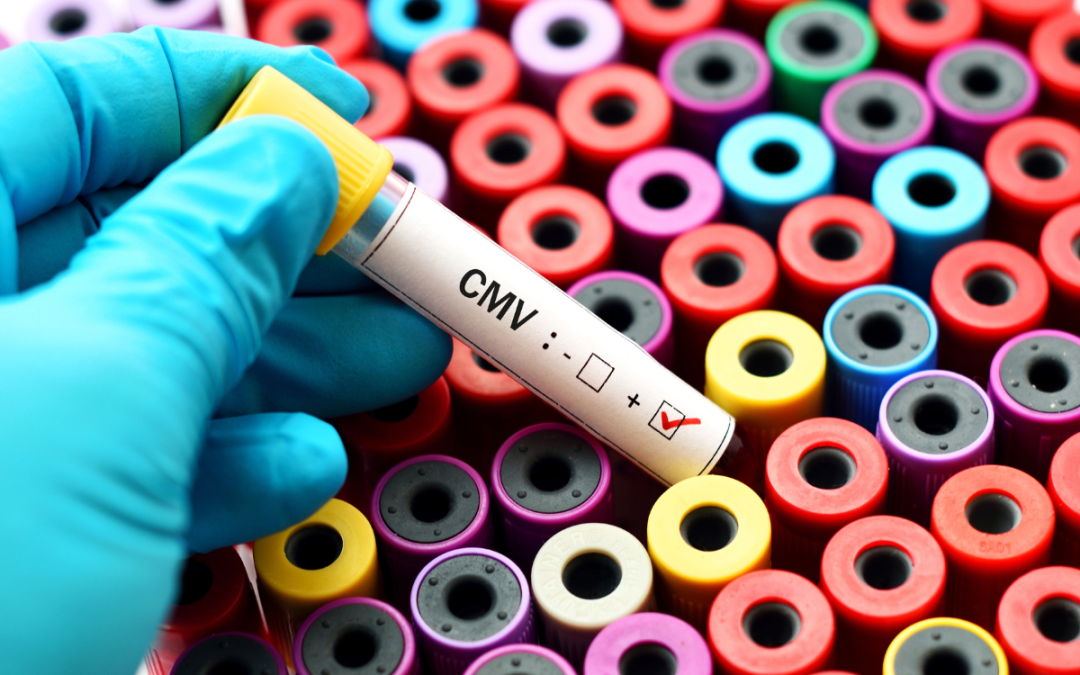
Researchers from Weill Cornell Medicine shared in February 2024 that an experimental mRNA vaccine against human cytomegalovirus (CMV) elicited “some of the most promising immune responses to date” of any CMV vaccine candidate. Their work, published in the Journal of Infectious Diseases, shows that the mRNA vaccine from Moderna could protect adults against CMV, which means it could also protect vertical transmission during pregnancy. They compared the vaccine with a “moderately successful” candidate to reveal that the mRNA vaccine was “better at preventing” the CMV virus from infecting epithelial cells and “more effective at triggering the immune system” to respond to CMV-infected cells.
A danger to newborns
The statement suggests that, although healthy adults are “largely asymptomatic”, one in every 200 newborns worldwide is infected with CMV during the mother’s pregnancy.
“The virus rarely causes serious illness in healthy adults, but it can cause birth defects and brain damage in newborns infected in utero and deadly infections in immune-compromised adults.”
Dr Sallie Permar from Weill Cornell Medicine explained that CMV is the “most common congenital infection worldwide”.
Comparing with earlier efforts
Sanofi and Novartis have previously developed vaccine candidate gB/MF59, which protected “about half of vaccinated individuals” from CMV infection in a Phase II trial led by the NIAID Vaccine Clinical Trials Network. However, after the trial concluded in 2013 it did not continue to Phase III. Dr Permar and her team were able to use the data and samples from the Phase II trial in adolescent girls as a benchmark.
Moderna’s vaccine candidate targets both the previously targeted glycoprotein B (gB) and a new target, a five-unit protein complex that allows the virus to infect the epithelial cells in the nose and mouth. In the latest study the researchers compared the immune responses of participants who had been vaccinated in the earlier trial with those vaccinated with the mRNA-based vaccine in a Phase I trial that ended in 2020.
The team believes that the addition of this second target enabled the mRNA vaccine to do a. ‘better job” of preventing infection. Dr Permar commented that the “newer vaccine has the potential to be more effective” because “some of the functional immune responses it elicits are higher in magnitude”.
“An ongoing clinical trial will confirm if those differences lead to greater protection against CMV infection.”
The vaccine has progressed to the “first ever” Phase III clinical study for a CMV vaccine candidate.
“After more than 50 years of research, we are closer than ever to having a licensed CMV vaccine. The new mRNA platform has a lot of potential.”
Dr Permar’s team has also developed a preclinical model to test the protection afforded by similar vaccines against foetal CMV transmission during pregnancy.
For more on vaccine development and progress in infection control, don’t forget to get your tickets to join us at the Congress in Washington this April or subscribe to our newsletters here.