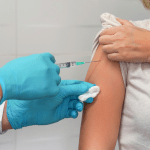
WHO Africa announced in September 2024 that more than 1,400,000 doses of human papillomavirus (HPV) vaccine have arrived in Angola as part of the national strategy for prevention and protection against cervical cancer. HPV is recognised as the “leading cause of more than 90% of cervical cancer”, but all approved vaccines are “highly efficacious” in preventing infection with virus types 16 and 18, with some conferring protection from additional types. Another batch of vaccines is expected in the coming days to bring the total number of doses to 2.2 million. This will ensure immunisation of around 2,136,000 girls between the ages of 9 and 12.
Preventing cancer
WHO Africa comments that cervical cancer is a “severe public health problem” that disproportionately affects African women; it affects five times more and kills seven times more African women than women in developed countries. WHO estimates that around 117,300 women in Africa are diagnosed with cervical cancer each year. More than 76,000 die from the disease.
Data from the Angolan Cancer Control Institute show that 915 cases of cervical cancer were treated in Angola in 2022. This number represents around 17% of all cancer cases in the country. However, the health authorities suggest that the actual incidence is higher, with cases going undetected due to “diagnostic limitations”.
Vaccination efforts
Angola is responding with urgency; the government has “boldly” acquired CECOLIN vaccines, manufactured by the INNOVAX laboratory, to reach 2,136,000 girls in a few weeks. The vaccine received WHO prequalification in 2021 for single-dose administration; it is considered “highly effective and safe”. More than 50 million doses have already been administered worldwide.
Alongside these vaccines, the government and partners are working to “consolidate other aspects” of the campaign, including planning and financing, training health workers, and engaging communities. The operation requires an estimated budget of US$20,926,809 and will involve vaccination in two phases at schools and communities.
Angola’s Minister of Health Dr Silvia Lutucuta stated that the vaccination campaign “represents a commitment by the Angolan Executive to protect the health and future of our girls”. The strategy is in line with the Global Strategy, contributing to a “healthier and more economically sustainable population”.
“This is a unique opportunity to protect future generations from a devastating disease. Let’s join forces and ensure that all girls in Angola, regardless of where they live, receive this life-saving vaccine.”
Acting WHO Representative in Angola, Dr Zabulon Yoti, recognised the “significant step” taken by the government to ensure that “Angolan girls grow up in a world where cervical cancer is a preventable disease, not a death sentence”.
“Now is the time to unite and support the initiatives underway to vaccinate our girls, drastically reduce the incidence of cervical cancer, and build a healthier future for the Angolan population.”
Antero Pina, UNICEF Representative in Angola, described the introduction of the vaccine as “another opportunity to transform the lives of adolescent girls”.
“This measure goes beyond the prevention of cervical cancer as it can promote other critical sexual and reproductive health interventions, thus making a further contribution to promoting and protecting the well-being of girls in Angola.”
Sustainable Development Goals
UN Development Programme Resident Representative in Angola, Dr Denise António, acknowledged funding from the European Investment Bank (EIB) and the government’s commitment to preventing cervical cancer. This is a “significant” milestone in national population health goals and the Sustainable Development Goals.
“By vaccinating these girls, we are safeguarding their future and contributing to the Sustainable Development Goals (SDGs). This milestone symbolises the strength of our joint commitment. It reflects the alignment of interests between the main partners involved, contributing to Angola’s National Development Plan 2023-2027 objectives and the 2030 Agenda.”
For the latest on vaccination strategies to protect populations around the globe, get your tickets to join us at the Congress in Barcelona next month and don’t forget to subscribe to our weekly newsletters here.