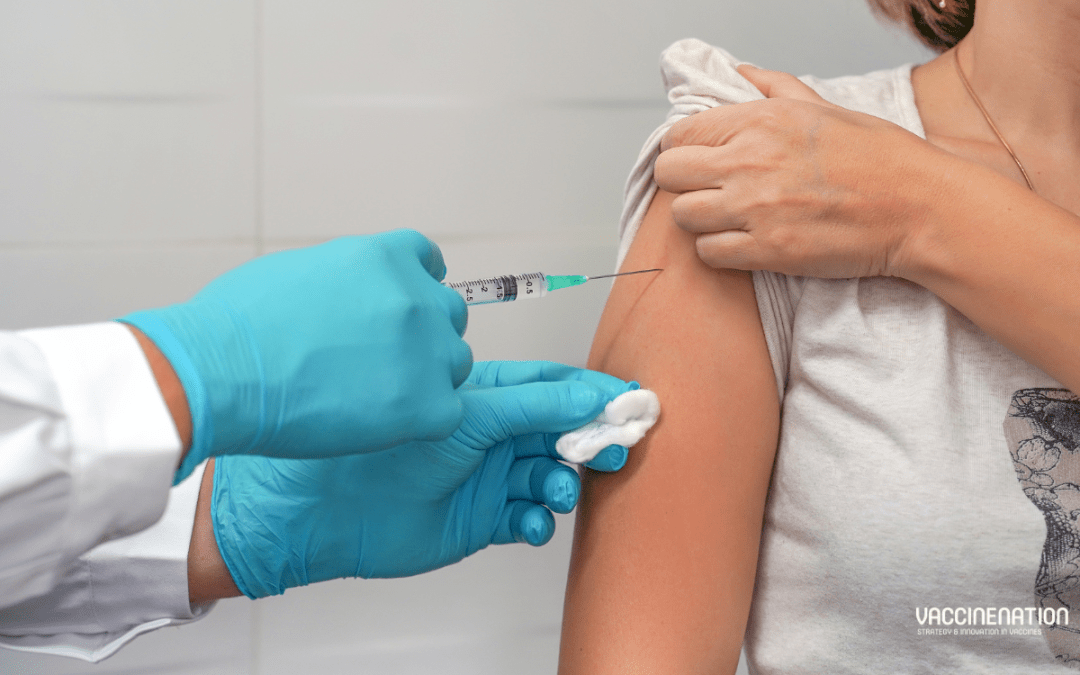
A study in The Lancet Public Health by researchers at Karolinska Institutet finds “disparities’ in cervical cancer prevention among girls with mental health conditions in Sweden. The authors call for research to ensure equitable protection after their population-based cohort study found that uptake of the first human papillomavirus (HPV) vaccine dose was “lower among girls with versus without any mental health condition”. HPV vaccination is critical to WHO’s global goal of eliminating cervical cancer as a public health problem, with an aim 90% of girls vaccinated against HPV by the age of 15.
Uptake concerns
Cervical cancer is the “fourth most common” cancer among women worldwide, and women with mental illness or neurodevelopmental conditions have a “higher risk of invasive cervical cancer and lower cervical screening participation rate”. They also face “worse cervical cancer-specific survival”. Opportunistic HPV vaccination for girls began in Sweden in 2006; a nationwide school-based programme was initiated in 2012, bringing free vaccination to all girls in school grades 5-6 (ages 10-13 years). Coverage reached 91% in 2023.
Mental illness or neurodevelopmental conditions have been linked to reduced uptake of “various” vaccines. Although there are “multifactorial” and varied reasons for this, potential barriers include:
- Lower engagement in preventive behaviours
- Psychological factors resulting in challenges with assess the benefits versus harms of vaccination
- Absence of specialist knowledge among vaccination providers
The study
The authors aimed to explore a potential link between mental illness and neurodevelopmental conditions in girls and their parents and uptake of HPV vaccination in the Swedish school-based HPV vaccination programme. They conducted a population-based cohort study, identifying all girls born between 1st January 2002 and 1st March 2004.
Psychiatric disorders (mental illness) and neurodevelopmental conditions were included in the definition of mental health conditions, which were defined using specialist diagnoses from inpatient and outpatient hospital visits reported in the Swedish National Patient Register (NPR). Mental health conditions were also categorised by severity and treatment status:
- No specialist diagnosis of mental health condition or prescribed use of psychotropic medication
- Medication use but no diagnosis
- Diagnosis but no medication use
- Diagnosis and medication use
Parental mental health conditions were also defined according to this framework. HPV vaccination was defined through the Swedish HPV Vaccination Register (SVEVAC), the National Vaccination Register (NVR), and the Prescribed Drug Register (PDR).
131,869 girls were identified with the Swedish Total Population Register. Those who emigrated from Sweden (4,610), died before the 15th birthday (498), immigrated to Sweden after the 10th birthday (11,626), or received an HPV vaccine before the 10th birthday (31) were excluded. Therefore, the study population was 115,104 girls. Information was available for 110,055 mothers and 107,862 fathers. 2,211 girls had a specialist diagnosis of any mental health condition and 21,185 were exposed to any parental mental health condition diagnosis.
Uptake of the first dose of the HPV vaccine was 80.7%. First dose vaccine uptake was lower among girls with a specialist diagnosis of any mental condition, compared to girls without. Similar findings were identified across mental health conditions, except for stress-related disorders.
“The diagnoses of autism or intellectual disability were most strongly associated with lower first dose HPV vaccine uptake.”
First dose uptake was also lower among girls with prescribed use of any psychotropic medication; this was most strongly observed for antipsychotics. First dose vaccine uptake was “similar” for girls with and without exposure to parental mental health condition diagnosis, but “small differences” were observed according to whether the diagnoses were present in only the mother, only the father, or in both parents.
Although the association of any mental health condition or prescribed psychotropic medication use with first dose uptake was “similar” across sociodemographic variables and parental mental health condition variables, the association varied across paediatric comorbidity index (PCI) scores.
“Post-hoc analyses showed that girls with a psychiatric and neurodevelopmental condition had lower vaccine uptake than those with none of these conditions, and those with intellectual disability and autism had the lowest uptake.”
92,912 girls who received the first vaccine dose were eligible for analysis of second dose uptake. Of these, 1,576 had a specialist diagnosis of any mental health condition. Uptake of the second HPV vaccine dose was 95.0%; 1,468 girls had a specialist diagnosis of any mental health condition and 86,840 did not. Second dose uptake was similar between girls with exposure to parental mental health condition diagnosis and those without.
Conclusions and comments
The study develops previous research to reveal that the “presence of neurodevelopmental conditions and psychiatric disorders or multiple neurodevelopmental conditions” is associated with “particularly low vaccine uptake”. However, it doesn’t show a strong association between mental health conditions and the uptake of a second HPV vaccine dose. The authors infer that the “main barriers” to HPV vaccination faced by those with mental health conditions are experienced at “vaccine initiation” and could “diminish” after receipt of the first dose.
“Research into the potential barriers for vaccination among individuals with mental health conditions, especially young people, is scarce. However, lower access to, or engagement with, preventive health care, including vaccination opportunities, due to more frequent absence from school among girls with mental health conditions is likely to play a part.”
The researchers conclude that future research should strive to facilitate “equitable protection”. Dr Kejia Hu from the Institute of Environmental Medicine emphasises the need for “targeted interventions” to achieve “equitable healthcare for all children”.
“All girls should have equal access to life-saving vaccines regardless of their mental health status.”
Dr Karin Sundström of the Centre for Cervical Cancer Elimination at the Department of Clinical Science, Intervention, and Technology, looks forward to future studies to address the inequalities.
“More research is needed to find out the underlying reasons why fewer girls with mental illness or neuropsychiatric conditions are vaccinated against HPV so that we can tackle this challenge.”
We will consider barriers to uptake of various vaccine programmes at the Congress in Barcelona this October so do get your tickets to join these discussions and don’t forget to subscribe to our weekly newsletters here.