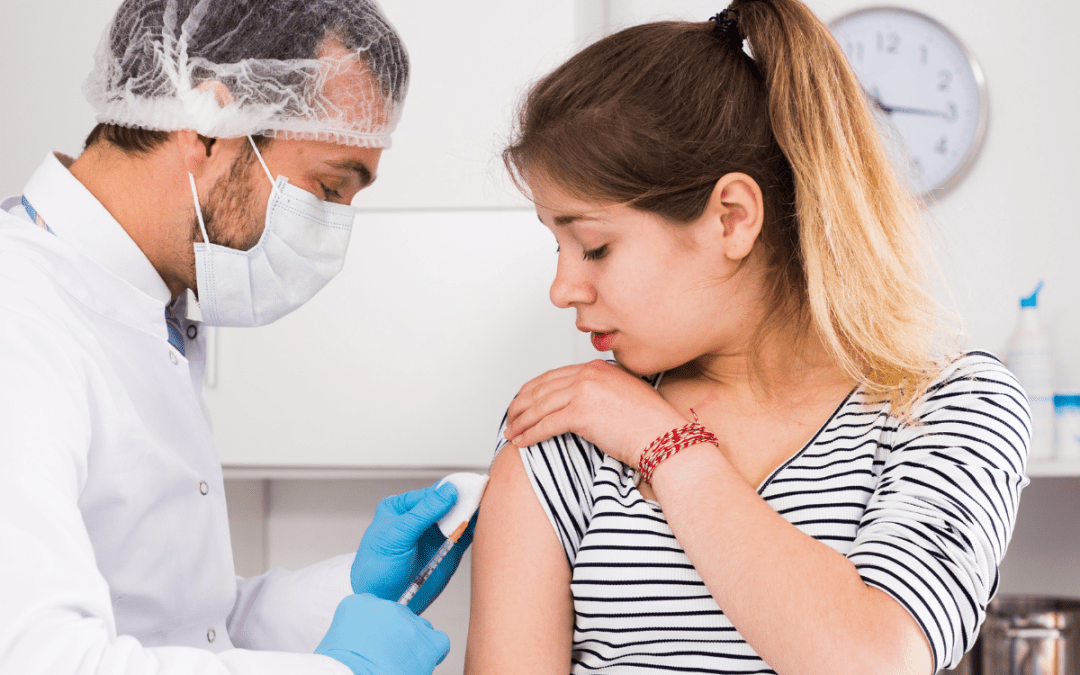
Public Health Scotland (PHS) announced in January 2024 that a study in collaboration with the Universities of Strathclyde and Edinburgh reveals that no cervical cancer cases were detected in fully vaccinated women after the introduction of the human papillomavirus (HPV) immunisation programme to 12–13-year-olds in Scotland in 2008. The study concludes that the HPV vaccine is highly effective in preventing the development of cervical cancer.
Commenting on the study, Dr Kirsty Roy, Consultant in Health Protection, PHS, and co-author, said that it involved “every woman in Scotland who is eligible for the cervical cancer screening programme”. Therefore, it “demonstrates the impact of the HPV vaccine in preventing cervical cancer”.
“It shows how effective the HPV vaccine is as there have been no cervical cancer cases to date in fully vaccinated women who were given their first dose at age 12-13 years. Vaccination against HPV is shown to be effective in preventing cervical cancer, and along with regular screening for early detection and treatment, it is possible to make cervical cancer a rare disease.”
HPV immunisation in Scotland
The HPV vaccine is offered as a routine immunisation through school-based programmes to “all S1 pupils” in Scotland. It helps to protect students from HPV-related cancers later in life. HPV, a common virus that is “usually spread through sexual contact”, is responsible for “almost all” cases of cervical cancer.
PHS reports that this year’s HPV immunisation programme is “already underway”, with most schools having already sent home consent forms. The organisation encourages young people to talk to parents or carers about the vaccine and return forms within the deadline.
Dr Claire Cameron, Consultant in Health Protection, PHS, encouraged all S1 pupils to “take up the offer of the free HPV vaccine” when it comes, to “protect themselves against future risks”.
“PHS is working closely with Scottish Government and local health boards to ensure the continued uptake of the key cervical cancer prevention measures – the HPV vaccine and routine screening.”
Routine screening encouraged
Clinical Advisor for Screening at National Screening Oversight (NSO), Dr Tasmin Sommerfield, emphasised that “while the HPV vaccine protects against a lot of the different types of HPV virus that cause cancer”, it “can’t protect against them all”.
“It’s still important that you go for regular cervical screening. Screening can find changes in the cells in your cervix even if you feel healthy and have no symptoms. If these are found at an early stage, they are much easier to treat.”
Dr Sommerfield urged “everyone” to go to their offered appointments. Minister for Public Health, Jenni Minto, welcomed the findings of the report.
“The HPV vaccine programme is having a huge impact on preventing these cancers for those who have been vaccinated. Vaccination and screening remain the most effective ways of preventing and detecting cervical cancer and I would encourage those eligible to come forward to have the vaccine or attend screening appointments.”
For more on the benefits of vaccination at every stage of life do join us at the Congress in Washington this April or subscribe to our newsletters here.