
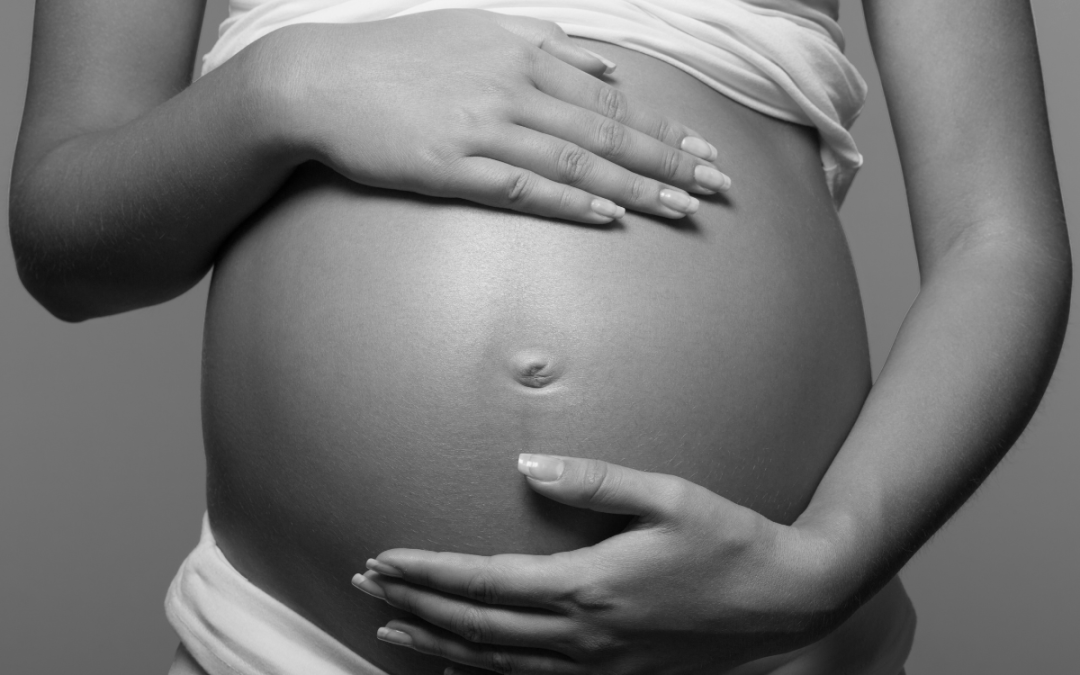
In February 2024 Karolinska Institutet announced that the results of a study in JAMA reveal that COVID-19 vaccination during pregnancy did not increase risk for babies, and “for some serious neonatal complications” lowered risks. The paper emphasises the importance of understanding neonatal adverse events after COVID-19 vaccination during pregnancy to “help address concerns about vaccine safety”. Therefore, a collaboration between teams in Sweden and Norway investigated the effects of any mRNA vaccine against COVID-19 on infants whose mothers received it.
Assessing vaccination risk
The authors recognise that vaccination during pregnancy has been associated with “reduced rates of COVID-19 in pregnant individuals and their newborn infants”, which has led different authorities to recommend vaccination during pregnancy. However, the balance between benefits and risks of COVID-19 vaccination during pregnancy “may be more nuanced” for newborn infants than the vaccinated person. Indeed, “concerns about potential adverse foetal and neonatal effects” have influenced vaccination rates in pregnant individuals.
“Vaccination has not been associated with adverse pregnancy outcomes or higher admission rates to neonatal care, but information on neonatal outcomes is limited.”
This study, a large population-based cohort study, sought to perform a “comprehensive assessment of neonatal safety” for mRNA COVID-19 vaccines. To address “unease” about potential neonatal brain lesions associated with COVID-19 vaccination, priority was given to exploring neonatal cerebrovascular outcomes.
What did the study find?
Of 196,470 newborn infants included, 94,303 (48%) were exposed to COVID-19 vaccination during pregnancy. There was “no evidence” of increases in neonatal adverse events for these infants. In fact, exposure to COVID-19 vaccination during pregnancy was associated with reduced rates of nontraumatic intracranial haemorrhage, hypoxic-ischemic encephalopathy, and neonatal mortality. Although the observed reduction in risk could reflect “residual confounding”, the authors assume that the results will offer “reassurance” to public health authorities, clinicians, pregnant people, and their families.
“The results of the current study were overall reassuring, with no indication of increased risks for cerebrovascular conditions in newborn infants after COVID-19 vaccination in pregnancy with mRNA vaccines.”
Furthermore, previous research was corroborated by the present data, which do not suggest an increased risk of hypoxic-ischemic encephalopathy. Other concerns include pericarditis or myocarditis as a potential adverse effect of mRNA COVID-19 vaccination in young people, particularly boys.
“Reassuringly and irrespective of mRNA vaccine manufacturer or trimester of administration, there were no cases neonatal myocarditis among infants after maternal vaccination during pregnancy.”
There were also “no indications of an increased risk for other inflammatory neonatal diseases”. The authors highlight that the prepandemic neonatal mortality in 2019 in Sweden and Norway was 1.3 and 1.2/1000, respectively. A higher neonatal mortality (2.0 and 1.6/1000) was observed in pregnant individuals who were not vaccinated during pregnancy. This “may reflect a higher likelihood” of “unfavourable risk” factors associated with “lower socioeconomic status and poorer living conditions than the general pregnant population”.
“It is unlikely that mRNA COVID-19 vaccination during pregnancy directly reduces neonatal mortality, although others have suggested that such a protective effect is biologically plausible.”
Professor of Paediatrics and Neonatology at the Department of Clinical Science, Intervention and Technology, Karolinska Institutet, Mikael Norman, emphasises that previous research revealed that “the vaccine does not cross the placenta” and “cannot be found in umbilical cord blood”. He recognised that “COVID-19 is still present” and is likely to be around for “a long time”.
“It is therefore very important for the one hundred thousand women who become pregnant every year in Sweden, and the 130 million in the world, to know that vaccination with mRNA-vaccines against COVID-19 is safe for their babies. We found no increased risks; if anything, infants vaccinated women had lower risks for some severe outcomes.”
We’re looking forward to exploring the risks, benefits, and challenges of COVID-19 vaccines at the Congress in Washington this April. To join us, get your tickets today and don’t forget to subscribe for more insights!


