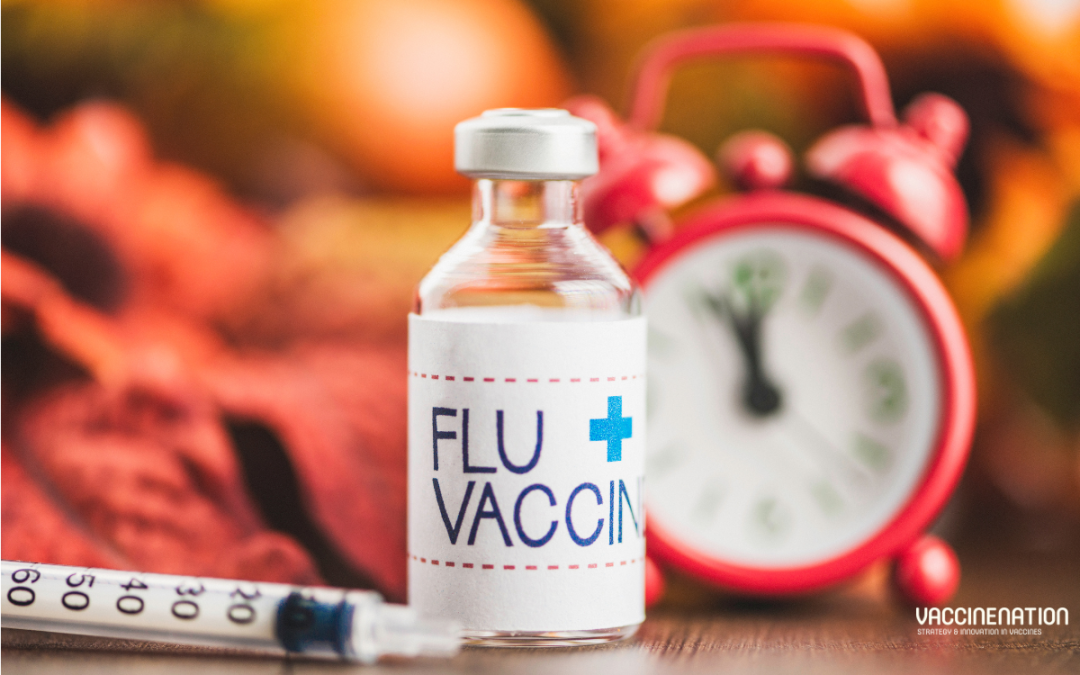
In response to recent data on influenza-associated deaths in the United Kingdom and United States, experts from the UKHSA and the CDC are urging everyone who is eligible for a flu vaccine to get vaccinated. A survey from the National Foundation for Infectious Diseases (NFID) suggests that few adults in the United States intend to get vaccinated against flu, COVID-19, respiratory syncytial virus (RSV) or pneumococcal disease, expressing concerns about side effects and a “general distrust” of vaccines. A decrease in uptake has also been observed in the UK, a source of “real concern” for UKHSA.
NFID’s study
The National Foundation for Infectious Diseases (NFID) commissioned an annual survey of US adults to “better understand current attitudes and behaviours” about infectious diseases like influenza (flu) and COVID-19. The study was conducted in August 2024 and included 1,160 complete responses from adults aged 18 and over. The study found that, although 67% agreed that an annual flu vaccination is the “most effective” way of preventing flu-related hospitalisations and deaths, 45% did not plan to or were unsure if they would get vaccinated this season. Only 38% indicated intention to get a flu vaccine this year.
When asked about attitudes towards each disease, “less than 1 in 5” were concerned about themselves or someone in their family getting infected this season:
- RSV – 16%
- Flu – 17%
- Pneumococcal disease – 17%
- COVID-19 – 20%
The survey explored the “top reasons” for people who will or might get a flu vaccine to get vaccinated against flu, including:
- To protect yourself – 76%
- To protect your family – 65%
- To avoid severe complications, including hospitalisation and death – 51%
- To avoid getting sick and missing work or school – 51%
Nearly half (49%) of participants who are at higher risk for flu-related complications cited their chronic health condition as a reason to get vaccinated against flu. Almost 3 out of 4 (72%) of adults who were diagnosed with flu in the last 2 years were likely to get a flu vaccine.
Mistrust and confusion
The top reasons cited for not getting vaccinated included concerns about side effects and a lack of trust in vaccines. While 75% of respondents trust doctors, nurses, and pharmacists for information about vaccines, only 55% trust the CDC and 51% trust state and local health departments.
“Healthcare professionals remain the most trusted source of information about vaccines and play a critical role in protecting public health by providing clear, consistent, and strong vaccine recommendations.”
Data are concerning
At a press conference in September 2024, CDC Director Dr Mandy Cohen stated that in the previous flu season, “an estimated 25,000 people in the US died from flu or related complications”.
“We can protect ourselves and those we care about by getting updated vaccines to reduce the risk of serious illness from flu and COVID-19 and do more of the things we enjoy.”
CDC data indicate that the 2023-2024 flu season in the US was “moderately severe”, causing around 41 million illnesses, 490,000 hospitalisations, and 25,000 flu-related deaths. 199 children died due to flu-related illness, which matches the previous high from 2019-2020. Also at the press conference, Dr Robert H. Hopkins, Jr., NFID Medical Director, described vaccines as a “shield against illness” and an “important tool in our public health efforts”.
“The low vaccination rates among persons with chronic health conditions are of particular concern because they are more likely to develop serious and even life-threatening complications from respiratory infections.”
Dr Hopkins encouraged “everyone at increased risk” to speak to a healthcare professional about vaccination.
“Vaccines save lives, and we all play an important role in helping protect ourselves, our loved ones, and our communities from preventable infectious diseases.”
Dr Reed V. Tuckson, co-founder of the Black Coalition against COVID and chair of the board of the Coalition for Trust in Health & Science, emphasised the importance of building trust by “enhancing our support for people in using science and evidence to make personally appropriate decisions”.
“The pandemic taught us that it is possible to close some of the gaps in immunisation rates among communities of colour, but we still have a long way to go. In addition to evidence-based messaging, we know that guidance from familiar, trusted healthcare professionals working with minority communities is essential to building vaccine confidence.”
Similar concerns across the pond
UKHSA modelling suggests that in the 2023-2024 season, influenza-attributable mortality was around 2,776 deaths due to influenza, a significant decrease from 15,465 in the previous season. Estimates of influenza vaccine effectiveness (VE) against laboratory confirmed influenza in primary care ranged between 46% and 54%. Effectiveness against hospitalisation ranged from 30% in individuals aged 65 and above to 74% in children between 2 and 17 years. However, uptake was low in people with long-term health conditions (41%), 2- and 3-year-olds (44%), and pregnant women (1 in 3).
“Across eligible groups, influenza vaccine uptake in the UK was generally lower in the 2023 to 2024 season compared to the 2022 to 2023 season.”
The decrease from 2022-2023 to 2023-2024 is broken down into various risk categories:
- Aged 65 years and over: 77.8% compared with 79.9%
- Aged 6 months to under 65 years with one or more long-term health conditions: 41.4% compared with 49.1%
- Pregnant women: 32.1% compared with 35%
There was an increase observed in the 2- and 3-year-olds group, from 43.7% to 44.4%.
Get Winter Strong
A scaled-up Get Winter Strong campaign, the result of a collaboration between UKHSA, the Department for Health and Social Care, and NHS England, is set to launch on 7th October to “help reduce the impact of winter viruses on those most at risk” and ease NHS “winter pressures”. The campaign will urge people who are eligible to get their flu and COVID-19 vaccines when invited, and (for the first time) will encourage pregnant women to get RSV and whooping cough vaccination. The maternal RSV vaccine provides “strong protection” for newborns in their first few months of life, when they are at the greatest risk of severe illness from RSV.
Dr Gayatri Amirthalingam, UKHSA Deputy Director of Immunisation, emphasised that “getting vaccinated ahead of winter is by far your best defence” against the “many dangerous viruses circulating in our communities”.
“If you’re pregnant or have certain long-term health conditions, you are at greater risk of getting seriously ill. Older people and young infants with flu are also much more likely to get hospitalised. So, if you or your child are offered the flu, COVID-19, or RSV vaccines, don’t delay in getting them. Please speak to your nurse or doctor if you have any concerns.”
Maryam Sheiakh from Manchester is quoted by UKHSA reflecting on her experience with her daughter’s flu infection. Saffy, aged 4 at the time of infection, spent a week in hospital and was transferred to a High Dependency Unit. Luckily, Saffy made a full recovery, and Maryam encouraged parents to ensure that their children get vaccinated.
“Just go and get it, don’t take the risk. No parent wants to watch their child suffer like we did with Saffy.”
The Get Winter Strong campaign will last 10 weeks, appearing on television, radio, poster sites, and social media channels. What efforts are your national health agencies making to encourage vaccination ahead of the flu season, or how are they communicating the risks of infection and benefits of vaccination?
To discuss flu vaccine development and strategies with your colleagues at the Congress in Barcelona next month, get your tickets here, and don’t forget to subscribe to our weekly newsletters for the latest vaccine news.