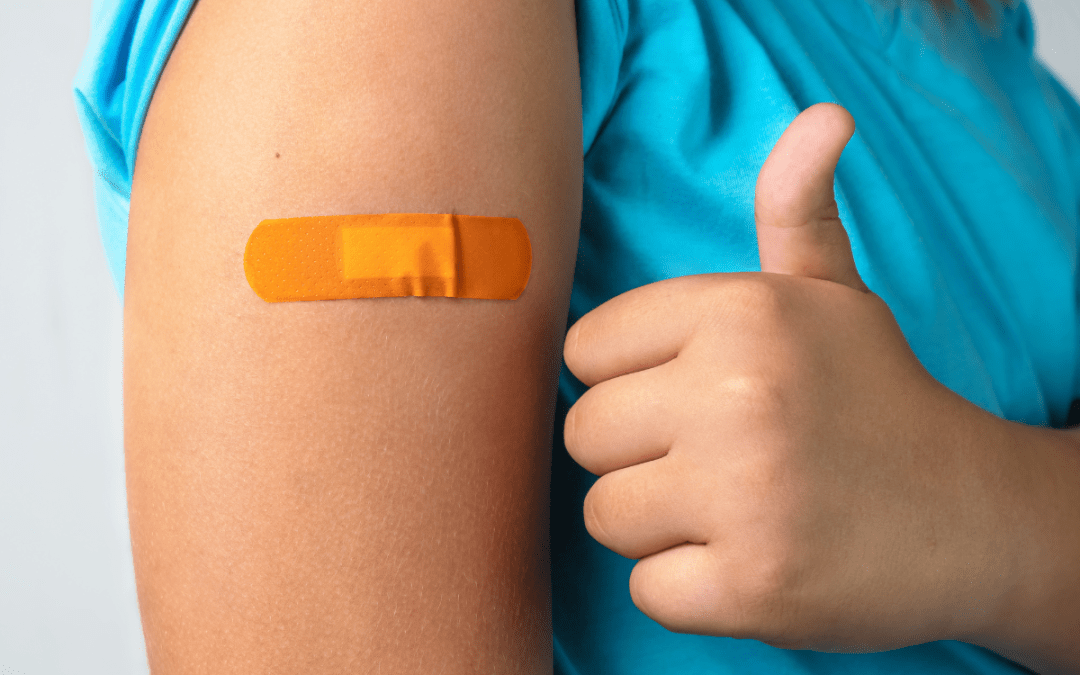
From 21st to 27th April 2024 the European Region celebrates European Immunisation Awareness Week (EIW) with a range of events and initiatives to raise awareness of the importance of immunisation in public health. Additionally, this year’s EIW coincides with the 50th anniversary of the Expanded Programme on Immunisation (EPI). Therefore, the campaign will “celebrate the remarkable achievements of the EPI over the past 5 decades” as well as emphasising the “urgent need” to achieve “high and equitable” coverage in every community.
What is EPI?
The EPI was launched by WHO in 1974 as an initiative to ensure equitable access to life-saving vaccines for every child, regardless of geographic location or socioeconomic status.
“Over the past five decades, EPI has evolved and achieved remarkable milestones that reshaped the global health landscape.”
The launch of EPI used the momentum of the smallpox eradication effort to encourage universal access to vaccines for children. WHO comments that now, every country has a national immunisation programme, and vaccines are “universally recognised” as among the best public health interventions to prevent fatalities and enhance the quality of life.
A European Initiative
In April 2024 WHO European Region announced that it has “joined forces” with the European Union (EU) in a “groundbreaking” project worth €3 million. This project aims to achieve and sustain high and equitable immunisation coverage in both EU and non-EU countries associated with the EU4Health programme. It focuses on improving coverage among “vulnerable population groups, with special emphasis on Roma communities”. These communities are “often disproportionately affected” by vaccine-preventable diseases.
One aspect of the project involves supporting the ministries of health in countries with a large Roma population to “develop, strengthen, and scale up tailored immunisation service delivery”. Not only does this offer access to health protection from vaccines, but also strengthens regional health security.
The project will facilitate:
- The collection of high-quality subnational vaccination data
- The monitoring and analysis of the reasons behind suboptimal immunisation coverage with vaccines in the national immunisation schedule
- The development of context-specific, impactful solutions
Furthermore, lessons taken from developing and implementing these tailored interventions in specific countries will be shared and contribute to increasing immunisation equity across the Region. This project will allow the development of an immunisation data dashboard in line with the monitoring and evaluation framework of the European Immunisation Agenda 2030 (EIA2030).
For the latest on initiatives and collaborations to bring vaccines to people who need them, why not subscribe to our weekly newsletters here?