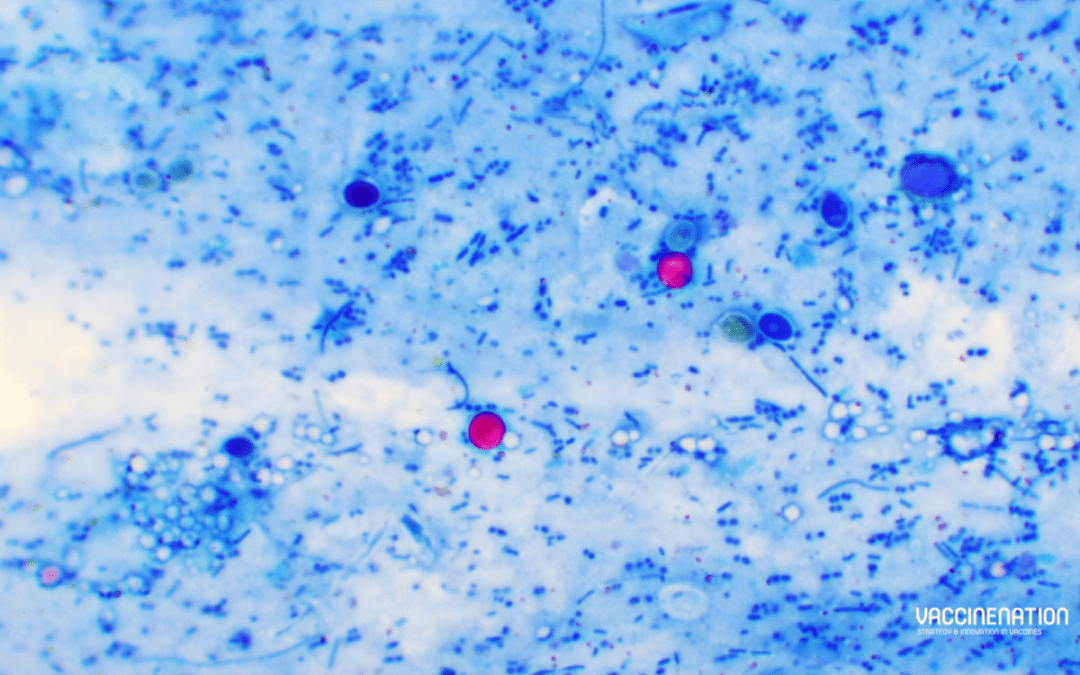
The UKHSA shared guidance and information on cryptosporidium in May 2024 following South West Water’s acknowledgement that “small traces” of the parasite were identified in Brixham, south Devon. The water company is investigating the source of the outbreak, with 46 cases of cryptosporidiosis already confirmed. The company issued a boil water notice to residents as 46 confirmed cases were reported and over 100 people contacted their GPs about symptoms. The “microscopic” parasite causes cryptosporidiosis, which is “unpleasant” and “sometimes dangerous”.
What is cryptosporidium?
Cryptosporidium is a “nasty bug” that resides in the intestines of infected humans and animals. It is passed out in poo, when it can spread and contaminate water sources and food. It causes cryptosporidiosis, which is particularly common in young children, people who work with farm animals and contaminated waters, people changing nappies, and those who travel to countries with “poor sanitation”. It can cause “serious illness” in people with weakened immune systems.
Symptoms are “deeply unpleasant”, including severe watery diarrhoea, vomiting, stomach cramps, nausea, fever, or loss of appetite. It can last around 2 weeks. Prevention relies on “simple hygiene” steps, as there is no vaccine:
“The development of partial immunity after exposure suggests the possibility of a successful and effective vaccine, but protective surrogates are not precise.”
There is also no treatment, but rehydration is recommended after diarrhoea.
Outbreak in Devon
In May 2024 the BBC reported that South West Water (SWW) had suggested that a “faulty valve” may have created a route for the parasite into the water network. Laura Flowerdew, chief customer officer emphasised that the team is “doing further work to make sure we’re absolutely confident that’s the cause and the only cause”.
“We’re working through operational procedures in the meantime…public health is our absolute priority at this point.”
However, Anthony Mangall, MP for Totnes and South Devon, was “very concerned” with the response to the outbreak, suggesting that they had been “slow to act” and displayed “poor” communication with customers.
Expert opinion
Professor Paul Hunter from the University of East Anglia (UEA) commented that “in people with severely weakened immune systems it can cause severe disease and can even be fatal”. He suggested that “before effective antiretroviral treatments” for HIV/AIDS, cryptosporidium could be “fatal as recovery didn’t happen”.
“With effective control of AIDS nowadays we see far less severe cryptosporidiosis. There is no effective drug treatment for cryptosporidiosis and all we can do is keep people comfortable and replace fluids until recovery happens.”
Professor Hunter believes that there are “far fewer outbreaks now” than in the 1990s when he was “more involved” thanks to “improvements in treatment plants”. However, without regular summaries from UKHSA it is hard to know how many outbreaks have occurred.
For more on infectious disease outbreaks and control, why not subscribe to our weekly newsletters here?