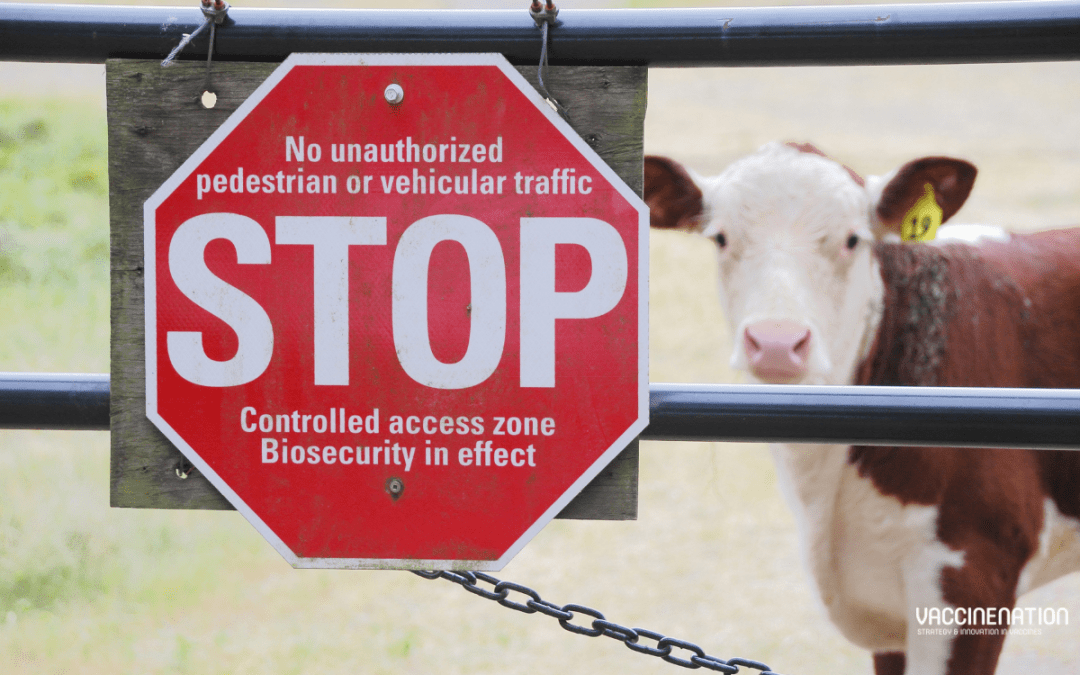
Thought leader: CEPI steps up with new Biosecurity Strategy
At the United Nations General Assembly High-Level Week in September 2024, CEPI launched a new Biosecurity Strategy to bolster global health security and emphasise its commitment to addressing emerging epidemic threats. The strategy draws on the latest technologies and encourages international collaboration to mitigate the risks presented by emerging pathogens. This is a “significant step” in the “evolution” of CEPI, positioning it as a “though leader in the rapidly developing fields of biosafety and biosecurity”. Chair of CEPI’s Board, Professor Jane Halton, positioned the 100 Days Mission at the centre of this strategy and highlighted the significance of “security and equity” in this effort.
“To underpin that strategy, and to ensure the world can achieve the 100 Days Mission goal safely and securely, we need a robust, collaborative approach to maximising the benefits of new technologies and reducing their potential threats to human health.”
Remaining vigilant and stepping up
Dr Richard Hatchett, CEO of CEPI, writes in the foreword of the importance of remaining “vigilant” and being able to respond quickly to infectious disease outbreaks in an era of “heightened epidemic and pandemic risk”. He reflects that COVID-19 demonstrated the “devastating global consequences” of a pandemic and, through the “persistent controversy” over the origins of the pandemic, heightened awareness of the risk of accidental release and deliberate misuse of science.
“Most risk created by advances in the biological sciences derives from the fungibility of the tools designed to solve specific problems. The tools that will solve a pressing problem are empowering – but there is no intrinsic limit to their application.”
Dr Hatchett acknowledges the problem of “dual use” in the way that biologists tackle problems. However, he warns against imposing limits on scientists, suggesting that this could present “practical challenges” and “impede our progress towards legitimate and worthy goals”, among which is the 100 Days Mission.
“Global scientific participation is critical to the success of the 100 Days Mission and will enable vaccine research, development, and manufacturing to take place in communities that need it, led by those who will benefit from it, and informed by the priorities of the vulnerable communities that are disproportionately impacted by epidemics and pandemics.”
To address the risk of accidents or misuse, Dr Hatchett highlights the importance of mechanisms to “ensure that the highest, most current standards of biosecurity and biosafety are practiced and maintained”. CEPI’s “highly diverse” research portfolio includes more than 50 countries, each with “highly variable” oversight practices. The need for a biosecurity strategy is directed by a recognition that “as a steward of global funds, no matter where those funds are deployed, we have a critical responsibility to ensure that the research we fund does not lead to the next accident or deliberate incident”.
‘Beyond this threshold obligation, CEPI also has an opportunity to step-up as a thought leader in this emerging area.”
In developing the strategy, CEPI engaged more than 150 entities in the global health and security ecosystems in a consultative process and sought advice from a Biosecurity Strategy Group. Although technological capabilities will evolve and “boundaries blur between disciplines”, the strategy anticipates that “traditional approaches” may prove “inadequate” in the face of emerging threats. Thus, stakeholders must collaborate and develop mechanisms to encourage responsible use, supported by CEPI.
Biosafety and biosecurity
The strategy acknowledges the evolution of the terms biosafety and biosecurity, comparing the WHO (2024) definition of biosecurity with FAO’s (2007) understanding of the term. CEPI’s biosecurity and biosafety priorities must align with its mission to accelerate vaccine development towards the 100 Days Mission. The strategy outlines how an “innovative approach…frontloaded towards preparedness”, can enable the safe and secure delivery of this goal.
Top vulnerabilities
Several biosecurity and biosafety vulnerabilities are identified and considered relevant to the strategy:
- Variable biosafety and biosecurity oversight, risk identification, and management practices among life science funders for research involving high consequence pathogens, including CEPI.
- Substantial variations in biosafety and biosecurity policies, regulations, practices, and competencies where CEPI-funded research takes place, and insufficient health and security collaboration.
- The intersection between biosecurity and equity is insufficiently recognised, which threatens progress towards the 100 Days Mission and future responses to epidemic and pandemic threats.
- Emerging biotechnology and converging technologies present dynamic and evolving biosecurity risks that threaten 100 Days Mission progress.
- The world is insufficiently harnessing technological innovation to reduce safety and security vulnerabilities of the 100 Days Mission.
Focus and priorities
CEPI’s biosecurity focus is to “protect society from epidemic and pandemic threats, with an emphasis on preventing accidental and deliberate misuse of pathogens associated with CEPI-sponsored research”. The strategy therefore addresses global biosecurity vulnerabilities to accelerate current strategic goals with the following priorities:
- Strengthen biosafety and biosecurity risk identification, mitigation, and oversight by CEPI and encourage similar efforts by other life science research funders.
- Enhance global biosafety and biosecurity capabilities of CEPI partners for achieving the 100 Days Mission safely and securely and promote health-security partnerships.
- Drive biosecurity and biosafety in support of equity.
- Monitor and reduce emerging biotechnology and converging technology risks across CEPI’s vaccine research, development, and manufacturing portfolio.
- Accelerate biosafety and biosecurity innovation for vaccine research, development, and manufacturing.
More to come
An implementation plan of activities, goals, and timelines will follow the strategy. It will explore how priorities can be integrated into the wider mission and mandate in three major categories:
- Catalysing strategic partnerships and coalitions
- Advocacy and coordination
- Supporting biosafety and biosecurity capabilities development
Director General of Africa CDC, Dr Jean Kaseya, expressed enthusiasm at the strategy launch and its support of Africa CDC’s efforts.
“With a focus on laboratory systems strengthening, training and infrastructure development, and reducing risks of artificial intelligence and other innovations, the strategy is informed by vulnerabilities across a wide range of resource settings and will help galvanise global progress toward safely and securely achieving the 100 Days Mission.”
Trevor Smith, Deputy Director at Global Affairs Canada and member of the CEPI Biosecurity Strategy Group, welcomed the focus on “effective collaboration between the health and security sectors”.
“The strategy articulates an ambitious vision for reducing vulnerabilities and strengthening global health security.”
For insights from senior representatives of CEPI at the Congress in Barcelona next month, get your tickets to join us here. Don’t forget to subscribe to our weekly newsletters here.