by Charlotte Kilpatrick | Oct 23, 2024 | Technology |
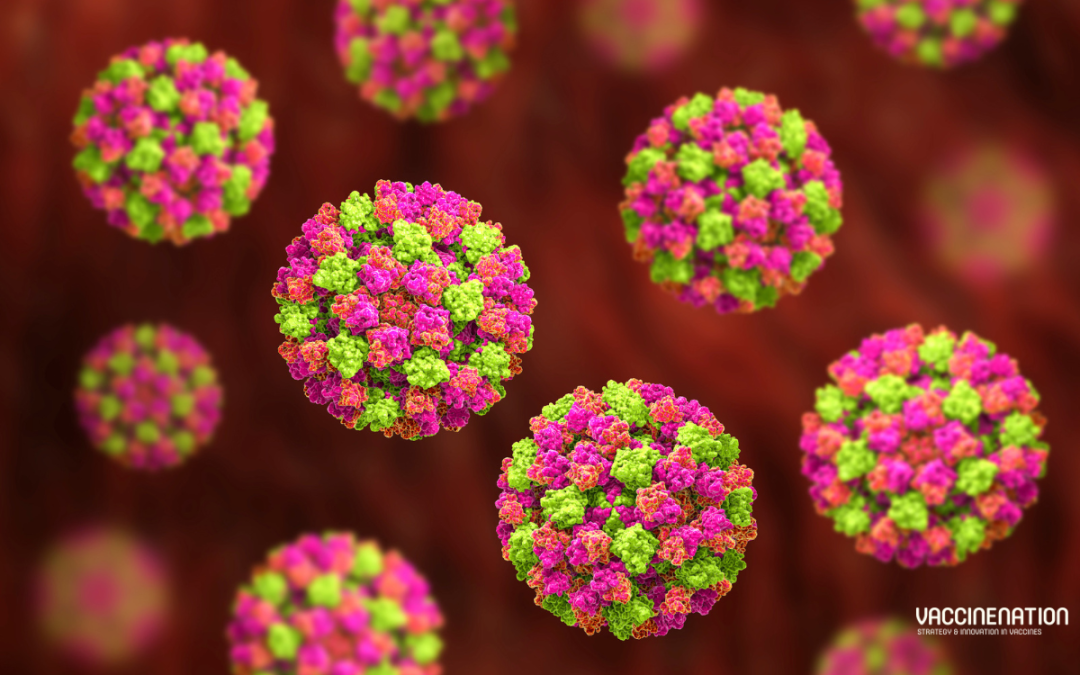
The National Institute for Health and Care Research (NIHR) announced in October 2024 that the first Phase III randomised trial of an investigational mRNA norovirus vaccine is opening across the UK. The trial seeks to evaluate the efficacy and safety of mRNA-1403 and is sponsored by Moderna. It will be conducted across 39 sites in the country, including 27 NHS primary and secondary care sites. Investigators hope to recruit 2,500 participants between late October and early 2025.
Norovirus
Norovirus, or the “winter vomiting bug”, is a viral illness; it is the “most common cause” of acute gastroenteritis globally. Symptoms include acute onset diarrhoea and vomiting, but there is evidence to suggest that norovirus infection is associated with intestinal inflammation and malnutrition and could cause long-term morbidity. WHO estimates that 685 million cases of norovirus are seen each year, including 200 million cases in children under 5.
“The burden of norovirus is significant; norovirus causes an estimated 200,000 deaths per year, including 50,000 child deaths, primarily impacting low-income countries. Norovirus has been estimated to cost $60 billion globally as a result of healthcare costs and economic losses.”
There are no licensed norovirus vaccines in use.
The trial
Participants in the trial will be randomly assigned to two groups. One group will receive the investigational vaccine, and the other groups will receive a placebo. While anyone who is aged 18 or older and meets the inclusion criteria is eligible for the trial, researchers are seeking participants aged 60 and older. This age group is “generally more likely to be severely affected by norovirus”. Thus, a successful vaccine would be of greatest benefit to them.
The trial is part of the 10-year partnership between Moderna and the UK Health Security Agency (UKHSA) on behalf of the UK Government. It is supported by the UK Vaccine Innovation Pathway (VIP) and the NIHR, which are working together to accelerate vaccine trials in the UK. The NIHR Research Delivery Network (RDN) is working with the devolved administrations to accelerate the roll-out of “key” vaccine studies. These efforts include the NIHR’s flagship recruitment tool: Be Part of Research.
Be Part of Research is an online service that connects people to health and care research across the UK. Anyone over the age of 18 can register for an account, indicating the areas of research that they are interested in. They are then sent information about suitable studies.
Advancing healthcare
The UK Chief Investigator, Dr Patrick, is a GP in Dorset and Research Director at the NIHR’s South West Regional Research Delivery Network. Dr Moore commented that the UK is “really pleased to be able to play an important role” in finding a vaccine for this “highly contagious disease”.
“Outbreaks of norovirus have huge consequences, both on our health systems and our economy. This innovative trial is crucial in helping us advance healthcare.”
NIHR Chief Executive and Chief Scientific Advisor to the Department of Health and Social Care, Professor Lucy Chappell, hopes that the vaccine could “make a difference to lives of many – especially our most vulnerable citizens”.
“Leveraging the UK’s expertise in vaccine development, the DHSC through the NIHR and Moderna are delivering this large-scale trial at pace, so that people across the UK and the world can benefit sooner.”
Health and Social Care Secretary Wes Streeting described the trial as a “huge vote of confidence in the UK’s life sciences sector”. It could also allow a “shift” away from sickness towards prevention, which would reduce pressure on the NHS and keep people healthier in the colder months. Moderna’s Chief Development Officer Dr Melanie Ivarsson is “delighted” to bring the trial to the UK.
“By advancing our investigational mRNA norovirus vaccine into a pivotal Phase III trial, we are one step closer to potentially providing a new tool to prevent infection from this highly contagious virus, which places a significant burden on health systems globally.”
Sarah Collins, Commercial Director at UKHSA, reflected that norovirus “isn’t just a nasty tummy bug – it can have serious consequences” including “disruption” to health services and education settings.
“It’s fantastic to see the first trial of its kind get underway as a result of UKHSA’s strategic 10-year partnership with Moderna, which aims to enhance investment in scientific research and vaccine development to enable a rapid response to future pandemics and other infectious diseases.”
For the latest on vaccine research, don’t forget to subscribe to our weekly newsletters here.
by Charlotte Kilpatrick | Oct 15, 2024 | Technology |
In October 2024, Panthera Biopartners announced that Parexel has confirmed its inclusion in the Parexel Site Alliance Vaccine Network. Panthera becomes the first UK public or commercial clinical trial organisation to join the global network of high performing clinical trial sites. Parexel’s Site Alliance Vaccine Network “fosters long-term collaborative relationships” with research organisations across the globe to “deliver efficiencies”. Panthera was chosen to join the Network because of “exceptional performance in recruiting patients” across “numerous” studies and an existing “strong working relationship” with Parexel.
Patient recruitment
As the “UK’s largest recruiter and runner of commercial clinical trials across its UK sites”, Panthera has recently been the top recruiter globally in four studies, the top recruiter in the UK in six studies, and achieved first patient in globally or in the UK in nine studies. The company statement acknowledges that “less than 10%” of physicians and patients participate in clinical research. Among patients who do participate, “minority groups are significantly underrepresented”.
“Research activities are often concentrated in academic institutions and investigator sites, so patients and their providers are often unaware of the work, and even if they’re interested, many lack the time and resources required to join studies.”
Site Management Organisations (SMOs) like Panthera are focussed “entirely” on recruiting patients and running clinical trials, collaborating with local GP practices and using targeted advertising and social media campaigns to ensure that “all sections of the community” can participate.
Delivering efficiencies
The Parexel Site Alliance Network engages more than 340 sites and 16,000 investigators in “long-term collaborative relationships”. It is intended to “deliver efficiencies” to patients, sites, and customers. Members partner with Parexel to improve research and patient experiences.
Chris Dodd, Chief Commercial Officer at Panthera, described the company’s selection as a “testament to the effort we have put in to ensure we meet or exceed our patient recruitment targets”.
“We are delighted to be working in partnership with such a successful organisation with such great site communications and stakeholder management. We look forward to working together to bring even more clinical research to the UK.”
Join us at the Congress in Barcelona to explore ways in which the whole vaccine value chain can contribute to greater diversity in research and improved participant experiences. Don’t forget to subscribe to our weekly newsletters here.
by Charlotte Kilpatrick | Oct 7, 2024 | Global Health |
A week after the declaration of a Marburg outbreak in Rwanda in September 2024, Sabin Vaccine Institute announced that it is providing doses of its investigational Marburg vaccine to support the outbreak response. An initial shipment of approximately 700 doses will be used in a trial involving frontline workers, including healthcare professionals, who have been the “hardest hit” by this outbreak. Sabin and the Rwanda Biomedical Centre have entered a clinical trial agreement for a Phase II rapid response open label study, which will be conducted at six trial sites in Rwanda. Sabin also plans to supply additional vaccines, pending a request from Rwandan officials and authorisation from BARDA.
Responding to the outbreak
The outbreak was declared on 27th September 2024, and by 6th October it had caused 12 deaths. Many cases are among health workers in two facilities in Kigali, but there are more cases spread across other districts. Sabin has been “working directly” with Rwandan officials and partners to support the response. There are no licensed vaccines or treatments for Marburg, but Sabin’s single-dose vaccine is in Phase II trials in Uganda and Kenya, with no safety concerns reported to date. The vaccine is based on the ChAd3 platform and results from Phase I clinical trials and nonclinical studies suggest that it is safe and elicits “rapid” and “robust” immune responses.
Commenting on the support from Sabin, Rwanda’s Minister of Health Dr Sabin Nsanzimana reflected that “in emergency situations, the success of clinical trials relies on quick, strategic global partnerships” that combine “expertise, resources, and innovation”.
“Today, a week after this Marburg outbreak was first confirmed, we are receiving doses of the Sabin Vaccine Institute’s Marburg vaccine candidate to protect our health workers and other high-risk groups, and also advance scientific tools which will ensure this virus can be effectively controlled now and in the future.”
Lightning speed
Sabin’s Chief Executive Officer Amy Finan described the team’s “lightning speed” in responding to the Rwandan government’s request for assistance, preparing shipments, finalising protocols, and securing regulatory and legal approvals.
“This swift emergency response demonstrates that a dedicated, collaborative group of individuals and organisations can achieve remarkable results when united by a common cause: to contain a lethal disease outbreak and prevent further loss of life.”
ReiThera, Sabin’s manufacturing partner, has produced the drug substance and filled and finished doses for shipment. CEO Stefano Colloca stated that the ReiThera team believes in the “transformative power of global collaboration to advance science and create lasting impact”.
“Our partnership with Sabin highlights our shared commitment to developing a life-saving vaccine against Marburg disease with a mutual goal: to save lives and ensure that even the most vulnerable communities around the world have access to vital and equitable protection.”
Sabin’s vaccine progress
Sabin plans to launch a Phase II trial of the Marburg candidate in the United States next year, as it looks forward to interim results from the trial in Uganda and Kenya. The development programme is supported by BARDA, which has committed $235 million for advancing vaccine research and development against Sudan ebolavirus and Marburg virus diseases.
To join discussions about safety and effectiveness evaluations of vaccines deployed in emergency situations, get your tickets to the Congress in Barcelona this month. Don’t forget to subscribe to our weekly newsletters for vaccine updates.
by Charlotte Kilpatrick | Oct 4, 2024 | Technology |
In September 2024, Vaxart announced the initiation of the sentinel cohort of its Phase IIb clinical trial evaluating the oral pill COVID-19 vaccine candidate in comparison with an approved mRNA vaccine. The funding is now approved for this part comprising 400 participants; 200 will receive Vaxart’s COVID-19 vaccine candidate and 200 will receive the approved mRNA vaccine comparator. The full trial will measure efficacy for symptomatic and asymptomatic disease, systemic and mucosal immune induction, and the incidence of adverse events.
Changing the vaccine landscape
Vaxart states that “for two hundred years vaccines have been administered by intramuscular injection”, offering the company’s oral pill vaccines as a way to “change everything”. The COVID-19 vaccine attacks invading pathogens at their points of entry, triggering strong IgA and T-cell responses to “repel and overwhelm” the invaders. It is designed to be stable at room temperature to allow global distribution with “wide public acceptance, minimal cost, and maximum speed”.
In trial
The Phase IIb trial has two parts and will enrol healthy adults in the United States. The first part will engage 400 participants; once an independent Data and Safety Monitoring Board (DSMB) and FDA review the data from these participants, the second part will be initiated, enrolling 10,000 participants. A goal of the trial is to enrol participants “in line with U.S. demographics”, and to include at least 25% over the age of 65.
The primary endpoint is relative efficacy of Vaxart’s candidate compared to the approved mRNA vaccine for the prevention of symptomatic disease. Primary efficacy analysis will be performed after all participants have either discontinued or completed a study visit 12 months after vaccination. Funding was granted through BARDA’s Project NextGen initiative to accelerate and streamline the development of innovative COVID-19 interventions, including vaccines.
A strong step
Dr James Cummings, Vaxart’s Chief Medical Officer, described the initiation of the sentinel cohort as a “strong step” towards the goal of “developing a vaccine that may bring us closer to a sustainable solution to the persistent threat of COVID-19″.
“We continue to progress toward our goal of conducting the Phase IIb study and look forward to the results of our mucosal technology’s first head-to-head comparison against an approved mRNA vaccine for this virus.”
We look forward to learning more about the vaccine’s progress from Dr Cummings at the Congress in Barcelona this month; if you’d like to join us there do get your tickets now. Don’t forget to subscribe to our weekly newsletters for more updates!
by Charlotte Kilpatrick | Oct 2, 2024 | Global Health |
In October 2024, CEPI announced the expansion of research into Lassa fever in West Africa in a “pioneering study” to explore the variation in disease symptoms and how this compares to other “worrisome infections” in the region. The project, led by the Nigeria Centre for Disease Control and local study sites, comes under the Enable study, created by CEPI and partners to provide a more accurate picture of the disease burden in West Africa and help inform outbreak preparedness efforts, including Lassa vaccine development. Lassa fever, a known public health burden in the region, infects “hundreds of thousands” every year. However, cases are likely underreported due to detection difficulties.
Lassa fever
Although it was described in the 1950s, the virus causing Lassa fever was only identified in 1969. It is a single-stranded RNA virus in the Arenaviridae family. The disease is a “potentially deadly haemorrhagic illness” with an estimated 1% case fatality rate. Most infections are thought to be “minimally symptomatic or asymptomatic”, which means they avoid detection. People who do experience symptoms can suffer fever, headache, and chills, and could be misdiagnosed with diseases like Ebola, dengue, or malaria.
As a WHO priority disease, Lassa fever is in “urgent need” of research and development. Understanding the disease is critical to vaccine development, which Dr Muhammad Ali Pate, Coordinating Minister of Health and Social Welfare of Nigeria, recognises.
“Lassa fever remains a public health burden in Nigeria and West Africa, but the commitment to research and innovation is yielding promising progress. The new Enable research will deepen our understanding of the virus and enhance the work being undertaken to develop the first-ever Lassa vaccine to safeguard the health of our communities.”
Dr Pate highlighted the Ministry’s commitment to collaboration to “advance these efforts and bring the suffering caused by Lassa fever to an end”.
Enable expanded
Enable was launched in 2019, and in 2021 CEPI announced funding to provide a “more accurate assessment” of the incidence of Lassa fever infections. CEPI offered US$ 10.3 million to partners in Benin, Guinea, Liberia, and Sierra Leone to participate, enrolling up to 23,000 participants to understand the “rate, location, and spread of Lassa virus across the region”. The results are also central to CEPI’s goal of producing a licensed Lassa vaccine.
The new year-long study will invite 5,000 healthy people, including children and infants, to participate at sites in Nigeria (Edo, Ondo, and Ebonyi states), Sierra Leone, and Liberia. It is intended to improve understanding on how commonly the disease occurs, how rates of infection and symptoms vary across locations, ages, sex, and exposure history, and the extent of post-infection symptoms. Scientists will also explore how often people are co-infected with Lassa fever and malaria, as co-infections may complicate the clinical course of each disease.
Vaccine goals
Dr Richard Hatchett, CEO of CEPI, explained that “incomplete detection” of cases affects both the understanding of the true incidence rate and level of response, but could also “threaten the evaluation, rollout, and acceptance of future Lassa vaccines”.
“Insights gained on the diversity of disease symptoms will enhance our understanding of Lassa fever, categorised into mild, moderate, or severe cases. This information will be crucial in guiding where and how future late-stage vaccine trials are conducted and determining priority groups for receiving the Lassa vaccine once it becomes licensed in the coming years.”
A 2024 modelling study found that around 3,300 lives could be saved over 10 years with a Lassa vaccine. It could also avert up to $128 million in societal costs. The most advanced vaccine candidate is developed by IAVI and is currently in Phase II trials in the region. Enable National Project Coordinator in Nigeria, Mrs Elsie Ilori, described the launch of the expanded study as a “key step in our ongoing efforts to understand and combat this dreadful disease”.
“Through deeper investigations into the variations of Lassa fever symptoms and their comparison to other infections within the region, we will obtain valuable insights that can improve diagnosis, boost outbreak preparedness, and inform the future vaccine development.”
Dr Jilde Idris, Director General of Nigeria Centre for Disease Control and co-chair of the Nigeria Lassa Vaccine Task Force agreed that the investigation “represents key progress in our battle against Lassa fever”.
“We are improving our capacity to identify and recognise cases while preparing for future vaccine development by examining the disease’s symptoms and its connection to other infections.”
The work is “vital for forming health practices” and “promoting” public health in the region, and Dr Idris welcomed the support of partners and local communities in “making strides towards lessening the impact of Lassa fever” and preparing for a “future that can block its life-threatening effects”.
For more on IAVI’s vaccine efforts and insights into challenge studies in West Africa, join us at the Congress in Barcelona this month for a session with Dr Marion Gruber. Don’t forget to subscribe to our weekly newsletters here for vaccine updates!
by Charlotte Kilpatrick | Sep 23, 2024 | Technology |
Vicebio announced $100 million Series B financing and the initiation of a Phase I clinical study of RSV/hMPV bivalent vaccine in September 2024. The financing is led by TCGX with investment from Goldman Sachs Alternatives, Avoro Ventures, and venBio, with participation from UniQuest and founding investor Medicxi. The funding will support and accelerate the development of vaccines based on Molecular Clamp technology, discovered at The University of Queensland.
Molecular Clamp technology
Vicebio’s next-generation vaccines for respiratory viruses are based on the proprietary Molecular Clamp technology from The University of Queensland. This technology “uniquely stabilises” viral glycoproteins in their immunogenic prefusion conformation, which is “crucial for eliciting strong protective immune responses”. The approach enables the production of “highly effective” vaccines that are easy to manufacture and can be available in ready-to-use prefilled syringes.
The technology has applications for a range of viruses, including respiratory syncytial virus (RSV), human metapneumovirus (hMPV), parainfluenza virus, influenza, and coronaviruses. This has been confirmed by “promising” preclinical and clinical studies.
Vicebio has recently initiated a Phase I clinical trial of VXB-241, a bivalent vaccine that targets both RSV and hMPV. These viruses cause a “significant burden of disease” in elderly patients and those with weakened immune systems. There is no commercially available vaccine for RSV and hMPV. The initial clinical readouts of the study are expected mid 2025.
Cutting-edge science
Dr Emmanuel Hanon, Chief Executive Officer of Vicebio, expressed enthusiasm for the latest interest.
“The support from these high-calibre investors underscores the robust data package we have generated for VXB-241, highlighting the significant potential of our proprietary Molecular Clamp technology to develop next-generation vaccines against respiratory viruses.”
Managing Partner at TCGX, Cariad Chester, emphasised TCGX’s dedication to supporting the “translation of cutting-edge science into transformative medicines”.
“We are thrilled to partner with Vicebio. This is a highly experienced team with a breakthrough technology to address a critical public health need. Vicebio has a unique capability to advance vaccine products that simultaneously provide robust immune responses against multiple respiratory pathogens.”
Cariad Chester will be included on the Vicebio Board of Directors and looks forward to working with the team to “bring these important vaccines to the market”. Dr Giovanni Mariggi, Chair of Vicebio and Partner at Medicxi, identified the “significant progress” Vicebio has made in developing the Molecular Clamp platform and advancing VXB-241 with “unmatched vaccine coverage”.
“We are pleased to welcome TCGX, Goldman Sachs, Avoro Ventures, and venBio to the syndicate to support the fight against life-threatening respiratory viral infections.”
For the latest vaccine technology insights at the Congress in Barcelona next month, get your tickets to join us here, and don’t forget to subscribe to our weekly newsletters here.
by Charlotte Kilpatrick | Jul 18, 2024 | Technology |
An article in Infection in July 2024 summarises discussions held at a VACCELERATE Consortium workshop, which explored the applicability of adaptive platform trial (APT) methodology in vaccine trials for both non-pandemic and pandemic conditions. The authors suggest that an “ever-warm” APT could be “ideally suited to improve efficiency and speed” in vaccine research. The paper is particularly pertinent as APT methodology has not yet been “widely adopted” in vaccine clinical research.
VACCELERATE and the workshop
In 2021 the VACCELERATE Consortium was established as an “integral” element of the EU’s response to the COVID-19 pandemic. Led by University Hospital Cologne, the network provides a “research infrastructure for vaccine trials” and includes 31 national partners in 18 EU Member States and 5 countries associated with the EU Horizon 2020 research programme.
Earlier this year, University Hospital Cologne organised the VACCELERATE APT Workshop as a way of “aligning” APT stakeholders. It hosted attendees from a “wide range of disciplines and backgrounds” with the aim of understanding the potential that APT has for pandemic preparedness. The resulting paper reflects “core aspects” discussions that took place, including a call for a “paradigm shift” from the “traditional” two-arm randomised clinical trial (RCT) to a “continuously learning adaptive platform trial”.
APT
Platform trials can be considered “disease focussed” and offer flexibility and the potential to “speed up” the evaluation of products through the shared use of infrastructure. Furthermore, the standardised framework of a platform trail facilitates comparisons between arms and increases statistical efficiency through shared common control data.
“In the context of vaccine development, in both an interpandemic and pandemic context, platform technology needs to be tailored to the specifics of an infectious disease affecting potentially large populations, against the background of rapid evolution of both the mutating virus and the development of natural and vaccine-induced immunity.”
The authors state that an APT framework that is tailored to the specific context of infectious disease vaccine development is “ideally suited to improve efficiency and speed” of evaluation. An APT offers the “continual ability to learn and benefit” as data emerge, but “thorough” planning is required on adaptions based on beneficial data.
“An APT builds on the well-known features of “traditional” RCTs, in particular experimentation, randomisation, and blinding. In addition, an APT offers the flexibility of adaptation rules and the integration of information from other relevant data sources, such as sentinel surveys and other epidemiological studies.”
Various data can be integrated for “valuable enhancement” and mathematical modelling and health economics expertise will support the design, dynamic adaptation, and assessment of vaccination benefits.
Vaccine APTs should collect a “variety” of clinical endpoints and combine endpoints to “gauge efficacy”. Indeed, the choice of primary endpoint might “shift over time’. Alongside endpoints, markers should be collected for potential validation as correlates of protection, and both “classical – marginal – vaccine efficacy” and “conditional” vaccine efficacy will be relevant. Each development must take place in “continual dialogue” with regulators.
Transparency and co-creation between researchers and health authorities are emphasised. Furthermore, the authors suggest that the “complexity and flexibility” of a vaccine APT will demand “additional dedicated governing bodies”.
Pandemic and interpandemic context
“There is consensus that a vaccine APT set up in the context of pandemic preparedness should run perpetually, i.e, “ever-warm” or “warm-base” in the interpandemic interval, and have the built-in ability to pivot to pandemic mode at shortest notice.”
When not in a pandemic situation, a vaccine APT should be “constantly fed” relevant research questions to create an “uninterrupted flow of new evidence”. These will likely come from research gaps in industry trials and result in informed public health decision-making. Interpandemic vaccine APT trial activity should focus on pathogens causing acute respiratory infection (ARI), such as RSV, SARS-CoV-2, or avian influenza.
Investigations will “preferentially focus” on the most vulnerable populations, which are underrepresented in industry trials, but this does not preclude the enrolment of healthy all-comers in later trials on candidate vaccines. Approved vaccines should be investigated in vulnerable populations and research should target label extension/modification or “impactful practice change”.
“APT investigations in the interpandemic interval need to utilise a wide spectrum of clinical research activities to keep up quality at the trial sites, in terms of enrolment capacity, standards of documentation, workup of biosamples, and any related logistics.”
Key points from the workshop
The paper highlights a consensus that APT methodology can be applied to vaccine trials, supported by the existing blueprint of a large-scale vaccine APT prepared for a Marburg virus outbreak. Although APT designs are “more complex” they have the potential to “accelerate knowledge generation”. Workshop attendees agreed that, while designs may be complex, execution “must be simple and straightforward”. The authors note that workshop attendees assigned importance to the value of “soft factors” in maintaining a clinical research network, including trust and leadership.
Professor Oliver A. Cornely of the University of Cologne is coordinator of VACCELERATE and reflected that “COVID-19 made us realise how important it is to be able to react quickly to an emergency” and “adapt vaccine studies” as the situation changes.
“This can significantly speed up the time it takes to generate the data required for political decision-making. However, this requires a paradigm shift in the field of clinical vaccine research.”
Pandemic preparedness remains at the centre of many sessions on the agenda at the Congress in Barcelona this October, so do get your tickets to join these important discussions as we explore different elements of the challenge. Don’t forget to subscribe to our weekly newsletters here.
by Charlotte Kilpatrick | Jun 24, 2024 | Therapeutic |
In June 2024 Vaxxinity announced the publication of “groundbreaking exploratory data” from a Phase I clinical trial of UB-312 in patients with Parkinson’s disease (PD). UB-312 is an active immunotherapy medicine (AIM) designed to “slow or stop” the progression of Parkinson’s by “addressing the root cause”. The trial was a 44-week, randomised, placebo-controlled, double-blind, single-centre Phase I study to investigate the safety, tolerability, and immunogenicity of UB-312.
Tackling the root cause
The authors state that Parkinson’s disease (PD) is “characterised by progressive deterioration of motor, cognitive, behavioural, and autonomic function”. While mechanisms of dopaminergic cell loss are “not fully understood”, it is known that α-synuclein (αSyn) has a “central role” in neurodegeneration, and the team believes that targeting pathological, aggregation-prone forms of αSyn has potential for therapeutic approaches.
UB-312 was chosen from over 60 synthetic peptide immunogens and has already demonstrated high immunogenicity in preclinical studies across species. Antibodies induced by UB-312 selectively targeted pathological oligomeric and fibrillar αSyn forms, binding specifically to αSyn inclusions in postmortem brain sections from patients with PD. Additionally, UB-312-derived antibodies demonstrated neuroprotective effects in vitro, reduced αSyn in the brain and gut, and prevented motor function deficits in a transgenic synucleinopathy mouse model.
The study
In Part A of the study, escalating doses of UB-312 were tested against a placebo in healthy volunteers aged 4-85 years, which suggested that it was “safe and well tolerated” up to 300/300/300 μg three-dose ‘prime-boost’ regimen. Prime-boost regimens of 300/100/100 μg and 300/300/300 μg were selected based on safety and immunogenicity profile for evaluation in patients with PD. This was followed by Part B, designed to assess the safety, tolerability, and immunogenicity of the two chosen UB-312 regimens in patients with PD.
The trial in patients with PD met the primary outcomes and showed that UB-312 was “generally safe and well tolerated” and generated a time-dependent increase in anti- αSyn antibodies in both serum and cerebrospinal fluid (CSF). Vaxxinity infers from this that UB-312 can “help to eliminate the buildup of harmful, toxic forms of the protein αSyn in the brain”. Patients with detectable UB-312-induced antibodies in CSF exhibited “significant improvement in motor experiences of daily living” according to the MDS-UPDRS Part II.
Leading the charge
Lou Reese, Co-Founder and Executive Chair of Vaxxinity, suggests that the publication of the team’s data “immortalises the profound impact of UB-312, leading the charge against the very core of Parkinson’s”.
“It sparks a beacon of hope and anticipation for a future where Parkinson’s no longer determines the trajectory of lives. This is more than just a scientific breakthrough; it’s a battle cry for change, declaring that the status quo in Parkinson’s care is no longer acceptable.”
Professor Geert Jan Groeneveld, neurologist and principal investigator of the trial at the Centre for Human Drug Research in Leiden, states that UB-312 “has the potential to become an important and potent disease-modifying therapy”.
“It would be truly amazing if we could vaccinate people against Parkinson’s disease in the future!”
For weekly vaccine updates delivered to your inbox, don’t forget to subscribe to our newsletters here.
by Charlotte Kilpatrick | Jun 24, 2024 | Technology |
AstriVax announced in June 2024 that the first participants have been dosed in a Phase I clinical study to investigate the safety and efficacy of their prophylactic vaccines for yellow fever and rabies in healthy adults. The first-in-human clinical study is called SAFYR and will be conducted at two Belgium-based, world-class vaccine clinical trial sites, enrolling around 100 adults between the ages of 18 and 40.
An innovative platform
AstriVax’s PLLAV (Plasmid-Launched Live Attenuated Virus) technology is “easy to produce” with “limited cold chain requirements” and is “expected to trigger a strong and lasting immune response”. The company has a “rich” pipeline targeting viral infections. Dr Mathieu Peeters, Chief Development Officer at AstriVax, looks forward to the opportunity to evaluate the “cutting-edge technology in a clinical proof-of-concept study”.
“We use plasmids that deliver live-attenuated virus vectors along with the target viral antigen. This self-amplifying mechanism is designed to elicit strong and long-lasting immune responses with only microdoses.”
Dr Hanne Callewaert, CEO and co-founder of AstriVax, reflected on the “journey” that began “less than two years ago” with “solid, academically developed technology and a €30 million seed round”.
“In May 2023, we were awarded a grant from Flanders Innovation & Entrepreneurship (VLAIO) to further advance our technology. I am deeply grateful to my exceptional team for shaping the company into what it is today, and I look forward to continuing our journey towards better global health together. We anticipate our chronic hepatitis B immunotherapeutic will enter the clinical phase in 2025, marking yet another significant milestone for AstriVax.”
To hear the latest in vaccine design and development at The World Vaccine Congress in Barcelona this October, get your tickets to join us here. Don’t forget to subscribe for weekly vaccine updates and insights here.