by Charlotte Kilpatrick | Sep 6, 2024 | Global Health |
WHO announced in September 2024 that the first phase of a polio vaccination campaign has been “successfully” completed in Gaza. Over 187,000 children under ten years were vaccinated with novel oral polio vaccine type 2 (nOPV2) in central Gaza between 1st and 3rd September. Coverage for this phase has exceeded the initial estimated target of 157,000 children, which WHO attributes to population movement towards central Gaza and expanded coverage in areas outside the humanitarian pause zone. Vaccination will continue at four large health facilities in central Gaza to ensure that no child is missed in the area.
First phase complete
The first phase was conducted by 513 teams, comprising more than 2180 health and community outreach workers. Vaccinations were offered at 143 fixed sites, including hospitals, medical points, primary care centres, camps where displaced people are living, key public gathering spaces, food and water distribution points, and transit routes. Mobile teams also visited tents and hard-to-reach areas to ensure families who were unable to attend fixed sites were able to access vaccines. Special missions to Al-Maghazi, Al-Bureij, and Al-Mussader were also needed to reach a “substantial number of children” who were eligible for vaccination but unable to reach vaccination sites.
Dr Richard Peeperkorn, WHO Representative for the occupied Palestinian territory described the completed first phase as “positive momentum”.
“It has been extremely encouraging to see thousands of children being able to access polio vaccines, with the support of their resilient families and courageous health workers, despite the deplorable conditions they have braved over the last 11 months.”
The next phases
The next phase of the campaign will be conducted in southern Gaza between 5th and 8th September, targeting an estimated 340,000 children under ten. This phase will involve 517 teams, including 384 mobile teams. Almost 300 community outreach workers have begun outreach to families in southern Gaza to raise awareness about the campaign. 490 vaccine carriers, 90 cold storage boxes, and additional supplies have been transferred to Khan Younis for distribution. The third and final phase of the campaign will be implemented in northern Gaza between 9th and 11th September, targeting around 150,000 children.
Dr Peeperkorn commented that the “successful delivery” of the first phase is a “culmination of immense coordination among various partners” and donors. It “underscores the importance of peace for the health and well-being of people in Gaza”.
“We call on all parties to continue fulfilling their commitment to the humanitarian pauses as the second phase of the campaign begins tomorrow.”
Each round of the campaign must achieve vaccine coverage of 90% of higher to stop the polio outbreak and reduce the risk of re-emergence “given the severely disrupted health, water, and sanitation systems in the Gaza Strip”. Coverage will be monitored throughout the campaign with the potential to extend vaccinations if needed to meet coverage targets.
For insights into developing effective vaccination strategies in emergency and routine situations do join us at the Congress in Barcelona this October and subscribe to our weekly newsletters here.
by Charlotte Kilpatrick | Aug 19, 2024 | Technology |
In August 2024 Tonix Pharmaceuticals “reiterated its commitment” to advancing the development of its live attenuated virus vaccine TNX-801 for the prevention of mpox and other infectious diseases. This comes after WHO declared that the spread of mpox in Africa represents a public health emergency of international concern. TNX-801 is a live replicating attenuated vaccine candidate, based on horsepox, and is believed to provide protection with “better tolerability” than 20th century vaccinia viruses.
TNX-801
The platform behind TNX-801 was chosen by US NIH for Project NextGen efforts against SARS-CoV-2 but has also protected animals against lethal challenge with intratracheal Clade 1 monkeypox virus. Tonix states that the recombinant horsepox virus vaccine uses a live replicating, attenuated virus that has “been shown to be >1,000-fold more attenuated than 20th century vaccinia” (VACV) strains in immunocompromised mice. The virus can be engineered to express foreign genes and is a strong platform for vaccine development because they have:
- Large packaging capacity for exogenous DNA inserts
- Precise virus-specific control of exogenous gene insert expression
- Lack of persistence or genomic integration in the host
- Strong immunogenicity as a vaccine
- The ability to rapidly generate vector/insert constructs
- Potential to be readily manufacturable at scale
- The ability to provide direct antigen presentation
Although Tonix’s current formulation is a frozen liquid, the team indicates that future lyophilised versions could be stored and shipped at standard refrigeration.
“Horsepox-based vaccines are designed to be single dose, vial-sparing vaccines that can be administered without sterile injection, manufactured using conventional cell culture systems with the potential for mass scale production, and packaged in multi-dose vials.”
A need for accelerated efforts
Dr Seth Lederman, Chief Executive Officer of Tonix, recognises that the WHO declaration “underscores the urgent need for additional treatments to stop these outbreaks and save lives”.
“We are motivated to advance development for our mpox vaccine with urgency given the global public health emergency.”
Dr Lederman states that TNX-801 “combines immune protection with improved tolerability and safety” and has the advantage of a single dose administration.
“Also, the stability of live virus vaccines eliminates the need for ultra-cold storage which complicates the widespread use of mRNA vaccines in Africa, where they are needed most right now.”
We look forward to hearing more about Tonix’s mpox vaccine development at the Congress in Barcelona this October. To join us get your tickets here, and don’t forget to subscribe to our weekly newsletters for vaccine updates.
by Charlotte Kilpatrick | Aug 12, 2024 | Technology |
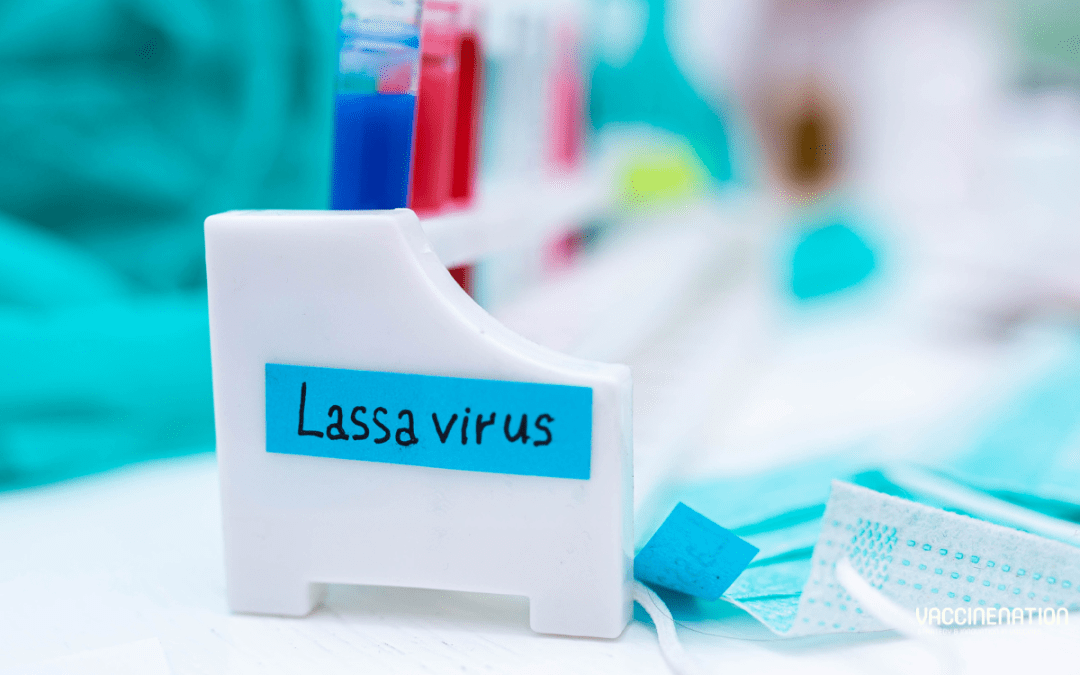
An article in npj vaccines in August 2024 presents research into the efficacy of a deactivated rabies virus (RABV)-based vaccine encoding the glycoprotein precursor (GPC) of Lassa fever virus (LASV): LASSARAB. In nonhuman primates (NHPs), the vaccine induced “strong” humoral responses and NHPs that had been vaccinated with LASSARAB survived to study endpoint after challenge. The authors state that their work demonstrates that LASSARAB is a “worthy candidate for continued development”.
Lassa fever virus
Lassa fever virus (LASV) is an emerging biosafety level-4 (BSL-4) haemorrhagic virus with no approved vaccine. Endemic to West Africa, the virus is maintained by a rodent reservoir, Mastomys natalensis, and is commonly transmitted to humans who come into proximity with infected rodents. Human-to-human transmission also occurs, most frequently in nosocomial settings. An estimated 300,000-500,000 people are infected with LASV each year, and the overall case fatality rate (CFR) is 1%-2%. However, this increases “significantly” for hospitalised patients.
Lassa fever (LF) is likened to other haemorrhagic fevers; it starts with flu-like symptoms, such as fever, sore throat, and headache. In severe cases it can progress to vascular leakage and multiple organ failure. Although many patients survive, some develop severe sequelae, such as sensorineural hearing loss. LASV is a high-priority pathogen.
Vaccine development
LASV has a bi-segmented, abisense RNA genome that codes for four proteins. The glycoprotein precursor (GPC) is proteolytically cleaved by a host protease into two glycoproteins (GP1 and GP2). These are present on the surface of the virion and are “used for attachment and entry into cells”.
The researchers identified the GPC gene as an “attractive target” for LASV vaccine development because of the “easy accessibility of the glycoproteins to the immune system” and the gene’s “indispensable function in the LASV lifecycle”. Although vaccine candidates targeting GPC were protective in challenge models, they have “disadvantages”. For example, DNA vaccines are “poorly immunogenic without the use of speciality delivery techniques” like electroporation. RNA-based vaccines require cold-chain storage, and live viral vectors can develop mutations.
“The need for the development of alternative vaccine strategies that mitigate these issues remains.”
Rabies virus (RABV) is a “promising” vaccine platform that has already been used with success as a platform for various pathogens. It is administered as an inactivated vaccine, has a “well-established” safety profile, and offers long-term protective immune responses to the rabies antigens. RABV also shared endemic regions with many pathogens, including LASV. Finally, an inactivated RABV vectored vaccine can by lyophilised and remains stable at various temperatures.
“The RABV platform is an excellent choice for a LASV vaccine.”
Previous research has indicated that vaccine-mediated protection against LASV can occur through “various mechanisms”, but a commonality between platforms is a poor neutralising antibody response after vaccination. However, the authors are unsurprised by this, given the “absence” of neutralising antibodies seen in many convalescent LASV patients.
When LASSARAB was administered to NHPs it elicited strong antibody responses to LASV-GPC and RABV glycoprotein (G) for “up to a year” post immunisation. Following this, the researchers sought to test the efficacy of LASSARAB in a lethal LASV NHP challenge model. They immunised NHPs with LASSARAB or CORAVAX (an irrelevant RABV-based vaccine) as a negative control. The NHPs were challenged with LASV at day 70 post immunisation.
The study
The article reveals that no neutralising antibodies were detected in LASSARAB vaccinated NHPs before day 10 post challenge (pc). After detection at day 10 pc, neutralising antibody titres peaked between days 14 and 21 pc and persisted at “varying levels” to day 28 pc in all LASSARAB vaccinates. This suggests that neutralising antibodies are produced as a result of LASV challenge, rather than vaccination with LASSARAB, therefore “not playing a main role” in vaccine-mediated protection.
All LASSARAB-immunised NHPs survived challenge; only one NHP demonstrated “minor outward clinical signs and four NHPs showed transient viraemia. LASV infection has a significant effect on the liver, revealed by a “dramatic increase in liver enzymes”. However, LASSARAB-immunised NHPs maintained normal blood chemistry levels compared to controls; this indicates protection from liver dysfunction.
Despite the “positive clinical outcome” and lack of CBC and blood chemistry changes in vaccinated NHPS, pathologic analysis revealed “significant lesions” in lymphoid tissue as well as smooth muscle layer of arteries in multiple organ systems that stained positive for LASV antigen. This resembles a systemic auto-immune vasculitis, described in NHPs and guinea pigs that survive LASV infection.
LASV in NHPs has a “somewhat protracted” disease process compared to other haemorrhagic fever viruses. The study endpoint was 28 days after virus exposure, but the authors acknowledge that “it is unknown” if the pathology observed in vaccinated survivors at day 28 would have resolved or become less prevalent with a longer endpoint. They suggest that studies with longer endpoints are necessary to determine if the severity of polyarteritis in the LASSARAB vaccinated NHPs resolves over time or can be avoided with administration to a “more mature cohort” of NHPs. Studies will also be required to verify that this pathology was not caused by the vaccine itself.
The protective efficacy of LASSARAB is “comparable” to other vaccine platforms, with 100% of LASSARAB-vaccinated NHPs surviving challenge and presenting “minimal” clinical signs. However, the inactivated RABV platform has “some advantages”. The rabies vaccine has been used for decades and is “safe to administer to a variety of patient populations”. It has been shown to elicit long-term immunity in humans, and “appears to confer this longevity to foreign antigens”.
Another advantage of the RABV platform is that it has been shown to remain stable over a variety of temperatures for “extended periods of time”. This is particularly pertinent for areas in which LASV is endemic, as they have “warm climates and limited access to cold-chain storage”. It is also already commercially available, so there is existing infrastructure for production.
Further research needed
The authors state that they are setting up a Phase I clinical trial of LASSARAB in the US but highlight that other studies should be performed to support its use in the clinic. Although the vaccine has potential for cross-protection, further studies should investigate this. Research should also determine whether LASSARAB can protect NHPs after single-dose immunisation, and how soon after immunisation it confers protection.
We look forward to hearing more about a Lassa fever vaccine candidate at the Congress in Barcelona this October and exploring priority pathogens with our experts. Get your tickets to join us there, and don’t forget to subscribe to our weekly newsletters here.
by Charlotte Kilpatrick | Jul 11, 2024 | Technology |
Seattle-based biotech Orlance announced in July 2024 that it has been awarded a Phase I Small Business Innovation Research (SBIR) grant from the US NIH to develop and optimise RNA vaccine formulations with its needle-free MACH-1 platform. The technology is intended to enhance the safety, stability, and efficacy of RNA vaccines for infectious diseases and cancer immunotherapy applications. MACH-1 is described as a “potentially significant advancement” in RNA vaccine delivery.
Meet MACH-1
MACH-1 is a needle-free vaccine platform that provides a “rapidly deployable, ambient stable, dose sparing, and easy to use product”. Orlance hopes it will increase immunisation in underserved regions by overcoming logistics or personnel difficulties and needlestick hesitancy. With pressurised gas, MACH-1 accelerates microparticles of DNA vaccines, RNA vaccines, or a combination. Vaccine microparticles penetrate the outer layer of skin to reach the epidermal layer, achieving intracellular delivery and transfection in local antigen presenting cells within the epidermis. This results in “robust” induction of systemic and mucosal antibody and cytotoxic T cell responses.
Compared to traditional lipid nanoparticle (LNP) RNA formulations, the MACH-1 platform uses dry, stable RNA-coated gold microparticles. It is needle-free and painless and ensures better stability at ambient temperatures with “significant supply chain advantages”.
Gene Gun project
The SBIR-funded project, “Gene Gun-delivered RNA vaccines”, is to be led by Orlance Principal Investigators Dr Hannah Frizzell and Dr Kenneth Bagley. They will aim to optimise RNA formulations for MACH-1 gene gun delivery to “maximise loading, maintain functional integrity, and ensure stability and immunogenicity”. The researchers will compare the effectiveness of MACH-1 delivered RNA vaccines against traditional LNP/RNA vaccines.
The 2-year grant provides $300,000 a year to enable Orlance to conduct preclinical studies, expected to “pave the way” for subsequent phases of development. Orlance has already received $13 million in SBIR funding, advancing MACH-1 towards readiness for initial regulatory filings in 2024. The company plans to initiate Phase I clinical trials for its lead infectious disease asset in 2025.
Kristyn Aalto, co-founder and CEO of Orlance, stated that the “breakthrough” of mRNA vaccines in recent years has “established the enormous potential of genetic (RNA and DNA vaccines”. However, there is still “significant work to do to improve utility and overall global health impact”.
“We are very grateful for NIH’s continued support and are rapidly accomplishing MACH-1 platform goals that could truly enhance the clinical research and impact of genetic vaccines.”
With a “well-developed” candidate portfolio and offerings across both DNA and RNA, Aalto hopes to “leverage the attributes of both platforms to provide ideal solutions tuned to the immunogenicity, protection, and durability profiles sought for specific indications”.
To hear the latest on innovative vaccine delivery approaches, why not join us in Barcelona for the Congress this October, or subscribe to our weekly newsletters here?
by Charlotte Kilpatrick | Jun 24, 2024 | Technology |
AstriVax announced in June 2024 that the first participants have been dosed in a Phase I clinical study to investigate the safety and efficacy of their prophylactic vaccines for yellow fever and rabies in healthy adults. The first-in-human clinical study is called SAFYR and will be conducted at two Belgium-based, world-class vaccine clinical trial sites, enrolling around 100 adults between the ages of 18 and 40.
An innovative platform
AstriVax’s PLLAV (Plasmid-Launched Live Attenuated Virus) technology is “easy to produce” with “limited cold chain requirements” and is “expected to trigger a strong and lasting immune response”. The company has a “rich” pipeline targeting viral infections. Dr Mathieu Peeters, Chief Development Officer at AstriVax, looks forward to the opportunity to evaluate the “cutting-edge technology in a clinical proof-of-concept study”.
“We use plasmids that deliver live-attenuated virus vectors along with the target viral antigen. This self-amplifying mechanism is designed to elicit strong and long-lasting immune responses with only microdoses.”
Dr Hanne Callewaert, CEO and co-founder of AstriVax, reflected on the “journey” that began “less than two years ago” with “solid, academically developed technology and a €30 million seed round”.
“In May 2023, we were awarded a grant from Flanders Innovation & Entrepreneurship (VLAIO) to further advance our technology. I am deeply grateful to my exceptional team for shaping the company into what it is today, and I look forward to continuing our journey towards better global health together. We anticipate our chronic hepatitis B immunotherapeutic will enter the clinical phase in 2025, marking yet another significant milestone for AstriVax.”
To hear the latest in vaccine design and development at The World Vaccine Congress in Barcelona this October, get your tickets to join us here. Don’t forget to subscribe for weekly vaccine updates and insights here.
by Charlotte Kilpatrick | Mar 4, 2024 | Technology |
A study published in Vaccine X in February 2024 presents an evaluation of freeze prevention of vaccines transported and stored in the WHO-prequalified freeze-preventive cold box (FPCB) in comparison with the current standard cold boxes (SCBs). The evaluation was conducted across five health facilitates in Nepal. The authors find several advantages to the FPCB but suggest that smaller and lighter models would be more appropriate for Nepal’s immunisation needs and similar immunisation programmes globally.
Transportation and storage
“Vaccines lose potency over time, and this loss is temperature dependent.”
The study highlights WHO guidelines for vaccine handling, which recommend “specific storage conditions” to “ensure quality is maintained throughout the vaccine life cycle”. Interestingly, while vaccine vial monitors to identify exposure to heat have been “available for decades”, there are no vial-level indicators for freezing.
Freezing is a particular concern for liquid vaccines with aluminium salt adjuvants, which have increased freeze sensitivity: “freezing can irreversibly damage these vaccines, reducing potency and compromising protective immunogenicity in recipients”.
“The importance of protecting vaccines from freezing will become even more pressing globally as introductions of new vaccines put pressure on already weak vaccine supply chain systems.”
The authors state that, in Nepal, cold boxes are “primarily used” to transport vaccines from “higher cold chain points to health posts”. Vaccine freezing can cause closed-vial vaccine wastage, with “financial implications for immunisation programmes”, or in cases where it goes undetected, can lead to “loss of vaccine potency and efficacy”.
“Freeze prevention at the equipment level mitigates these risks and eliminates the need for shake testing or vial-level freeze indicators, which have not yet proven cost-effective nor been implemented comprehensively.”
SBCs vs FPCBs in Nepal
The study presents the “first real-world evaluation” of a WHO Performance, Quality, and Safety (PQS)-prequalified freeze-preventative cold box (FPCB). Cold boxes have a greater capacity than vaccine carriers and transport vaccines between different levels of the supply chain. This increased capacity means that more vaccines are transported, which therefore presents a greater financial loss if the vaccines freeze.
Qingdao Leff International Trading Company was the first manufacturer to receive WHO PQS prequalification for an FPCB in 2020. The technology comprises a barrier liner between the ice packs and vaccine storage area to prevent direct contact of vials with ice packs.
The Himalayan terrain reportedly poses “major geographical challenges for vaccine distribution, transportation, and storage”. After a shift from a “highly centralised” system to a more decentralised model in 2015, Nepal has faced “both structural and operational issues”, from infrastructural weakness and shortage of skilled staff to delays and lack of coordination. Vaccination coverage “varies considerably across its diverse and geographically dispersed population”.
In response, Nepal has dedicated “significant resources” to improve the service delivery infrastructure of its national immunisation programme”. The authors comment that reaching underserved and widely dispersed populations will “boost vaccine coverage”.
Vaccines in Nepal are “typically” collected and distributed from regional and district cold chain points to health posts once a month for routine immunisations. Further trips are required for vaccination campaigns. Vaccines are transported by the alternate vaccine delivery (AVD) system or health workers. The former involves “local persons engaged in this activity on a part-time basis”, who use cold boxes or carriers in their own vehicles.
Performing to standards
The authors reflect that the primary purpose of the equipment is to prevent vaccines from freezing; in terms of this purpose the FPCB “performed to standards”. The SCBs cooled down “much more quickly” than the FPCBs, thanks to the thermal buffering. While this is “not much of an issue” for extended journeys or temporary storage, the slower cooldown can mean “exposure to elevated temperatures for most of the session” in short outreach sessions. Although the amount and level of thermal exposure is “relatively minimal”, it can be “very noticeable” for health workers trained to keep vaccines within the “acceptable” range: above 0 °C and below + 10 °C.
Additionally, the authors identified a “relatively long period of freezing” in SCBs, which is “not uncommon and can lead to loss of vaccine potency”. Despite “numerous high temperature excursions”, there was no reported incidence of vaccine wastage due to total heat exposure.
“The primary advantage of FPCBs over SCBs is prevention of freezing even when fully frozen, non-conditioned ice packs are used.”
This advantage is expected to “simplify logistics” because if health workers can use fully frozen ice packs, they will need less time to prepare cold boxes. A potential further advantage is a “reduced training burden”. The authors recommend further research and development in pursuit of “smaller and lighter FPCBs relative to their usable storage volume”. Furthermore, investing in FPCBs to prevent the freezing of expensive vaccine shipments would “potentially” be good value as the cost of procuring one FPCB is “much less” than the value of the vaccines that are prevented from freezing.
The paper concludes with recommendations for future research and development, including:
- Explicitly modelling, validating in real-world conditions, and publishing estimated vaccine degradation due to any additional heat exposure from demonstrated longer cooldown periods
- Further product development that might lead to lighter equipment with more storage space and a shorter cooldown period while still thermally protecting vaccine potency from both freezing and heat exposure
Did you read the paper? What useful contributions does it make to vaccine technology discourse? How might the FPCBs fare in your vaccination programmes? For more on novel vaccine technologies and strategies don’t forget to join us in Washington this April for the Congress or subscribe to our newsletters here.
by Charlotte Kilpatrick | Feb 20, 2024 | Technology |
UNCEF and Gavi announced in February 2024 that they have “handed over” four refrigerated trucks for vaccine transportation to the Government of Nepal’s Ministry of Health and Population in Kathmandu. The trucks will facilitate the “safe delivery” of “essential vaccines” from federal vaccine storage facilities to provincial and district stores.
This delivery comes just before a government measles and rubella (MR) vaccination campaign called “The Big Catch-up”, which will target “zero-dose children” and children who have not received all doses according to the national vaccination schedule. The campaign also provides vaccines that may have been missed during the COVID-19 pandemic, like vaccines that target polio and pneumococcal disease.
Greater capacity
Gavi states that each of the trucks is equipped with WHO-approved refrigeration units with a 24 cubic metre storage capacity, which can transport nearly 4 million doses of MR vaccines. The use of fewer trucks with greater capacity “helps decrease” carbon emissions in comparison with smaller, more frequent journeys across Nepal. UNICEF has allocated resources for the provision of the trucks from pooled funding.
Alongside the trucks, UNICEF, supported by Gavi, is working with the government to “strengthen various aspects of the national immunisation programme”. This includes the procurement of vaccines, improvement of cold chain systems, and enhancement of capacities for safe delivery. Through the Gavi-UNICEF collaboration the organisations will work with communities and local governments to identify zero-dose and under-immunised children. Furthermore, they will identify “barriers” that these children face to accessing the vaccines.
A timely delivery
The handover ceremony was marked by Director General, Department of Health Services, Dr Sangeeta Kaushal Mishra, who expressed “gratitude” for the “timely delivery of refrigerator trucks”. The delivery will “definitely help in the upcoming MR campaign”. Dr Mishra reflected that the population of zero-dose children is estimated to represent 4%.
Ms Temidayo Ogunruni, Senio Country Manager for Nepal at Gavi, congratulated the Government of Nepal for the “multi-antigen catch-up approach” in its upcoming MR campaign. Ms Ogunruni states that this will “ensure” vaccination for children who may have missed “critical routine vaccinations” during the COVID-19 pandemic.
“Today’s delivery underscores the importance of investing in infrastructure and supply chain management, with vaccine transportation a key part of ensuring lifesaving vaccines stay at appropriate temperatures and can be effectively delivered to communities.”
Ms Jee Hyun Rah, UNICEF Deputy Representative, stated that “current evidence” highlights an increase in zero-dose and under-immunised children in the country.
“These interventions aimed at increasing vaccine coverage are of critical need in protecting children as well as other vulnerable populations from the risks of vaccine-preventable diseases. As we strive to enhance immunisation programme coverage in Nepal, we must ensure the delivery of quality vaccines and reach the ‘last mile’ of the population, for which the significance of a strong cold chain, active community engagement, and robust behaviour change communication cannot be underestimated.”
Ms Rah commented that UNICEF “pledges its continued support in these efforts” to ensure that “no child is left unimmunised” in Nepal.
To join discussions about improving and expanding vaccine delivery services across the world, why not join us in Washington at the Congress this April, or subscribe to our newsletters here?
by Charlotte Kilpatrick | Feb 15, 2024 | Technology |
In February 2024 the University of Birmingham announced that a project to use “powerful digital tracking and accountability technology” to determine the “precise burden of open- and closed-vaccine vial losses”, understanding how and where these losses occur. The project started in December 2023 in collaboration with the Africa Centre of Excellence for Sustainable Cooling and Cold-Chain (ACES), Rwanda Biomedical Centre, Circulor, and Crown Agents. The study takes place in the Rwamagana District in the District Hospital and 16 Health Centres in the network.
Cold-chain interruptions
A statement from the university reflects that vaccines must be “carefully stored and transported” within a controlled temperature range, often between 2°C and 8°C. This cold chain is “uninterrupted from vaccine manufacture and throughout the country-wide distribution networks” to keep vaccines “effective up to the point of use”.
The new project will explore the burden and occurrence of vaccine vial losses:
- Open-vial losses – when there are not enough individuals to vaccinate after giving the first dose from a vial, so the leftover unused doses need to be discarded
- Closed-vial losses – the loss of a whole vaccine vial before being opened, usually due to physical damage, vaccine expiry, or loss of temperature control at some stage of the chain (can cost up to 6-10 doses at a time)
Professor Toby Peters from the University of Birmingham, Co-Director of the Centre for Sustainable Cooling, stated that “an estimated 25% or more” vaccine doses are “compromised by failures in cold chain custody”. With the VaccMap project he hopes to “get a better understanding of where these losses occur in the Rwandan cold chain”. This would allow prevention and design of better cold chain systems in the future.
“The vaccine cold chain underpins vaccine policy and is part of any country’s critical national infrastructure. This cold chain is vital for every birth in every country in the world. However, 20% of African children do not receive a complete immunisation schedule and more than 30 million children under five years old suffer from vaccine-preventable diseases every year, 68% of which are in Africa.”
Preparing to implement new technology
Associate Clinical Professor Christopher Green, Principal Investigator for the study, is excited by the new vaccine technologies that were “accelerated” during the pandemic and are being “re-designed to target many major outstanding global health priorities”.
‘This study is very important in our wider work to prepare African healthcare systems for the deployment needs of these technologies and manage the concurrent challenges caused by climate change. We have excellent collaborations from our project partners for this difficult problem.”
The software that the team is using was developed by Circulor and was originally designed to track components for car batteries through supply chains. The Circulor team modified their technology for use in vaccine supply chains, recording the life of every vaccine vial to “build an accurate real-world picture” of how to “strengthen vaccine security and efficiency”.
If you’re interested in vaccine supply chains and logistics, do join us for our dedicated track at the Congress in Washington this April by getting your tickets here, or subscribe for more vaccine insights.