by Charlotte Kilpatrick | Oct 17, 2024 | Technology |
Valneva and LimmaTech Biologics announced in October 2024 that they have been granted Fast Track designation by the United States FDA for Shigella4V (S4V). S4V is “the world’s most clinically advanced” tetravalent bioconjugate shigellosis vaccine candidate. In August 2024 the two organisations announced a strategic partnership and exclusive licensing agreement to develop, manufacture, and commercialise S4V. The FDA designation is granted to products in development that have the potential to treat serious conditions and fill an unmet medical need, with the goal of facilitating clinical development and expediting review.
Addressing a global health threat
An estimated 165 million cases of disease and 600,000 deaths are attributed to Shigella every year; the greatest burden is among children in low- and middle-income countries (LMICs). Shigellosis also affects international travellers from high-income countries and deployed military personnel in endemic regions.
Thomas Lingelbach, Chief Executive Officer of Valneva, stated that shigellosis is the “second leading cause of fatal diarrhoeal disease worldwide” with no approved Shigella vaccine.
“The development of Shigella vaccines has been identified as a priority by the World Health Organisation (WHO). Fast Track designation allows us to work closely with the FDA to accelerate our efforts to deliver a preventative solution against this deadly disease.”
Dr Franz-Werner Haas, Chief Executive Officer of LimmaTech, is “highly encouraged” by the designation, which “reinforces our efforts”.
“[It] underscores the significant potential of the S4V Shigella vaccine candidate to address a serious global health threat.”
The way forward
After positive Phase I/II results earlier in the year, LimmaTech will conduct a Phase II Controlled Human Infection Model study (CHIM) in the United States and a Phase II paediatric study in LMICs. These are expected to begin before the end of 2024. Valneva will assume all further development, including chemistry, manufacturing, and controls (CMC) and regulatory activities. It will also be responsible for global commercialisation if the vaccine is approved.
by Charlotte Kilpatrick | Oct 16, 2024 | Global Health |
In October 2024, parliamentarians from across the world met at the UNITE Global Summit in Berlin to sign a statement in support of the WHO Pandemic Agreement. The statement was described by WHO as a “significant commitment” to “strengthen pandemic preparedness, response, and equitable access to health”. The Summit was held in collaboration with the World Health Summit (WHS), drawing global parliamentarians, civil society leaders, and health experts to “translate discussions into actionable policy priorities”.
Building trust for a healthier world
The World Health Summit 2024 was held under the theme “building trust for a healthier world”, focussing on inspiring “innovative solutions for better health and well-being for all”. The UNITE Global Summit agenda reflected key topics highlighted during WHS, divided into four pillars:
- Human rights and equitable access to health
- Global health architecture and security
- Strengthening of healthcare systems
- Sustainable financing for health
Support for the Pandemic Agreement
The Pandemic Agreement is under negotiation by WHO Member States as an attempt to address the “gaps” exposed by the COVID-19 pandemic and the threats presented by mpox and other disease outbreaks. It also seeks to “strengthen global collaboration pandemic prevention, preparedness, and response”.
A critical moment during the summit was the signing of the Global Parliamentary Statement in Support of the Pandemic Agreement, which demonstrated the importance of parliamentarians in “ensuring global health security and safeguarding populations against future pandemics”. The statement emphasised their commitment to ensuring that “all countries, regardless of resources, have access to the tools, capacities, resources, and healthcare required” during a pandemic.
Dr Ricardo Baptista Leite, President of UNITE, commented that parliamentarians are the “voice of the people” and carry a “crucial responsibility in safeguarding public health”.
“The WHO Pandemic Agreement represents a historic opportunity to prevent pandemics and strengthen our global preparedness and response capabilities. By signing this statement, we are not only showing our support for the agreement but also pledging to ensure that its principles of equity, solidarity, and global cooperation are fully realised in every nation.”
WHO Director-General Dr Tedros Adhanom Ghebreyesus welcomed the support for the “once-in-a-generation opportunity to build a stronger, fairer, and more prepared global health system”.
“By signing this statement, parliamentarians from around the world are showing their commitment to protecting lives from future pandemics and ensuring equitable access to vaccines, treatments, diagnostics, and other health tools for every country, particularly those with fewer resources.”
Key commitments
The Global Parliamentary Statement emphasises four “key commitments”:
- Equity at the core – ensuring equitable access to pandemic-related health tools based on public health need for everyone, especially countries with fewer resources
- Global solidarity – strengthening international cooperation to build resilient health systems that can prevent and respond to pandemics
- Legislative action – advocating for the ratification and implementation of the Pandemic Agreement within national legislatures, as appropriate
- Combating misinformation – providing communities with evidence-based health information to counter the spread of harmful misinformation
Dr Baptista Leite reflected that “the challenges we face today demand a global response”.
“No single country can prevent or combat pandemics alone. The WHO Pandemic Agreement is an essential step forward in ensuring that every nation has the tools, resources, and capabilities to respond to future health threats.”
More work to be done
WHO states that the Pandemic Agreement “needs to continue to garner broad international support”. Within the latest commitment, parliamentarians are to work with WHO and other international organisations to ensure the Pandemic Agreement is implemented in a way that “benefits all countries”, particularly those with “limited resources”.
“The statement signed in Berlin is expected to act as a catalyst for global parliamentary action, fostering collaboration and solidarity among nations.”
Join us at the Congress in Barcelona this month for a keynote discussion on “strengthening global preparedness and building resilient health systems” with experts from the field, and don’t forget to subscribe to our weekly newsletters here.
by Charlotte Kilpatrick | Oct 16, 2024 | Technology |
CEPI announced in October 2024 that it is working with experts at the National Research Council of Canada (NRC) to bioengineer a “commonly used approach” to safely make protein antigens in “as little as two weeks”. This would be between eight and twelve times faster than the current timeline of antigen production for protein-based vaccines. CEPI is contributing up to CAD $850,000 and the NRC is providing up to CAD $308,000 (in kind) to establish proof-of-technology.
Low cost and high speed
CEPI notes the importance of manufacturers being able to make “sufficient quantities” of vaccine components at low cost to enable mass production. Although mammalian cell lines are a common choice for vaccine processes, boasting ease of culture and a high production yield, they can take four to six months to develop and optimise for antigen production. This is a “major challenge” to efforts to develop vaccines quickly in response to fast-spreading viral outbreaks.
An optimised approach
Scientists at the NRC have developed a mammalian cell line that could be optimised for rapid antigen production. The research is expected to “majorly accelerate” the time needed for infectious disease vaccine development, says CEPI’s Executive Director of Manufacturing and Supply Chain (Acting), Ingrid Kromann.
“If successful, this optimised cell line could help vaccine doses be more rapidly available for clinical trials and initial emergency use during future outbreaks, supporting CEPI’s goal – embraced by Canada, and other G7 and G20 nations – to respond to a novel virus with a new vaccine in just 100 days after its discovery.”
Importantly, the technology is going to be suitable for transfer to low- and middle-income countries, enabling “local and rapid” vaccine production closer to the source of a future outbreak and improving accessibility. Dr Lakshmi Krishnan, Vice President of Life Sciences at the NRC, looks forward to working with CEPI to take the platform technologies forward to “accessible tools that could help accelerate vaccine production around the world”.
“Recognising the critical need for rapid vaccine production during a health emergency, this research and development project in our labs will advance innovative technologies to improve biomanufacturing processes and increase the efficiency of large-scale manufacturing of vaccines and other biologics.”
For the latest in vaccine technology for improved accessibility, join us at the Congress in Barcelona this month, and don’t forget to subscribe to our weekly newsletters here.
by Charlotte Kilpatrick | Oct 15, 2024 | Technology |
In October 2024, Panthera Biopartners announced that Parexel has confirmed its inclusion in the Parexel Site Alliance Vaccine Network. Panthera becomes the first UK public or commercial clinical trial organisation to join the global network of high performing clinical trial sites. Parexel’s Site Alliance Vaccine Network “fosters long-term collaborative relationships” with research organisations across the globe to “deliver efficiencies”. Panthera was chosen to join the Network because of “exceptional performance in recruiting patients” across “numerous” studies and an existing “strong working relationship” with Parexel.
Patient recruitment
As the “UK’s largest recruiter and runner of commercial clinical trials across its UK sites”, Panthera has recently been the top recruiter globally in four studies, the top recruiter in the UK in six studies, and achieved first patient in globally or in the UK in nine studies. The company statement acknowledges that “less than 10%” of physicians and patients participate in clinical research. Among patients who do participate, “minority groups are significantly underrepresented”.
“Research activities are often concentrated in academic institutions and investigator sites, so patients and their providers are often unaware of the work, and even if they’re interested, many lack the time and resources required to join studies.”
Site Management Organisations (SMOs) like Panthera are focussed “entirely” on recruiting patients and running clinical trials, collaborating with local GP practices and using targeted advertising and social media campaigns to ensure that “all sections of the community” can participate.
Delivering efficiencies
The Parexel Site Alliance Network engages more than 340 sites and 16,000 investigators in “long-term collaborative relationships”. It is intended to “deliver efficiencies” to patients, sites, and customers. Members partner with Parexel to improve research and patient experiences.
Chris Dodd, Chief Commercial Officer at Panthera, described the company’s selection as a “testament to the effort we have put in to ensure we meet or exceed our patient recruitment targets”.
“We are delighted to be working in partnership with such a successful organisation with such great site communications and stakeholder management. We look forward to working together to bring even more clinical research to the UK.”
Join us at the Congress in Barcelona to explore ways in which the whole vaccine value chain can contribute to greater diversity in research and improved participant experiences. Don’t forget to subscribe to our weekly newsletters here.
by Charlotte Kilpatrick | Oct 11, 2024 | Global Health |
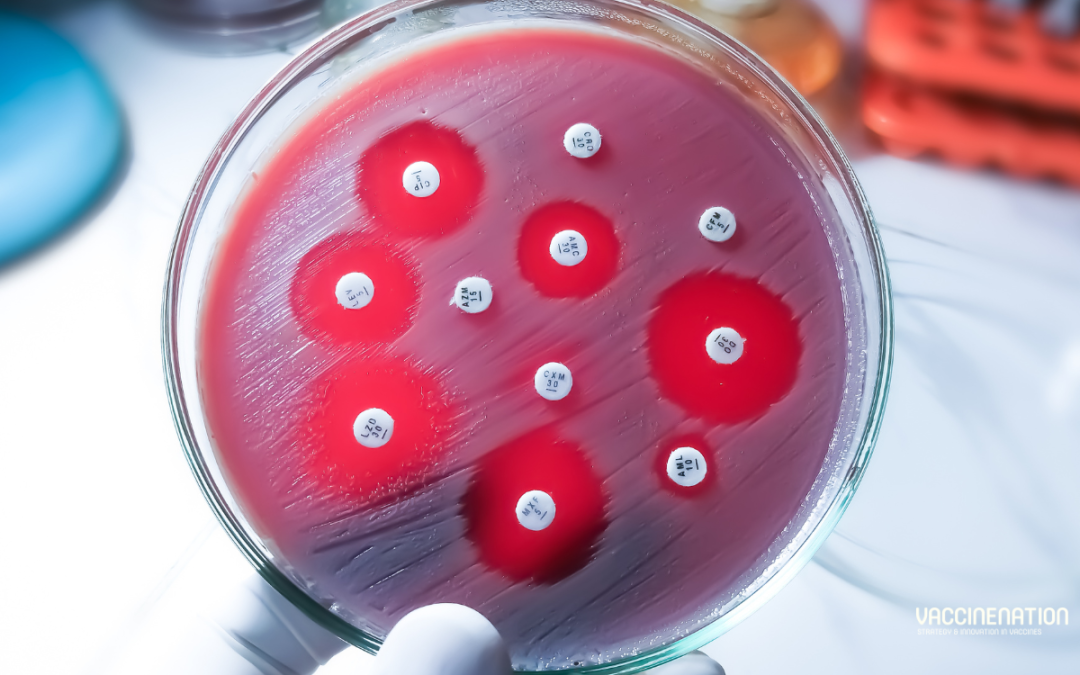
A WHO report in October 2024 suggests that vaccines against 24 pathogens could reduce the number of antibiotics needed by 22% every year. Some of these vaccines are already available but currently underused, but others will need to be developed and brought to market. The report expands on a WHO study from 2023, estimating that some vaccines already in use could avert up to 106,000 deaths caused by AMR each year. Director-General Dr Tedros Adhanom Ghebreyesus highlighted that addressing AMR “starts with preventing infections”, for which vaccines are “among the most powerful tools”.
“Prevention is better than cure and increasing access to existing vaccines and developing new ones for critical diseases, like tuberculosis, is critical to saving lives and turning the tide on AMR.”
The burden of AMR
Antimicrobial resistance (AMR) is the result of bacteria, viruses, fungi, and parasites changing to stop responding to medicines. As medicines become ineffective, infections become harder to treat, which increases the risk of disease spread, severe illness, disability, and death. The report introduces the significant global burden of AMR. In 2019, an estimated 7.7 million deaths were associated with 33 bacterial infections, with almost 5 million of these associated with AMR.
The mortality burden of these drug-resistant infections is “most pronounced” on the African continent, followed by South-East Asia and Eastern Europe. However, community mobility increases the risk of transmission to other continents. AMR has the potential to impose an annual global cost of up US$3.4 trillion by 2030, with the most severe consequences for low- and middle-income countries (LMICs).
A “key driver’ of AMR is the “systematic misuse and overuse” of antimicrobials in healthcare, animal health, and agriculture; the greatest contributor to overall use of antimicrobials is use in animals. The World Organisation for Animal Health (WOAH) estimated that 84,500 tonnes of antimicrobials were used in the animal sector in 2019. However, this is a 13% decrease from 2017. On the other hand, global antibiotic consumption in humans increase by 65% between 2000 and 2015 and is projected to triple (from 2015) by 2030.
One of the major challenges is ensuring equitable access to antimicrobials, particularly in LMICs, where “people are more at risk of dying from a lack of access to appropriate antimicrobials than from resistant infections”. Managing AMR demands both sector-specific and “One Health” approaches. Vaccines can be critical to efforts to lower the burden by reducing the incidence of drug-sensitive and drug-resistant infections, antibiotic use, and opportunities for evolution and transmission of resistant genes and pathogens.
The report
Although we know that vaccines are important aspects of the solution, their specific role in reducing AMR has not been “systematically evaluated and quantified”. Therefore, the latest report evaluates this and provides recommendations for “enhancing the impact of vaccines on AMR”. It covers 44 vaccines targeting 24 pathogens, drawing the characteristics of each vaccine from various sources. Three criteria were considered:
- The AMR-related health burden – measured by the reduction in deaths and DALYs associated with AMR
- Antibiotic use (or antimicrobial use in the case of Mycobacterium tuberculosis)
- The economic burden of AMR, including hospital costs and productivity losses
Highlights from the report
- Vaccines against 16 bacterial pathogens may prevent 510,000 deaths and 28 million DALYs associated with AMR.
- This prediction increases to include an additional 1.2 million deaths and 37 million DALYs when the use of vaccines is expanded to target all populations at risk of infection.
- The non-serotypespecific vaccine against S. pneumoniae, with increased efficacy against lower respiratory tract infections, would have the highest impact on both AMR-associated deaths and DALYs.
- The greatest impact of vaccines on reducing the burden of bacterial AMR in 2019 was in the WHO African Region, averting an estimated 170,000 deaths and 12 million DALYs annually.
- In the WHO South-East Asia Region, vaccines were estimated to have prevented 160,000 deaths and 7.5 million DALYs annually.
- The development and optimal use of vaccines against 23 pathogens could avert up to 2.5 billion defined daily doses a year, which is 22% of the global estimated antibiotic use in humans associated with treating these pathogens.
What’s next?
The authors suggest that the role of vaccines in addressing AMR is “often overlooked” in policy and decision-making processes. They highlight the need for “greater recognition and integration” of vaccines into AMR mitigation strategies and the importance of considering AMR in vaccine decision-making.
“To achieve appropriate inclusion of vaccines in the AMR agenda, the immunisation and AMR communities must strengthen their joint understanding of the evidence and enhance collaboration.”
How do you think that AMR priorities can be incorporated into vaccine development and deployment efforts? Join us for the AMR and bacterial vaccines track at the Congress in Barcelona this month to contribute to these conversations, and don’t forget to subscribe to our weekly newsletters here.
by Charlotte Kilpatrick | Oct 10, 2024 | Global Health |
In October 2024, WHO announced an agreement with the International Monetary Fund (IMF) and the World Bank Group (WBG) on “broad principles for cooperation on pandemic preparedness”. The cooperation is intended to enable scaling up of support to countries to prevent, detect, and respond to public health threats through the IMF’s Resilience and Sustainably Trust (RST), WBG’s financial and technical support, and WHO’s technical expertise and in-country capabilities. The organisations will “leverage their experience to enhance pandemic preparedness”, working on the “synergies and complementarity” of each institution’s in-country analysis and operations.
Principles of coordination
Under the Broad Principles of Coordination:
- WHO and the WBG will continue to lead on health-related development policies and, with other multilateral development banks and The Pandemic Fund, on specific project investments for pandemic preparedness. RST financing will not be earmarked for specific projects.
- Pandemic preparedness policy reform measures supported by RSF arrangements will be informed by existing data, analytics, and operational engagement of WHO, the WBG, and country authorities.
- Pandemic preparedness reforms will build on each institution’s area of expertise. RSF programmes will focus on macro-critical policy reforms within the IMF’s expertise and complement the work carried out by the WBG and WHO to maximise both the financial resources and technical expertise available to countries. RSF Reform measures can include policy actions aimed at enhancing the readiness of finance and health systems to respond effectively to future health emergencies.
The cooperation will enable all three institutions to better serve countries’ efforts on pandemic preparedness.
Working for a safer world
Kristalina Georgieva, Managing Director of the IMF commented that the “stepped-up collaboration” will help the organisations to “complement and leverage each other’s expertise” to support members’ pandemic preparedness and resilience efforts.
“The IMF’s Resilience and Sustainability Trust allows eligible member countries to access affordable, long-term financing to address structural challenges that threaten their macroeconomic stability.”
WHO Director-General Dr Tedros Adhanom Ghebreyesus reflected on the need for “new sources of financing to bolster health systems”, making them “more able to prevent and detect” health threats and to “respond and withstand them when they strike”.
“WHO is proud to be working with the IMF and the World Bank to unlock financing from the Resilience and Sustainability Trust, and support countries to put it to work for a safe world.”
World Bank Group President Ajay Banga suggested that the “deepened collaboration” will focus efforts to help countries prepare for and respond to health threats.
“We must aggressively be planning and preparing for the next global health crisis, so that when the battle comes – and we know it will – we will have the health workforce that can be rapidly deployed in the face of a crisis, laboratories that can quickly ramp up testing, and surge capacity that can be called upon to respond.”
For insights into pandemic preparedness initiatives at the Congress in Barcelona this month get your tickets here, and don’t forget to subscribe to our weekly newsletters here!
by Charlotte Kilpatrick | Oct 10, 2024 | Global Health |
The African Union Development Agency – New Partnership for Africa’s Development (AUDA-NEPAD) announced in October 2024 that Wellcome is granting US$12,301,075 to “support the strengthening and harmonisation of regulatory systems and the operationalisation” of the African Medicines Agency (AMA). The grant will help to drive efforts to “overcome regulatory capacity challenges” to improve access to essential medical products and technologies.
The African Medicines Regulatory Harmonisation (AMRH) initiative has been “pivotal” at creating a “cohesive regulatory environment” for the pharmaceutical sector across Africa since 2009. It focuses on using Regional Economic Communities (RECs) to ensure that African populations have access to high-quality, safe, and effective medical products and health technologies. Wellcome’s grant will be used in alignment with AMRH’s vision of “overcoming barriers” like “limited human and institutional capacity, fragmented regulatory processes, and inconsistent technical standards”.
AMA
AMA’s vision is that “African people have access to essential medical products and technologies”; it hopes to achieve this through the mission: “provide leadership in creating an enabling regulatory environment for pharmaceutical sector development in Africa”. The funding is expected to accelerate efforts to create a “unified and efficient” regulatory framework. The partnership between Wellcome and AUDA-NEPAD is a “major advancement in the pursuit of a robust and harmonised regulatory environment” with positive effects for health outcomes in Africa.
Efficient, connected, fair
Symerre Grey-Johnson Director for Human Capital and Institutional Development at AUDA-NEPAD, stated that the “generous support” from Wellcome is a “crucial endorsement of our mission”.
“With the African Medicines Regulatory Harmonisation (AMRH) intiative laying the groundwork for the African Medicines Agency (AMA), this grant will empower us to address significant regulatory challenges and enhance access to essential medical products for millions of Africans.”
Mr Grey-Johnson believes that the collaboration will “solidify the foundation of the AMA” and ensure a “robust and harmonised” regulatory environment across the continent. Dr Sally Nicholas, Wellcome’s Head of Health Systems and Environment, recognised the AMA’s “crucial role” in creating a “more efficient, connected, and fair regulatory system” in Africa.
“Strengthening regulatory systems is fundamental to improving healthcare outcomes for Africa. By supporting innovative partnerships, initiatives, and solutions to help coordinate effectively operationalise the AMA, we can ensure equitable access to much-needed vaccines, treatments, and interventions for those with the greatest need.”
At the Congress in Barcelona this month we look forward to learning about an AMA pilot with MSD in the Supply and Logistics track; get your tickets to join us there and don’t forget to subscribe to our weekly newsletters here.
by Charlotte Kilpatrick | Oct 3, 2024 | Technology |
In October 2024, SK bioscience announced the successful completion of its acquisition of a controlling stake in IDT Biologika. This follows the announcement in June 2024 that SK bioscience intended to acquire 60% of IDT Biologika’s shares from the Klocke Group to “leap forward into global markets”. Since the signing of the sale and purchase agreement, SK bioscience has finalised the acquisition after obtaining the necessary approvals. The companies have established a plan for a post-merger integration (PMI) process of around 100 days. This will improve both companies’ “management effectiveness” and “encourage systematic integration for business growth”.
Building foundations
During the PMI, the companies will “build a foundation” for the growth of IDT Biologika through a series of projects. The first element seeks to maximise the utilisation rate of IDT Biologika’s manufacturing facilities and new capacities for drug substance (DS) and drug product (DP) for major projects with global pharmaceutical companies. SK bioscience also hopes to create a framework to expand existing contracts and win further projects for clinical trials and late-stage cell and gene therapy (CGT) projects. Alongside this, the portfolio of available cell lines will be expanded to address new customers, and the development of recombinant vaccines will be advanced.
SK biosciences will invest in high-growth businesses such as pre-filled syringes (PFS), recombinant vaccines, and CGT. This encompasses oncolytic virus (OV), adeno-associated virus (AAV), and lentivirus (LV). The company will also transfer technology and production to IDT Biologika for main products such as flu, shingles, chickenpox, and typhoid vaccines.
To “ensure synergies”, executives from both the Klocke Group and SK bioscience will serve on IDT Biologika’s Advisory Board. The Board will ensure “independent management while carrying out cultural integration”. Dr Ulrich Valley, CEO of IDT Biologika, is “convinced” that the milestone will “contribute to future growth and to our vision of a leading CDMO”.
“This global strategic cooperation is an important driver for our innovative strength, competitiveness, and sustainable success, built on a foundation of trust and common goals.”
Dr Valley is “certain” that Sk bioscience and IDT Biologika can “achieve great things together by combining our competences and capabilities”. President and CEO of SK bioscience, Jaeyong Ahn, commented that the with the successful completion of the acquisition, the two companies “now unite one family”.
“The capabilities and technologies of the two companies are expected to generate significant synergies, and we will accelerate our global expansion.”
We look forward to hearing from IDT Biologika on how to successfully scaling up for vaccine and CGT manufacturing at the Congress in Barcelona this month. Get your tickets to join us there, and don’t forget to subscribe to our newsletters for the latest vaccine news.
by Charlotte Kilpatrick | Sep 30, 2024 | Global Health |
Gavi announced two major funding updates at the United Nations General Assembly High-level week 2024, revealing that it is making progress in its fundraising efforts for the upcoming strategic period. The first of these updates is that the European Commission has pledged funding for the first two years of Gavi 6.0, complementing “strong support” from Team Europe and contributing to Gavi’s goal of helping to protect 500 million more children around the world. Gavi also announced an expanded collaboration with the United States International Development Finance Corporation (DFC), focussed on donor liquidity.
European support
The President of the European Commission, Ursula von der Leyen, addressed a crowd at the Global Citizen Festival on Saturday 28th September, revealing a funding pledge of €260 million for 2026-2027 and promising more to follow. The funds will support Gavi’s 2030 ambition of providing protection to 500 million more children, strengthening immunisation systems, and boosting global health security by “increasing readiness to respond to disease outbreaks”.
Added to the money pledged so far by the United States, France, Spain, and others in June 2024, this pledge takes Gavi’s total for the next strategic period to US$2.7 billion. The target is at least US$9 billion, which would enable Gavi to protect more children against more diseases, faster, and protect the world from outbreaks of disease when they occur. The €260 million pledge is for the first two years of Gavi’s upcoming strategic cycle, which coincide with the last two years of the EU’s 2021-2027 Multiannual Financial Framework (MFF). The European Commission is expected to remain committed to a “high level of ambition in supporting Gavi” as it prepares for the next MFF.
President von der Leyen reflected that “a healthier world is a better world”, with vaccination “one of our best chances for this”.
“Right now, millions of children are still at risk. We must continue to support vaccination around the world to save lives. So today I am proud to pledge 260 million euros for Gavi, the Vaccine Alliance. And more will come.”
DFC collaboration
The DFC and Gavi will expand their partnership with a focus on donor liquidity. This builds on support established during COVID-19, with the US$1 billion Rapid Financing Facility allowing Gavi to access funds quickly in the event of new donor pledges for pandemic response or routine immunisation. The mechanism is also central to Gavi’s Day Zero Financing Facility.
Nisha Biswal, DFC Deputy CEO, recognised that “global health security is economic and national security”. DFC invests in healthcare services, supply chains, and technology to strengthen pandemic preparedness and health system resilience, including over US$3 billion in health-related projects to enable over 50 million patients access healthcare.
“With the new Surge Financing Initiative, the expanded Gavi liquidity facility, and investments in regional manufacturing, we will be able to do far more to expand access to life-saving healthcare products, especially during health emergencies.”
Still on track
Dr Sania Nishtar, CEO of Gavi, expressed gratitude to the European Commission, recognising President von der Leyen’s “leadership in advancing global health outcomes” and DFC.
“Thanks to the European Commission and DFC, we remain on track to meet our target of protecting people, communities, even our entire world through immunisation.”
For more on global health investments at the Congress in Barcelona next month, get your tickets to join us here. Don’t forget to subscribe to our weekly newsletters for the latest vaccine news.
by Charlotte Kilpatrick | Sep 30, 2024 | Global Health |
The University of Connecticut announced in September 2024 that a $3.8 million R01 grant from the National Institute of Allergy and Infectious Diseases (NIAID), part of the National Institutes of Health (NIH), will support efforts to develop universal vaccine candidates for leptospirosis. Assistant Professor Elsio Wunder, from the Department of Pathobiology and Veterinary Science in the College of Agriculture, Health, and Natural Resources (CAHNR), will work with colleagues to tackle the animal-borne disease. Leptospirosis is a “neglected disease” with no worldwide approved vaccine.
Leptospirosis
Leptospirosis is a disease caused by the Leptospira bacteria, found in contaminated water or soil. It affects animals and people, and if left untreated in humans can lead to kidney damage, meningitis, liver failure, breathing difficulty, or death. An estimated 1 million human cases occur globally each year, causing around 60,000 deaths annually. The disease is considered “neglected” because it “typically impacts poorer communities and individuals who lack access to adequate sanitation”. Neglected diseases tend to receive less attention and funding than other diseases. However, researchers like Dr Wunder are hoping to “correct this public health injustice”.
A big investment
Dr Wunder has a background in veterinary and human health and has focused on improving diagnostic and prevention mechanism for leptospirosis. The latest award will support these efforts.
“It’s a big investment from the NIH. I’m very grateful. The fact that you have this major investment in a neglected disease is a really big step.”
The team involves researchers from Yale University, the University of California-Irvine, and Serimmune, bringing “strong and diverse expertise” from various fields. They will spend five years developing vaccine candidates and testing them in animal models, hoping to find a viable candidate that is ready for testing in human clinical trials.
Universal focus
The project focuses specifically on developing a universal leptospirosis vaccine, which could be used in “any epidemiological setting in the world” and protect against disease “no matter which strain is circulating in the area”. To do this, the researchers will need to understand more about leptospirosis causing illness. Dr Wunder’s previous research produced an attenuated leptospirosis vaccine, which produces immune responses for specific strains, rather than multiple variants. However, the work behind this vaccine revealed that the bacteria’s proteins are a key target.
In the new project, Dr Wunder and collaborators will pursue a multi-recombinant protein vaccine. Vaccine development for leptospirosis is “very hard” and bacteria have “so many tools to evade host immune defences”. Therefore, the researchers have tried to use several proteins at once. The goal is to create a vaccine with small and relevant elements of these recombinant proteins and ensure that the vaccine can be produced and distributed cheaply. This would enable the best public health effect for people who suffer the greatest burden of the disease. Alongside the project, Dr Wunder will maintain his research and teaching at CAHNR.
“I teach a class that’s an introduction to pathobiology and a mix of basic and translational research, and how important translational research is to improve life for people – in terms of vaccines, treatments, and diagnostics. But in order to have translational research, you do need basic science. And this grant is very much a mix of both.”
For insights from leaders in ‘neglected disease’ research at the Congress in Barcelona next month, get your tickets to the event here, and don’t forget to subscribe to our weekly newsletters here.
by Charlotte Kilpatrick | Sep 30, 2024 | Infection |
In September 2024, WHO’s Regional Office for Africa announced that Rwandan health authorities are “intensifying outbreak control efforts” after detecting Marburg virus disease in the country for the first time. 26 cases have been confirmed in seven of the country’s districts, and six deaths have been reported. The health authorities are implementing “comprehensive response measures” and an investigation to determine the origin of the outbreak. WHO states that it is supporting these efforts with expertise and tools.
Cases reported and response triggered
26 cases have been reported; 20 are in isolation and receiving treatment, and six deaths have been recorded. 161 contacts of the reported cases have been identified so far and are being monitored. The Ministry of Health, Rwanda, posted a video on social media with a caption reassuring viewers that “people can continue with their daily activities” and “should not panic” as the “hotspots of the disease” have been identified.
WHO is “mobilising” expertise and outbreak response tools to “reinforce the control measures” that are being rolled out. A consignment of clinical care and infection prevention and control supplies will be delivered from the WHO Emergency Response Hub in Nairobi, Kenya, to Kigali in the next few days. Efforts are also underway to “reinforce collaborative cross-border measures for readiness and response” in countries that neighbour Rwanda.
WHO Regional Director for Africa, Dr Matshidiso Moeti, explained that the critical outbreak response aspects are being put in motion “rapidly” to “halt the spread of this virus swiftly and effectively”.
“With the country’s already robust public health emergency response system, WHO is collaborating closely with the national authorities to provide the needed support to further enhance the ongoing efforts.”
Marburg
Marburg virus disease is a “highly virulent” member of the filoviridae family and causes haemorrhagic fever. It has a fatality ratio of up to 88%, with symptoms progressing rapidly after infection. The virus is transmitted to humans from fruit bats and spread among people through direct contact with the bodily fluids of infected people, surfaces, and materials.
The disease was first recognised after large outbreaks in Germany and Serbia in 1967, associated with laboratory research involving African green monkeys from Uganda. Outbreaks and cases have been reported sporadically since then, and efforts have been made to develop effective medical countermeasures. However, there is no licensed vaccine against Marburg virus disease.
A confluence of infectious disease
The Marburg outbreak will increase pressure on the Rwandan health system, which is already fighting its mpox outbreak, declared on 27th July 2024. In September 2024, Dr Jean Kaseya, Director-General of Africa CDC, reported that Rwanda had begun an mpox vaccine campaign after receipt of 1,000 doses. The campaign targeted districts bordering the Democratic Republic of the Congo, the epicentre of the current PHEIC. How will the health services respond effectively to both infectious disease threats, and will there be similarities or ‘doubling up’ in their strategies?
For the latest infectious disease and vaccine news, don’t forget to subscribe to our weekly newsletters here. To participate in important discussions about vaccine development in outbreak situations, join your colleagues at the Congress in Barcelona next month.
by Charlotte Kilpatrick | Sep 18, 2024 | Technology |
MinervaX and Wacker Biotech announced a collaboration to manufacture active protein ingredients for MinervaX’s Group B Streptococcus (GBS) vaccine in September 2024. The vaccine candidate is a novel protein-only vaccine, based on fusions of “highly immunogenic and proactive protein domains” from selected GBS surface proteins. Wacker Biotech is to manufacture the active ingredients and perform technology transfer, process validation, and process characterisation activities for commercial manufacturing. The organisation will also perform key functions to ensure “stable commercial supply” at its Amsterdam site.
GBS
Group B Streptococcus (GBS) is a “leading cause” of neonatal and infant sepsis and meningitis. The highest incidence is in neonates and young infants up to 3 months old. Between 15% and 25% of the population are “spontaneously colonised” with GBS, but during pregnancy this carries the risk of transmitting the bacteria to the child in the womb, during birth, and/or during the first months of life. WHO emphasises the need for an effective maternal GBS vaccine to protect neonates and infants before they can elicit and effective immune response.
MinervaX identifies an “unmet medical need” as there is no “general implemented and fully protective preventative treatment” for GBS. Furthermore, older adults and adults with some co-morbidities are at increased risk of severe GBS infections. This population would also benefit from a prophylactic vaccine.
A protein approach
MinervaX has developed a novel protein-only vaccine based on fusions of “highly immunogenic and protective protein domains” from the Alpha-like protein family (AlpN). This approach is intended to deliver a vaccine with “broad coverage and protection”. The lead candidate, AlpN GBS, comprises two fusion proteins, each containing two AlpN-terminal domains: GBS-NN (containing RibN and AlpCn) and GBS-NN2 (containing Alp1N and Alp2/3N).
Two Phase II clinical trials of the maternal vaccine have been successfully completed, and MinervaX is preparing for Phase III trials in this indication. Data are “very positive”, with an “acceptable” safety profile in pregnant participants and their infants, and “high immunogenicity”.
Joining forces
Dr Per Fischer, CEO of MinervaX, commented that GBS “can be life-threatening for newborn babies” and is associated with “over half a million preterm births annually”. However, after €54 million financing last year, the team is advancing the development of their novel prophylactic vaccine “for the benefit of all populations at risk, worldwide”.
“Wacker Biotech is a robust manufacturing partner with a strong track record in late clinical and commercial supply and we look forward to collaborating with the team ahead of commencing Phase III studies.”
Managing Director of Wacker Biotech B.V in Amsterdam, Ronald Eulenberger, looks forward to bringing Wacker Biotech’s strengths to the collaboration.
“With our strong background in E. coli processes, process characterisation, and process validation experiences, we at Wacker Biotech are perfectly suited to support MinervaX with its ongoing programme for the prevention of invasive GBS disease.”
We look forward to hearing from MinervaX’s CSO, Dr Bengt Johansson Lindbom, on a panel exploring the role of vaccines and mAbs in neonatal sepsis prevention at the Congress in Barcelona next month. Get your tickets to join us there and don’t forget to subscribe to our weekly newsletters for the latest vaccine news.
by Charlotte Kilpatrick | Sep 16, 2024 | Global Health |
In September 2024 WHO announced the establishment of an access and allocation mechanism for mpox medical countermeasures, including vaccines, treatments, and diagnostic tests. The Access and Allocation Mechanism (AAM) is intended to increase access to these essential tools for people at highest risk, ensuring that limited supplies are used “effectively and equitably”. This announcement comes after WHO declared the mpox outbreak a PHEIC in August 2024 and addresses one of the key International Health Regulations Emergency Committee’s recommendations: “equitable access to safe, effective, and quality-assured countermeasures”.
AAM
The AAM is part of the interim Medical Countermeasures Network (i-MCM-Net). Developed in response to “global vulnerabilities” exposed by the COVID-19 pandemic, i-MCM-Net enhances collaboration through a “Network of Networks” approach. It seeks to provide timely and equitable access to quality, safe, effective, and affordable medical countermeasures in response to public health emergencies through existing networks and global collaboration. The network was endorsed by WHO Member States as an interim mechanism while negotiations on a pandemic agreement continue.
The mpox AAM includes members of the i-MCM-Net as well as WHO: Africa CDC, CEPI, the EU Health Emergency Preparedness and Response Authority (HERA), FIND, Gavi, the PAHO Revolving Fund, UNICEF, Unitaid, and others. It will work to allocate the “currently scarce supplies” to those at highest risk of infection.
It will operate according to three guiding principles:
- Preventing illness and death – prioritise vaccination and other tools to interrupt transmission for those at greatest risk to prevent illness and death.
- Mitigating inequity – ensure equitable access to medical countermeasures for all people at risk, irrespective of socio-economic or demographic background.
- Ensuring transparency and flexibility – establish and maintain clear and open communication about allocation decisions and be ready to adapt strategies as new data emerge or situations change.
More than 3.6 million vaccine doses have been pledged for the mpox response, including 620,000 doses of MVA-BN pledged to affected countries by the European Commission, Austria, Belgium, Croatia, Cyprus, France, Germany, Luxembourg, Malta, Poland, Spain, and the United States of America, as well as Bavarian Nordic. Japan has pledged 3 million doses of the LC16 vaccine. This is the largest pledge so far.
International coordination
Dr Tedros Adhanom Ghebreyesus, WHO Director-General, recognised the need for “powerful tools” like vaccines, therapeutics, and diagnostics, to bring the mpox outbreak “under control”.
“The COVID-19 pandemic illustrated the need for international coordination to promote equitable access to these tools so they can be used most effectively where they are most needed. We urge countries with supplies of vaccines and other products to come forward with donations, to prevent infections, stop transmission, and save lives.”
Dr Mike Ryan, Executive Director of WHO’s Health Emergencies Programme, emphasised that WHO and its partners are working with the government of the Democratic Republic of the Congo and other affected countries to “implement an integrated approach to case detection, contact tracing, targeted vaccination, clinical and home care, infection prevention and control, community engagement and mobilisation, and specialised logistical support”.
“The AAM will provide a reliable pipeline of vaccines and other tools in order to ensure the success on the ground in interrupting transmission and reducing suffering.”
Join us at the Congress in Barcelona next month to share your insights on the best ways to ensure equitable access to essential medical countermeasures, and don’t forget to subscribe to our weekly newsletters for the latest vaccine news.
by Charlotte Kilpatrick | Sep 10, 2024 | Technology |
A paper from Vaccines Europe in September 2024 reveals “key vulnerabilities” in the vaccine supply chain and offers strategies to strengthen resilience. The paper addresses the “main causes” of vulnerabilities, how manufacturers are addressing the issues disrupting resilience, and how regulators and policymakers can “enhance” these measures to ensure resilience.
“The underlying principle of vaccine supply chain resilience is that the design of supply chain systems should ensure their capacity to recover critical functions when significant disruptions occur. This resilience is based on robust and agile global supply chains.”
Disruptions can include conflict, health threats, or “catastrophes caused by climate change”, and addressing these events demands a “thorough understanding of key vulnerabilities” in the supply chain and the ability to “respond with flexibility and agility”.
Vaccine vulnerabilities
The authors acknowledge the various stages of vaccine development and delivery from manufacturing and testing to regulatory requirements. Vaccines are “often highly technical, complex biological products”. Although the COVID-19 vaccines had a shorter production lead time, the general production lead time is over a year. Additionally, the “complexities and strict requirements of daily performance” affect the vaccine supply chain.
The time required for designing, building, validating, securing regulatory approvals, and starting commercial manufacturing and distribution of a vaccine ranges between 5 and 10 years. Specific manufacturing processes and facilities hinder the expansion of manufacturing capacity when demand increases.
Another limiting factor is the need for different languages on vaccine packs and leaflets; multi-lingual packs are “limited to a maximum of three languages”. This means that “at least 14” different packs are needed for a single presentation of a centrally approved vaccine for coverage across all EU/EEA countries. Manufacturers must “cluster production”.
The COVID-19 pandemic highlighted that “lack of transparency” at any stage in the supply chain can increase the risk of supply shortages. The combination of “unpredictable” demand and a lack of dialogue between manufacturers and health authorities contribute to supply shortages. While some countries conduct “horizon scanning”, other countries do not have these mechanisms in place.
Other factors contribute to supply shortages:
- Environmental factors
- Geopolitical factors
- Economic factors
- Technological factors
- Regulatory factors
- Tender practices
Addressing issues: manufacturers
“Manufacturers are committed to maintaining the supply of vaccines to the community and are therefore implementing a series of measures to reduce potential supply disruptions, where possible and appropriate.”
To deal with threats, vaccine manufacturers have “multiple mitigation plans”:
- Quality systems – good manufacturing practices, staff training, employing qualified personnel, validation of new equipment and facilities
- Proactive risk management (multi-sourcing) – multiple sources for raw materials
- Supply continuity plans – strategies to ensure product delivery is maintained during disruptions
- Fit-for-purpose shortage prevention plans – a risk management process focusing on manufacturing capabilities, sourcing of raw materials, market trends, marketing activities, and product supply
- Updated business contingency plans – plans to resume normal business operations after unintended interruptions like natural disasters, data loss, or demand shifts.
- Diversity of geographical locations of key suppliers – prevents reliance on supplies from the same country/region if disruptions occur
- Inventory management – systems designed to monitor stock levels and order demands
Addressing issues: regulators and policymakers
“Regulators and policymakers can help enable strategies already being employed by vaccine manufacturers and ensure any future policy solutions are proportionate to the risk, carefully considering unintended effects and backed by strong evidence on the nature of shortages.”
Strategies to achieve this include:
- Improving demand forecast transparency: manufacturers must be able to access information on needs and employ a coordinated mechanism for vaccine allocation. The EU and Member States should ensure regulatory expertise and resources and enhance transparency in the decision-making process regarding vaccine assessment. Constant communication with suppliers ensures transparency and successful planning on policy and programme implementation. Data sharing also allows understanding of demand.
- Implement successful strategies from the COVID-19 pandemic during non-pandemic times: policies should support manufacturing capacities, free trade of raw materials and vaccines, and the freedom to select suppliers. Removing export restrictions, opening borders, and ensuring diversified supply chains are “key”. Supply chains can also be strengthened with improved distribution channels to “alleviate bottlenecks”. During the pandemic, “official green lanes (or corridors)” were established to facilitate customs clearance at border crossings. Additional “dialogue on open supply chains with like-minded countries” are “critical in driving sustainable and globally aligned approaches”. Harmonised regulatory standards also provide “system-wide benefits”; the pandemic showed that rolling submissions, potential for electronic or hybrid inspections, conditional marketing authorisations, and acceptance of the EU common pack and electronic Patient Information Leaflet accelerated access. Here, again, information and data sharing are “essential for improved understanding of vaccine demand forecast”.
- Encouraging stakeholder collaboration to create synergies for strengthened resilience: “essential synergies” ensure understanding of the vaccine production process, avoid delays and duplication of work, and shape future activities. Stakeholders must be effectively engaged, and “diverse modes of collaboration” will allow vaccine development within tight timeframes. Communication between national, EU, international health agencies, authorities, and manufacturers is “critical”. Key partnerships during the COVID-19 pandemic “bolstered manufacturing capacity”, enabled technology and knowledge transfer, accelerated research and development, and encouraged “unprecedented” manufacturing scale-up.
- Reducing packaging complexities: the authors encourage the adoption of a common EU packaging accepted by Member States and replacing the paper patient information leaflet with an electronic version (ePIL). Regulatory flexibilities would allow redeployment of inventory between countries.
- Ensuring a highly skilled vaccine manufacturing and supply chain workforce: policy priorities include “upskilling” the EU vaccine workforce and providing support to Member States for improved research, development, and manufacturing capabilities; varied infrastructure and workforce capabilities demand investment.
Collaboration
“Addressing these root causes is largely beyond the control of manufacturers alone and will require mutually feasible and sustainable solutions in collaboration between competent authorities, governments, and industry.”
Vaccines Europe concludes that a complete understand of the end-to-end vaccine production and batch release processes is critical to preventing delays. Optimising collaboration, minimising duplicate efforts, and increasing resilience and agility for the future will “ultimately improve vaccine availability and contribute to better public health”.
We look forward to welcoming Vaccines Europe to the Congress in Barcelona this October for sessions on vaccine development and policy. Get your tickets to join us there, and don’t forget to subscribe to our weekly newsletters here.
by Charlotte Kilpatrick | Sep 4, 2024 | Technology |
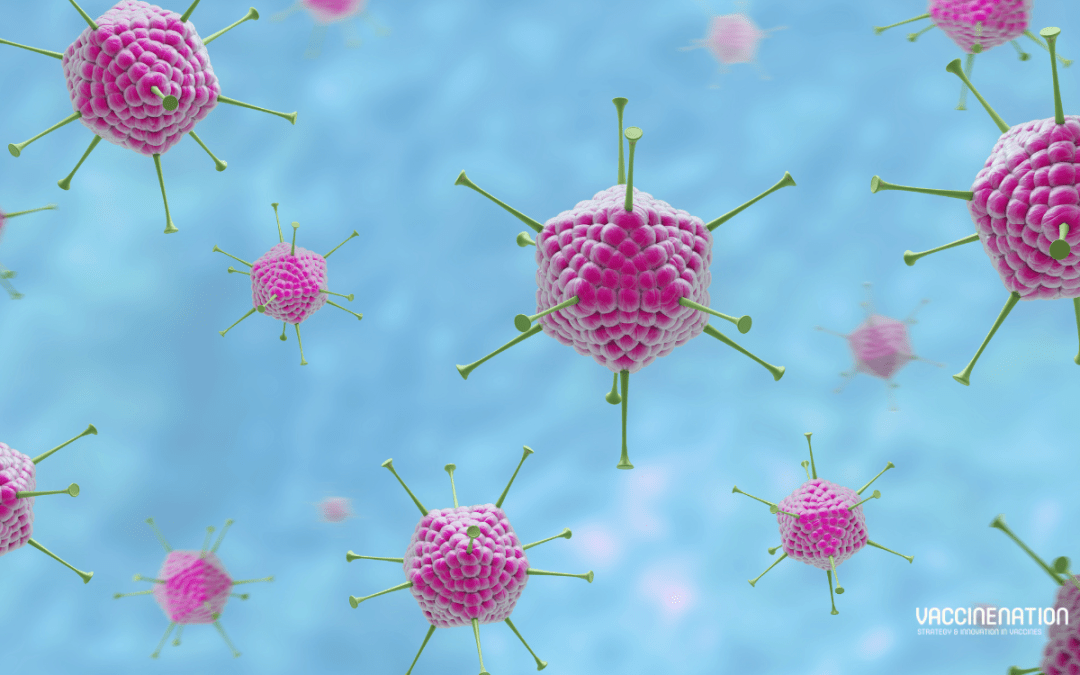
3PBIOVIAN announced in September 2024 that it has been selected by Rokote Laboratories Finland Ltd. as CDMO partner for GMP manufacturing of adenovirus type 5 (Ad5) vector-based candidate expressing a modified SARS-CoV-2 spike protein. The partnership aims to bring Rokote Laboratories’ intranasal FINCoVac 2.1 vaccine to Phase I clinical studies with 3PBIOVIAN providing Drug Substance and Drug Product. FINCoVac 2.1 is intended to elicit a strong mucosal immune response in the nasopharyngeal cells, potentially preventing infection and transmission.
Ad5 vector
The agreement covers GMP manufacturing of the Ad5 vector using 3PBIOVIAN’s standard process at facilities in Turku, Finland. With “extensive experience” in adenovirus GMP manufacturing solutions, 3PBIOVIAN pursues “successful scalability and GMP compliance”. To meet Rokote Laboratories’ “urgent” needs, the programme has advanced “exceptionally fast”.
FINCoVac 2.1
Rokote Laboratories seeks to “consolidate” the use of new vaccine technology in Finland, focusing on a second-generation coronavirus vaccine, FINCoVac 2.1. It is designed to “meet the challenge of the rapidly mutating variants” with applications as an “easy-to-dose booster”. The vaccine consists of an adenoviral vector, to which the SARS-CoV-2 viral spike protein gene has been transferred. FINCoVac is administered intranasally, so it is expected to offer a “wider immune response” than vaccines that are administered intramuscularly.
Dr Erkko Ylösmäki, CEO of Rokote Laboratories, is pleased with the partnership with 3PBIOVIAN to manufacture the vaccine.
“The ability to use 3PBIOVIAN’s standard process for rapid GMP batch production, along with their extensive experience with adenovirus-based processes, made 3PBIOVIAN the ideal CDMO partner.”
Dr Ylösmäki is excited to start the collaboration and hopes that “together we can further advance Finnish vaccine development”. Deputy CEO at 3PBIOVIAN, Antti Nieminen, commented that the company has “about two-decade-long history” in viral vector development processes and GMP-manufacturing of adenoviruses.
“We are happy to have a role in the journey of this novel second-generation coronavirus vaccine to clinical trials.”
For the latest vaccine manufacturing insights and updates at the Congress in Barcelona this October, get your tickets here, and make sure you’ve subscribed to get our weekly newsletters.
by Charlotte Kilpatrick | Sep 3, 2024 | Technology |
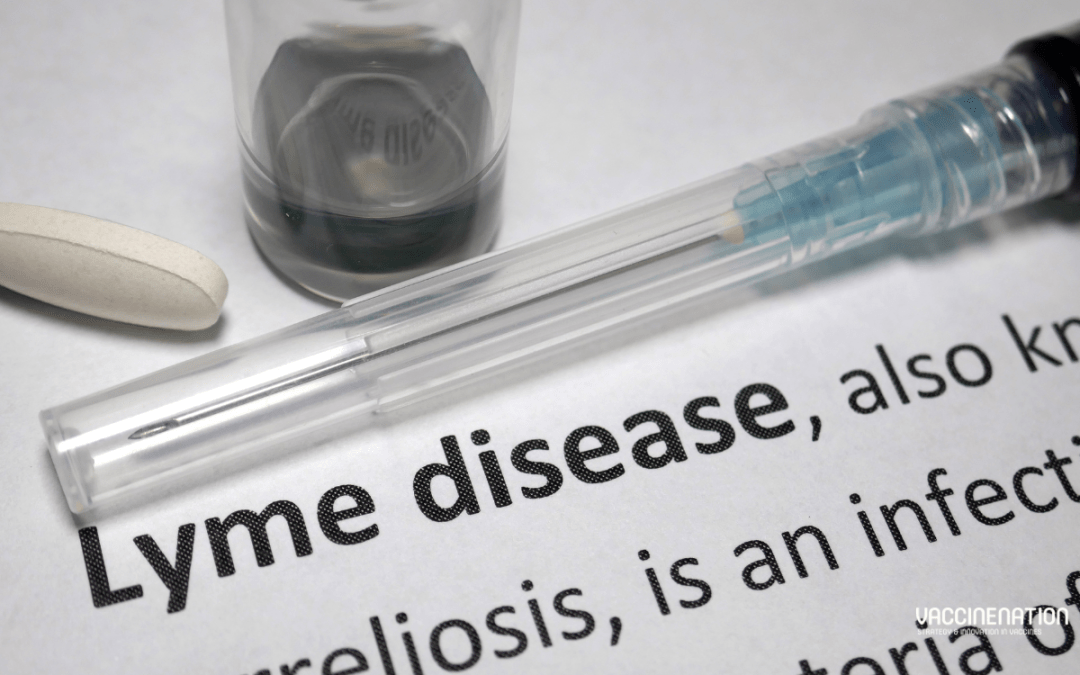
In September 2024, Valneva and Pfizer announced positive immunogenicity and safety data from the VLA15-221 Phase II study investigating a second booster vaccination of their Lyme disease vaccine candidate. The vaccine, VLA15, is administered one year after receipt of the first booster dose. The immune response and safety profile one month after the VLA15 booster dose were similar to those reported after the first booster dose, which shows “compatibility with the anticipated benefit” of a booster vaccination before each Lyme season.
VLA15
VLA15 is the most advanced Lyme disease vaccine candidate; there are no approved human vaccines for the disease. It is an investigational multivalent protein subunit vaccine that uses an established mechanism of action for a Lyme disease vaccine to target the outer surface protein A (OspA) of Borrelia burgdorferi, the Lyme disease-causing bacteria. OspA is expressed by the bacteria when present in a tick, so blocking it inhibits the bacterium’s ability to leave the tick and cause infection in humans.
The vaccine targets the six most prevalent OspA serotypes expressed by the Borrelia burgdorferi sensu lato species in North America and Europe. It is tested as an alum-adjuvanted formulation and administered intramuscularly.
Phase II study
VLA15-221 is a randomised, observer-blind, placebo-controlled Phase II study, the first clinical study of VLA15 to enrol a paediatric population (5-17 years). 560 healthy participants received either VLA15 in two immunisation schedules or placebo. The study is being conducted at US sites in areas where Lyme disease is endemic.
The most recent results “demonstrated a significant anamnestic antibody response” for all six serotypes in paediatric, adolescent, and adult participants. This was measured one month after administration of the second booster. Many participants seroconverted after the second booster dose, yielding seroconversion rates (SCRs) above 90% for all OspA serotypes in all age groups. Geometric Mean Titres were “comparably high” at one month post first and second booster.
Encouraging data
Dr Juan Carlos Jaramillo, Valneva’s Chief Medical Officer, is “encouraged” by the data, which “support the potential benefit of booster doses across all examined age groups”.
“As Lyme disease continues to spread, it represents a significant unmet medical need, affecting numerous individuals throughout the Northen Hemisphere. Each new set of positive data brings us one step closer to potentially bringing this vaccine to both adults and children living in areas where Lyme disease is endemic.”
Dr Annaliesa Anderson, Senior Vice President and Head of Vaccine Research and Development at Pfizer, reflected that the “only recommended strategies” for protection against Lyme disease are “personal preventive behaviours”.
“These data from the VLA15-221 study are an important step towards a potential vaccine that could help prevent the disease and ease the burden of acute, severe, and sometimes persistent consequences. Together with our partner Valneva, we look forward to progressing our vaccine candidate in the ongoing Phase III clinical trials.”
The ongoing Phase III clinical study, Vaccine Against Lyme for Outdoor Recreationists (VALOR) was initiated in August 2022 to investigate the efficacy, safety, and immunogenicity of VLA15 in participants aged 5 years and older in highly endemic regions in the US and Europe. There is also a second ongoing Phase III study (VLA15-1012) to provide further evidence on the safety profile of VLA15 in the paediatric population. Pfizer intends to submit a Biologics License Application (BLA) to the US FDA and Marketing Authorisation Application (MAA) to the European Medicines Agency (EMA) in 2026, subject to positive Phase III data.
For vaccine development insights at the Congress in Barcelona, get your tickets to join us here, and don’t forget to subscribe to our weekly newsletters here.
by Charlotte Kilpatrick | Sep 2, 2024 | Global Health |
UNICEF announced in August 2024 that it has issued an emergency tender for the procurement of mpox vaccines amid the public health emergency declared by Africa CDC and WHO. UNICEF is the world’s largest single vaccine buyer, reportedly procuring “more than 2 billion” doses annually for routine child immunisation and outbreak response on behalf of almost 100 countries. The tender is to help secure mpox vaccines for the “hardest hit countries” in a collaboration with Africa CDC, Gavi, WHO, PAHO, and other partners.
“This collaboration to increase access and timely allocation also includes working to facilitate donations of vaccines from existing stockpiles in high-income countries with the aim of containing the ongoing transmission of mpox.”
Emergency tender
Through the emergency tender UNICEF will establish conditional supply agreements with vaccine manufacturers to purchase and ship vaccines “without delay” once countries and partners have secured financing, confirmed demand and readiness, and regulatory requirements are in place. WHO is reviewing the information submitted by manufacturers in response to its invitation for expressions of interest for Emergency Use Listing.
The emergency tender is intended to secure immediate vaccine access and expand production. Agreements for up to 12 million doses through 2025 could be put in place, depending on demand, production capacity, and funding.
Ensuring equitable access
Director of UNICEF Supply Division, Leila Pakkala, highlighted the “paramount importance” of addressing the mpox vaccine shortage and delivering vaccines to “communities who need them now”.
“There is also a pressing need for a universal and transparent allocation mechanism to ensure equitable access to mpox vaccines.”
Dr Jean Kaseya, Director General of Africa CDC, agreed that “timely procurement and distribution” is “crucial to protecting the most vulnerable populations”. Dr Kaseya described the emergency tender as a “critical step forward in our collective effort to control the spread of this disease”.
“Africa CDC is committed to ensuring that vaccines are allocated swiftly and equitably across the continent, in partnership with UNICEF, Gavi, WHO, and other key stakeholders. Our unified response is essential to curbing the impact of this public health emergency and safeguarding the health and well-being of our communities.”
Dr Derrick Sim, Gavi’s interim Chief Vaccine Programmes and Markets Officer, echoed the significance of the emergency tender.
“Securing access to supply and financing, delivering doses, and in parallel ensuring countries are ready to administer them, are all vital actions that need to be conducted rapidly but thoroughly, and in a coordinated manner.”
Dr Sim welcomed the tender as “another positive step” in the response. WHO’s incidence manager for the global mpox response and acting Director for Epidemic and Pandemic Preparedness and Prevention is Dr Maria Van Kerkhove, who stated that a “swift, coordinated, and equitable response is critical” in the control of this mpox emergency and future iterations.
“All of us must act decisively now or risk allowing mpox to spread further and become an even greater global threat. In an interconnected world, the fight against mpox – as with other infectious diseases and health threats – cannot be waged alone.”
Dr Van Kerkhove shared that WHO is “glad to partner” on efforts to “get life-saving tools to people in need”.
For more on effective access strategies at the Congress in Barcelona this October, get your tickets to join us here, and don’t forget to subscribe to our weekly newsletters here.
by Charlotte Kilpatrick | Aug 28, 2024 | Technology |
Bharat Biotech announced the launch of HILLCHOL in August 2024, describing the novel single-strain oral cholera vaccine (OCV) as a “significant advancement in global health”. With only one manufacturer supplying OCVs globally, there is a yearly deficit of ~40 million doses. Thus, Bharat Biotech has established manufacturing facilities in Hyderabad and Bhubaneswar with the capacity to produce “up to 200 million doses” of the vaccine. HILLCHOL is administered orally on Day 0 and Day 14 to individuals older than one year.
HILLCHOL
Hilleman Laboratories compares HILLCHOL with existing cholera vaccines, which contain more than one strain; HILLCHOL uses a single, genetically engineered, inactivated ‘Hikojima’ strain, which reduces production costs and will expand access amid increasing outbreaks. HILLCHOL is presented in a mono-multidose format and should be stored at temperatures between 2°C and 8°C. It is intended to contribute “substantially” to the Global Task Force on Cholera Control (GTCC) effort of reducing cholera-related deaths by 90% for 2030. The vaccine is the result of “extensive” international collaboration.
Dr Krishna Ella, Executive Chair of Bharat Biotech, states that it is an “excellent success story of partnership leading to public health solutions”.
“Vaccines provide the best intervention to prevent, limit, and control cholera outbreaks.”
With new large-scale cGMP production facilities, Dr Ella is confident that Bharat Biotech’s production and supply capabilities are “significantly” enhanced. Hilleman Laboratories’ CEO, Dr Raman Rao, commented that “from day one our mission has been to develop affordable vaccines and biologics” for “countries with the most severe unmet medical needs”.
“This new vaccine delivers on that pledge and provides an innovative template for the internationalisation of future vaccine and biologics development from Singapore, that can positively impact global health.”
Dr Rao highlighted the pride that Hilleman Laboratories takes in the “joint effort” and ongoing “dedication to advancing global health equity through affordable, high-impact, and sustainable solutions for those who are most susceptible”.
For more on powerful vaccine partnerships driving global health innovation, get your tickets to the Congress in Barcelona this October, and don’t forget to subscribe to our weekly newsletters here.
by Charlotte Kilpatrick | Aug 27, 2024 | Technology |
Tonix Pharmaceuticals announced in August 2024 that it is collaborating with Bilthoven Biologics (BBio) to advance TNX-801. TNX-801 is Tonix’s mpox vaccine candidate, a live replicating, attenuated virus vaccine based on horsepox. It has demonstrated better tolerability than 20th century vaccinia viruses in animal models, and preclinical studies have shown “positive” efficacy data.
TNX-801
Tonix’s TNX-801 is in preclinical development for the prevention of mpox and smallpox. In preclinical studies, Tonix found that TNX-801 vaccination protected non-human primates against lethal challenge, prevented clinical disease and lesions, and decreased shedding in the mouth and lungs. It is delivered percutaneously as a single dose, which could enable “higher rates of community protection”.
“TNX-801 has the potential to make a global impact on mpox and the risk of smallpox because of its durable T-cell immune response, the potential to manufacture at scale, and the use of a lower dose than non-replicating vaccines.”
Bolstering preparedness and response
Jurgen Kwik, Chief Executive Officer at Bilthoven Biologicals, believes that the current mpox outbreak “exemplifies precisely why we built the pandemic preparedness facility at BBio”.
“The establishment of the ‘ever-warm’ facility for pandemic preparedness underscores the critical importance of readiness in the face of global health emergencies, such as mpox. This collaboration encapsulates the essential role of the facility in bolstering pandemic preparedness and response capabilities.”
Dr Seth Lederman, Chief Executive Officer of Tonix Pharmaceuticals, looks forward to collaborating with BBio and “accelerating the development of our vaccine candidate to prevent mpox”. Dr Lederman believes that the single dose administration will “improve acceptance and eliminate partial vaccination” when compared to the current two-dose regimens.
“We believe TNX-801 can be rapidly scaled up for manufacturing and can be distributed and stored without a costly and cumbersome ultra-cold supply chain.”
Dr Lederman highlighted that the “worldwide availability of an affordable, safe, and effective single dose” vaccine against mpox is “essential given the pandemic potential of the disease”. Furthermore, successful development of TNX-801 would “establish the foundation” for potential expansion of the viral vector platform.
We look forward to learning more about this vaccine at the Congress in Barcelona this October; get your tickets to join us there and don’t forget to subscribe for more vaccine updates here.
by Charlotte Kilpatrick | Aug 22, 2024 | Technology |
The Pandemic Institute announced in August 2024 that it has signed a Memorandum of Understanding (MoU) with Pharma Latch after attending the Congress in Washington this April. The collaboration will pursue several projects focused on optimising technology for safe, effective, and acceptable vaccines. Pharma Latch’s “unique” technology allows simple and efficient intradermal vaccine delivery and a “near pain free solution”. This has been identified by The Pandemic Institute as a promising avenue to encourage vaccine uptake.
Pharma Latch devices
Pharma Latch states that intradermal delivery can “enhance the efficacy” of various vaccine platforms. The technology “eliminates” user-dependency and variability associated with traditional intradermal injection techniques. The “Latch” platform uses opposing arrays of hypodermic needles of fixed length and angles. They work in pairs when deployed to establish a “slight stretching” of the skin, enabling full penetration of the needles to a predetermined depth.
Benefits include:
- Improved immune response
- Dose sparing
- Improved patient compliance and experience
- Complete dose delivery
- Simple to use devices
- High payload capability
- Low-cost, highly scalable device
Prevent and respond
The Pandemic Institute has five major research themes: Predict, Prepare, Prevent, Respond, and Recover. Central to these efforts is the development of new vaccines and community engagement to understand how to increase their acceptability. Some of the projects the collaboration will progress include:
- Patient acceptability of intradermal injection technology
- Assess the immune response when using the new technology in pre-clinical trials
- Assess how the technology works in delivering vaccines in a clinical trial
Professor Cathy Montgomery, Professor of Psychopharmacology and Health Inequalities at Liverpool John Moores University is “excited to be working with Pharma Latch to explore this new device” and uncovering the “benefits it could bring” to increasing uptake.
“Vaccine hesitancy is a rising concern in controlling infectious diseases, and anxiety around perceived pain and blood injection injury phobia (needle phobia) can be strong factors to hesitancy.”
Professor Tom Solomon CBE, University of Liverpool’s Infection, Veterinary, and Ecological Sciences Institute and Director of The Pandemic Institute is also “excited to be working with Pharma Latch going forward”.
“This new collaboration showcases what The Pandemic Institute does best – bringing together key people from across our partnership with external partners to ensure that we are putting things in place now for when the next pandemic emerges.”
Pharma Latch’s CEO, Ronan Byrne, is “delighted” with the partnership.
“We are impressed with both the breadth of ability and resources available and excited about the planned projects we will be looking to progress together.”
VaccineNation is thrilled to see the Washington Congress mentioned by The Pandemic Institute, particularly as Pharma Latch joined us in the start-up zone this year, and we look forward to following the progress made by this collaboration. For your chance to meet potential partners at the Congress in Europe this October get your tickets here, and don’t forget to subscribe to our weekly newsletters here.