by Charlotte Kilpatrick | Sep 30, 2024 | Infection |
In September 2024, WHO’s Regional Office for Africa announced that Rwandan health authorities are “intensifying outbreak control efforts” after detecting Marburg virus disease in the country for the first time. 26 cases have been confirmed in seven of the country’s districts, and six deaths have been reported. The health authorities are implementing “comprehensive response measures” and an investigation to determine the origin of the outbreak. WHO states that it is supporting these efforts with expertise and tools.
Cases reported and response triggered
26 cases have been reported; 20 are in isolation and receiving treatment, and six deaths have been recorded. 161 contacts of the reported cases have been identified so far and are being monitored. The Ministry of Health, Rwanda, posted a video on social media with a caption reassuring viewers that “people can continue with their daily activities” and “should not panic” as the “hotspots of the disease” have been identified.
WHO is “mobilising” expertise and outbreak response tools to “reinforce the control measures” that are being rolled out. A consignment of clinical care and infection prevention and control supplies will be delivered from the WHO Emergency Response Hub in Nairobi, Kenya, to Kigali in the next few days. Efforts are also underway to “reinforce collaborative cross-border measures for readiness and response” in countries that neighbour Rwanda.
WHO Regional Director for Africa, Dr Matshidiso Moeti, explained that the critical outbreak response aspects are being put in motion “rapidly” to “halt the spread of this virus swiftly and effectively”.
“With the country’s already robust public health emergency response system, WHO is collaborating closely with the national authorities to provide the needed support to further enhance the ongoing efforts.”
Marburg
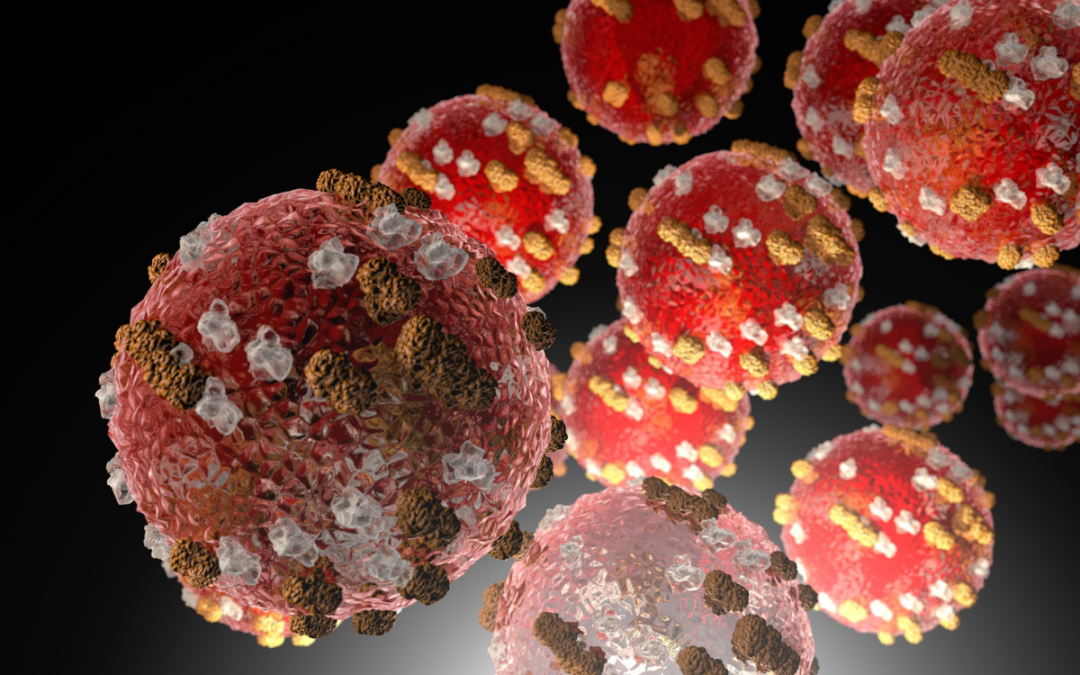
Marburg virus disease is a “highly virulent” member of the filoviridae family and causes haemorrhagic fever. It has a fatality ratio of up to 88%, with symptoms progressing rapidly after infection. The virus is transmitted to humans from fruit bats and spread among people through direct contact with the bodily fluids of infected people, surfaces, and materials.
The disease was first recognised after large outbreaks in Germany and Serbia in 1967, associated with laboratory research involving African green monkeys from Uganda. Outbreaks and cases have been reported sporadically since then, and efforts have been made to develop effective medical countermeasures. However, there is no licensed vaccine against Marburg virus disease.
A confluence of infectious disease
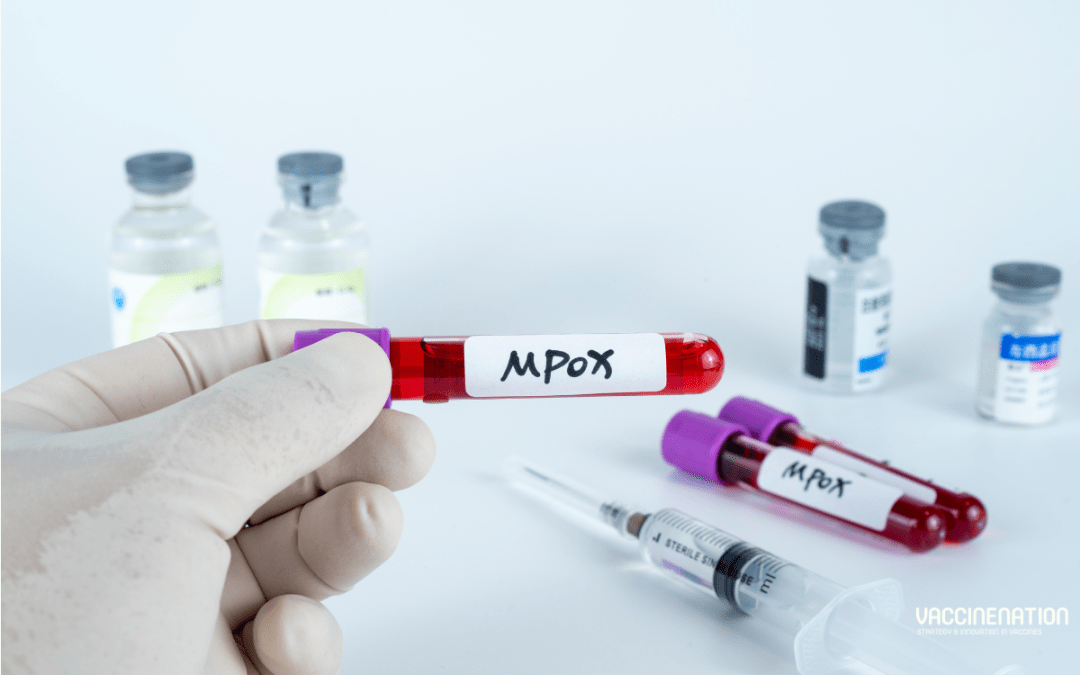
The Marburg outbreak will increase pressure on the Rwandan health system, which is already fighting its mpox outbreak, declared on 27th July 2024. In September 2024, Dr Jean Kaseya, Director-General of Africa CDC, reported that Rwanda had begun an mpox vaccine campaign after receipt of 1,000 doses. The campaign targeted districts bordering the Democratic Republic of the Congo, the epicentre of the current PHEIC. How will the health services respond effectively to both infectious disease threats, and will there be similarities or ‘doubling up’ in their strategies?
For the latest infectious disease and vaccine news, don’t forget to subscribe to our weekly newsletters here. To participate in important discussions about vaccine development in outbreak situations, join your colleagues at the Congress in Barcelona next month.
by Charlotte Kilpatrick | Sep 30, 2024 | Global Health |
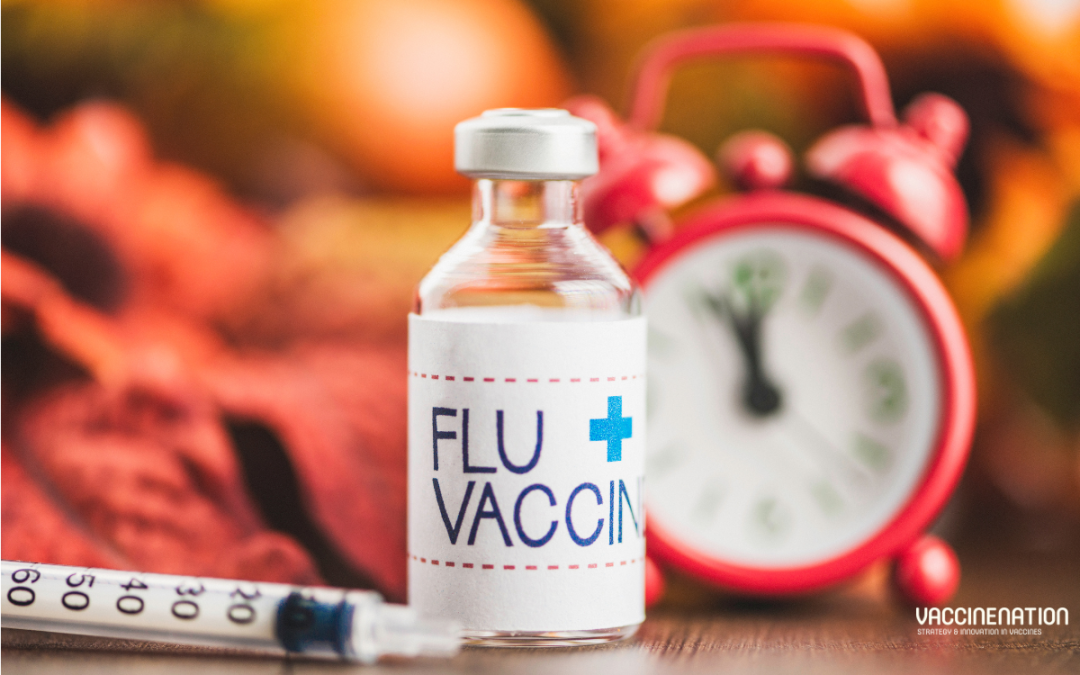
In response to recent data on influenza-associated deaths in the United Kingdom and United States, experts from the UKHSA and the CDC are urging everyone who is eligible for a flu vaccine to get vaccinated. A survey from the National Foundation for Infectious Diseases (NFID) suggests that few adults in the United States intend to get vaccinated against flu, COVID-19, respiratory syncytial virus (RSV) or pneumococcal disease, expressing concerns about side effects and a “general distrust” of vaccines. A decrease in uptake has also been observed in the UK, a source of “real concern” for UKHSA.
NFID’s study
The National Foundation for Infectious Diseases (NFID) commissioned an annual survey of US adults to “better understand current attitudes and behaviours” about infectious diseases like influenza (flu) and COVID-19. The study was conducted in August 2024 and included 1,160 complete responses from adults aged 18 and over. The study found that, although 67% agreed that an annual flu vaccination is the “most effective” way of preventing flu-related hospitalisations and deaths, 45% did not plan to or were unsure if they would get vaccinated this season. Only 38% indicated intention to get a flu vaccine this year.
When asked about attitudes towards each disease, “less than 1 in 5” were concerned about themselves or someone in their family getting infected this season:
- RSV – 16%
- Flu – 17%
- Pneumococcal disease – 17%
- COVID-19 – 20%
The survey explored the “top reasons” for people who will or might get a flu vaccine to get vaccinated against flu, including:
- To protect yourself – 76%
- To protect your family – 65%
- To avoid severe complications, including hospitalisation and death – 51%
- To avoid getting sick and missing work or school – 51%
Nearly half (49%) of participants who are at higher risk for flu-related complications cited their chronic health condition as a reason to get vaccinated against flu. Almost 3 out of 4 (72%) of adults who were diagnosed with flu in the last 2 years were likely to get a flu vaccine.
Mistrust and confusion
The top reasons cited for not getting vaccinated included concerns about side effects and a lack of trust in vaccines. While 75% of respondents trust doctors, nurses, and pharmacists for information about vaccines, only 55% trust the CDC and 51% trust state and local health departments.
“Healthcare professionals remain the most trusted source of information about vaccines and play a critical role in protecting public health by providing clear, consistent, and strong vaccine recommendations.”
Data are concerning
At a press conference in September 2024, CDC Director Dr Mandy Cohen stated that in the previous flu season, “an estimated 25,000 people in the US died from flu or related complications”.
“We can protect ourselves and those we care about by getting updated vaccines to reduce the risk of serious illness from flu and COVID-19 and do more of the things we enjoy.”
CDC data indicate that the 2023-2024 flu season in the US was “moderately severe”, causing around 41 million illnesses, 490,000 hospitalisations, and 25,000 flu-related deaths. 199 children died due to flu-related illness, which matches the previous high from 2019-2020. Also at the press conference, Dr Robert H. Hopkins, Jr., NFID Medical Director, described vaccines as a “shield against illness” and an “important tool in our public health efforts”.
“The low vaccination rates among persons with chronic health conditions are of particular concern because they are more likely to develop serious and even life-threatening complications from respiratory infections.”
Dr Hopkins encouraged “everyone at increased risk” to speak to a healthcare professional about vaccination.
“Vaccines save lives, and we all play an important role in helping protect ourselves, our loved ones, and our communities from preventable infectious diseases.”
Dr Reed V. Tuckson, co-founder of the Black Coalition against COVID and chair of the board of the Coalition for Trust in Health & Science, emphasised the importance of building trust by “enhancing our support for people in using science and evidence to make personally appropriate decisions”.
“The pandemic taught us that it is possible to close some of the gaps in immunisation rates among communities of colour, but we still have a long way to go. In addition to evidence-based messaging, we know that guidance from familiar, trusted healthcare professionals working with minority communities is essential to building vaccine confidence.”
Similar concerns across the pond
UKHSA modelling suggests that in the 2023-2024 season, influenza-attributable mortality was around 2,776 deaths due to influenza, a significant decrease from 15,465 in the previous season. Estimates of influenza vaccine effectiveness (VE) against laboratory confirmed influenza in primary care ranged between 46% and 54%. Effectiveness against hospitalisation ranged from 30% in individuals aged 65 and above to 74% in children between 2 and 17 years. However, uptake was low in people with long-term health conditions (41%), 2- and 3-year-olds (44%), and pregnant women (1 in 3).
“Across eligible groups, influenza vaccine uptake in the UK was generally lower in the 2023 to 2024 season compared to the 2022 to 2023 season.”
The decrease from 2022-2023 to 2023-2024 is broken down into various risk categories:
- Aged 65 years and over: 77.8% compared with 79.9%
- Aged 6 months to under 65 years with one or more long-term health conditions: 41.4% compared with 49.1%
- Pregnant women: 32.1% compared with 35%
There was an increase observed in the 2- and 3-year-olds group, from 43.7% to 44.4%.
Get Winter Strong
A scaled-up Get Winter Strong campaign, the result of a collaboration between UKHSA, the Department for Health and Social Care, and NHS England, is set to launch on 7th October to “help reduce the impact of winter viruses on those most at risk” and ease NHS “winter pressures”. The campaign will urge people who are eligible to get their flu and COVID-19 vaccines when invited, and (for the first time) will encourage pregnant women to get RSV and whooping cough vaccination. The maternal RSV vaccine provides “strong protection” for newborns in their first few months of life, when they are at the greatest risk of severe illness from RSV.
Dr Gayatri Amirthalingam, UKHSA Deputy Director of Immunisation, emphasised that “getting vaccinated ahead of winter is by far your best defence” against the “many dangerous viruses circulating in our communities”.
“If you’re pregnant or have certain long-term health conditions, you are at greater risk of getting seriously ill. Older people and young infants with flu are also much more likely to get hospitalised. So, if you or your child are offered the flu, COVID-19, or RSV vaccines, don’t delay in getting them. Please speak to your nurse or doctor if you have any concerns.”
Maryam Sheiakh from Manchester is quoted by UKHSA reflecting on her experience with her daughter’s flu infection. Saffy, aged 4 at the time of infection, spent a week in hospital and was transferred to a High Dependency Unit. Luckily, Saffy made a full recovery, and Maryam encouraged parents to ensure that their children get vaccinated.
“Just go and get it, don’t take the risk. No parent wants to watch their child suffer like we did with Saffy.”
The Get Winter Strong campaign will last 10 weeks, appearing on television, radio, poster sites, and social media channels. What efforts are your national health agencies making to encourage vaccination ahead of the flu season, or how are they communicating the risks of infection and benefits of vaccination?
To discuss flu vaccine development and strategies with your colleagues at the Congress in Barcelona next month, get your tickets here, and don’t forget to subscribe to our weekly newsletters for the latest vaccine news.
by Charlotte Kilpatrick | Sep 12, 2024 | Global Health |
A study in Open Forum Infectious Diseases in September 2024 estimates the number of deaths averted through vaccination in Latin America and the Caribbean Region (LAC) during the first year and a half of vaccination efforts. The study spans January 2021 to May 2022 and includes 17 countries in LAC. The authors estimate that vaccination efforts resulted in between 610,000 and 2.61 million deaths averted. Their findings “underscore the substantial impact of timely and widespread vaccination” and provide “crucial support” for vaccination programmes against epidemic infectious diseases and future pandemics.
Rapid response
WHO’s declaration of a global pandemic in March 2020 prompted the development and implementation of “control and mitigation plans” around the world. Despite these efforts, COVID-19 caused “substantial health and socioeconomic losses and significant mortality”; more than 7 million deaths due to COVID-19 were reported since 1st January 2020. Countries in the Americas were “among the hardest hit by the pandemic”, with approximately 43% of all reported COVID-19 deaths reported from the region by 2023. By spring of 2023, South America experienced 1.35 million COVID-19 deaths.
Vaccines against COVID-19 became available for use in Latin America and the Caribbean in early 2021. In July 2021, eight COVID-19 vaccines had received Emergency Use Listing (EUL) through WHO pre-qualification. This increased to 15 by May 2023, with others under assessment for pre-qualification.
“The rapid deployment of vaccines has been proven critical to halt the pandemic’s toll in the region.”
PAHO’s Revolving Fund enabled many countries to access vaccines. In LAC countries, 82% of the population had received at least one dose of a COVID-19 vaccine by spring 2023. However, “wide inter- and intra-country variation in access and availability” were identified in the region.
The study
The researchers sought to estimate the number of COVID-19 deaths averted through vaccination in selected countries of the LAC region during the pandemic. They used existing data on reported deaths and vaccination coverage from 17 countries in the region during the period from vaccine introduction in each country to May 2022. The countries selected were Argentina, Belize, Bolivia, Brazil, Chile, Colombia, Costa Rica, Ecuador, El Salvador, Guatemala, Honduras, Jamaica, Mexico, Paraguay, Peru, Uruguay, and Venezuela. Other countries in the region were excluded due to missing data. The analysis considered adults over 18, stratified by age (18-59 and 60+).
1.05 million COVID-19 deaths were reported in 17 countries considered between the start of vaccination, which ranged by country from December 2020 to March 2021, to May 2022. The analysis accounts for underreporting to assume that there were likely 1.49 million COVID-19 deaths in these countries during this time. The model estimates that, without vaccination and assuming medium vaccine effectiveness, there would have been 2.67 million deaths during this period. This means that an estimated 1.18 million deaths were averted by vaccination; the estimate ranges between 610,000 deaths averted with low vaccine effectiveness and 2.62 million deaths averted with high vaccine effectiveness.
“Overall, our model estimates that approximately 273 (142-607) deaths were averted per 100,000 people in LAC.”
The authors believe that this study is the first multi-country study to evaluate the effect that vaccination had on COVID-19 deaths in the LAC region, estimating up to 2.6 million deaths averted. As LAC countries faced “various challenges” in implementing their vaccination campaigns, the study can “help inform policy and decision-makers of the outcome of these campaigns”. Future research is needed to provide in-depth analyses of countries to assess differences in vaccine effectiveness by specific region or population group and evaluation of potential alternative vaccination scenarios.
“Despite the many challenges to COVID-19 vaccination in LAC – including timely access to vaccines, varying vaccine products and schedules, evolving circulating variants, and shifting vaccination strategies and target groups – these findings underscore the substantial impact of timely and widespread vaccination in averting COVID-19 deaths.”
At the Congress in Barcelona this October we will hear from a panel of experts on how we can establish a “sustainable vaccine production ecosystem” in Latin America, with implications for future vaccination strategies. Get your tickets here to join us for this session, and don’t forget to subscribe to our weekly newsletters here.
by Charlotte Kilpatrick | Aug 13, 2024 | Global Health |
A paper in The Lancet Respiratory Medicine presents results from a WHO Europe study that suggest that COVID-19 vaccines saved at least 1.6 million lives in Europe by March 2023. The retrospective surveillance study uses weekly data on COVID-19 mortality and infection, COVID-19 vaccination uptake, and SARS-CoV-2 virus characterisations by lineage from The European Surveillance System and vaccine effectiveness data from the literature. During the period considered, most lives saved by COVID-19 vaccination were in “older adults” by first booster dose and during the Omicron period. This highlights the importance of ensuring that the “most at-risk individuals” have up-to-date vaccination.
COVID-19 and vaccines
From the start of the COVID-19 pandemic to March 2023, 2.2 million COVID-19 deaths were reported to WHO Europe from the 54 countries, areas, and territories (CAT) in the Region. However, the “true number” of deaths linked directly or indirectly to COVID-19 is believed to be “even greater”. Throughout the pandemic, “disproportionately higher mortality rates” are identified in older age groups, with a global review suggesting that persons aged 60 years or older accounted for “over 80%” of all COVID-19 fatalities.
COVID-19 vaccines were introduced in late 2020, and “have been shown to be safe and highly effective” in protecting against severe COVID-19 infection. By March 2023, 69% of people aged 60 years or older in 49 CAT in the Region were reported to have received at least three doses of a vaccine.
The study
The researchers aimed to estimate the number of lives saved by COVID-19 vaccination in adults aged 25 years or older in the WHO European Region from the beginning of COVID-19 vaccine introduction to March 2023; this was a period of 2.5 years. Results were stratified by age group, predominant circulating VOC, and vaccination dose. The analysis also considered waning protection and previous infection.
The authors found that, over nearly 2.5 years, COVID-19 vaccination programmes across 34 CAT in the Region reduced COVID-19 mortality by “an estimated 59%, saving approximately 1.6 million lives”. In those 34 CAT, the number of lives saved ranged from 542 to 449,241. This is consistent with other studies, including previous research from the team that suggested COVID-19 vaccination reduced COVID-19 mortality in Europe by 51% in the first 12 months of the pandemic.
A point that the authors highlight is that during the Omicron period, when infection severity “decreased relative to earlier periods of previous VOC circulation”, the vaccines “still substantially reduced mortality”. Indeed, “most lives (60%)” were saved during the Omicron period.
Another key result is that the “highest impact of vaccination” was in adults aged 60 years or older; 96% of all COVID-19-averted deaths by vaccine in 34 CAT were in this age group, even though only 26% of reported infections in adults occurred in the age group. Furthermore, adults aged 80 years or older accounted for 52% of all lives saved through vaccination, despite only 6% of reported SARS-CoV-2 infections occurring in this group. Booster doses in older age groups “had an important role in saving lives”; the authors found that early introduction of the first booster dose prevented 769,469 deaths in adults aged 60 or older.
Vaccinations save lives
Dr Margaux Meslé, study author from WHO/Europe, commented that the results are “clear”:
“COVID-19 vaccination saves lives. Our findings remind us of the integral role played by vaccines to ensure people return to a semblance of their pre-pandemic lives across the Region, in work and leisure.”
Dr Meslé stated that without the “enormous vaccination effort”, more livelihoods would have been “disrupted” and lives lost. Although “we are now out of the pandemic phase”, SARS-CoV-2 remains a threat in the Region.
“COVID-19 vaccination continues to be important for people who are at high risk of severe outcomes if they get infected.”
WHO is “continuing to monitor SARS-CoV-2 activity” and the effect it is having.
“We urge high-risk individuals to remain alert and follow national COVID-19 vaccine recommendations, and Member States in WHO European Region to continue implementing COVID-19 vaccination, targeting the most vulnerable.”
For more on COVID-19 vaccination and disease management for vulnerable groups, do join us at the Congress in Barcelona this October at the COVID and Beyond Track. Don’t forget to subscribe to our weekly newsletters here.
by Charlotte Kilpatrick | Jul 31, 2024 | Infection |
Africa CDC shared a situation update on mpox on the African continent in July 2024. This reveals that between January 2022 and July 2024 a total of 37,583 cases and 1,451 deaths have been reported. The Case Fatality Rate (CFR) is 3.9%. 15 African Union Member States have reported these cases. In 2024 alone (until July 2024), a total of 14,250 cases and 456 deaths (CFR of 3.2%) have been reported from 10 Member States. This represents a 160% increase in cases and a 19% increase in deaths compared to the same period in 2023.
A worrying increase
Over the past two years the 15 Member States that have reported mpox cases are: Benin, Burundi, Cameroon, Central African Republic (CAR), Congo, Democratic Republic of Congo (DRC), Egypt, Ghana, Liberia, Morocco, Mozambique, Nigeria, Rwanda, Sudan, and South Africa. In 2024 the following countries have reported cases:
- Burundi – 8 cases, 0 deaths
- Cameroon – 35 cases, 2 deaths
- CAR – 213 cases, 0 deaths
- Congo – 146 cases, 1 death
- DRC – 13,791 cases, 450 deaths
- Ghana – 4 cases, 0 deaths
- Liberia – 5 cases, 0 deaths
- Nigeria – 24 cases, 0 deaths
- Rwanda – 2 cases, 0 deaths
- South Africa – 22 cases, 3 deaths
Further to these cases, Chad has reported 24 suspected cases but no confirmed cases. DRC accounts for 96.3% of all cases and 97% of all deaths in 2024.
High geoscope and risk
Africa CDC ranks the geographic scope (geoscope) for mpox in Africa as “high”. Considering the morbidity and mortality, probability of spread, and availability of effective control measures, the risk assessment is also “high”.
“While mpox is moderately transmissible and usually self-limiting, the case fatality rate has been much higher on the African continent compared to the rest of the world. Despite a safe and effective vaccine and antiviral treatment against mpox, these are not readily available.”
Africa CDC’s response
The update concludes with a few “key ongoing activities” contributing to Africa CDC’s participation in mpox preparedness and response:
- Activation of the Emergency Operations Centre (EOC) to enhance coordination and provide technical support to Member States
- High-level political advocacy and agenda setting
- Deployment of the Africa CDC Rapid Response Team to DRC to support response efforts including coordination, surveillance and contact tracing, field investigation, and strategy development
- Laboratory support – providing RT-PCR test kits and ancillary supplies and training participants in sample processing, RT-PCR-based detection, sequencing, and molecular diagnosis
- Training and resources – a four-module animated course for public health professionals, policymakers, and health workers in endemic areas with information on mpox prevention, detection, treatment, patient care, infection control, and outbreak investigation
- Collaboration with partners
- Advocating for strengthened surveillance, diagnostic capacities, and access to vaccines and medical drugs
For more on using available vaccines to control outbreaks across the world, why not join us in Barcelona for the Congress this October? Don’t forget to subscribe to our weekly newsletters here for infectious disease insights.
by Charlotte Kilpatrick | Jun 13, 2024 | Infection |
In June 2024 South Africa’s Minister of Health, Dr Joe Phaahla, announced an additional laboratory-confirmed case of mpox and a second death linked to the disease. This follows an update that reported a total of 5 laboratory-confirmed cases and the first death. As none of the cases have travel history to countries experiencing an outbreak, the Minister infers that there is local transmission in South Africa.
Increasing numbers
The first report from Dr Phaahla stated that all 5 cases were males between the ages of 30 and 39 years. These cases were classified “severe”, requiring hospitalisation. The cases have co-morbidities and were identified as “key populations, Men who have Sex with Men (MSM)”.
A day after the first announcement, a further case was admitted to hospital in uMgungundlovu, KwaZulu-Natal (KZN) and tested positive for mpox on Wednesday 12th June. This patient was living with HIV and presented with “extensive lesions, lymphadenopathy, headache, fatigue, oral ulcers, muscle pain, and sore throat”. He died on the same day.
The country responds
Dr Phaahla emphasised the importance of “personal hygiene, timely presenting at the health facility for early diagnosis, and effective treatment”. Three of the first five cases were given Tecovirimat, a treatment recommended by WHO for use in severe cases. His statement indicates that “options are being considered” for vaccine targeting.
“South Africa is trying to source vaccine from WHO member countries who have stockpiles that exceed their needs as well as from GAVI.”
The vaccines will be stored and distributed from provincial depots. The National Advisory Group for Immunisation (NAGI) Technical Working Group for Mpox vaccines has been appointed and is reportedly considering use of the vaccine for pre- and post-exposure administration for “high-risk groups, including but not limited to sex workers, men-who-have-sex-with-men, healthcare workers, and laboratory workers”.
“One death is too many, especially from a preventable and manageable disease like mpox.”
For more infectious disease updates don’t forget to subscribe to our weekly newsletters here.
by Charlotte Kilpatrick | Feb 12, 2024 | Infection |
In February 2024 Ireland’s Health Service Executive (HSE) Health Protection Surveillance Centre stated that it had been notified of the death of an adult with “confirmed” measles, reported from a hospital in the Dublin and Midlands Health Region. It was the first confirmed measles case notified in Ireland in 2024 as cases surge in other countries, causing concern over participation in the recommended MMR vaccination programme.
Health response
HSE states that public health teams are working with the HSE Measles National Incident Management Team (IMT) to take “all necessary public health actions” to address the case. The Measles IMT was established in response to the wider rise in cases across the UK and Europe. It is reported that 4 cases were identified in 2023, two in 2022, and none in 2021. There were no deaths recorded in recent years.
The HSE offers MMR vaccination to “all children” within the childhood immunisation schedule and offers a catch-up service for children aged 10 years or under who have missed the earlier opportunity.
An “alarming rise” for WHO Europe
In December 2023 WHO Europe warned of an “alarming rise” in measles cases, with over 30,000 cases reported by 40 of the Region’s Member States between January and October 2023.
“This represents a more than 30-fold rise. The rise in cases has accelerated in recent months, and this trend is expected to continue if urgent measures are not taken across the Region to prevent further spread.”
Dr Hans Henri P. Kluge, WHO Regional Director for Europe, was concerned not only by the increase in cases, but the “nearly 21,000 hospitalisations and 5 measles-related deaths”.
“Vaccination is the only way to protect children from this potentially dangerous disease. Urgent vaccination efforts are needed to halt transmission and prevent further spread.”
This message was echoed by Professor Dame Jenny Harries of UKHSA in January 2024 as she encouraged parents to check their children’s vaccination status to ensure they have “lifelong protection”.
How bad can it be?
WHO describes measles as a “highly contagious disease” that spreads “easily”; it can cause “severe disease, complications, and even death”. It is most common in children. However, the measles vaccine, introduced in 1963, is the “best way” to prevent severe disease and transmission. Prior to the vaccine, WHO suggests that “major epidemics” occurred approximately every two to three years”, causing “an estimated 2.6 million deaths each year”.
To join us at the Congress in Washington this April to explore childhood immunisation strategies and managing uptake in a time of mistrust, get your tickets here. Don’t forget to subscribe for more insights and updates.