by Charlotte Kilpatrick | Oct 23, 2024 | Global Health |
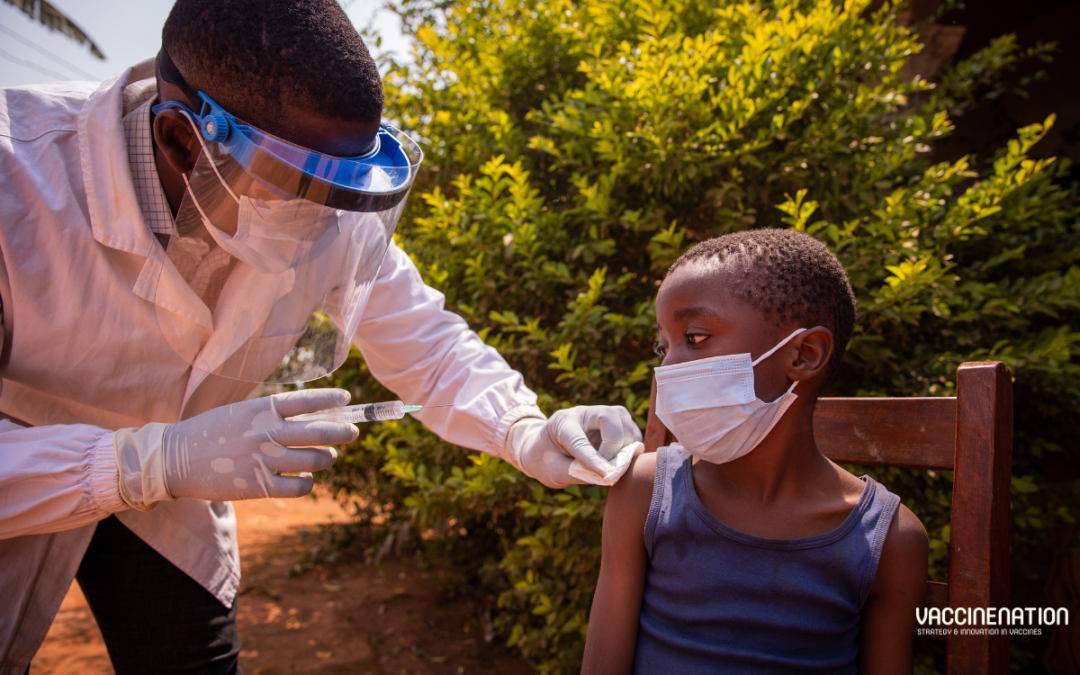
A study in The Lancet Global Health sought to provide counterfactual scenarios to evaluate the short-term effects of different vaccination strategies on mpox cases and deaths in the Democratic Republic of the Congo (DRC). The researchers used a dynamic transmission model to simulate mpox transmission, stratified by age and province; this was used to assess potential vaccination strategies and their effects on deaths and cases in an epidemic year. The results indicate that vaccinating children aged 15 years or younger, or younger than 5 years, in endemic regions, would be the “most efficient use of vaccines” when resources are limited.
Mpox in DRC
Mpox was first identified in the Democratic Republic of the Congo (DRC) in 1970; it is a zoonotic infectious disease caused by the monkeypox virus (MPXV), which is endemic in “numerous regions” of west and central Africa. MPXV has two clades:
- Clade I is endemic in central Africa with an estimated case fatality rate of up to 10% and mainly affecting children. It is divided into two subclades, Ia and Ib.
- Clade II was historically found in west Africa, with an estimated case fatality rate of up to 1%-3%. It is also divided into two subclades, IIa and IIb. Clade IIb was responsible for the global mpox epidemic in 2022.
The authors state that, until 2022, MPXV was not associated with large outbreaks; most cases were related directly to sylvatic transmission from animals to humans via hunting, wild game preparation, and consumption. Increases in human-to-human transmission were identified in 2017.
The researchers suggest that the low likelihood of transmission in the early decades after the virus’ discovery could be related to smallpox eradication programmes, which offered cross-immunity via vaccination against a related orthopoxvirus. Indeed, since the cessation of the smallpox vaccination programme in the DRC, there has been a “concurrent increase in mpox cases and outbreak frequency”. There is an ongoing, “unprecedentedly large” outbreak of clade I mpox in the DRC, with more than 14,000 reported suspected cases by the end of 2023 and a 4.6% case fatality rate. Over 70% of the deaths are in children younger than 15 years.
Genetic analyses of clade Ia MPXV genomes indicate that in this outbreak, multiple, independent zoonotic introductions into the human population have occurred from one or more reservoir species. An increasing burden of clade Ib MPXV infections have been identified in eastern DRC with evidence of “sustained” human-to-human transmission and many cases in women aged 15-29 years, but clade Ia infections continue to comprise most mpox cases in the DRC.
The study
Bavarian Nordic’s modified vaccinia Ankara vaccine (JYNNEOS) is protective against mpox. It was approved by the US FDA in 2019 but was not widely used against mpox until the 2022 outbreak, when it was “quickly mobilised to vaccinate people at high risk of infection in the USA and Europe”. Despite its high efficacy at two doses, it is “largely unavailable” outside the USA and Europe.
The authors aimed to inform policy and decision makers on the “potential benefits of, and resources needed,” for mpox vaccination campaigns in the DRC. They used an approach based on models from operations research and decision science to offer a robust analysis of policy choices “even in the context of incomplete and uncertain data”. The study uses mathematical modelling to simulate the spread of mpox in the DRC during 2023.
Without vaccination, the model predicted 14,700 cases of mpox and 700 deaths from mpox in the DRC over 365 days, consistent with reported estimates. Almost 50% of the cases and deaths came from the province of Equateur. Cases were evenly split between the three age groups: 34% in children under 5 years, 32% in children aged 5-15 years, and 34% in people older than 15 years. However, deaths were “predominantly” seen in children younger than 5 years (51%).
Vaccinating 80% of children younger than 5 years in all provinces or provinces with a history of mpox cases decreased the outbreak to 10,500 cases and 400 deaths. Vaccinating in endemic provinces increased cases to 10,700 and deaths remained the same. The numbers of vaccine doses needed for the strategies were 41.4 million (all provinces), 33.8 million (provinces with a history of mpox), and 13.2 million (endemic provinces only).
Vaccinating 80% of children younger than 15 years in all provinces or provinces with a history of mpox cases decreased the outbreak to 6,400 cases and 200 deaths. Vaccinating in endemic provinces increased cases to 6,800 and deaths remained the same. The numbers of vaccine doses required for these strategies were 81.6 million (all provinces), 67.1 million (provinces with a history of mpox), and 26.6 million (endemic provinces only).
Vaccinating 80% of all ages in all provinces or only non-endemic provinces with a history of cases decreased the case burden to 1,400 cases and 100 deaths, and 2,000 cases and 100 deaths when vaccinating in provinces endemic for mpox. The numbers of doses required for these strategies were 170.8 million (all provinces), 142.0 million (provinces with a history of mpox), and 56.8 million (endemic provinces only).
Managing resources
The paper finds that vaccinating all ages leads to the “largest impact on magnitude of cases and deaths”, but that vaccinating only children aged 15 years or younger provides “nearly the same effect with fewer vaccine doses required”. Although vaccinating only children younger than 5 years showed a “drop-off” in averted cases and deaths, it provides the most efficiency.
“This analysis shows the effectiveness of focussing an mpox vaccination campaign specifically in the provinces endemic for mpox in the DRC. This targeted strategy prevents nearly as many cases and deaths as broader approaches but uses fewer vaccine doses and thus would be less costly to implement.”
Alexandra Savinkina, fourth year PhD student in the Yale School of Public Health (YSPH) Department of Epidemiology (Microbial Diseases), commented that this study could influence vaccination policy.
“My hope is that it could help inform policy for vaccination in the country and potentially the region and move the needle forward on getting vaccines to the people who need them most in the DRC.”
Savinkina hopes that “we can learn from the global mpox outbreak that we can’t ignore disease in other places”.
“If the resources to help people exist, I think we should be using them, whether in the U.S. or in Africa.”
Dr Gregg Gonsalves, associate professor of epidemiology at YSPH, acknowledged barriers to access.
“We take it for granted that we can get a vaccination for COVID or a flu shot at our local CVS, but the infrastructure to deliver vaccines in DRC is far less robust.”
For more vaccine research updates, subscribe to our weekly newsletters here.
by Charlotte Kilpatrick | Oct 11, 2024 | Global Health |
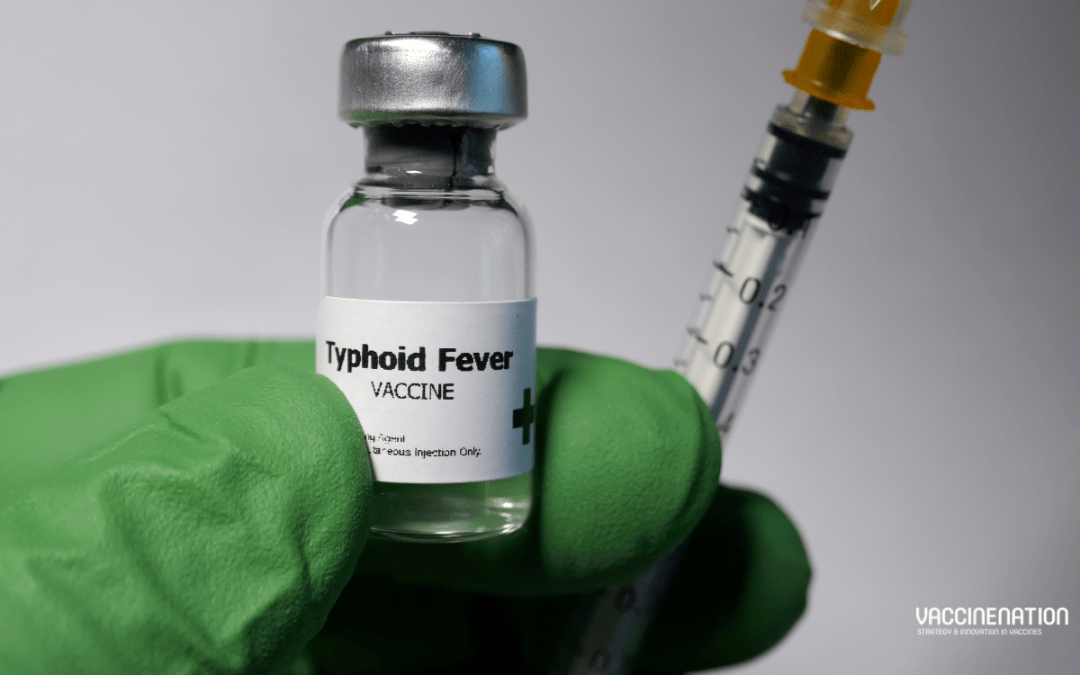
A study in The Lancet in October 2024 finds that a single dose of typhoid conjugate vaccine (TCV) offers safe and effective protection against typhoid two years after vaccination in all children and sustained protection for older children at three to five years after vaccination. However, a “decline” in protection was observed after this period, with the greatest decline identified in children vaccinated at younger ages. The authors infer that a booster dose of TCV, perhaps around school entry age, might be needed for children vaccinated while younger than two years old, to sustain protection through the years when the risk is highest.
TCV
Typhoid fever places a “substantial disease burden” on low- and middle-income countries “marked by inadequate sanitation and limited access to clean water”. There are an estimated 7.15 million cases and 93,300 deaths each year. This burden is exacerbated by the “escalation” of antimicrobial resistance (AMR), which reduces treatment options. WHO recommends vaccines as an “important tool” in typhoid prevention and control strategies.
The first typhoid conjugate vaccine (TCV) was prequalified by WHO in 2017 based on field safety and immunogenicity data and findings from a controlled human infection model. 2-year vaccine efficacy has since been confirmed at 79-85% in randomised control trials. Research has revealed a “consistent trend” of waning protection in children vaccinated at a young age. Although WHO’s current recommendation is a single dose for infants and children from 6 months of age, epidemiological studies in countries across Asia and Africa suggest that incidence peaks in children between the ages of 5 and 9 years. Therefore, the authors identified a need to understand if a single dose of TCV can provide “substantial protection” in the medium and long term, or if a booster dose is needed.
Expanding the TyVAC trial: TyVOID
The cluster-randomise controlled trial (TyVAC) to assess the safety, immunogenicity, and protection conferred by a single dose of TCV started in Bangladesh in 2018 with a follow-up to 18 months. To generate further data, the authors extended this to evaluate vaccine protection and immunogenicity at 3-5 years after vaccination.
In TyVAC, healthy children aged 9 months to 15 years were offered TCV or a Japanese encephalitis vaccine according to their cluster of randomisation. 150 clusters were randomised to either TCV or the Japanese encephalitis vaccine, with 75 in each group. After a 3-month passive surveillance period, the baseline of TyVOID began at the final visit of TyVAC. Vaccinated children visited study clinics; after unmasking, participants in the Japanese encephalitis group were offered vaccination with a single dose of TCV, but TCV recipients were not offered the Japanese encephalitis vaccine.
Two cohorts of TCV-vaccinated children were available for follow-up:
- The group vaccinated in the original study between April 2018 and November 2019 (previous-TCV group)
- The group originally vaccinated with Japanese encephalitis and later TCV between January and August 2021 (recent-TCV group)
Results
During a median of 2.4 years, 14 episodes of typhoid fever were detected in the recent-TCV group (incidence rates of 31 per 100,000) and 45 episodes among the previous-TCV group (incidence rates of 97 per 100,000). The “significantly higher” incidence of typhoid fever in the previous-TCV group indicates a “drop in the vaccine effectiveness” 3-5 years after vaccination. The waning of vaccine effectiveness was further confirmed through the inclusion of unvaccinated children who sought care for fever as the reference group.
The decline in vaccine effectiveness correlated with age at vaccination; children in the youngest age group exhibited the most substantial reduction in vaccine effectiveness. The reason for the age-specific difference is “unclear”, but the authors suggest that underdeveloped bone marrow in younger children results in a weaker ability to support long-lived plasma cells. Another possibility is that older children have more opportunities for exposure to S Typhi than younger children, contributing to a greater durability of antibody concentrations after vaccination.
The issue of exposure is also relevant in comparing this study to a study in Malawi, as the incidence of typhoid fever in Bangladesh was “approximately three times higher”, with greatest disparity in younger children. Therefore, while a single dose of TCV might remain “highly effective” in Malawian children, it ceases to confer sufficient protection in Bangladeshi children.
“Put simply, it may be that more antibody is needed in Bangladesh to protect against typhoid fever than in Malawi as the incidence of infection is likely to be higher in Bangladesh.”
Implications
The introduction of TCV as a catch-up campaign in several countries is “likely to have a substantial impact” on the typhoid burden in these countries. TCV will then be integrated into local EPI programmes with a single dose, focussing on infants and toddlers. However, the authors urge WHO to evaluate their data and consider the “potential need for a booster around school entry age”.
Associate Professor Xinxue Liu of the Oxford Vaccine Group is one of the senior authors and emphasised how “serious and life-threatening” the disease is, particularly for “children and adolescents in low- and middle-income countries”.
“TCV offers the best chance to reduce the burden of typhoid, helping to reduce transmission and limiting further evolution of drug-resistant strains. This study provides additional information for policy makers on longer-term TCV protection and the importance of continued investigation and updated guidance.”
Dr Firdausi Qadri, Senior Scientist at the Infectious Diseases Division at the International Centre for Diarrhoeal Disease Research, Bangladesh (icddr,b) and first author, commented that the results “indicate a decay in antibody concentrations in different age groups”.
“[They] suggest that a booster dose around school entry age for children vaccinated while younger than 2 years could be considered, to sustain the protection from TCV through the school years when children are at greatest risk of typhoid.”
Professor Sir Andrew Pollard, Director of the Oxford Vaccine Group, reflected on WHO’s “current” recommendation.
“Epidemiological studies in different countries across Asia and Africa showed that the incidence of typhoid fever is much higher in children younger than 16 years than it is in adults, with the peak of cases seen in those aged 5-9 years. Whether a single dose of TCV provides long-term protection continues to be a top research priority to advise policy makers.”
For the latest vaccine research updates, why not subscribe to our weekly newsletters here? We hope you will also join us at the Congress in Barcelona this month to discuss vaccine questions and explore global health concerns.
by Charlotte Kilpatrick | Sep 27, 2024 | Global Health |
A study in The Lancet Public Health in September 2024 evaluates the measles dynamics in England between 2010 and 2019 to understand the effects of waning of vaccine-induced immunity. The researchers find that, although the MMR vaccine remains “highly protective” against measles infections for decades, and most transmission is “connected to people who are unvaccinated”, breakthrough infections in vaccinated individuals aged 15 years or older are “increasingly frequent”. However, they emphasise the importance of adequate coverage alongside vaccine effectiveness.
In England, measles “follows typical near-elimination transmission dynamics”, with “sporadic localised outbreaks and high national vaccine coverage”. England reached measles elimination status after “large outbreaks” between 2011 and 2013. From 2017 onwards a resurgence has been observed.
Highly protective vaccines
The authors describe measles vaccines as “highly protective against infection” recognising that they enabled a “great decrease in the global burden of measles” after immunisation programmes began in the 1970s and 1980s. Indeed, some countries became eligible for an elimination status since 2000 after the successful implementation of routine immunisation programmes. However, this is slipping out of reach for many countries in Europe and the Americas, which have reported a resurgence between 2015 and 2020.
“This resurgence was mostly reported in under-immunised communities and linked to past variations in vaccine coverage.”
Further outbreaks have been reported in “highly vaccinated” groups in Portugal and Japan, inviting questions about the waning of measles immunity in adults who had received two doses in childhood. Research suggests a waning of antibodies in young adults who had received two doses of vaccine “more than 20 years earlier”, in contrast to no decrease in previously infected individuals. Analysis of outbreak data suggest a “drop” in vaccine effectiveness in young adults who had received two doses of vaccine. However, effectiveness estimates appear to be “sensitive to assumptions on infection-induced immunity”.
The study
The study addressed the need to understand whether the measles case dynamics of settings with high vaccine coverage result from a waning of vaccine-induced immunity or if changes in the distribution of immunity in the population are driving the distribution of vaccine status among cases. A mathematical transmission model, stratified by age, region, and vaccine status was used to evaluate whether the measles dynamics in England from 2010 to 2019 were “in line with a waning of vaccine-induced immunity”. Three scenarios were modelled:
- Vaccinated individuals might only become infected because of primary vaccine failure
- Vaccinated individuals might become infected because of primary or secondary vaccine failure, with the risk of secondary vaccine failure depending on age
- Vaccinated individuals might become infected because of primary or secondary vaccine failure, with the risk of secondary vaccine failure depending on age and time since measles stopped being endemic
Each scenario was fitted to measles case data reported in England between 2010 and 2019, and the authors compared the resulting performance. Data were collected by UKHSA (formerly Public Health England), and included date of symptom onset, region of residence, age, and vaccine status. The final case dataset included 7,504 cases. The annual proportion of individuals who had been infected with measles and received two doses of the vaccine out of the overall number of individuals with measles was three times higher in 2019 than in 2011. The median age of individuals with measles was 12.5 years.
Results
Scenarios integrating waning of vaccine-induced immunity “better captured measles case dynamics” than the scenario without waning. In the scenario where waning started in 2000, the estimated waning rate was 0.039% per year.
“Although slow, waning was associated with an increased burden over time; setting the waning variable in this scenario to 0 led to a substantial decrease in cases.”
While overall vaccine effectiveness was estimated to stay high over the decades, the estimation suggested that the increasing number of breakthrough infections contributed to the measles burden in England. The additional burden brought by waning is “directly related to the risk of transmission from vaccinated cases”, as individuals infected by people who had been vaccinated would not have otherwise been infected.
“Our results suggest that the waning of vaccine-induced immunity likely explains the observed dynamics and age distribution of vaccinated measles cases in England between 2010 and 2019.”
Low vaccination rates a bigger factor
Dr Alexis Robert, Research Fellow in Infectious Disease Modelling at London School of Hygiene and Tropical Medicine (LSHTM) drew attention to the “biggest factor for measles outbreaks”: low vaccination rates. Dr Robert emphasised that the MMR vaccine is “highly effective” and two doses “will protect you and those around you”.
“This 0.04% waning each year is relatively slow, but because measles is so infectious, over time, this would add up to a ‘gap’ in a population’s defences the virus can exploit, which may increase the duration and size of outbreaks.”
The data patterns in the study emerge “because outbreaks have occurred as a result of declines in vaccine coverage”, said Dr Robert.
“If there were no outbreaks, this small amount of waning would not show up in any data. The key issue here is coverage, not the effectiveness of the vaccine.”
Dr Anne Suffel, co-author from LSHTM, agreed that the study “looks at one small part of the picture” and recognised that the “larger issue” is that “uptake of the MMR vaccine has been decreasing in England since 2015”.
“Understanding the impact of vaccine immunity waning will help anticipate the potential impact of measles in countries where incidence has been low for decades, but vaccine uptake is reducing. The best way to limit the impact of measles and protect everyone from what can be a horrible disease, is to keep vaccine uptake as high as possible.”
Dr Adam Kucharski, Professor of Infectious Disease Epidemiology and co-author from LSHTM, acknowledged the role of “other factors” such as “changes in testing patterns over time”.
“However, the consistency and age distribution of the increase in England – combined with reports of cases in vaccinated individuals in other countries and previous laboratory studies showing a decline in measles antibodies – suggests a biological explanation is involved.”
Join us at the Congress in Barcelona next month to explore the reasons for a resurgence in measles from an uptake perspective, and don’t forget to subscribe to our weekly newsletters for more vaccine news.
by Charlotte Kilpatrick | Sep 10, 2024 | Global Health |
A study in CMAJ in September 2024 evaluates the cost-effectiveness of different age cut-offs for RSV adult vaccination programmes, with or without a focus on people with higher disease risk. The authors compared alternative age-, medical risk-, and age- and medical risk-based policies. They found that, although all vaccination strategies “averted medically attended RSV disease”, universal age-based strategies were a less efficient use of resources than medical risk-based strategies.
The study
By May 2024, two RSV vaccines were approved for use in Canada in adults aged 60 years and older: RSVPreF3 and RSVpreF. The researchers performed a model-based cost-utility analysis of RSV vaccination programmes in the Canadian population aged 50 years and older. They developed a static individual-based model of medically attended RSV disease to consider the effects of various policies on RSV-associated outcomes. The model followed a multi-age closed population of 100,000 people over a 3-year period. Individuals were characterised by the presence or absence of 1 or more chronic medical conditions.
The authors evaluated a combination of age-only, medical risk-only, and age- plus medical risk-based single-dose vaccination strategies:
- Age-based: all people the same age or older than the specified age cut-off were eligible to receive the vaccine.
- Medical risk-based: only people aged greater than or equal to the specified age cut-off who also had 1 or more chronic medical conditions were eligible to receive the vaccine.
- Age- plus medical risk-based strategies: people were eligible to receive the vaccine if they met an age requirement, or if they were younger and had at least 1 chronic medical condition. A lower age bound was evaluated for these strategies.
Study results
Results were “not appreciably different” for the 2 vaccines evaluated. For both vaccines, a programme that focused on vaccinating people with at least 1 chronic medical condition aged 70 years and older was the “optimal” strategy for a cost-effectiveness threshold of $50,000 per quality-adjusted life year (QALY). Lowering the age recommendations to people with at least 1 chronic medical condition aged 60 years and older resulted in sequential incremental cost-effectiveness ratios (ICERs) of around $100,000 per QALY gained compared with a medical risk-based policy for those aged 70 years and older.
“Age-only strategies were never identified as cost-effective options regardless of the cost-effectiveness threshold used, when compared with other strategies.”
Vaccinating adults aged 80 years and older resulted in sequential ICERs of $3261-$5391 per QALY gained. Lowered age recommendations to 75 years and older required a cost-effectiveness threshold of approximately $80,000 per QALY.
Conclusions
The analysis highlights that the strategies that focussed on adults with underlying medical conditions putting them at increased risk of RSV disease are more likely to be cost-effective than general age-based strategies. Vaccination of older adults may be “less costly and more effective” than no vaccination, and vaccinating people aged 70 years and older with chronic medical conditions is “likely to be cost-effective”. Broader programmes may also be more cost-effective in settings with higher risk of disease and health care costs.
The authors conclude that RSV vaccination programmes have the potential to avert a substantial burden in older adults if appropriately targeted.
“RSV vaccination programmes in some groups of older Canadians are expected to be cost-effective, with programmes focusing on people with underlying medical conditions that place them at increased risk of severe RSV disease expected to provide the best value for money.”
For more on RSV vaccine development and strategies for adult immunisation programmes at the Congress in Barcelona, get your tickets now. Don’t forget to subscribe for weekly vaccine updates.