by Charlotte Kilpatrick | Oct 24, 2024 | Global Health |
In October 2024 the International Finance Facility for Immunisation (IFFIm) priced a US$1 billion, 3-year fixed-rate bond to fund “critical vaccine research and immunisation programmes”. This is IFFIm’s largest single benchmark transaction in the primary market since its inaugural benchmark in 2006, with proceeds supporting Gavi and CEPI. The bond will mature on 29th October 2027 and carries a semi-annual coupon of 4.125% and a semi-annual re-offer yield of 4.222%.
“The success of this bond highlights the ongoing strength of IFFIm’s model, which leverages sovereign support and strong financial structuring to offer investment opportunities that make a positive impact on children’s health.”
The order book was IFFIm’s largest to date, exceeding US$4 billion. The bond drew interest from a diverse group of investors with geographic spread.
Support for vaccine programmes
IFFIm is an “important flexible tool” for organisations like Gavi; since 2006 it has provided Gavi with US$5.8 billion in financing, one sixth of its overall budget. It has been “critical” in enabling Gavi’s recent emergency responses as well as routine immunisation and health system resilience efforts. Dr Sania Nishtar, CEO of Gavi, reflected that IFFIm has been a “groundbreaking and indispensable tool”.
“Today’s bond issue provides us with vital flexibility in our mission to protect millions of children from preventable diseases and to protect our world from the threat of future pandemics.”
As Gavi nears the end of the 2021-2025 strategic period and prepares for the next phase, IFFIm states that the bond issue will play a “pivotal role” in supporting life-saving programmes.
IFFIm has also provided approximately US$272 million in past financing to CEPI in support of the research and development of new vaccines. Dr Richard Hatchett, CEO of CEPI, acknowledged the “serious threat to global health security” presented by epidemics and pandemics. He commented that these can be “mitigated through investment in vaccine R&D and manufacturing”.
“The IFFIm financing mechanism enables CEPI to access the critical funding it needs to accelerate the development of vaccines against emerging infectious disease threats, for the benefit of all.”
Offering opportunities
IFFIm Board Chair Ken Lay believes that the latest issue “highlights IFFIm’s unparalleled strengths”; it is “backed by sovereign donors, driven by a vital global mission, and structured to maximise impact”.
“IFFIm’s bonds continue to offer investors compelling opportunities to earn competitive returns with good secondary market liquidity and assured use of proceeds.”
Jorge Familiar, Vice President and Treasurer, World Bank commented that capital markets are a “powerful tool for connecting private investment with global public goods”.
“As IFFIm’s Treasury Manager, the World Bank is pleased to support IFFIm in accessing capital markets to provide a long-term and flexible funding source to Gavi to accelerate access to vaccines and vaccine development.”
Head of SSA and EMEA IG Syndicate, BofA Securities Adrien de Naurois congratulated the IFFIm team on a successful return to the USD market.
“Today’s transaction, the first USD benchmark in two years, is a clear demonstration of IFFIm’s loyal and diverse investor base, attracted by the importance of its mission to deliver immunisation programmes to those most vulnerable via the ongoing work of Gavi.”
For the latest vaccine news, don’t forget to subscribe to our weekly newsletters here.
by Charlotte Kilpatrick | Oct 7, 2024 | Global Health |
Gavi shared the 2023 Annual Progress Report in October 2024, highlighting that more than 1.3 million future deaths were averted in 2023 through Gavi-supported vaccination programmes. The report details progress on strategic goals and reveals that the number of children protected with routine childhood vaccines since 2000 has exceeded 1.1 billion. These milestones also have economic benefits for Gavi-supported countries; the report suggests that this totals US$ 52 billion since 2021.
Chair of the Gavi Board, José Manuel Barroso, emphasised the importance of vaccinating children and vulnerable populations.
“We not only enable millions of people to lead healthier, more fulfilled lives [but we also] contribute to families’ prosperity, to strong and more stable communities, and to economic development that is already translating into countries’ paying more towards their immunisation programmes than ever before.”
Dr Sania Nishtar, Gavi’s CEO, commented that many Gavi countries are “on the front line of climate change, with many vulnerable to economic instability and geopolitical tension”.
“For them to be able to immunise more children, not to mention expand important programmes such as HPV, deserves recognition. Fully funding Gavi for its next five-year period will be crucial in expanding these hard-won gains and helping countries further along the pathway to fully sustaining their own immunisation programmes.”
Indicators and goals
Gavi partners and countries are “on track” to achieve most of the six mission indicators of the 2021-2025 strategic period:
- Under-five mortality rate
- Future deaths averted with Gavi support
- Future DALYs averted
- Reduction in number of zero-dose children
- Unique children immunised through routine immunisation with Gavi support
- Economic benefits generated through Gavi-supported immunisations
The mission is supported by four strategic goals
- Introduce and scale up vaccines
- Strengthen health systems to increase equity in immunisation
- Improve sustainability of immunisation programmes
- Ensure healthy markets for vaccines and related products
Vaccines
National Immunisation Coverage estimates in July 2024 confirmed that Gavi is on track in reaching children with new vaccines but must increase efforts to reach zero-dose and under-immunised children. At the end of 2023, Gavi had helped countries reach more than 1.1 billion children with routine immunisations since 2000. This means that the Investment Opportunity 2021-2025 commitment was achieved two years early. Gavi-supported countries completed a total of 13 routine introductions, taking the total introductions from 2021-2023 to 42.
Coverage of the third dose of diphtheria, tetanus, and pertussis-containing vaccine (DTP3) in 57 lower-income Gavi-supported countries remained “stable” at 80%. Apart from the pentavalent vaccine, Gavi-supported vaccines had higher coverage in 2023 than before the pandemic in 2019. After the opening of the support window for the second dose of inactivated polio vaccine (IPV2) in 2021, overall coverage in Gavi-supported countries increased rapidly to 27% by the end of 2023. The revitalisation of the HPV vaccine programme had “significant” effects: countries fully immunised more than 14 million girls with Gavi support in 2023.
Gavi’s vaccine portfolio has “grown significantly” over time; Gavi now supports vaccines against 20 infectious diseases through 53 product presentations.
Strategy indicators
Breadth of protection: In 2023 the 57 Gavi-supported countries (Gavi57) increased breadth of protection by 3 percentage points to 56%, against an implied target of 60% by 2025.
Coverage: Across the four vaccines included in the Sustainable Development Goal (SDG) indicator 3.b.1, the third dose of pneumococcal conjugate vaccine (PCV3) and the last dose in the schedule of human papillomavirus vaccine (HPVC) were trending higher in 2023 than originally projected. However, coverage of the second dose of measles-containing vaccine (MCV2) was “slightly behind but improving” and coverage of the third dose of DTP3 is “off track”.
Rate of scale up of new vaccines: Coverage of three vaccines (yellow fever: 97%, PCV: 93%, and rotaC: 93%) exceeded the benchmark. RotaC recovered from 2022 supply disruptions. Coverage of MCV2 remained under the 90% relative coverage target.
Introductions: 13 new routine introductions took place in 2023 against a milestone of 21. The cumulative total for introductions in 2021-2023 is 42, just “moderately delayed” against the target of 82 by 2025.
Country prioritisation: Gavi Secretariat considered if funding applications presented the three criteria (disease burden, effectiveness of vaccination, accounting for budget to meet requirements for vaccine procurement and sustain immunisation levels after transition from Gavi support). 93% of applications considered disease burden and increase in budget needed; 76% considered effectiveness of vaccination. 41 applications were reviewed from 2021 to 2023, increasing as countries submitted malaria vaccine applications.
Measles: 75% of children aged under five who were previously unvaccinated against measles received an MCV dose among countries conducting a Gavi-supported preventing MCV campaign.
Timely detection and response: Detection and response challenges, including “suboptimal surveillance” and lack of “robust” preparedness plans and locally available resources “persisted” in 2023. However, 5 out of 28 Gavi-supported outbreak responses with timeliness data met the disease-specific timeliness threshold in 2023. Measles-containing and yellow fever vaccines achieved higher rates of timely response than cholera, Ebola, and meningitis vaccines.
The future
Commenting on the progress presented in the report, UNICEF Executive Director Catherine Russell affirmed that “no child should die from vaccine-preventable diseases”.
“Through Gavi, the Vaccine Alliance we continue to bridge the gap between life-saving vaccines and the children who need them.”
To achieve the goals of the next strategic period, 2026-2030, Gavi needs to meet the funding target of US$9 billion. This will enable the organisation to expand protection against more diseases, ensure that the most vulnerable populations are “not left behind”, and protect the world against disease outbreaks. WHO Director-General Dr Tedros Adhanom Ghebreyesus stated that “vaccines are among the most powerful inventions in history”.
“With continued and increased investment in Gavi, we can harness their power, saving millions of lives in the coming decades.”
How do you think Gavi can continue to make immunisation progress into its next strategic period? What are the key challenges it faces? For more on the biggest vaccine challenges and opportunities to overcome them, join us at the Congress in Barcelona this month or subscribe to our weekly newsletters here.
by Charlotte Kilpatrick | Sep 30, 2024 | Global Health |
Gavi announced two major funding updates at the United Nations General Assembly High-level week 2024, revealing that it is making progress in its fundraising efforts for the upcoming strategic period. The first of these updates is that the European Commission has pledged funding for the first two years of Gavi 6.0, complementing “strong support” from Team Europe and contributing to Gavi’s goal of helping to protect 500 million more children around the world. Gavi also announced an expanded collaboration with the United States International Development Finance Corporation (DFC), focussed on donor liquidity.
European support
The President of the European Commission, Ursula von der Leyen, addressed a crowd at the Global Citizen Festival on Saturday 28th September, revealing a funding pledge of €260 million for 2026-2027 and promising more to follow. The funds will support Gavi’s 2030 ambition of providing protection to 500 million more children, strengthening immunisation systems, and boosting global health security by “increasing readiness to respond to disease outbreaks”.
Added to the money pledged so far by the United States, France, Spain, and others in June 2024, this pledge takes Gavi’s total for the next strategic period to US$2.7 billion. The target is at least US$9 billion, which would enable Gavi to protect more children against more diseases, faster, and protect the world from outbreaks of disease when they occur. The €260 million pledge is for the first two years of Gavi’s upcoming strategic cycle, which coincide with the last two years of the EU’s 2021-2027 Multiannual Financial Framework (MFF). The European Commission is expected to remain committed to a “high level of ambition in supporting Gavi” as it prepares for the next MFF.
President von der Leyen reflected that “a healthier world is a better world”, with vaccination “one of our best chances for this”.
“Right now, millions of children are still at risk. We must continue to support vaccination around the world to save lives. So today I am proud to pledge 260 million euros for Gavi, the Vaccine Alliance. And more will come.”
DFC collaboration
The DFC and Gavi will expand their partnership with a focus on donor liquidity. This builds on support established during COVID-19, with the US$1 billion Rapid Financing Facility allowing Gavi to access funds quickly in the event of new donor pledges for pandemic response or routine immunisation. The mechanism is also central to Gavi’s Day Zero Financing Facility.
Nisha Biswal, DFC Deputy CEO, recognised that “global health security is economic and national security”. DFC invests in healthcare services, supply chains, and technology to strengthen pandemic preparedness and health system resilience, including over US$3 billion in health-related projects to enable over 50 million patients access healthcare.
“With the new Surge Financing Initiative, the expanded Gavi liquidity facility, and investments in regional manufacturing, we will be able to do far more to expand access to life-saving healthcare products, especially during health emergencies.”
Still on track
Dr Sania Nishtar, CEO of Gavi, expressed gratitude to the European Commission, recognising President von der Leyen’s “leadership in advancing global health outcomes” and DFC.
“Thanks to the European Commission and DFC, we remain on track to meet our target of protecting people, communities, even our entire world through immunisation.”
For more on global health investments at the Congress in Barcelona next month, get your tickets to join us here. Don’t forget to subscribe to our weekly newsletters for the latest vaccine news.
by Charlotte Kilpatrick | Sep 18, 2024 | Global Health |
In September 2024, Gavi and Bavarian Nordic announced an advance purchase agreement (APA) to secure 500,000 doses of MVA-BN mpox vaccine to be supplied to countries in Africa that are affected by the mpox outbreak. The doses are funded by Gavi’s First Response Fund and are for delivery in 2024. Bavarian Nordic will be ready to supply the vaccine doses after a supply agreement has been signed with UNICEF, which will deliver the doses.
The First Response Fund
Gavi’s First Response Fund was established in June 2024 to “make cash rapidly available” for the purchase of vaccines in health emergencies. It is available to Gavi-eligible countries in the early days of a pandemic or major health emergency. The Fund pre-positions up to US$500 million of surge financing for vaccine procurement ‘at risk’, which means funds are used to secure doses and “Gavi’s place in the queue” while manufacturers complete the final steps of regulatory approval and manufacturing scale-up.
Dr Sania Nishtar, Gavi’s CEO, commented that the First Response Fund was designed in collaboration with donors and partners “specifically to provide rapid early funding for emergencies such as mpox”.
“Using it today to fund the first direct transaction for vaccines in support of equitable access and the global response, just over a month since mpox was declared a public health emergency, takes us a long way towards our goal of protecting those most at risk.”
Dr Nishtar thanked donors for enabling Gavi to “act rapidly” by committing funds before an emergency occurred.
“We are committed to working with affected governments and our partners to turn these vaccines into vaccinations as quickly and effectively as possible and, over time, to build a global vaccine stockpile if sufficient funding is secured for Gavi’s work through 2030.”
Paul Chaplin, President and CEO of Bavarian Nordic, is pleased to sign the agreement and “strengthen our commitment to support Gavi and other global health partners” who demonstrate “strong leadership”.
“The doses secured through this agreement will significantly increase the availability of mpox vaccines for African countries, and we are pleased that Gavi has selected our MVA-BN vaccine, which has proven highly effective during the global mpox outbreak in 2022.”
For the latest on vaccine collaborations to ensure equitable access, get your tickets to join us at the Congress in Barcelona next month, and don’t forget to subscribe to our weekly newsletters here.
by Charlotte Kilpatrick | Sep 11, 2024 | Global Health |
Gavi announced in September 2024 that a shipment of 15,460 doses of mpox vaccine has arrived in the Democratic Republic of the Congo (DRC) to “support the global and regional effort to contain the outbreak”. These doses were donated by manufacturer Bavarian Nordic to Gavi-eligible countries. Arriving in Kinshasa, the shipment adds to the 215,000 vaccine doses already donated by the European Union.
Global response
The DRC is the epicentre of the mpox outbreak; it has reported around 94% of all cases and 99% of related deaths. It has secured national regulatory approval of Bavarian Nordic’s JYNNEOS mpox vaccine and rollout is expected to begin shortly. Gavi has made US$2.9 million under the Fragility, Emergencies, and Displaced Populations (FED) Policy to support DRC’s vaccination efforts.
In August 2024, Gavi announced that the Board has approved the final terms of the First Response Fund. This is the “fastest tool in a suite of instruments” known as the Day Zero Financing Facility; this is intended to make resources “immediately” available for a vaccine response to an urgent public health emergency. Gavi is also working with countries and partners and sharing “legal and process knowledge” and operational support to Africa CDC and partners.
“Based on our experience working with donors, countries, and partners to coordinate the global COVAX dose donation mechanism, this includes providing information on the complex technical, legal, regulatory, and logistical considerations involved in mounting rapid vaccination campaigns with donated doses.”
CEO of Gavi, Dr Sania Nishtar, described the latest shipment as a “timely addition” to the global response.
“Now that they have arrived, our first priority is to work with our partners to ensure these and other vaccines reach those who need them, as quickly and efficiently as possible. Gavi has already unlocked funds to support this delivery.”
For regular updates on the global effort to stop the spread of mpox with vaccines, don’t forget to subscribe to our weekly newsletters here. To engage with experts working in this area, get your tickets to the Congress in Barcelona this October.
by Charlotte Kilpatrick | Sep 2, 2024 | Global Health |
UNICEF announced in August 2024 that it has issued an emergency tender for the procurement of mpox vaccines amid the public health emergency declared by Africa CDC and WHO. UNICEF is the world’s largest single vaccine buyer, reportedly procuring “more than 2 billion” doses annually for routine child immunisation and outbreak response on behalf of almost 100 countries. The tender is to help secure mpox vaccines for the “hardest hit countries” in a collaboration with Africa CDC, Gavi, WHO, PAHO, and other partners.
“This collaboration to increase access and timely allocation also includes working to facilitate donations of vaccines from existing stockpiles in high-income countries with the aim of containing the ongoing transmission of mpox.”
Emergency tender
Through the emergency tender UNICEF will establish conditional supply agreements with vaccine manufacturers to purchase and ship vaccines “without delay” once countries and partners have secured financing, confirmed demand and readiness, and regulatory requirements are in place. WHO is reviewing the information submitted by manufacturers in response to its invitation for expressions of interest for Emergency Use Listing.
The emergency tender is intended to secure immediate vaccine access and expand production. Agreements for up to 12 million doses through 2025 could be put in place, depending on demand, production capacity, and funding.
Ensuring equitable access
Director of UNICEF Supply Division, Leila Pakkala, highlighted the “paramount importance” of addressing the mpox vaccine shortage and delivering vaccines to “communities who need them now”.
“There is also a pressing need for a universal and transparent allocation mechanism to ensure equitable access to mpox vaccines.”
Dr Jean Kaseya, Director General of Africa CDC, agreed that “timely procurement and distribution” is “crucial to protecting the most vulnerable populations”. Dr Kaseya described the emergency tender as a “critical step forward in our collective effort to control the spread of this disease”.
“Africa CDC is committed to ensuring that vaccines are allocated swiftly and equitably across the continent, in partnership with UNICEF, Gavi, WHO, and other key stakeholders. Our unified response is essential to curbing the impact of this public health emergency and safeguarding the health and well-being of our communities.”
Dr Derrick Sim, Gavi’s interim Chief Vaccine Programmes and Markets Officer, echoed the significance of the emergency tender.
“Securing access to supply and financing, delivering doses, and in parallel ensuring countries are ready to administer them, are all vital actions that need to be conducted rapidly but thoroughly, and in a coordinated manner.”
Dr Sim welcomed the tender as “another positive step” in the response. WHO’s incidence manager for the global mpox response and acting Director for Epidemic and Pandemic Preparedness and Prevention is Dr Maria Van Kerkhove, who stated that a “swift, coordinated, and equitable response is critical” in the control of this mpox emergency and future iterations.
“All of us must act decisively now or risk allowing mpox to spread further and become an even greater global threat. In an interconnected world, the fight against mpox – as with other infectious diseases and health threats – cannot be waged alone.”
Dr Van Kerkhove shared that WHO is “glad to partner” on efforts to “get life-saving tools to people in need”.
For more on effective access strategies at the Congress in Barcelona this October, get your tickets to join us here, and don’t forget to subscribe to our weekly newsletters here.
by Charlotte Kilpatrick | Aug 19, 2024 | Global Health |
The Aga Khan Foundation (AKF) announced in August 2024 that it is launching a $7.2 million nutrition and immunisation programme in Pakistan with support from federal and provincial governments, Gavi, and The Power of Nutrition (TPoN). The programme seeks to support more than one million mothers and children in the most marginalised areas of three provinces. Pakistan faces “significant” child health challenges, with the third-highest global burden of child mortality; it ranks third in the world for the “most under-vaccinated children” with nearly 1.2 million children not immunised. In hard-to-reach populations, where there are higher concentrations of “undernourished, stunted, and wasted children”, there are high numbers of “zero-dose” children.
Malnutrition and under-immunisation
AKF infers from the correlation of malnourished and under-immunised children that children who are at high risk of malnutrition are also the ones missing out on essential immunisation services. Therefore, an integrated immunisation and nutrition approach could provide “combined reinforcement benefits”. Although malnutrition and infectious diseases are “key contributors” to child morbidity and mortality, immunisation and nutrition programmes “often operate in isolation”.
$7.2 million programme
The programme will support districts with a “particularly high” need: Diamir, Astore, Gilgit, Sibi, Bolan, Usta Muhammad, Thatta, and Sajawal. It is jointly funded by the partners and centrally managed by The Power of Nutrition. Starting later this year, it will run until 2027.
The integrated approach involves strengthening health systems to address existing gaps, social behaviour change communication to ensure demand for immunisation, and support for district and national governments towards evidence-based decision making and learning. It seeks to provide “vital evidence” on the importance of integration and real-life examples to demonstrate cost-effective methods of joint delivery.
Akhtar Iqbal, Chief Executive Officer of Aga Khan Foundation Pakistan, looks forward to the “unique opportunity” to contribute to Sustainable Development Goals by “extending an integrated package of immunisation, health, and nutrition interventions for children living in some of the most marginalised districts in Pakistan”.
“Through a close partnership with the Federal and Provincial Expanded Programme on Immunisation Directorates, and technical support of the Aga Khan Health Services and Aga Khan University, the programme will generate data, evidence, and learning to fill gaps and discover what works in this under-resourced area.”
Dr Tokunbo Oshin, Director, High Impact Countries, Gavi, is “pleased to be able to support this innovative programme”, which addresses parental preferences to be “reached with package of interventions”.
“Through health systems strengthening efforts, this will be a good opportunity to provide essential services in remote areas of Pakistan and learn how to better scale up integrated service delivery, including immunisation and nutrition.”
Dr Alok Ranjan, Director of Programmes and Investments, The Power of Nutrition, is “delighted to bring together” the partners for a “vital project”.
“For too long nutrition and immunisation stakeholders have been working separately, despite the interventions reaching similar populations and being mutually beneficial. This programme promises not only real impact in Pakistan, [but] it can help pave the way for more integrated programming worldwide.”
To hear from immunisation experts at the Congress in Barcelona this October get your tickets here and don’t forget to subscribe to our weekly newsletters for vaccine updates.
by Charlotte Kilpatrick | Aug 15, 2024 | Global Health |
Gavi announced in August 2024 that health ministers from the Association of Southeast Asian Nations (ASEAN) have pledged to increase investments in immunisation to “improve health security” and “protect populations from vaccine-preventable diseases” in Southeast Asia. These commitments took place at a high-level side event between ASEAN and Gavi at the ASEAN Health Minister Meeting. Ministers agreed to set a regional health financing target focused on “increasing domestic investments in immunisation and strengthening health systems”.
A useful platform
The biennial meeting draws representatives from the ten ASEAN Member States, donor countries, international organisations, and development banks. It provides a “platform for meaningful discussions and dialogue” on “pressing health challenges and emerging opportunities” in the region. This year’s meeting, in collaboration with Gavi, focused on equitable and sustainable immunisation programmes, robust financing, and strengthened health security.
Outbreaks and immunisation
As immunisation coverage declines, the “growing” threat of severe disease outbreaks in East Asia and the Pacific is “deeply concerning”. A key indicator of routine vaccine coverage is coverage of the third dose of diphtheria, tetanus, and pertussis-containing vaccine (DTP3), but this dropped in the region from 94% in 2019 to 87% in 2023.
Dr Saima Wazed, Reigonal Director at WHO South-East Asia Regional Office, demanded “tailored approaches, identified in consultation with the affected communities”.
“Local solutions to local issues. No matter how challenging or remote the setting is, we will need to find new ways to reach the children most at risk of life-threatening vaccine-preventable diseases. It is our individual as well as collective responsibility.”
UNICEF East Asia and Pacific Regional Director Ms June Kunugi stated that declining immunisation coverage “puts millions of children at risk of entirely preventable diseases”.
“This is not merely a health issue but a political imperative. ASEAN’s commitment to increasing investment in immunisation demonstrates strong leadership and a dedication to protecting our future generations. UNICEF is ready to work with ASEAN governments and Gavi to turn this promise into action and ensure the health of children in the region.”
Health and development
Gavi already works with six of the ten ASEAN countries on routine immunisation programmes and invests in health systems and supports preparedness and response to vaccine-preventable disease outbreaks. The latest commitment recognises vaccines as a “cost-effective and impactful public health and development measure”. Gavi’s CEO Dr Sania Nishtar reflected that immunisation investment is “more important than ever before” in a world “confronting the increased risks of climate change and serious disease outbreaks”.
“These commitments will help safeguard the health of millions. Visiting and deepening our engagement in the region were key priorities for me as the incoming Gavi CEO. Gavi pledges to be a partner in ASEAN countries’ efforts to save lives, while also building resilient systems that are also better prepared to address health security threats.”
Gavi and ASEAN will also develop a plan for a “shared vision for health cooperation” with a focus on “aligning immunisation strategies with broader health priorities and mobilising support from donor countries”. This plan will be presented to ASEAN health ministers in 2025.
For a panel focusing on vaccine coverage and equity at the Congress in Barcelona this October, do get your tickets here, and don’t forget to subscribe to our weekly newsletters here.
by Charlotte Kilpatrick | Jul 19, 2024 | Global Health |
Gavi announced in July 2024 that it has allocated nearly 200 million additional vaccine doses to contribute to the vaccination of around 50% of children in Gavi countries missed during the pandemic. This was achieved in collaboration with UNICEF and WHO and follows the approval of US$ 290 million by the Board last year in support of the “Big Catch-Up” initiative. With the doses allocated, all country requests that were received during the application window can progress to the implementation stage. Almost 32 million doses have already been shipped to 13 countries; a further 10 million are set to follow by the end of the month.
The Big Catch-Up
The Big Catch-Up initiative was launched by partners in April 2023 to address the decline in childhood vaccination rates that was observed during the COVID-19 pandemic. Recent immunisation coverage data for 2023 revealed variations across Gavi implementing countries; although there were improvements in 22 countries, these were “offset by sizeable declines” in other countries. Immunisation coverage in Gavi-supported countries “remained stable”, despite a growing birth cohort. However, the data also suggest an increase in the number of ‘zero-dose children’ in Gavi implementing countries.
Gavi’s “extraordinary” catch-up effort seeks to close immunisation gaps, restore immunisation coverage to pre-pandemic levels, and strengthen immunisation systems. Big Catch-Up funding is already allowing countries to identify and immunise unimmunised children, especially in hard-to-reach areas. Gavi offers the example of the Syrian Arab Republic, which rolled out a campaign to reach around 360,000 children from April 2024. Another example is Somalia, which is using the support to address some of the country’s widest gaps, administering measles vaccine, inactivated poliovirus vaccine (IPV), and diphtheria, tetanus, and pertussis-containing vaccine.
The list of antigens for Big Catch-Up activities is:
- Pentavalent
- HPV
- IPV
- Measles
- MR
- MMR
- MenA
- PCV
- ROTA
- Yellow Fever
Building resilience
Thabani Maphosa, Managing Director of Country Programmes Delivery at Gavi, commented that “lower-income countries made unprecedented efforts to vaccinate their populations” during the pandemic. However, this emergency response “strained their health systems”.
“Now, our priority is twofold: help countries regain lost ground in routine immunisation coverage and build more resilient and equitable vaccination programmes for the future.”
Gavi is “acting swiftly” with partners to support this “critical public health mission”. Maphosa states that “strong immunisation systems are the foundation for combating disease outbreaks and saving lives”.
For more on the vaccine community’s role in regaining lost ground, why not join us at the Congress in Barcelona this October? Don’t forget to subscribe to our weekly newsletters here.
by Charlotte Kilpatrick | Jul 15, 2024 | Global Health |
In July 2024 WHO and UNICEF shared that data on global childhood immunisation from 2023 reveals that 2.7 million additional children were left “un- and under-vaccinated” compared to pre-pandemic levels in 2019. The WHO and UNICEF estimates of national immunisation coverage (WUENIC) provide the “largest and most comprehensive” dataset on immunisation trends across vaccination against 14 diseases. The trends suggest that immunisation has stalled at insufficient levels, highlighting the need for “ongoing catch-up, recovery, and system-strengthening efforts”.
DTP coverage
The number of children who received three doses of the diphtheria, tetanus, and pertussis (DTP) vaccine in 2023, which is a key marker for global immunisation coverage, stalled at 84% (108 million). Unfortunately, the number of children who did not receive a single dose of the vaccine increased from 13.9 million in 2022 to 14.5 million 2023. A further 6.5 million children did not complete their third dose of the DTP vaccine.
“More than half of unvaccinated children live in the 31 countries with fragile, conflict-affected, and vulnerable settings, where children are especially vulnerable to preventable diseases because of disruptions and lack of access to security, nutrition, and health services.”
WHO and UNICEF are concerned that, while coverage has “remained largely unchanged since 2022”, it has not returned to 2019 levels. This reflects “ongoing challenges with disruptions in healthcare services, logistical challenges, vaccine hesitancy, and inequities in access to services”.
Measles outbreaks
The data also show that vaccination progress against measles stalled, which puts almost 35 million children at risk with “no or only partial protection”. In 2023, only 83% of children worldwide received their first dose of the measles vaccine. Although the number of children who received a second dose “modestly increased” from the previous year to reach 74% of children, the figures “fall short” of the 95% coverage required to prevent outbreaks, avert disease and deaths, and achieve measles elimination goals.
The effects of this are already being seen as measles outbreaks have struck 103 countries in the last five years, putting around three-quarters of the world’s infants at risk. This is attributed to low vaccine coverage (80% or less), with 91 countries with “strong” measles coverage not experiencing outbreaks.
WHO Director-General Dr Tedros Adhanom Ghebreyesus, described measles outbreaks as the “canary in the coalmine, exposing and exploiting gaps in immunisation and hitting the most vulnerable first”.
“This is a solvable problem. Measles vaccine is cheap and can be delivered even in the most difficult places. WHO is committed to working with all our partners to support countries to close these gaps and protect the most at-risk children as quickly as possible.”
HPV vaccine progress
Although overall trends may be disappointing, the data also reveal some “brighter spots in immunisation coverage”. This includes the “steady introduction” of new and under-utilised vaccines, such as for human papillomavirus (HPV), meningitis, pneumococcal, polio, and rotavirus disease, particularly in the 57 countries supported by Gavi. Indeed, Gavi-supported countries like Bangladesh, Indonesia, and Nigeria, are driving increased levels of protection with the introduction of the HPV vaccine. The percentage of adolescent girls globally who received at least 1 dose of the HPV vaccine increased from 20% in 2022 to 27% in 2023.
Dr Sania Nishtar, CEO of Gavi, suggests that the HPV vaccine is “one of the most impactful vaccines” in the Gavi portfolio.
“It is incredibly heartening that it is now reaching more girls than ever before. With vaccines now available to over 50% of eligible girls in African countries, we have much work to be done, but today we can see we have a clear pathway to eliminating this terrible disease.”
However, HPV vaccine coverage remains “well below” the 90% target for eliminating cervical cancer as a public health problem; it is reaching only 56% of adolescent girls in high-income countries and 23% in low- and middle-income countries. UNICEF research suggests that 75% of people who use its digital platform for young people are “unaware or unsure” of what HPV is. When informed about the virus and its links to cancers, as well as the existence of a vaccine, 52% of respondents indicated willingness to receive the vaccine but identified financial constrains (41%) and lack of availability (34%) as barriers.
IA2030
Although “modest progress” is being made, the data suggest a need to “accelerate efforts” to meet the Immunisation Agenda 2030 (IA2030) targets of 90% coverage and no more than 6.5 million “zero-dose” children by 2030. The IA2030 Partnership Council is demanding increased investment in innovation and continued collaboration.
UNICEF Executive Director Catherine Russell commented that “many countries continue to miss far too many children”.
“Closing the immunisation gap requires a global effort, with governments, partners, and local leaders investing in primary healthcare and community workers to ensure every child gets vaccinated, and that overall healthcare is strengthened.”
To join us at the Congress in Barcelona for more on boosting global immunisation progress, get your tickets here, and don’t forget to subscribe to our weekly newsletters for more vaccine updates.
by Charlotte Kilpatrick | Jun 20, 2024 | Global Health |
In June 2024, the European Commission (EC) announced that the European Union and its Member States will contribute over €750 million (more than $800 million) to the African Vaccines Manufacturing Accelerator (AVMA), which launched in Paris on 20th June 2024. This includes close to €220 million ($233 million) from the EU budget. The AVMA is an “innovative instrument” developed by Gavi and Africa CDC and seeks to “enhance the predictability of demand for vaccines made in Africa”. It will also encourage the “sustainable growth” of Africa’s manufacturing base and contribute to the African Union’s goal of producing more vaccines for Africans on the continent.
The importance of the AVMA
The African Vaccine Manufacturing Accelerator is expected to purchase over 800 million doses produced in Africa over the next decade. It has the potential to improve African pandemic and outbreak preparedness and response and strengthen global health security. It will provide more than €1 billion ($1.1 billion) to manufacturers to offset high start-up costs and provide assurance of demand to diversify global vaccine suppliers. There is a target of facilitating the entry to market of at least 4 African vaccine manufacturers in a sustainable way.
“Supporting vaccine production while promoting equitable access to essential health products, technologies, and primary healthcare services is an opportunity to target several development objectives and geopolitical priorities shared by the EU and the African Union. These include job creation, diversification of global value chains, and innovation.”
EU investment
Within the EU Global Gateway strategy, the EU, Member States, and European financial institutions have been investing in Africa’s vaccine manufacturing capacity through a “360-degree approach”. Team Europe’s Manufacturing and Access to Vaccines, Medicines, and Health Technologies in Africa (MAV+) initiative is an effort to “create an enabling environment for the industry, support training a skilled workforce in the sector, strengthen the regulatory environment, and support African research and technology transfer”.
Jutta Urpilainen, Commissioner for International Partnerships, described the AVMA as the “next step forward in achieving the African ambition of producing 60% of vaccines locally”.
“With this significant Team Europe investment of over $800 million, we reaffirm our commitment to supporting Africa’s health autonomy and global preparedness against future health threats.”
We look forward to considering African vaccine development and manufacturing again at the Congress in Barcelona this October. Get your tickets to join us there, and don’t forget to subscribe to our weekly newsletters.
by Charlotte Kilpatrick | Jun 13, 2024 | Global Health |
In June 2024 Gavi announced its support for human rabies vaccines for post exposure prophylaxis (PEP) within routine immunisation. Eligible countries will be given guidance on how to access these vaccines through Gavi’s cofinancing policy with the first round of applications to be accepted by mid-July 2024. This “complements ongoing global efforts” of the Zero by 30 campaign, led by the United Against Rabies Forum, seeking to eliminate all dog-mediated human rabies deaths by 2030. The campaign includes the Food and Agriculture Organisation (FAO), World Health Organisation (WHO), and World Organisation for Animal Health (WOAH).
Rabies
Rabies is a “serious public health problem” in more than 150 countries and territories. It is a viral, zoonotic, neglected tropical disease that causes “tens of thousands” of deaths each year. 40% of these are in children under 15. Gavi states that 95% of human rabies deaths occur in Africa and Asia, “most often in marginalised communities that lack access to care”. 99% of human cases are transmitted by a rabid dog.
“The deadly nature of rabies and its traumatic clinical presentation make it one of the world’s most feared diseases.”
Rabies deaths are preventable with “prompt” post exposure prophylaxis (PEP). However, in the over 150 countries where dog rabies continues to pose a serious public health problem, stocks of human rabies vaccines are “often extremely limited”. Where human rabies vaccines are available through private facilities, PEP can “impose a catastrophic financial burden on families and communities”.
Gavi’s commitment
All Gavi-eligible countries will be able to apply for support to invest in human rabies vaccines for PEP, but rabies immunoglobulins (RIG) and dog vaccines will not be covered. While countries are not required to have a national rabies control plan in place for the first round of multiyear funding, it will be “mandatory” for subsequent requests. Gavi will accept funding applications by 15th July and 23rd September 2024, with subsequent funding windows to open three times every year.
Gavi had initially intended to include human rabies vaccines for PEP in the 2021-2025 Vaccine Investment Strategy. However, the COVID-19 pandemic meant it was postponed until mid-2023, when the Gavi board elected to restart the programme. Dr Jérôme Salomon, Assistant Director-General for Universal Health Coverage, Communicable and Noncommunicable Diseases at WHO, described Gavi’s commitment as “crucial”, hoping it will “expedite efforts to halt human fatalities caused by dog-mediated rabies”.
“WHO will provide technical assistance to countries, not only to support their funding applications to Gavi but to draw up comprehensive plans of action that can deliver real progress towards the Zero by 30 goal.”
Chief Programme Officer at Gavi, Aurélia Nguyen, states that Gavi’s aim is to “contribute to the global rabies control effort and save lives by ensuring that human rabies vaccines are available to those that need them the most”. This is particularly important for the “vulnerable and marginalised communities that too often get left behind”. Professor Lucille Blumberg, Chair of the United Against Rabies Forum, recognised Gavi’s investment as “hugely important” and the underpinning of a “key pillar of the global strategy to stop people dying from this terrible disease”.
“But to stop human rabies deaths completely, we also urgently need better data and surveillance, dog populations must be vaccinated, and people must be educated about what to do if bitten, and how to avoid being bitten in the first place. Stopping human deaths from rabies is within our reach, but it will take multiple sectors working together to achieve it.”
For more on efforts to tackle infectious disease challenges through vaccination, why not subscribe to our weekly newsletters here?
by Charlotte Kilpatrick | Jun 13, 2024 | Infection |
In June 2024 South Africa’s Minister of Health, Dr Joe Phaahla, announced an additional laboratory-confirmed case of mpox and a second death linked to the disease. This follows an update that reported a total of 5 laboratory-confirmed cases and the first death. As none of the cases have travel history to countries experiencing an outbreak, the Minister infers that there is local transmission in South Africa.
Increasing numbers
The first report from Dr Phaahla stated that all 5 cases were males between the ages of 30 and 39 years. These cases were classified “severe”, requiring hospitalisation. The cases have co-morbidities and were identified as “key populations, Men who have Sex with Men (MSM)”.
A day after the first announcement, a further case was admitted to hospital in uMgungundlovu, KwaZulu-Natal (KZN) and tested positive for mpox on Wednesday 12th June. This patient was living with HIV and presented with “extensive lesions, lymphadenopathy, headache, fatigue, oral ulcers, muscle pain, and sore throat”. He died on the same day.
The country responds
Dr Phaahla emphasised the importance of “personal hygiene, timely presenting at the health facility for early diagnosis, and effective treatment”. Three of the first five cases were given Tecovirimat, a treatment recommended by WHO for use in severe cases. His statement indicates that “options are being considered” for vaccine targeting.
“South Africa is trying to source vaccine from WHO member countries who have stockpiles that exceed their needs as well as from GAVI.”
The vaccines will be stored and distributed from provincial depots. The National Advisory Group for Immunisation (NAGI) Technical Working Group for Mpox vaccines has been appointed and is reportedly considering use of the vaccine for pre- and post-exposure administration for “high-risk groups, including but not limited to sex workers, men-who-have-sex-with-men, healthcare workers, and laboratory workers”.
“One death is too many, especially from a preventable and manageable disease like mpox.”
For more infectious disease updates don’t forget to subscribe to our weekly newsletters here.
by Charlotte Kilpatrick | Jun 10, 2024 | Global Health |
In June 2024 the Board of Gavi, the Vaccine Alliance, shared a series of decisions to “provide a framework for the acceleration of global immunisation”. The decisions were formalised during a meeting in Geneva and include the approval of “Gavi 6.0”, the 2026-2030 strategy, and the expansion of the vaccine portfolio to include tuberculosis, dengue fever, group B streptococcus, hepatitis E, and mpox. Acknowledging that vaccines are “one of the most impactful and cost-effective health and development interventions available today”, Professor José Manuel Barroso, Chair of the Board, highlighted a “clear” message:
“The world must continue to invest in the transformative impact of vaccines and their ability to save lives and ensure our collective security.”
The Board began by reviewing progress for the current strategic period. The Alliance is “largely on track” across mission indicators, despite disruptions caused by COVID-19. This progress includes “critical advances” in HPV vaccine efforts and the new malaria vaccination programme. However, the Board notes with concern that the number of outbreaks requiring a response between 2022 and 2023 “remains far above pre-pandemic averages”. This is “primarily driven by surges in cholera and measles outbreaks”.
Gavi 6.0
Gavi’s strategy for 2026-2030 is known as “Gavi 6.0” and is described as the “most ambitious in Gavi’s history”. In efforts to provide protection to more people against more diseases, faster, the strategy demands “continued focus” on the core mission:
- To support new vaccine introductions
- Expand existing programmes
- Achieve equity through targeted efforts to reach and fully immunise missed ‘zero-dose’ children and communities
- Scale up critical innovations
- Shape markets to ensure the availability of affordable and suitable vaccines for lower-income countries
The strategy will also make Gavi’s model “increasingly responsive to the evolving global context”. This means meeting countries’ and communities’ needs amid climate change, the increasing threat of outbreaks, antimicrobial resistance, and fragility and conflict.
Portfolio expansion
Gavi states that a “critical part” of each five-year period is the approval of a new Vaccine Investment Strategy (VIS), which considers the vaccine pipeline and evaluates the best route for portfolio expansion. The 2024 VIS includes future vaccination programmes and learning agendas for tuberculosis, group B streptococcus, and dengue fever. It also includes global stockpiles and learning agendas for vaccines against mpox and hepatitis E.
The Board also extended approval to a learning agenda on vaccination against shigella and “recommended sunsetting of the routine COVID-19 vaccination programme at the end of 2025”. After this period, potential needs for COVID-19 will be addressed through the emergency response mechanisms. In the current strategic period, the Board approved support for the response to the ongoing mpox outbreak in the Democratic Republic of the Congo (DRC) and potential outbreaks in surrounding countries. This includes “leverages COVID-19 experiences” to coordinate dose donations.
Sovereignty and security
Decisions were also made on the “operational parameters for innovative vaccine sovereignty and health security mechanisms” that were established in response to lessons from the COVID-19 pandemic. This included approval of the final structure of the African Vaccine Manufacturing Accelerator (AVMA), which launches on the 20th of June. The Board endorsed AVMA’s governance mechanisms, which include the Board and partners from the AU, African CDC, UNICEF, WHO, manufacturers, and donors. This “sends an immediate signal” to investors about Gavi’s commitment to supporting a sustainable African vaccine manufacturing base and improving African pandemic and outbreak vaccine supply resilience.
Also discussed was the Day Zero Financing Facility for Pandemics. This is a “suite of instruments” intended to make financing accessible in the first 100 days of a major public health emergency. The Board approved parameters for the First Response Fund, which sets aside $500 million for “rapid response” to emergencies and confirmed the scope as core Gavi-eligible countries, with potential for exceptions. It targets WHO Public Health Emergencies of International Concern (PHEICs) without existing vaccine programmes.
Dr Sania Nishtar, CEO of Gavi, commented that the decisions taken by the Board “reflect our full Alliance of stakeholders aligning around a clear goal” of ensuring the model continues to “best support the countries and communities who are our partners”.
“In a complex and changing world, today’s decisions will help Gavi deliver systematic impact faster than ever before.”
We look forward to hearing more from senior representatives of Gavi at the Congress in Barcelona later this year. Get your tickets to join us now, and don’t forget to subscribe for more updates.
by Charlotte Kilpatrick | May 30, 2024 | Global Health |
In May 2024, Gavi and CEPI announced the expansion of their partnership to “enhance the rapid development, deployment, and access to vaccines” against deadly disease threats with outbreak potential. The partners, who lead COVAX during the height of the COVID-19 pandemic, signed a two-year Memorandum of Understanding to facilitate “faster sharing of global health and vaccine information” between the two organisations to “better prepare for and respond to future epidemics”.
“The goal is to use CEPI and Gavi’s respective areas of expertise to accelerate equitable access to outbreak vaccines for populations most in need, regardless of their ability to pay.”
Learning from COVID-19
The Memorandum of Understanding was signed at the 77th World Health Assembly and capitalises on the “strong relationship” that exists between the two organisations. This was developed during the COVID-19 pandemic. Despite “successes”, the organisations identify a clear need to “create an end-to-end solution” to ensure we are better prepared for a future viral threat with pandemic potential.
Dr Richard Hatchett, CEO of CEPI, reflected that, “despite COVAX’s valiant efforts”, the COVID-19 pandemic “exposed the deep tragedy of unequal access to life-saving medicines”.
“Now, as we seek to recover from the pandemic and prepare for new threats, it’s vital that we re-engineer the system to produce better outcomes for everyone in the future: the COVAX motto of ‘no one is safe until everyone is safe’ holds true today.”
Dr Hatchett believes that this continued partnership will “deliver a more cohesive strategy” to improve “speed, scale, and access” to vaccine doses against future emerging viral threats. Dr Sania Nishtar, Gavi’s CEO, commented that the organisations “played a formative role” in “shaping” the global vaccine response when COVAX was designed in early 2020.
“We learnt a lot along the way about how to build a future response that is faster, more equitable, and scalable.”
Dr Nishtar suggests that the Memorandum of Understand “will ensure both Gavi and CEPI are able to bring their core strengths” in a “coordinated response” against future threats.
Areas to address
Current and future focuses for the collaboration include “alignment and coordination” on the development, manufacturing, and supply of new vaccine candidates against known diseases, as well as Disease X.
“The faster that safe and effective new vaccines are developed and equitably deployed based on a country’s need, the faster a new pandemic threat can be contained and controlled, helping to reduce the threat for everyone, everywhere.”
The collaboration also involves “policy and advocacy efforts” to “enhance the global pandemic preparedness architecture”. Specific activities within the Memorandum of Understanding will be shared after discussions between the organisations over the coming months.
We look forward to welcoming senior representatives of both Gavi and CEPI back to the Congress in Barcelona this October; get your tickets to join us and don’t forget to subscribe for more updates!
by Charlotte Kilpatrick | Apr 24, 2024 | Global Health |
In celebration of World Immunisation Week 2024 (24th-30th April) WHO is urging collective action to ensure that everyone benefits from the life-saving power of vaccines. It also shared an estimate that global immunisation efforts over the past 50 years have saved “at least 154 million lives”. Suggesting that the global vaccine drives of the latter half of the 20th century are “one of humanity’s greatest achievements”, WHO calls on the health community to improve vaccine coverage.
So much achieved
WHO marks the 50th anniversary of the establishment of the Expanded Programme on Immunisation (EPI) in 2024, stating that this celebration recognises “collective efforts to save and improve countless”. However, it calls on countries to “ramp up investments in immunisation programmes, the likes of which have enabled the eradication of smallpox and “nearly” defeated polio.
“In just 5 decades we went from a world where the death of a child was something many parents feared, to a world where every child – if vaccinated – has a chance to survive and thrive.”
When it was established in 1974, the EPI sought to protect children against 6 childhood illnesses. Since then, the number has grown to 13 universally recommended vaccines across the life-course and 17 additional vaccines with context-dependent recommendations. It is now commonly known as the “Essential Programme on Immunisation”.
Pandemic problems
While the wider historical context shows improvement, recent progress has “slipped”, largely due to the pandemic. WHO states that “while more than 4 million more children were vaccinated” across the globe in 2022 compared to 2021, there were still 20 million children who missed “one of more” of their vaccines.
“Growing conflicts, economic downturns, and rise in vaccine hesitancy are some of the threats to efforts to reach these children.”
Consequently, global outbreaks of diphtheria and measles are being observed; these are diseases that were previously “nearly in hand”.
“While global vaccine coverage is good – with 4 out of 5 kids covered – we have more to do.”
WHO’s demands
WHO seeks to bring the power of vaccines to everyone by:
- Advocating for vaccines to be an integral part of the planning and investment of health care across the life course
- Making sure vaccination programmes are adequately financed and resourced in all countries
- Accelerating research and innovation that advances access to, and support for, vaccines
- Speaking out on the impact of vaccinations locally, nationally, and globally
A new study
WHO also shares that a new study in The Lancet reveals that global immunisation efforts have saved an “estimated 154 million lives”. This is equivalent to “6 lives every minute of every year” for the past 50 years. Most of these lives – 101 million – were infants. The study reportedly reveals that “immunisation is the single greatest contribution of any health intervention to ensuring babies not only see their first birthdays but continue leading healthy lives into adulthood”.
The study considers 14 pathogens targeted by EPI (diphtheria Haemophilus influenzae type B, hepatitis B, Japanese encephalitis, measles, meningitis A, pertussis, invasive pneumococcal disease, polio, rotavirus, rubella, tetanus, tuberculosis, and yellow fever), looking at coverage of all routine and supplementary vaccines delivered since 1974. Of all the vaccines included, measles vaccinations had the greatest effect on reducing infant mortality, accounting for 60% of lives saved due to immunisation.
“Forecasting suggests that measles vaccination will remain the preeminent intervention that will maximise lives saved well into the future.”
Other findings include the fact that vaccination against the 14 diseases has “directly contributed” to reducing infant deaths by 40% globally and over 50% in the African Region. For each life saved through immunisation, an average of 66 years of full health were gained, with a total of 10.2 billion full health years gained over these five decades. Polio vaccinations have enabled more than 20 million people, who would have otherwise been paralysed, to walk. WHO is hopeful that we are “on the verge of eradicating polio”.
Fighting once-feared diseases
WHO Director-General Dr Tedros Adhanom Ghebreyesus commented on the revelations in the study, remarking that “vaccines are among the most powerful inventions in history, making once-feared diseases preventable”.
“Thanks to vaccines, smallpox has been eradicated, polio is on the brink, and with the more recent development of vaccines against diseases like malaria and cervical cancer, we are pushing back the frontiers of disease.”
The Director-General is optimistic that “continued research, investment, and collaboration” will enable us to save “millions more lives” in the next 50 years.
Other organisations weigh in
UNICEF, one of the largest buyers of vaccines in the world, secures over 2 billion doses of essential vaccines to reach “almost half of the world’s children”. Executive director Catherine Russell is pleased that “more children now survive and thrive past their fifth birthday than at any other point in history”.
“This massive achievement is a credit to the collective efforts of governments, partners, scientists, healthcare workers, civil society, volunteers, and parents themselves, all pulling in the same direction of keeping children safe from deadly diseases.”
Now is the time to “build on the momentum” to ensure that “every child, everywhere, has access to life-saving immunisations”. Also quoted by WHO is Dr Sania Nishtar, who recently assumed post as CEO of Gavi, the Vaccine Alliance. Gavi provides vaccines against 20 infectious diseases and seeks to expand the effects of EPI and help all countries increase coverage.
“Gavi was established to build on the partnership and progress made possible by EPI, intensifying focus on protecting the most vulnerable around the world. In a little over two decades, we have seen incredible progress.”
Dr Nishtar believes that “vaccines are truly the best investment we can make” to protect the right of everyone to a “healthy future”.
Humanly possible
The campaign for 2024’s World Immunisation Week is “humanly possible”, a joint campaign launched by WHO, UNICEF, Gavi, and the Bill and Melinda Gates Foundation. This campaign demands that world leaders “advocate, support, and fund” immunisation programmes.
Dr Chris Elias, president of Global Development at the Gates Foundation, is inspired by what vaccines have achieved in the last 50 years.
“We cannot let his incredible progress falter. By continuing to invest immunisation, we can ensure that every child – and every person – has the chance to live a healthy and productive life.”
If you are part of the remarkable vaccine community and want to share your story with others, why not join our LinkedIn group here? With interviews from some of the leading experts in the field and more news updates to come, do subscribe to our weekly newsletters here.
by Charlotte Kilpatrick | Feb 22, 2024 | Global Health |
In February 2024 Gavi announced that the Zero-Dose Immunisation Programme (ZIP), funded by Gavi and led by the International Rescue Committee (IRC), has administered one million doses of life-saving vaccines to children in the Horn of Africa. “Zero-dose” children in Ethiopia, Somalia, Sudan, and South Sudan, are the targets of ZIP, which is “responding to the humanitarian challenge” of “identifying and vaccinating zero-dose children living in fragile settings that are beyond the reach of government health services”. Gavi reports that “more than half” of the 2.71 million children in the region aged under five years have “never received a vaccine in their lives”.
A region in crisis
The Horn of Africa is “grappling with multiple crises”, from conflict to displacement and food and water shortages.
“Climate change, extreme droughts, and flooding are also exacerbating instability, making it increasingly difficult to access communities in need of basic health services, and to prevent and control the spread of vaccine-preventable diseases.”
More than 4.5 million zero-dose children were living in the 11 target countries for ZIP in 2021.
Critical partnerships
The IRC is working with Flowminder, ThinkPlace, and a “broad coalition” of local civil society organisations to build on its humanitarian expertise and “successfully deliver results through ZIP”. Humanitarian negotiators are collaborating with vaccination teams to ensure access to communities living in “conflict-ridden areas”, vaccinating the children who are “hardest to reach”.
“At the beginning of the programme only 16% of the total targeted areas in the region were accessible. Through successful negotiation, 77% can now be accessed to deliver immunisation.”
The partners are also “integrating health programmes” to centralise delivery of services like nutrition and vaccines. Shiferaw Demissie, Project Director for Gavi REACH at the IRC, believes that the consortium is “bridging the equity gap in immunisation”.
“The IRC is committed not only to expanding immunisation coverage to some of the most vulnerable populations, but also to utilising Gavi REACH as a gateway to extend additional critical services, such as primary health care, nutrition, and other services, to these communities.”
A fighting chance of a better future
Thabani Maphosa, Managing Director of Country Programmes Delivery at Gavi, states that “children living in hard-to-reach communities now have a fighting chance for a better future”.
“But our work is not done: millions of children who are already vulnerable due to conflict, natural disasters, and other challenges continue to be under-served by traditional health systems, and systematically miss out on essential vaccines.”
Mr Maphosa reflected that “innovative partnerships such as this one with the IRC” are “essential” in efforts to “ensure no child is left behind”.
For more on the importance of innovation and collaboration in reaching the people who need vaccines the most, join us in Washington for the Congress this April or subscribe to our newsletters here.
by Charlotte Kilpatrick | Feb 20, 2024 | Technology |
UNCEF and Gavi announced in February 2024 that they have “handed over” four refrigerated trucks for vaccine transportation to the Government of Nepal’s Ministry of Health and Population in Kathmandu. The trucks will facilitate the “safe delivery” of “essential vaccines” from federal vaccine storage facilities to provincial and district stores.
This delivery comes just before a government measles and rubella (MR) vaccination campaign called “The Big Catch-up”, which will target “zero-dose children” and children who have not received all doses according to the national vaccination schedule. The campaign also provides vaccines that may have been missed during the COVID-19 pandemic, like vaccines that target polio and pneumococcal disease.
Greater capacity
Gavi states that each of the trucks is equipped with WHO-approved refrigeration units with a 24 cubic metre storage capacity, which can transport nearly 4 million doses of MR vaccines. The use of fewer trucks with greater capacity “helps decrease” carbon emissions in comparison with smaller, more frequent journeys across Nepal. UNICEF has allocated resources for the provision of the trucks from pooled funding.
Alongside the trucks, UNICEF, supported by Gavi, is working with the government to “strengthen various aspects of the national immunisation programme”. This includes the procurement of vaccines, improvement of cold chain systems, and enhancement of capacities for safe delivery. Through the Gavi-UNICEF collaboration the organisations will work with communities and local governments to identify zero-dose and under-immunised children. Furthermore, they will identify “barriers” that these children face to accessing the vaccines.
A timely delivery
The handover ceremony was marked by Director General, Department of Health Services, Dr Sangeeta Kaushal Mishra, who expressed “gratitude” for the “timely delivery of refrigerator trucks”. The delivery will “definitely help in the upcoming MR campaign”. Dr Mishra reflected that the population of zero-dose children is estimated to represent 4%.
Ms Temidayo Ogunruni, Senio Country Manager for Nepal at Gavi, congratulated the Government of Nepal for the “multi-antigen catch-up approach” in its upcoming MR campaign. Ms Ogunruni states that this will “ensure” vaccination for children who may have missed “critical routine vaccinations” during the COVID-19 pandemic.
“Today’s delivery underscores the importance of investing in infrastructure and supply chain management, with vaccine transportation a key part of ensuring lifesaving vaccines stay at appropriate temperatures and can be effectively delivered to communities.”
Ms Jee Hyun Rah, UNICEF Deputy Representative, stated that “current evidence” highlights an increase in zero-dose and under-immunised children in the country.
“These interventions aimed at increasing vaccine coverage are of critical need in protecting children as well as other vulnerable populations from the risks of vaccine-preventable diseases. As we strive to enhance immunisation programme coverage in Nepal, we must ensure the delivery of quality vaccines and reach the ‘last mile’ of the population, for which the significance of a strong cold chain, active community engagement, and robust behaviour change communication cannot be underestimated.”
Ms Rah commented that UNICEF “pledges its continued support in these efforts” to ensure that “no child is left unimmunised” in Nepal.
To join discussions about improving and expanding vaccine delivery services across the world, why not join us in Washington at the Congress this April, or subscribe to our newsletters here?
by Charlotte Kilpatrick | Jan 12, 2024 | Global Health |
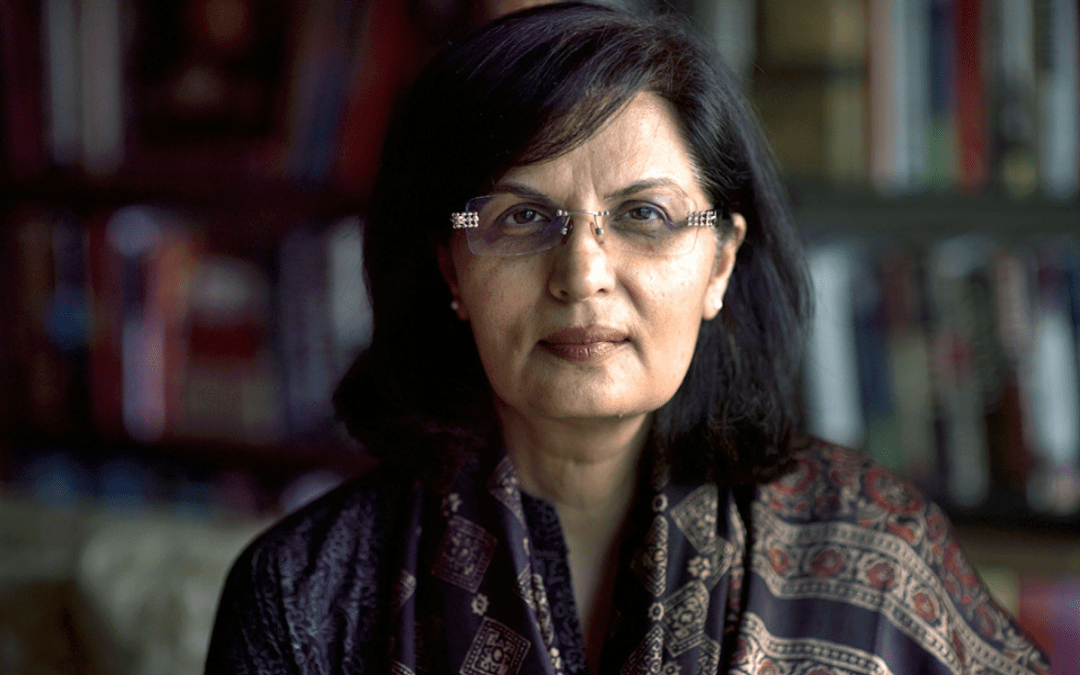
In January 2024 Gavi, the Vaccine Alliance announced the appointment of Dr Sania Nishtar as the new CEO, taking over from interim CEO David Marlow on 18th March 2024. Dr Nishtar is currently serving as a Senator in Pakistan and is a trained medical doctor who has “built an outstanding career” over 30 years as a global public health leader.
Health leadership and experience
Graduating from medical school in 1986, Dr Nishtar was the “best graduate”. She obtained her PhD from King’s College London, and was awarded an honorary Doctorate in Science, Honoris Causa, in in 2019. She is a Fellow of the Royal College of Physicians and was among the BBC’s 100 Women in 2020.
Gavi states that Dr Nishtar’s career has included roles in national government, civil society, and international organisations. For example, her service as Federal Minister in 2013 won acclaim for “transparency and accountability”. She founded the non-profit NGO think tank Heartfile, was the inaugural Chair of the UN Secretary-General’s Independent Accountability Panel for women’s and children’s health and was the Co-Chair for the WHO Independent High-level Commission on Noncommunicable Diseases.
From 2011 to 2014, Dr Nishtar was Chair of Gavi’s Evaluation Advisory Committee, and served as an independent member of the Board in 2016.
“A prolific thought leader, she has co-authored dozens of academic papers and books, and has been published in many leading national and international newspapers.”
Dr Nishtar reflected on her appointment, saying she is “honoured by the trust” placed in her by the Board.
“Over the past 23 years, Gavi has been one of the most impactful organisations in global health. The task ahead is enormous – from health impacts of climate change to the need to tackle vaccine inequity, prepare for future outbreaks, and boost routine immunisation, which I believe is the gateway to achieving Universal Health Coverage.”
Dr Nishtar looks forward to working with the “talented staff and skilled Alliance partners” to ensure that the organisation “reaches hundreds of millions of children in lower-income countries with life-saving vaccines against deadly and debilitating diseases”.
Thanks to David Marlow
Chair of the Gavi Board, Professor José Manuel Barroso, commented that Dr Nishtar has “built a reputation as a tireless advocate for health equity, an innovative thinker, and a proven doer”.
“I am impressed by her accomplishments and excited by the possibilities her appointment brings.”
Professor Barroso also thanked David Marlow for “effective” leadership in the interim.
“His unfailing commitment to keep Gavi moving forward, by leading important structural and cultural reforms has ensured Gavi is in the best possible shape to meet its current and future goals.”
David Marlow also weighed in on the appointment, offering congratulations to the Board for “attracting and securing” Dr Nishtar.
What do you hope or expect to see from Gavi in the coming years under Dr Nishtar’s leadership? Do you have any advice for her? For more updates on vaccine leadership this year, don’t forget to subscribe to our newsletters here!