by Charlotte Kilpatrick | Oct 21, 2024 | Global Health |
In October 2024 WHO certified Egypt as malaria-free after a “nearly 100-year effort” by the government and people to end the disease. WHO described this as a “significant public health milestone” for the country’s more than 100 million inhabitants. Egypt is the third country to receive this certification in the WHO Eastern Mediterranean Region, following the United Arab Emirates and Morocco.
Across the globe, 44 countries and 1 territory have achieved this status by proving beyond reasonable doubt that the chain of indigenous malaria transmission by Anopheles mosquitoes has been interrupted nationwide for at least the previous three consecutive years. A country must also demonstrate its capacity to prevent the re-establishment of transmission.
Malaria becomes history
WHO states that malaria has been traced back as far as 4000 BCE in Egypt; there is genetic evidence of the disease in Tutankhamun and other ancient Egyptian mummies. More recently, efforts to reduce human-mosquito contact began in the 1920s with the prohibition of rice cultivation and agricultural crops near homes. With much of the population living along the banks of the Nile River and malaria prevalence “as high as 40%”, malaria was designated as a notifiable disease in 1930.
By 1942, malaria cases in Egypt exceeded 3 million due to population displacement caused by the Second World War, the disruption of medical supplies and services, and the invasion of Anopheles arabiensis, which is a “highly efficient mosquito vector”. Egypt responded to the outbreak by establishing 16 treatment divisions and recruiting more than 4000 health workers. The Aswan Dam, completed in 1969, brought an additional risk of malaria as standing water provides a mosquito breeding ground. Thus, Egypt worked with Sudan to launch a “rigorous” vector control and public health surveillance project.
By 2001, malaria was “firmly under control”, encouraging the Ministry of Health and Population to work on preventing the re-establishment of local malaria transmission. Egypt “rapidly” contained a small outbreak in the Aswan Governorate in 2014. The recent certification recognises continued efforts and initiatives including the free provision of malaria diagnosis and treatment to the population, regardless of legal status, and health professionals’ training to detect and screen for malaria. The country also has “strong” cross-border partnerships with neighbours like Sudan, which have been “instrumental”.
The beginning of a new phase
Dr Tedros Adhanom Ghebreyesus, WHO Director-General, congratulated Egypt on its achievement.
“Malaria is as old as Egyptian civilisation itself, but the disease that plagued pharaohs now belongs to its history and not its future. This certification of Egypt as malaria-free is truly historic, and a testament to the commitment of the people and government of Egypt to rid themselves of this ancient scourge.”
Dr Tedros hopes that this will be an “inspiration to other countries in the region”, showing “what’s possible with the right resources and the right tools”. Deputy Prime Minister of Egypt H.E. Dr Khaled Abdel Ghaffar commented that the certification is “not the end of the journey but the beginning of a new phase”.
“We must now work tirelessly and vigilantly to sustain our achievement through maintaining the highest standard for surveillance, diagnosis and treatment, integrated vector management, and sustaining our effective and rapid response to imported cases. Our continued multisectoral efforts will be critical to preserving Egypt’s malaria-free status.”
Dr Abdel Ghaffar reaffirmed that the country will “continue with determination and strong will”. WHO Regional Director for the Eastern Mediterranean Dr Hanan Balkhy emphasised that the success is “not just a victory for public health but a sign of hope for the entire world”, including other endemic countries in the region.
“This achievement is the result of sustained, robust surveillance investments in a strong, integrated health system, where community engagement and partnerships have enabled progress. Furthermore, collaboration and support to endemic countries, such as Sudan, remain a priority.”
For insights into the latest malaria vaccine development progress, join us at the Congress in Barcelona next week. Don’t forget to subscribe to our weekly newsletters here.
by Charlotte Kilpatrick | Oct 16, 2024 | Global Health |
In October 2024, parliamentarians from across the world met at the UNITE Global Summit in Berlin to sign a statement in support of the WHO Pandemic Agreement. The statement was described by WHO as a “significant commitment” to “strengthen pandemic preparedness, response, and equitable access to health”. The Summit was held in collaboration with the World Health Summit (WHS), drawing global parliamentarians, civil society leaders, and health experts to “translate discussions into actionable policy priorities”.
Building trust for a healthier world
The World Health Summit 2024 was held under the theme “building trust for a healthier world”, focussing on inspiring “innovative solutions for better health and well-being for all”. The UNITE Global Summit agenda reflected key topics highlighted during WHS, divided into four pillars:
- Human rights and equitable access to health
- Global health architecture and security
- Strengthening of healthcare systems
- Sustainable financing for health
Support for the Pandemic Agreement
The Pandemic Agreement is under negotiation by WHO Member States as an attempt to address the “gaps” exposed by the COVID-19 pandemic and the threats presented by mpox and other disease outbreaks. It also seeks to “strengthen global collaboration pandemic prevention, preparedness, and response”.
A critical moment during the summit was the signing of the Global Parliamentary Statement in Support of the Pandemic Agreement, which demonstrated the importance of parliamentarians in “ensuring global health security and safeguarding populations against future pandemics”. The statement emphasised their commitment to ensuring that “all countries, regardless of resources, have access to the tools, capacities, resources, and healthcare required” during a pandemic.
Dr Ricardo Baptista Leite, President of UNITE, commented that parliamentarians are the “voice of the people” and carry a “crucial responsibility in safeguarding public health”.
“The WHO Pandemic Agreement represents a historic opportunity to prevent pandemics and strengthen our global preparedness and response capabilities. By signing this statement, we are not only showing our support for the agreement but also pledging to ensure that its principles of equity, solidarity, and global cooperation are fully realised in every nation.”
WHO Director-General Dr Tedros Adhanom Ghebreyesus welcomed the support for the “once-in-a-generation opportunity to build a stronger, fairer, and more prepared global health system”.
“By signing this statement, parliamentarians from around the world are showing their commitment to protecting lives from future pandemics and ensuring equitable access to vaccines, treatments, diagnostics, and other health tools for every country, particularly those with fewer resources.”
Key commitments
The Global Parliamentary Statement emphasises four “key commitments”:
- Equity at the core – ensuring equitable access to pandemic-related health tools based on public health need for everyone, especially countries with fewer resources
- Global solidarity – strengthening international cooperation to build resilient health systems that can prevent and respond to pandemics
- Legislative action – advocating for the ratification and implementation of the Pandemic Agreement within national legislatures, as appropriate
- Combating misinformation – providing communities with evidence-based health information to counter the spread of harmful misinformation
Dr Baptista Leite reflected that “the challenges we face today demand a global response”.
“No single country can prevent or combat pandemics alone. The WHO Pandemic Agreement is an essential step forward in ensuring that every nation has the tools, resources, and capabilities to respond to future health threats.”
More work to be done
WHO states that the Pandemic Agreement “needs to continue to garner broad international support”. Within the latest commitment, parliamentarians are to work with WHO and other international organisations to ensure the Pandemic Agreement is implemented in a way that “benefits all countries”, particularly those with “limited resources”.
“The statement signed in Berlin is expected to act as a catalyst for global parliamentary action, fostering collaboration and solidarity among nations.”
Join us at the Congress in Barcelona this month for a keynote discussion on “strengthening global preparedness and building resilient health systems” with experts from the field, and don’t forget to subscribe to our weekly newsletters here.
by Charlotte Kilpatrick | Oct 11, 2024 | Global Health |
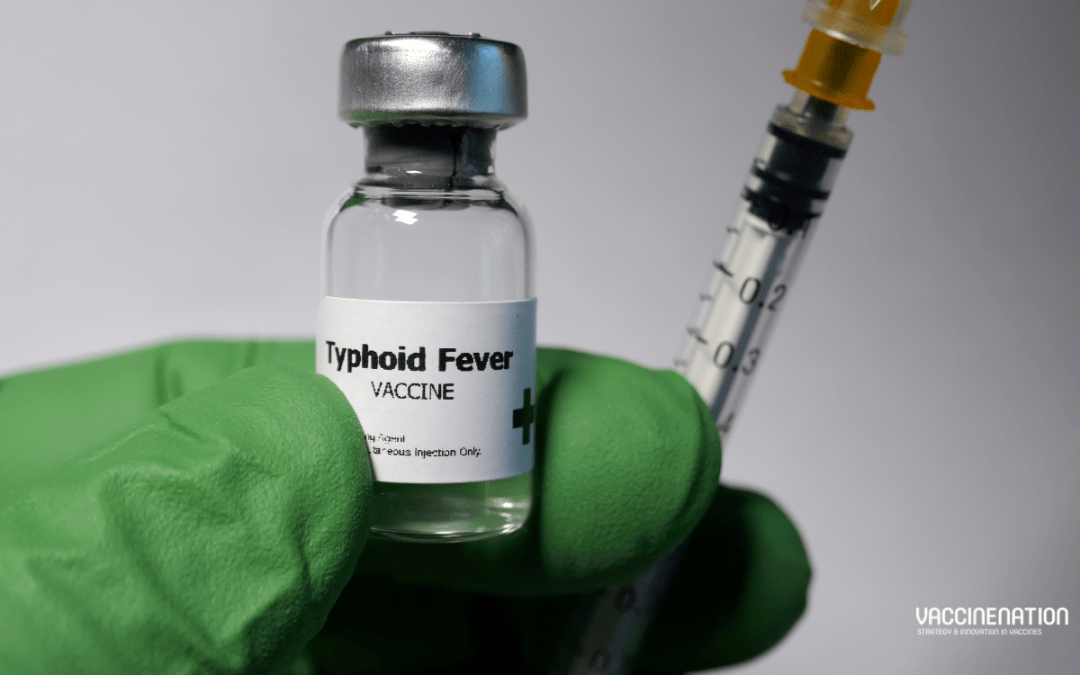
A study in The Lancet in October 2024 finds that a single dose of typhoid conjugate vaccine (TCV) offers safe and effective protection against typhoid two years after vaccination in all children and sustained protection for older children at three to five years after vaccination. However, a “decline” in protection was observed after this period, with the greatest decline identified in children vaccinated at younger ages. The authors infer that a booster dose of TCV, perhaps around school entry age, might be needed for children vaccinated while younger than two years old, to sustain protection through the years when the risk is highest.
TCV
Typhoid fever places a “substantial disease burden” on low- and middle-income countries “marked by inadequate sanitation and limited access to clean water”. There are an estimated 7.15 million cases and 93,300 deaths each year. This burden is exacerbated by the “escalation” of antimicrobial resistance (AMR), which reduces treatment options. WHO recommends vaccines as an “important tool” in typhoid prevention and control strategies.
The first typhoid conjugate vaccine (TCV) was prequalified by WHO in 2017 based on field safety and immunogenicity data and findings from a controlled human infection model. 2-year vaccine efficacy has since been confirmed at 79-85% in randomised control trials. Research has revealed a “consistent trend” of waning protection in children vaccinated at a young age. Although WHO’s current recommendation is a single dose for infants and children from 6 months of age, epidemiological studies in countries across Asia and Africa suggest that incidence peaks in children between the ages of 5 and 9 years. Therefore, the authors identified a need to understand if a single dose of TCV can provide “substantial protection” in the medium and long term, or if a booster dose is needed.
Expanding the TyVAC trial: TyVOID
The cluster-randomise controlled trial (TyVAC) to assess the safety, immunogenicity, and protection conferred by a single dose of TCV started in Bangladesh in 2018 with a follow-up to 18 months. To generate further data, the authors extended this to evaluate vaccine protection and immunogenicity at 3-5 years after vaccination.
In TyVAC, healthy children aged 9 months to 15 years were offered TCV or a Japanese encephalitis vaccine according to their cluster of randomisation. 150 clusters were randomised to either TCV or the Japanese encephalitis vaccine, with 75 in each group. After a 3-month passive surveillance period, the baseline of TyVOID began at the final visit of TyVAC. Vaccinated children visited study clinics; after unmasking, participants in the Japanese encephalitis group were offered vaccination with a single dose of TCV, but TCV recipients were not offered the Japanese encephalitis vaccine.
Two cohorts of TCV-vaccinated children were available for follow-up:
- The group vaccinated in the original study between April 2018 and November 2019 (previous-TCV group)
- The group originally vaccinated with Japanese encephalitis and later TCV between January and August 2021 (recent-TCV group)
Results
During a median of 2.4 years, 14 episodes of typhoid fever were detected in the recent-TCV group (incidence rates of 31 per 100,000) and 45 episodes among the previous-TCV group (incidence rates of 97 per 100,000). The “significantly higher” incidence of typhoid fever in the previous-TCV group indicates a “drop in the vaccine effectiveness” 3-5 years after vaccination. The waning of vaccine effectiveness was further confirmed through the inclusion of unvaccinated children who sought care for fever as the reference group.
The decline in vaccine effectiveness correlated with age at vaccination; children in the youngest age group exhibited the most substantial reduction in vaccine effectiveness. The reason for the age-specific difference is “unclear”, but the authors suggest that underdeveloped bone marrow in younger children results in a weaker ability to support long-lived plasma cells. Another possibility is that older children have more opportunities for exposure to S Typhi than younger children, contributing to a greater durability of antibody concentrations after vaccination.
The issue of exposure is also relevant in comparing this study to a study in Malawi, as the incidence of typhoid fever in Bangladesh was “approximately three times higher”, with greatest disparity in younger children. Therefore, while a single dose of TCV might remain “highly effective” in Malawian children, it ceases to confer sufficient protection in Bangladeshi children.
“Put simply, it may be that more antibody is needed in Bangladesh to protect against typhoid fever than in Malawi as the incidence of infection is likely to be higher in Bangladesh.”
Implications
The introduction of TCV as a catch-up campaign in several countries is “likely to have a substantial impact” on the typhoid burden in these countries. TCV will then be integrated into local EPI programmes with a single dose, focussing on infants and toddlers. However, the authors urge WHO to evaluate their data and consider the “potential need for a booster around school entry age”.
Associate Professor Xinxue Liu of the Oxford Vaccine Group is one of the senior authors and emphasised how “serious and life-threatening” the disease is, particularly for “children and adolescents in low- and middle-income countries”.
“TCV offers the best chance to reduce the burden of typhoid, helping to reduce transmission and limiting further evolution of drug-resistant strains. This study provides additional information for policy makers on longer-term TCV protection and the importance of continued investigation and updated guidance.”
Dr Firdausi Qadri, Senior Scientist at the Infectious Diseases Division at the International Centre for Diarrhoeal Disease Research, Bangladesh (icddr,b) and first author, commented that the results “indicate a decay in antibody concentrations in different age groups”.
“[They] suggest that a booster dose around school entry age for children vaccinated while younger than 2 years could be considered, to sustain the protection from TCV through the school years when children are at greatest risk of typhoid.”
Professor Sir Andrew Pollard, Director of the Oxford Vaccine Group, reflected on WHO’s “current” recommendation.
“Epidemiological studies in different countries across Asia and Africa showed that the incidence of typhoid fever is much higher in children younger than 16 years than it is in adults, with the peak of cases seen in those aged 5-9 years. Whether a single dose of TCV provides long-term protection continues to be a top research priority to advise policy makers.”
For the latest vaccine research updates, why not subscribe to our weekly newsletters here? We hope you will also join us at the Congress in Barcelona this month to discuss vaccine questions and explore global health concerns.
by Charlotte Kilpatrick | Oct 11, 2024 | Global Health |
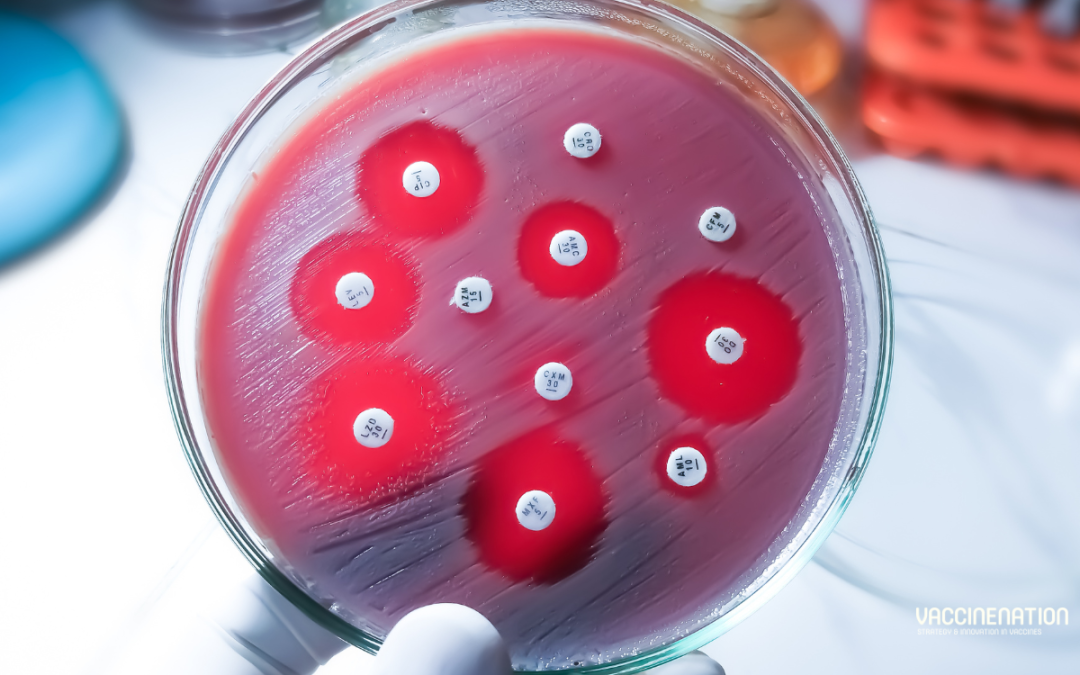
A WHO report in October 2024 suggests that vaccines against 24 pathogens could reduce the number of antibiotics needed by 22% every year. Some of these vaccines are already available but currently underused, but others will need to be developed and brought to market. The report expands on a WHO study from 2023, estimating that some vaccines already in use could avert up to 106,000 deaths caused by AMR each year. Director-General Dr Tedros Adhanom Ghebreyesus highlighted that addressing AMR “starts with preventing infections”, for which vaccines are “among the most powerful tools”.
“Prevention is better than cure and increasing access to existing vaccines and developing new ones for critical diseases, like tuberculosis, is critical to saving lives and turning the tide on AMR.”
The burden of AMR
Antimicrobial resistance (AMR) is the result of bacteria, viruses, fungi, and parasites changing to stop responding to medicines. As medicines become ineffective, infections become harder to treat, which increases the risk of disease spread, severe illness, disability, and death. The report introduces the significant global burden of AMR. In 2019, an estimated 7.7 million deaths were associated with 33 bacterial infections, with almost 5 million of these associated with AMR.
The mortality burden of these drug-resistant infections is “most pronounced” on the African continent, followed by South-East Asia and Eastern Europe. However, community mobility increases the risk of transmission to other continents. AMR has the potential to impose an annual global cost of up US$3.4 trillion by 2030, with the most severe consequences for low- and middle-income countries (LMICs).
A “key driver’ of AMR is the “systematic misuse and overuse” of antimicrobials in healthcare, animal health, and agriculture; the greatest contributor to overall use of antimicrobials is use in animals. The World Organisation for Animal Health (WOAH) estimated that 84,500 tonnes of antimicrobials were used in the animal sector in 2019. However, this is a 13% decrease from 2017. On the other hand, global antibiotic consumption in humans increase by 65% between 2000 and 2015 and is projected to triple (from 2015) by 2030.
One of the major challenges is ensuring equitable access to antimicrobials, particularly in LMICs, where “people are more at risk of dying from a lack of access to appropriate antimicrobials than from resistant infections”. Managing AMR demands both sector-specific and “One Health” approaches. Vaccines can be critical to efforts to lower the burden by reducing the incidence of drug-sensitive and drug-resistant infections, antibiotic use, and opportunities for evolution and transmission of resistant genes and pathogens.
The report
Although we know that vaccines are important aspects of the solution, their specific role in reducing AMR has not been “systematically evaluated and quantified”. Therefore, the latest report evaluates this and provides recommendations for “enhancing the impact of vaccines on AMR”. It covers 44 vaccines targeting 24 pathogens, drawing the characteristics of each vaccine from various sources. Three criteria were considered:
- The AMR-related health burden – measured by the reduction in deaths and DALYs associated with AMR
- Antibiotic use (or antimicrobial use in the case of Mycobacterium tuberculosis)
- The economic burden of AMR, including hospital costs and productivity losses
Highlights from the report
- Vaccines against 16 bacterial pathogens may prevent 510,000 deaths and 28 million DALYs associated with AMR.
- This prediction increases to include an additional 1.2 million deaths and 37 million DALYs when the use of vaccines is expanded to target all populations at risk of infection.
- The non-serotypespecific vaccine against S. pneumoniae, with increased efficacy against lower respiratory tract infections, would have the highest impact on both AMR-associated deaths and DALYs.
- The greatest impact of vaccines on reducing the burden of bacterial AMR in 2019 was in the WHO African Region, averting an estimated 170,000 deaths and 12 million DALYs annually.
- In the WHO South-East Asia Region, vaccines were estimated to have prevented 160,000 deaths and 7.5 million DALYs annually.
- The development and optimal use of vaccines against 23 pathogens could avert up to 2.5 billion defined daily doses a year, which is 22% of the global estimated antibiotic use in humans associated with treating these pathogens.
What’s next?
The authors suggest that the role of vaccines in addressing AMR is “often overlooked” in policy and decision-making processes. They highlight the need for “greater recognition and integration” of vaccines into AMR mitigation strategies and the importance of considering AMR in vaccine decision-making.
“To achieve appropriate inclusion of vaccines in the AMR agenda, the immunisation and AMR communities must strengthen their joint understanding of the evidence and enhance collaboration.”
How do you think that AMR priorities can be incorporated into vaccine development and deployment efforts? Join us for the AMR and bacterial vaccines track at the Congress in Barcelona this month to contribute to these conversations, and don’t forget to subscribe to our weekly newsletters here.
by Charlotte Kilpatrick | Oct 10, 2024 | Global Health |
In October 2024, WHO announced an agreement with the International Monetary Fund (IMF) and the World Bank Group (WBG) on “broad principles for cooperation on pandemic preparedness”. The cooperation is intended to enable scaling up of support to countries to prevent, detect, and respond to public health threats through the IMF’s Resilience and Sustainably Trust (RST), WBG’s financial and technical support, and WHO’s technical expertise and in-country capabilities. The organisations will “leverage their experience to enhance pandemic preparedness”, working on the “synergies and complementarity” of each institution’s in-country analysis and operations.
Principles of coordination
Under the Broad Principles of Coordination:
- WHO and the WBG will continue to lead on health-related development policies and, with other multilateral development banks and The Pandemic Fund, on specific project investments for pandemic preparedness. RST financing will not be earmarked for specific projects.
- Pandemic preparedness policy reform measures supported by RSF arrangements will be informed by existing data, analytics, and operational engagement of WHO, the WBG, and country authorities.
- Pandemic preparedness reforms will build on each institution’s area of expertise. RSF programmes will focus on macro-critical policy reforms within the IMF’s expertise and complement the work carried out by the WBG and WHO to maximise both the financial resources and technical expertise available to countries. RSF Reform measures can include policy actions aimed at enhancing the readiness of finance and health systems to respond effectively to future health emergencies.
The cooperation will enable all three institutions to better serve countries’ efforts on pandemic preparedness.
Working for a safer world
Kristalina Georgieva, Managing Director of the IMF commented that the “stepped-up collaboration” will help the organisations to “complement and leverage each other’s expertise” to support members’ pandemic preparedness and resilience efforts.
“The IMF’s Resilience and Sustainability Trust allows eligible member countries to access affordable, long-term financing to address structural challenges that threaten their macroeconomic stability.”
WHO Director-General Dr Tedros Adhanom Ghebreyesus reflected on the need for “new sources of financing to bolster health systems”, making them “more able to prevent and detect” health threats and to “respond and withstand them when they strike”.
“WHO is proud to be working with the IMF and the World Bank to unlock financing from the Resilience and Sustainability Trust, and support countries to put it to work for a safe world.”
World Bank Group President Ajay Banga suggested that the “deepened collaboration” will focus efforts to help countries prepare for and respond to health threats.
“We must aggressively be planning and preparing for the next global health crisis, so that when the battle comes – and we know it will – we will have the health workforce that can be rapidly deployed in the face of a crisis, laboratories that can quickly ramp up testing, and surge capacity that can be called upon to respond.”
For insights into pandemic preparedness initiatives at the Congress in Barcelona this month get your tickets here, and don’t forget to subscribe to our weekly newsletters here!
by Charlotte Kilpatrick | Oct 8, 2024 | Infection |
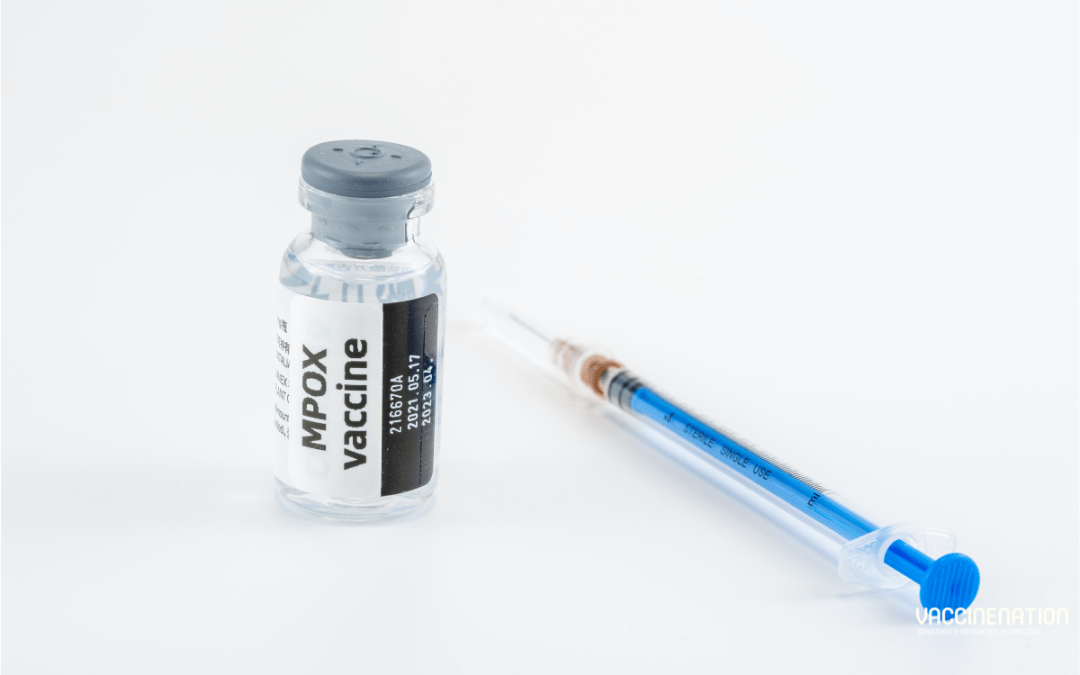
A recent WHO situation report on the mpox PHEIC reveals that 14 countries on the continent have reported mpox cases in the last six weeks and are considered to have “active” outbreaks. The most affected country in 2024 is still the Democratic Republic of the Congo (DRC), which recently announced the start of an mpox vaccination campaign. The update presents reported confirmed mpox cases and deaths as well as reported suspected mpox cases, as defined by the countries that have reported them.
Risk levels
The report presents the mpox risk of geographical spread and potential impact on health in various regions:
- Eastern Democratic Republic of the Congo and neighbouring countries: high
- Areas of the Democratic Republic of the Congo where mpox is endemic: high
- Nigeria and other areas of West, Central, and East Africa where mpox is endemic: moderate
- All other countries in Africa and around the world: moderate
However, the report notes that individual country or regional bloc assessments may vary, and the risk could be assessed as low. Individual-level risk is “largely dependent on individual factors” like exposure risk and immune status.
Cases
By 29th September, 14 countries on the continent have reported mpox cases in the last six weeks. The most affected country in 2024 is the Democratic Republic of the Congo (DRC) with 5,610 confirmed cases and 25 deaths, followed by Burundi, with 853 confirmed cases and no deaths, and Nigeria, with 78 confirmed cases and no deaths. Although the epidemic curve of confirmed cases by country suggests a decline in reported cases in DRC, this trend “should be interpreted with caution” amid “reports of limited testing and stockout of testing supplies”.
Focus on North Kivu
As of 28th September 2024, the province of North Kivu in DRC had reported 323 confirmed mpox cases, including two confirmed deaths. After initial detection in May 2024 genomic sequencing analysis revealed clade Ib monkeypox virus (MPXV). There are 34 health zones in North Kivu; 14 have reported confirmed mpox cases, The most affected zones are Goma, Karisimbi, and Nyiragongo. 1,108 suspected mpox cases in North Kivu have been tested with a test positivity of 29%. The number of confirmed cases in the province continues to increase.
Among confirmed cases, 117 (36%) are individuals living in camps for Internally Displaced People (IDP), in the three most affected health zones. 13 IDP camps have reported at least one mpox case; the most affected are Munigi, Mugunga, Rusayo, and Kanyaruchinya. 8 out of 14 IDP camps (57%) have reported only one case, which indicates sporadic introduction, likely from outside the camp. Transmission may be sustained in the other six, which show more cases over time.
In North Kivu, around 50% of confirmed mpox cases are among adults and 54% of total cases are male. However, in IDP camps, approximately 75% of mpox cases are among children up to 17 years old and are evenly distributed between males and females. WHO believes that mpox transmission in North Kivu is “exclusively” human-to-human, mainly at the community level. 117 out of 323 (36%) cases have a known epidemiological link. The mode of transmission for 109 cases (34%) is reported to be sexual contact; among these cases, 57 (52%) are reported among female sex workers.
216 out of 323 (67%) cases have recovered from the disease; 109 are in isolation, 33 in the household, and 76 in healthcare facilities. 19 (9%) cases have presented complications and two have died in hospital.
Clade Ib detected in India
On 1st October 2024, the Ministry of Health and Family Welfare of India notified WHO of the first mpox case due to MPXV clade Ib. The National Focal Point reports that the case is an adult male, Indian national, with a recent history of international travel to the United Arab Emirates (UAE). The patient developed mpox symptoms on 8th September in UAE before arriving in India on 13th September. On 16th September he was admitted to a public hospital.
On 19th September, samples were tested at the National Institute of Virology (NIV) in Pune, confirming MPXV infection. The patient recovered without complications and was discharged on 30th September 2024. The health authorities in UAE are conducting a detailed case and contacts investigation to finalise the “comprehensive verification and validation process as per IHR procedures”.
This is the second reported case of this clade MPXV infection in the WHO South-East Asia Region (SEAR) and the third reported case of clade Ib MPXV infection outside the African Region. However, the first clade Ib infection in SEAR, reported in Thailand, and the clade Ib infection in Sweden, had a recent history of travel to affected countries in Africa, which this case did not.
Vaccine updates
WHO indicates that it is finalising the issuance of prequalification age extension of MVA-BN for persons 12-17 years old after European Medicines Agency (EMA) authorisation. It is providing “strategic and technical support” to the African Vaccine Regulatory Forum (AVAREF) and issuance of emergency use authorisation for MVA-BN to national regulatory authorities. In collaboration with AFRO, DRC, Ghana, Nigeria, Rwanda, and Tanzania, WHO is harmonising the cohort safety event monitoring protocol following mpox vaccination and ensuring global data collection.
With receipt of 265,000 doses of MVA-BN, DRC has begun a vaccination campaign in North Kivu with the intention of expanding to 11 of the most affected health zones across various provinces.
Join us at the Congress in Washington in April next year to reflect on the global response to this outbreak and hear updates on continued mpox vaccine development, and don’t forget to subscribe to our weekly newsletters for more insights.
by Charlotte Kilpatrick | Oct 7, 2024 | Technology |
In October 2024, WHO announced that a fourth WHO-prequalified human papillomavirus (HPV) vaccine product, Cecolin, has been confirmed for use in a single-dose schedule. This update is an “important milestone” that will contribute to “improving sustainable supply of HPV vaccines”, ensuring that more people get access to the vaccines that prevent cervical cancer. HPV vaccine programmes have been “hampered” by supply shortages since 2018, and recent production challenges have led to further shortfalls, which will affect girls in need of HPV vaccines Africa and Asia.
Eliminating cervical cancer by tackling HPV
More than 95% of the 660,000 annual cervical cases are caused by HPV. Every two minutes, a woman dies from the disease, and 90% of these deaths happen in low- and middle-income countries. 19 out of the 20 “hardest hit” countries are in Africa. However, vaccination is an effective way of addressing this health need. Dr Tedros Adhanom Ghebreyesus, WHO Director-General, states that “we have the ability to eliminate cervical cancer, along with its painful inequities”.
“By adding another option for a one-dose HPV vaccination schedule, we have taken another step closer in consigning cervical cancer to history.”
Dr Kate O’Brien, Director of the Department of Immunisation, Vaccines, and Biologicals at WHO, reflected that achieving a 90% coverage in girls by the age of 15 is the target of the first pillar of WHO’s global strategy for cervical cancer elimination.
“Given the continuing supply challenges, this addition of single dose vaccine product means countries will have greater choice of vaccines to reach more girls.”
Cecolin
Cecolin is a bivalent HPV vaccine delivered intramuscularly as a single dose. It is manufactured by Xiamen Innovax Biotech and should be stored between 2°C and 8°C. It is designed to protect against HPV types 16 and 18, which are commonly associated with the development of cancer. When Cecolin received prequalification, PATH stated that it had provided “technical assistance” for the process to facilitate greater accessibility. PATH’s China country representative Yuan Yuan commented that the vaccine would put the world “on its way to more equitable HPV vaccination”.
Single-dose coverage
Several products that were initially prequalified for use in a 2-dose schedule can now be used in a single-dose schedule. Cecolin can be recommended for “off-label” use after data support the modified schedule until the manufacturer adds the modified use to the label. Data from July 2024 show an increase in one dose HPV vaccine coverage among girls aged 9-14 years, from 20% in 2022 to 27% in 2023. In 2023, 37 countries were implementing a single-dose schedule; this increased to 57 by September 2024. WHO suggests that the adoption of a single-dose schedule has resulted in “at least” 6 million additional girls being reached with HPV vaccines in 2023.
For insights into the role of vaccination in elimination strategies, why not join us at the Congress in Barcelona this month? Don’t forget to subscribe to our weekly newsletters here for more vaccine news.
by Charlotte Kilpatrick | Oct 7, 2024 | Global Health |
WHO Africa reported in October 2024 that the Democratic Republic of the Congo (DRC) has started a vaccination campaign as part of outbreak control efforts against mpox. The vaccination drive has launched in the eastern North Kivu province and will prioritise health workers and frontline responders, contacts of confirmed cases, contacts of those contacts, and other at-risk groups. It will later be implemented in 11 of the most affected health zones in Equateur, North Kivu, Sankiri, South Kivu, Sud-Ubangi, and Tshopo provinces.
Addressing the emergency
The Democratic Republic of the Congo (DRC) has reported more than 30,000 suspected and laboratory-confirmed cases and 990 deaths since the start of 2024. These numbers account for 90% of the cases reported from 15 countries in the African region this year. WHO recommends that vaccination should form part of a “comprehensive response” involving enhanced surveillance, community engagement, and case management. It is working with partners and the national authorities to “scale up and reinforce all the key control measures”.
In preparation for the mpox vaccination campaign, WHO has supported national health authorities in training health workers, enhancing vaccine delivery systems and infrastructure, and community engagement. There are also efforts to “reinforce measures to identify and address” vaccine misinformation and disinformation, responding with increased access to accurate information.
Delivering doses to affected areas
Noting that mpox vaccines are “currently in short supply, especially in Africa”, WHO is encouraging global collaboration to get doses to the people who need them most. In September, WHO prequalified MVA-BN for mpox, which is “expected to facilitate timely and increased access”. It is also working with partners like Gavi and UNICEF to establish a distribution mechanism for donated doses and direct procurements. DRC has received 265,000 doses of MVA-BN, donated by the European Commission’s Health Emergency Preparedness and Response Authority, Gavi, and the United States Government.
WHO Regional Director for Africa, Dr Matshidiso Moeti, expressed gratitude to these partners for their donations.
“As we rally efforts to stop the mpox outbreak, the rollout of the vaccine marks an important step in limiting the spread of the virus and ensuring the safety of families and communities.”
Dr Moeti commented that WHO is “working closely with the national authorities to effectively deliver the vaccines to those who need them most”. Africa CDC also recognised the collaborative effort, which “underscores the collective global commitment” to controlling the outbreak in Africa. H.E. Dr Jean Kaseya, Africa CDC Director General, commended the DRC’s “swift action” in launching the campaign, which “showcases the strength of its public health leadership”.
“By prioritising vulnerable populations, including frontline health workers and those most at risk, the country is taking critical steps to contain the outbreak. Africa CDC remains committed to working closely with the DRC to ensure vaccines reach those who need them the most, while also working to strengthen health systems to prevent future outbreaks. Our top priority is to secure safe and effective vaccines for children in the next phase of vaccination.”
Mpox vaccination will be a key area of high-level discussions at the Congress in Washington next April, including on a keynote panel that will consider the “role of vaccines in a changing world”. Get your tickets to join us for these conversations, and don’t forget to subscribe to weekly vaccine updates here.
by Charlotte Kilpatrick | Oct 3, 2024 | Global Health |
WHO announced in October 2024 that it is launching the Global Strategic Preparedness, Readiness, and Response Plan (SPRP) to tackle dengue and other Aedes-borne arboviruses. The Plan is intended to reduce the burden of disease, suffering, and deaths from dengue and other Aedes-borne arboviral diseases, like Zika and chikungunya, by “fostering a global coordinated response”. It presents priority actions to control transmission and offers recommendations to affected countries across various sectors. With five “key components”, the Plan is to be implemented over one year until September 2025, demanding US$ 55 million.
“The SPRP is a call to action for all stakeholders – from government agencies and health-care providers to communities and individuals – to join forces in the fight against dengue and other Aedes-borne arboviruses, through innovation, new technologies, and improved vector control strategies.”
Turning the tide
In the foreword by WHO Director-General Dr Tedros Adhanom Ghebreyesus we learn that dengue has “afflicted humanity for centuries, and possibly longer”; the first report of a clinically compatible case is recorded in a Chinese medical encyclopaedia in 992. From a much more contemporary perspective, dengue has spread “rapidly” in the past 20 years, enabled by “increased global travel and the effects of climate change”. Between 2000 and 2019, WHO documented a “tenfold surge” in reported cases, to 5.2 million. Since then, the surge has continued; over 12.3 million cases were reported by the end of August 2024.
The global prevalence and effects of arboviruses like dengue are a “significant threat to public health”, particularly in tropical areas where they are endemic. Addressing this threat demands a “concerted, strategic, and informed response”, which the Director-General hopes to achieve with the SPRP, a “comprehensive plan” to outline ways of controlling Aedes-borne arbovirus transmission in affected countries.
“Our multifaceted approach emphasises integrated surveillance, laboratory diagnosis, vector control, community engagement, clinical management, and research and development.”
This approach should reduce the burden of disease, save lives, and minimise the socioeconomic consequences of these diseases. Furthermore, the Plan includes measures for “safe programming” to ensure interventions are “secure and do not exacerbate the risk” for those who are already vulnerable to disease or those involved in responding to the crisis. Dr Tedros states that prevention and control is a “shared responsibility”.
“Together, we can turn the tide against this disease, protect vulnerable populations, and pave the way for a healthier future.”
Understanding the threat
Dengue is a challenge across all of WHO’s regions, endemic in more than 100 countries. Various factors, such as unplanned urbanisation and the effects of climate change, fuel the spread of dengue and other Aedes-borne arboviruses, such as Zika and chikungunya, putting more than four billion people at risk. The growing threat must be addressed with a “robust and dynamic strategy” that accounts for the current global epidemiological landscape. This is complicated by the “still developing” global surveillance system.
Transmission drivers like the effects of climate change and population growth can explain the increase of these infections in some areas, but they also point to the need for a multisectoral approach to prevent and respond to outbreaks.
The Plan
The Plan is intended to “reduce the burden of disease and deaths from dengue and other Aedes-borne arbovirus diseases in all affected WHO regions”. The strategic objective is “to accelerate progress in preventing and controlling dengue and other Aedes-borne arboviral disease outbreaks worldwide”, with the following specific objectives:
- Strengthen global multisectoral coordination and collaboration among stakeholders and partners in preparedness, response, and resilience to dengue and other Aedes-borne arbovirus diseases
- Enhance the capacity of Member States in early detection, reporting, confirmation, and response to outbreaks of dengue and other Aedes-borne arboviruses
- Strengthen the capacity of Member States to implement effective vaccination and integrated vector management strategies for mitigating the transmission of dengue and other Aedes-borne arboviruses
The SPRP combines strategic interventions tailored to local contexts and leverages inter-stakeholder synergies to “confront the challenges” posed by these diseases and move closer to controlling them. The following “interconnected pillars” are included in the multidisciplinary approach:
- Leadership, coordination, planning, monitoring, and prevention of sexual misconduct
- Risk communication and community engagement (RCCE) and infodemic management
- Surveillance, case investigation, and contact tracing
- Travel, trade, and points of entry surveillance and control
- Laboratory and diagnostics
- Integrated vector management and WASH & IPC
- Clinical management and therapeutics
- Operational support and logistics
- Essential health services and systems
- Vaccination
- Research, innovation, and evidence
The 5Cs
The SPRP aligns with WHO’s 2023 Framework for Health Emergency Prevention, Preparedness, Response, and Resilience (HEPR) with a focus on five “core health emergency components”:
- Collaborative surveillance
- Strong national integrated disease, threat, and vulnerability surveillance,
- Effective diagnostics and laboratory capacity for pathogen and genomic surveillance
- Collaborative approaches for event detection, risk assessment, and response monitoring
- Community protection
- Community engagement, risk communication, and infodemic management
- Population and environmental public health interventions
- Multisectoral action for social and economic protection
- Access to countermeasures
- Fast tracked research and development
- Scalable manufacturing platforms
- Coordinated supply chains and emergency
- Emergency coordination
- Strengthened workforce capacity for health emergencies
- Strengthening health emergency preparedness, readiness, and resilience
- Health emergency alert and response coordination
- Safe and scalable care
- Scalable clinical care during emergencies
- Protection of health workers and patients
- Maintenance of essential health services
How do you think the SPRP can be effectively translated into specific contexts and implemented sustainably?
For insights into vaccination efforts for diseases that are being exacerbated by the effects of climate change, get your tickets to the Congress in Barcelona this month, or subscribe to our weekly newsletters here.
by Charlotte Kilpatrick | Oct 3, 2024 | Infection |
Since this article was published, Politico has reported that the previously suspected cases in Hamburg tested negative for Marburg virus with a PCR test and will be monitored throughout the incubation period of up to 21 days.
“There was no danger to fellow passengers on the train or in the plane at any time.”
(more…)
by Charlotte Kilpatrick | Oct 2, 2024 | Global Health |
In October 2024, CEPI announced the expansion of research into Lassa fever in West Africa in a “pioneering study” to explore the variation in disease symptoms and how this compares to other “worrisome infections” in the region. The project, led by the Nigeria Centre for Disease Control and local study sites, comes under the Enable study, created by CEPI and partners to provide a more accurate picture of the disease burden in West Africa and help inform outbreak preparedness efforts, including Lassa vaccine development. Lassa fever, a known public health burden in the region, infects “hundreds of thousands” every year. However, cases are likely underreported due to detection difficulties.
Lassa fever
Although it was described in the 1950s, the virus causing Lassa fever was only identified in 1969. It is a single-stranded RNA virus in the Arenaviridae family. The disease is a “potentially deadly haemorrhagic illness” with an estimated 1% case fatality rate. Most infections are thought to be “minimally symptomatic or asymptomatic”, which means they avoid detection. People who do experience symptoms can suffer fever, headache, and chills, and could be misdiagnosed with diseases like Ebola, dengue, or malaria.
As a WHO priority disease, Lassa fever is in “urgent need” of research and development. Understanding the disease is critical to vaccine development, which Dr Muhammad Ali Pate, Coordinating Minister of Health and Social Welfare of Nigeria, recognises.
“Lassa fever remains a public health burden in Nigeria and West Africa, but the commitment to research and innovation is yielding promising progress. The new Enable research will deepen our understanding of the virus and enhance the work being undertaken to develop the first-ever Lassa vaccine to safeguard the health of our communities.”
Dr Pate highlighted the Ministry’s commitment to collaboration to “advance these efforts and bring the suffering caused by Lassa fever to an end”.
Enable expanded
Enable was launched in 2019, and in 2021 CEPI announced funding to provide a “more accurate assessment” of the incidence of Lassa fever infections. CEPI offered US$ 10.3 million to partners in Benin, Guinea, Liberia, and Sierra Leone to participate, enrolling up to 23,000 participants to understand the “rate, location, and spread of Lassa virus across the region”. The results are also central to CEPI’s goal of producing a licensed Lassa vaccine.
The new year-long study will invite 5,000 healthy people, including children and infants, to participate at sites in Nigeria (Edo, Ondo, and Ebonyi states), Sierra Leone, and Liberia. It is intended to improve understanding on how commonly the disease occurs, how rates of infection and symptoms vary across locations, ages, sex, and exposure history, and the extent of post-infection symptoms. Scientists will also explore how often people are co-infected with Lassa fever and malaria, as co-infections may complicate the clinical course of each disease.
Vaccine goals
Dr Richard Hatchett, CEO of CEPI, explained that “incomplete detection” of cases affects both the understanding of the true incidence rate and level of response, but could also “threaten the evaluation, rollout, and acceptance of future Lassa vaccines”.
“Insights gained on the diversity of disease symptoms will enhance our understanding of Lassa fever, categorised into mild, moderate, or severe cases. This information will be crucial in guiding where and how future late-stage vaccine trials are conducted and determining priority groups for receiving the Lassa vaccine once it becomes licensed in the coming years.”
A 2024 modelling study found that around 3,300 lives could be saved over 10 years with a Lassa vaccine. It could also avert up to $128 million in societal costs. The most advanced vaccine candidate is developed by IAVI and is currently in Phase II trials in the region. Enable National Project Coordinator in Nigeria, Mrs Elsie Ilori, described the launch of the expanded study as a “key step in our ongoing efforts to understand and combat this dreadful disease”.
“Through deeper investigations into the variations of Lassa fever symptoms and their comparison to other infections within the region, we will obtain valuable insights that can improve diagnosis, boost outbreak preparedness, and inform the future vaccine development.”
Dr Jilde Idris, Director General of Nigeria Centre for Disease Control and co-chair of the Nigeria Lassa Vaccine Task Force agreed that the investigation “represents key progress in our battle against Lassa fever”.
“We are improving our capacity to identify and recognise cases while preparing for future vaccine development by examining the disease’s symptoms and its connection to other infections.”
The work is “vital for forming health practices” and “promoting” public health in the region, and Dr Idris welcomed the support of partners and local communities in “making strides towards lessening the impact of Lassa fever” and preparing for a “future that can block its life-threatening effects”.
For more on IAVI’s vaccine efforts and insights into challenge studies in West Africa, join us at the Congress in Barcelona this month for a session with Dr Marion Gruber. Don’t forget to subscribe to our weekly newsletters here for vaccine updates!
by Charlotte Kilpatrick | Oct 1, 2024 | Global Health |
A study in PLOS Global Public Health in September 2024 compares the WHO and Medicines Patent Pool (MPP) mRNA technology transfer programme with the approach and practices of current biopharmaceutical production. The programme launched in June 2021, with a hub in South Africa, and is intended to increase vaccine manufacturing capacity in low- and middle-income countries (LMICs) in response to the “vaccine apartheid” of the COVID-19 pandemic. The study finds that, despite improvements to the sharing of knowledge, other features are “in line with the status quo”.
Addressing “vaccine apartheid”
During the COVID-19 pandemic “vaccine apartheid” was used to describe the unequal distribution of vaccines against COVID-19. To address this disparity, WHO chose Afrigen Biologics to “change the global landscape of biopharmaceutical production” by developing an mRNA COVID-19 vaccine and distributing the technology to manufacturers in low- and middle-income countries (LMICs).
“Building capacity to make vaccines locally for local populations became imperative.”
WHO identified a model of knowledge-sharing that had been used in efforts to make the global influenza virus sharing network more accessible and useful to people in LMICs. The Medicines Patent Pool (MPP) was assigned the responsibility of managing the mRNA programme’s fundraising and legal needs.
“The programme has the potential to be transformative as a model of vaccine production, encompassing both upstream research and development (R&D), and ‘end-to-end’ vaccine manufacturing.”
However, the initiative faces “several risks”, such as “precarious levels of funding”, the threat of patent litigation by establish manufacturers, and a variety of governance issues as it seeks to develop the capacity for producing high-quality mRNA-based technologies to protect against a range of diseases.
The study
The authors used qualitative research methods to explore the extent to which the WHO/MPP-managed programme differs from current biopharmaceutical production. The “situational analysis” combined data collection and analysis of multiple data sources. In document analysis they analysed “multiple types of documents”, including legal documents, agreements, correspondence, and patent applications.
The approach also involved a purposive sampling strategy, engaging people in leadership positions. Interviews were conducted with executives and officials, scientists, WHO and MPP officials (the “programme’s architects”), representatives from vaccine manufacturers across the world (“programme partners”), and scientists and experts from the global North. The study begins by exploring the programme’s origins, from 2020 to 2021, before comparing its design to four paradigmatic features of global biopharmaceutical production as identified in literature and “numerous scholarly disciplines”:
- Weak conditionalities attached to publicly funded science
- Secret, transactional R&D partnerships
- A high degree of financialization
- Market-based governance
The origin story
The authors describe WHO’s efforts to improve access to COVID-19 interventions as “markedly” different in approaches to mitigating access challenges and the actors involved.
The Access to COVID-19 Tools Accelerator (ACT-A), launched in April 2020, combined public and private actors. The vaccine arm of ACT-A, COVID-19 Vaccines Global Access (COVAX), was intended to procure vaccines for LMICs through the collective purchasing power of high-income countries (HICs). However, this effort was hampered by HICs prioritising domestic populations, “at the expense of equitable global distribution”.
The COVID-19 Technology Access Pool (C-TAP) was established in May 2020, contrasting ACT-A’s charity-based approach with an effort to distribute control of intellectual property (IP), data, and knowledge. This “pooling” of technologies to address population needs in LMICs was “applauded by civil society but fiercely contested by industry, its allies, and the Gates Foundation”.
A third proposal emerged, centred on building capacity “in LMICs for LMICs”, driven by WHO’s lead coordinator for vaccine research, Dr Martin Friede, and Chair of MPP’s Governance Board and former WHO Assistant Director-General, Dr Marie-Paule Kieny. They reflected on the “hub and spoke” model of manufacturing that had been used in the context of influenza vaccines, imagining a “centralised knowledge sharing system with a view to enhancing local vaccine production capacity in LMICs”. There were “crucial questions” about how this model would work in the context of COVID-19.
WHO’s Erika Dueñas Loayza suggested that the initial plan was to embed the COVID-19 hub within C-TAP. In the face of growing industry opposition to C-TAP, the WHO Assistant Director General of Access to Medicines and Health Products at the time, Dr Mariângela Simão, and WHO Chief Scientist at the time, Dr Soumya Swaminathan, elected to move the programme closer to the ACT-A. In this context, WHO issued a call for expressions of interest for technology transfer hubs in April 2021.
Afrigen responded to this call, with Chief Executive Professor Petro Terblanche identifying an opportunity: “we are small, but we know tech transfer”. Professor Terblanche assembled a “consortium” with Biovac and the South Africa Medical Research Council (SAMRC) to apply. This appealed to Dr Friede, who commented that the consortium, and its location, were “attractive”.
Although Afrigen was announced in June 2021, Bio-Manguinhos in Brazil presented a proposal for ‘end-to-end’ mRNA manufacturing capacity transfer. Then head of vaccine innovation, Dr Sotiris Missailidis, reflected that the early impression given was that “the model was going to be a decentralised. Model” with several hubs, each with spokes.
“What I didn’t know was that, at some stage, […] there was a decision taken from WHO or whoever, that as there was increasing political and financial pressure, many people wanted to come in. […] So the decision was taken to have on central hub and everybody else would be spokes.”
The study authors convey a sense of confusion about the hub/spoke situation well into 2022. In 2024, the programme “continues to evolve”, encompassing a “diverse array of actors”. The fourteen LMIC-based “spokes” are now known as “partners” because of “negative connotations”.
Quid pro quo
The “first defining feature” of biopharmaceutical production relates to the “limited quid pro quo” that the public sector expects in return for supplying private actors with financing, R&D, and product leads. Weak conditionalities are often attached to government and philanthropic funding of biopharmaceutical R&D.
“Conventional wisdom is to grant maximum discretion to recipients of public funding, including universities and government laboratories, as well as private actors about how to commercialise biopharmaceuticals.”
From this, the authors infer that the state’s role is to subsidise, not shape, innovation. Funding for the mRNA programmes comes from governmental sources through MPP, which secured commitments from France, the European Commission, Germany, Norway, Belgium, and Canada, as well as the South African government and the African Union. The donors have committed US$117 million to the programme, which is expected to be “self-sustaining” by 2026. These funders have “shaped the programme in multiple ways”.
For example, Germany reserved funding for a staff position at the hub, but the requirement for a French or German national meant that Afrigen was unable to fill the position. Canada, the second largest donor country, stipulated that its funding should be allocated to the Cape Town hub and four countries hosting manufacturers: Senegal, Nigeria, Kenya, and Bangladesh.
“According to one interview participant, while HICs are supportive of transferring technology to LMICs, they would prefer that such transfers do not extend to the more upstream inputs into mRNA vaccine production, including novel LNPs and antigens.”
A “critical question” for the authors is if the funding secured for the programme has been “leveraged into a shared set of commitments geared towards improving equitable access”. Relationships are defined by legal agreements drawn up by MPP, granting LMIC partners a “non-exclusive, royalty-free, non-sublicensable, non-transferable, irrevocable, fully paid-up, royalty-free license” to the technology and rights held by Afrigen and Biovac to “make, or have made, use, offer for sale, sell, have sold, export or import” in their respective territories and other LMICs. LMIC partners must grant MPP a global, non-exclusive, royalty-free license to “practice and have practiced the data and the Inventions for the purposes of fulfilling its mission” that is “non-transferable, but sub-licensable”.
The “pooled, multilateral approach to knowledge production” is “rare” for the sector, which is attributed to the fact that MPP was in a “fundamentally different position”. However, the authors identify several “notable incongruities” in the legal architecture, with a risk of “fragmenting the larger, collective enterprise of improving equitable access”. For example, some partners have still not signed on, and an “unevenness” between LMIC partners and SAMRC-funded laboratories is “embedded in the programme”.
Another feature of the programme’s funding implications is that MPP “stopped short” of requiring products to be priced affordable outside a public health emergency of international concern (PHEIC). As the pathogens targeted by various partners, such as TB and malaria, are not currently designated as PHEICs, the programme does not constrain pricing decisions. Instead, there is an “assumption” that the products brough to market will “of necessity, be affordable”, to ensure LMIC governments pay for them.
On the other hand, SAMRC funded projects must ensure that “resulting products” are “available and accessible at an affordable price”. This enforceability of this expectation is called into question by a lack of experience.
“The programme’s approach reduces the pursuit of equitable access to the task of fostering more localised production. This is a logical step towards addressing local population health needs. But localised access is never guaranteed.”
Licensing limits
Partnerships in the “dominant model” of biopharmaceutical production tend to “secret and transactional in nature”, with agreements shrouded with confidentiality conditions. More open arrangements are therefore “relatively uncommon”. At the time of applying to WHO, the consortium expected to receive technology transfer from an established mRNA manufacturer. However, they “didn’t even want to talk”, so the project became a “green fields vaccine innovation”. As the journey evolved, knowledge gaps emerged and were addressed, often with the “help of outsiders”. This was occasionally “coupled with a commitment to assist Afrigen or another consortium member in gaining internal capacity”.
“Participating in the programme is a business opportunity.”
The programme’s architects are “walking a fine line between trying to seed collaboration” and “trusting all involved to thread the commitments to IP access throughout that evolving web of relationships”.
MPP as a “power broker”
Another feature of the biopharmaceutical sector is the industry’s “highly financialised character”, evident in many firms’ decisions to become publicly traded or on stock exchanges. This has implications for the strategic direction of these firms and product prices. There is “no indication” that the mRNA programme mirrors the financialization of more established biopharmaceutical companies. However, MPP’s role as an intermediary “simultaneously adds value to, and imposes a drain upon”, the programme, which the authors suggest is “not the optimal way to provide technology transfer”.
Some interviewees comment that MPP’s technology remote transfer group seems to be “micromanaging”, striving to “be in charge of everything”. If the programme fails, it would be “because of that kind of dynamic, not because the science doesn’t work”. Additionally, there is concern that MPP’s “presence and philosophy” may not work to the advantage of different participants in the programme, with one interviewee questioning why MPP and the Gates Foundation are not working together.
Market-based governance
The final feature of the “status quo” is that the direction of biopharmaceutical prodcution is “concentrated in the hands of powerful, private actors that are, at bottom, governed by the market”. Afrigen has directed its mRNA product development towards 11 potential diseases, with Professor Terblanche suggesting that priorities have not been shaped by the prospect of financial gains. She looks for the “unmet need”, but acknowledges that she may be “forced to prioritise”.
The lack of pricing commitments in Afrigen’s Grant Agreement with MPP “could be interpreted as an incentive for Afrigen to commercialise its technology” or a suggestion that the architects “did not contemplate” Afrigen generating mRNA products of its own. The potential for Afrigen to “yield to market forces” is recognised by the architects.
“The near inevitability of Afrigen’s exit in the eyes of those who designed the programme speaks to an underlying failure of imagination concerning how the mNRA programme is governed.”
The privatised governance strategy “preserves the programme architects’ control”. Indeed, the governance structure excludes “direct representation from LMIC governments”. These choices “reflect the programme’s alignment with the dominant, market-driven approach” of biopharmaceutical production.
Sticking with the status quo?
The authors find that the programme “does not substantially depart from” at least three of the four identified “status quo” features. They conclude that to “realise technology’s emancipatory potential”, more attention should be directed to “social context and structural challenges”. Their analysis shows that “the needs and perspectives of LMICs are not sufficiently centred in the programme” and that the programme works within the existing biopharmaceutical production system without relinquishing architects’ control.
“There is a significant risk that the programme, which is claimed by WHO and MPP as a collective effort to improve manufacturing capacity in LMICs for LMICs, will not solve the problem of equitable access to biopharmaceutical innovation.”
Do you agree with the concerns raised by the authors in the study? How can they be addressed quickly and effectively in the current context, or would you expect to see lessons learnt in preparation for future efforts? To share your perspectives on initiatives to improve access to essential vaccine technologies, join us at the Congress in Barcelona next month, where we look forward to welcoming Professor Terblanche among experts on the subject. Don’t forget to subscribe to our weekly newsletters for more vaccine news.
by Charlotte Kilpatrick | Sep 30, 2024 | Infection |
In September 2024, WHO’s Regional Office for Africa announced that Rwandan health authorities are “intensifying outbreak control efforts” after detecting Marburg virus disease in the country for the first time. 26 cases have been confirmed in seven of the country’s districts, and six deaths have been reported. The health authorities are implementing “comprehensive response measures” and an investigation to determine the origin of the outbreak. WHO states that it is supporting these efforts with expertise and tools.
Cases reported and response triggered
26 cases have been reported; 20 are in isolation and receiving treatment, and six deaths have been recorded. 161 contacts of the reported cases have been identified so far and are being monitored. The Ministry of Health, Rwanda, posted a video on social media with a caption reassuring viewers that “people can continue with their daily activities” and “should not panic” as the “hotspots of the disease” have been identified.
WHO is “mobilising” expertise and outbreak response tools to “reinforce the control measures” that are being rolled out. A consignment of clinical care and infection prevention and control supplies will be delivered from the WHO Emergency Response Hub in Nairobi, Kenya, to Kigali in the next few days. Efforts are also underway to “reinforce collaborative cross-border measures for readiness and response” in countries that neighbour Rwanda.
WHO Regional Director for Africa, Dr Matshidiso Moeti, explained that the critical outbreak response aspects are being put in motion “rapidly” to “halt the spread of this virus swiftly and effectively”.
“With the country’s already robust public health emergency response system, WHO is collaborating closely with the national authorities to provide the needed support to further enhance the ongoing efforts.”
Marburg
Marburg virus disease is a “highly virulent” member of the filoviridae family and causes haemorrhagic fever. It has a fatality ratio of up to 88%, with symptoms progressing rapidly after infection. The virus is transmitted to humans from fruit bats and spread among people through direct contact with the bodily fluids of infected people, surfaces, and materials.
The disease was first recognised after large outbreaks in Germany and Serbia in 1967, associated with laboratory research involving African green monkeys from Uganda. Outbreaks and cases have been reported sporadically since then, and efforts have been made to develop effective medical countermeasures. However, there is no licensed vaccine against Marburg virus disease.
A confluence of infectious disease
The Marburg outbreak will increase pressure on the Rwandan health system, which is already fighting its mpox outbreak, declared on 27th July 2024. In September 2024, Dr Jean Kaseya, Director-General of Africa CDC, reported that Rwanda had begun an mpox vaccine campaign after receipt of 1,000 doses. The campaign targeted districts bordering the Democratic Republic of the Congo, the epicentre of the current PHEIC. How will the health services respond effectively to both infectious disease threats, and will there be similarities or ‘doubling up’ in their strategies?
For the latest infectious disease and vaccine news, don’t forget to subscribe to our weekly newsletters here. To participate in important discussions about vaccine development in outbreak situations, join your colleagues at the Congress in Barcelona next month.
by Charlotte Kilpatrick | Sep 27, 2024 | Global Health |
WHO and TikTok announced a year-long collaboration to provide “reliable, science-based health information” in September 2024. The partnership seeks to address the challenges of misinformation and disinformation on digital channels by “promoting evidence-based content and encouraging positive health dialogues”. TikTok is a social platform where users create and share short-form videos.
The Fides network, a “network of healthcare influencers” who seek to share “good health content” and tackle misinformation, was launched in 2020. It has over 800 creators with a reach of 150 million people on various platforms. Network creators across the globe will be joining TikTok to create and promote evidence-based content. TikTok is also making a $3 million donation to support WHO’s work on “destigmatising mental health conditions and creating an informed, empathetic, and supportive online community”.
Social channels as a source
WHO recognises that social media platforms are important sources of information that can influence health-related behaviours and decisions. It states that one in four young adults seeks news content on social media platforms such as TikTok. However, these digital channels are increasingly allowing the distribution of misinformation and “malinformation”. Thus, the collaboration will “expand efforts” on several health topics, making science-based information “relatable and digestible”, and offering support for influencers through TikTok’s creator training programmes.
WHO’s Chief Scientist Dr Jeremy Farrar hopes that the collaboration will prove to be an “inflection point in how platforms can be more socially responsible”.
“The intersection of health and technology presents an opportunity to reach people of all ages, where they are, when they want to access. By working with TikTok and others, we are helping people access credible information and engage in scientific discourse that collectively helps shape a healthier future for all.”
Dr Alain Labrique, WHO’s Director of Digital Health and Innovation, reflected that “creators who understand their audience’s needs have a unique opportunity to bridge the gap between science and everyday life”.
“This is where WHO can step in to support influencers in delivering evidence-based information, ensuring that health conversations on platforms like TikTok are both impactful and informed.”
TikTok’s Global Head of Trust and Safety, Outreach and Partnerships, Valiant Richey, commented on the importance of TikTok’s commitment to providing “reliable information”.
“We are delighted to be partnering with the World Health Organisation’s Fides network of healthcare content creators to further strengthen this commitment by bringing engaging and authoritative mental well-being content to our community.”
Creators leading the field
Dr Timothy Tiutan has created a community of almost 2 million followers on social media and hopes that the initiative will enable creators to “empower communities to live healthier lives”.
“The network tackles global health challenges in an era where access to health information has dramatically evolved. WHO Fides is a driving force in shaping a healthier, more informed global community for the future.”
Avisha NessAiver specialises in translating research into accessible language and has worked with Fides and the UN as part of “Team Halo”. His content has reached over 100 million views on various platforms.
“The Fides network is the catalyst transforming isolated scientists and health experts into a powerful collective force, armed with shared knowledge and strategies to effectively combat the spread of health misinformation.”
Do you think this initiative will be an effective way of engaging social media users in reliable information? Or will the partnership ruffle feathers online and in the lab?
To discuss the importance of effective communication and translating the latest research into accessible content with your colleagues at the Congress in Barcelona next month, get your tickets here, and don’t forget to subscribe to our weekly newsletters here.
by Charlotte Kilpatrick | Sep 23, 2024 | Global Health |
In September 2024, WHO described “significant progress” on government-led negotiations on a pandemic agreement after another round of discussions. These discussions took place at the 11th meeting of the Intergovernmental Negotiating Body (INB) between 9th and 20th September in Geneva. Further discussions are scheduled from 4th November.
The pandemic agreement is an effort by WHO Member States to strengthen pandemic prevention, preparedness, and response. The intention to negotiate this agreement was established in December 2021. In June 2024, governments made “concrete commitments” to complete negotiations within a year at the latest.
Collective commitment
WHO Director-General, Dr Tedros Adhanom Ghebreyesus, commented that the “collective commitment” shown in the efforts to reach an agreement is a necessary response to the threat of viruses with pandemic potential.
“The next pandemic will not wait for us, whether from a flu virus like H5N1, another coronavirus, or another family of viruses we don’t yet know about. But all the ingredients are in place to meet the objective of countries to negotiate a generational pandemic agreement. The world needs hope that it is still possible for countries to find common solutions to common problems. You provide that hope.”
Ambassador Anne-Claire Amprou, INB Bureau Co-chair of France, also identified the “visible commitment” shown by governments in the negotiations.
“There was a clear recognition from all countries that we must agree on a way forward to work better, together, to protect their citizens from future pandemics… The constructive contributions by INB relevant stakeholders were incredibly valuable. Together, we must sustain this progress during the coming months to realise our shared goal to forge a pandemic agreement that guides future global responses to pandemics.”
Head of Pandemics at FOUR PAWS, a global animal welfare organisation, Nina Jamal, centred a One Health approach in the “growing urgency” for an effective Pandemic Agreement.
“We thank the Bureau for transparency towards relevant stakeholders, increased openness and constructive proposals by Member States, promoting successful negotiations. We are looking forward to further progress on the substance of the pandemic agreement and improved dialogue among member states to arrive at a meaningful, effective result.”
Michelle Childs, Policy Advocacy Director for the Drugs for Neglected Diseases initiative (DNDi) welcomed the sharing of draft texts and daily briefings.
“These help to improve the ability of stakeholders to follow and input and counter misinformation about what is actually being discussed. We encourage further steps to enhance transparency, including making stakeholder interventions publicly available.”
INB Co-chair from South Africa, Ms Precious Matsoso, suggested that there had been progress on various areas of the draft agreement, from research and development to sharing of benefits such as vaccines. After almost three years, countries are “now focused on the remaining and most critical elements” of the agreement.
“At the heart of the negotiations is recognition that collaboration among countries will ensure the world will not be left vulnerable in the face of future pandemics, while each and every country will maintain their sovereignty and control over national health decision-making.”
For more on efforts to reach an agreement and how the vaccine industry can align itself with this, join us at the Congress in Barcelona next month, and don’t forget to subscribe to our weekly newsletters here.
by Charlotte Kilpatrick | Sep 20, 2024 | Global Health |
In September 2024, the European Medicines Agency (EMA) announced its recommendation to extend the indication of the smallpox and mpox vaccine Imvanex to adolescents from 12 to 17 years of age. Imvanex, Bavarian Nordic’s MVA-BN, is authorised in the EU for the protection of adults against smallpox, mpox, and disease caused by the vaccinia virus. The Committee for Medicinal Product for Human Use (CHMP) based this recommendation on interim results from a study comparing the effects of the vaccine in adolescents and adults.
Data-led expansion
Interim results indicate that the immune response in adolescents was comparable to adults, from which the authorities have inferred that the vaccine will “provide similar protection in adolescents to that expected in adults”. The safety profile was also comparable with no additional risk identified. EMA has requested the marketing authorisation holder to submit the results of this study by 30th May 2025 to further characterise the safety information for adolescents.
Although this is the first approval of MVA-BN as a smallpox,mpox vaccine for adolescents, Bavarian Nordic notes that a recombinant version of MVA-BN (Mvabea) received EMA approval in 2020 as part of a prime-boost regimen for the prevention of disease caused by Ebola virus in individuals aged 1 and older. This approval was based on studies involving more than 3,300 individuals, including over 800 children and adolescents aged 1-17 in Africa.
Implications for the response
EMA states that this assessment has “important implications” for the global mpox response. As EMA is the regulatory agency of record for the WHO prequalification of the vaccine earlier this month, the CHMP assessment constitutes the basis for WHO prequalification approval to “facilitate timely and increased access” in communities that need it most. The EMA’s assessment has also previously been considered by the DRC’s national regulatory authority for fast-track approval.
President and CEO of Bavarian Nordic, Paul Chaplin, applauded EMA for the “expedited” review and decision.
“This represents an important milestone in our efforts to make our vaccine available for all populations and will help improve access for some of the most vulnerable individuals mostly impacted by the ongoing mpox outbreak in Africa.”
For insights into the regulatory processes behind access to vaccines, including from senior representatives of EMA, join us at the Congress in Barcelona next month. Don’t forget to subscribe to our weekly newsletters for the latest vaccines news.
by Charlotte Kilpatrick | Sep 17, 2024 | Global Health |
A statistical report from UKHSA and NHS England in September 2024 reveals a drop in childhood vaccination coverage in England in 2023-2024. The report uses data from the COVER (cover of vaccination evaluated rapidly) programme, which collates information for children aged 1, 2, and 5 by financial year. The UK routine childhood immunisation programme includes WHO Europe’s recommendations as well as others advised by the Joint Committee on Vaccination and Immunisation (JCVI) and defined by UKHSA.
Coverage details
6-in1
For the 6-in-1 vaccine (previously 5-in-1), which protects against diphtheria, pertussis, tetanus, polio, disease caused by Haemophilus influenzae type b, and hepatitis B, vaccination is scheduled at ages 8, 12, and 16 weeks.
Coverage at 12 months in England has remained below the WHO Europe target of at least 95% of children immunised; for 2023-2024, 91.2% of children were reported to have completed their primary course of 3 doses at 12 months. This is a decrease from the previous year, which was 91.8%, and a continued “downward trend” since a peak of 94.7% in 2012-2013. In the 2023-2024 period, 8 out of 9 regions exceeded 90%, with 1 region (North East) exceeding the national target of 95%, reaching 95.2%. London had the lowest coverage of 86.2%.
Coverage at 24 months was 92.4%, lower than the previous year, which reached 92.6%, and continuing the “downward trend” since the peak at 96.3% in 2012-2013. This has not exceeded the target since 2018-2019. For regional coverage at 24 months, 8 out of 9 regions reached 90% coverage and 1 region met the national target of 95%. Again, London had the lowest regional coverage (87.7%).
At the 5-year coverage assessment, coverage was 92.6%, lower than the 93.2% coverage reported for the 5-in-1 vaccine in 2022-2023. This is the lowest since 2009-2009. However, at regional level, coverage exceeded 90% in 8 of 9 regions with the South West exceeding the 95% target. Once more, London had the lowest coverage (86.9%).
MMR
The MMR vaccine protects against measles, mumps, and rubella; doses are scheduled at 12 months (MMR1) and 3 years and 4 months (MMR2). Coverage is measured at 24 months (MMR1) and 5 years (both doses).
MMR1 coverage at 24 months reached 88.9% in 2023-2024; this is a decrease from 89.3% in the previous year and is the third consecutive year that coverage has been below 90%. For the 10 years between 2011-2012 and 2020-2021, coverage exceeded 90%. Regionally, 6 out of 9 regions reached 90% coverage, but no region met the national target of 95%. London had the lowest coverage (81.8%). At 5 years, MMR1 coverage was 91.9%, a decrease from 92.5% the previous year. 95% was achieved for the first and only time in 2016-2017; coverage has “consistently decreased” since then. The North East was the only region to meet the target of 95%.
MMR2 coverage at 5 years reached 83.9%, a decrease from 84.5% the previous year. Coverage decreased in all regions; no regions exceeded 90% coverage. The lowest coverage was in London (73.3%).
Rotavirus
The rotavirus vaccine is administered at 12 weeks and coverage is measured at 12 months; unlike other vaccines in the primary schedule, the rotavirus vaccine cannot be given beyond 6 months. This means that coverage at 12 months is “likely to be lower” than other vaccines.
National coverage at 12 months was 88.5%, a decrease from 88.7% in the previous year. This means that rotavirus vaccine coverage is “now at its lowest level since data became available” in 2016-2017. In 4 regions, coverage exceeded 90%, but none achieved 95%. London was the region with the lowest coverage at 83.6%.
PCV
The pneumococcal conjugate vaccine (PCV) protects against pneumococcal disease. The primary course is scheduled at 12 weeks and the booster dose at 12 months; coverage is measured at 12 months and 24 months.
The primary course coverage at 12 months was 93.2%, a decrease of 0.5% from 2022-2023. The booster coverage reached 88.2%, a decrease from 88.5% the previous year and a continuation of the downward trend since it peaks in 92.5% in 2012-2013. 5 out of 9 regions reached 90% coverage for the booster, but no regions exceeded the national target of 95%. London had “consistently lower coverage” between 2021-2024 and achieved 80.4% in 2023-2024.
Hib/MenC
The Hib/MenC vaccine protects against Haemophilus influenzae type b (Hib) and meningococcal disease group C (MenC). The combined vaccine is administered at 12 months, with coverage measured at 24 months and 5 years. It includes a booster for Hib, which is offered within the DTaP/IPV/Hib/HepB primary course.
At 24 months, coverage in England remained below 90% for the third year; it has declined consistently since a peak of 92.7% in 2012-2013. 88.6% of children were reported as having received the Hib/MenC vaccine. 6 out of 9 regions reached 90% coverage and no region achieved 95%. The lowest coverage was 81.2% in London. At 5 years, coverage was 89.4%, a decrease from 90.4% the previous year. This takes coverage to its lowest point since 2011-2012. 7 out of 9 regions reached 90% but no regions met 95%. London had the lowest coverage at 82.5%.
MenB vaccine and booster
The MenB vaccine and booster protects against meningococcal disease (group b). It is a combined vaccine scheduled at 8 weeks with a booster at 12 months, and coverage is measured at 12 months and 24 months.
At 12 months, 90.6% received 2 doses; this is a decrease from 91.0% the previous year. London had the lowest coverage at 85.5%. At 24 months, coverage was 87.3%, a decrease from 87.6% the previous year. Again, London had the lowest coverage (79.3%).
Parents encouraged to seek vaccines
Responding the report, Minister for Public Health and Prevention Andrew Gwynne urged parents to “take up vaccinations to keep children safe”, particularly as they return to school or nursery this Autumn.
“Vaccines are our best form of protection against serious illness.”
Steve Russell, NHS National Director for Vaccinations and Screening is concerned that “too many children are still not fully vaccinated” against vaccine-preventable diseases that can cause “serious illness”.
“Vaccinations have been protecting children for decades and are offered free as part of the NHS routine immunisation programme, saving thousands of lives and preventing tens of thousands of hospital admissions every year.”
UKHSA Consultant Epidemiologist Dr Vanessa Saliba emphasised the importance of the drive to increase vaccine uptake so that “no child is left at risk of serious illness or life-long complications”.
“These vaccines offer the best protection as children start their journey into nursery and mixing more widely. Many who missed out on their vaccinations have already been caught up, but more needs to be done to ensure all those eligible are vaccinated.”
For more on ensuring uptake levels match the pace of vaccine innovation, join us at the Congress in Barcelona next month. Don’t forget to subscribe to our weekly newsletters for the latest vaccine updates.
by Charlotte Kilpatrick | Sep 17, 2024 | Global Health |
The first round of an emergency polio vaccination campaign in the Gaza Strip reached around 560,000 children under ten between 1st and 12th September 2024. WHO reported that the campaign delivered novel oral polio vaccine type 2 (nOPV2) to 558,963 children after the identification of circulating variant poliovirus type 2 (cVDPV2) in July and August 2024. The effort used an “extensive network” of teams, providing vaccinations at selected fixed sites. Mobile and transit teams engaged families living in shelter homes, tents, and camps for the displaced, and community workers raised awareness.
Efforts continue
The initial campaign target was 640,000 children, which WHO suggests may have been an over-estimate in the absence of an accurate survey and population displacement. The campaign used 473 teams, including 230 mobile teams, and 143 vaccination sites in central Gaza. This was followed by 91 fixed sites and 384 mobile teams in southern Gaza. The campaign concluded in northern Gaza, with 127 teams at fixed sites and 104 mobile teams. Each of the three phases was conducted under an “area-specific humanitarian pause” of nine hours daily, agreed to guarantee the safety of communities and health workers and ensure vaccination targets could be achieved.
749 social mobilisers engaged communities, encouraged families to vaccinate their children, and addressed concerns. Trained monitoring teams were deployed during the campaign to oversee the efforts, and a further 65 independent monitors will now cross-check the proportion of children vaccinated in the Gaza Strip to independently assess the level of coverage achieved in this first round. These monitors will need “safe, unimpeded access” to households, markets, transit points, and health facilities to check that children have purple dye on their little fingers, signifying vaccination.
The second round of the campaign is expected to follow in four weeks, providing a second dose of nOPV2. WHO, UNICEF, and UNRWA hope to reach enough children and stop further transmission, calling for another round of humanitarian pauses with “unimpeded access” to children in areas that require special coordination. The organisations highlight the need for a “long-lasting ceasefire” so that families can “begin to heal and rebuild their lives”.
Public engagement
WHO recognises the “traditionally positive health seeking behaviour among the Palestinian people” as critical to the success of the first round. Families reportedly “flocked” to health facilities to ensure that their children received vaccinations. This positive reaction was complemented by an “impactful campaign to raise awareness and mobilise the public”.
Dr Richard Peeperkorn, WHO Representative for the occupied Palestinian territory (oPt), commented on the “incredible resilience” of helath and community workers who carried out the campaign at “unprecedented scale and speed under the toughest conditions in Gaza”. Additionally, “swift action” from the Global Polio Eradication Initiative, from initial detection to campaign launch, “speaks to the effectiveness of the polio programme”.
“In areas where humanitarian pauses took place, the campaign brought not just vaccines, but moments of calm. As we prepare for the next round in four weeks, we’re hopeful these pauses will hold, because this campaign has clearly shown the world what’s possible when peace is given a chance.”
Jean Gough, UNICEF Special Representative in the State of Palestine emphasised the importance of carrying out the “ambitious campaign…quickly, safely, and effectively”. This will protect children in the Gaza Strip and neighbouring countries from “life-altering poliovirus”.
“The progress made in this first round is encouraging, but the job is far from done. We are poised to finish the task and call on all involved to ensure we can do so in the next round in four weeks’ time, for the sake of children everywhere.”
For insights into effective emergency vaccination campaign delivery and strategies to encourage uptake, get your tickets to the Congress in Barcelona next month, and don’t forget to subscribe to our weekly newsletters here.
by Charlotte Kilpatrick | Sep 16, 2024 | Global Health |
In September 2024 WHO announced the establishment of an access and allocation mechanism for mpox medical countermeasures, including vaccines, treatments, and diagnostic tests. The Access and Allocation Mechanism (AAM) is intended to increase access to these essential tools for people at highest risk, ensuring that limited supplies are used “effectively and equitably”. This announcement comes after WHO declared the mpox outbreak a PHEIC in August 2024 and addresses one of the key International Health Regulations Emergency Committee’s recommendations: “equitable access to safe, effective, and quality-assured countermeasures”.
AAM
The AAM is part of the interim Medical Countermeasures Network (i-MCM-Net). Developed in response to “global vulnerabilities” exposed by the COVID-19 pandemic, i-MCM-Net enhances collaboration through a “Network of Networks” approach. It seeks to provide timely and equitable access to quality, safe, effective, and affordable medical countermeasures in response to public health emergencies through existing networks and global collaboration. The network was endorsed by WHO Member States as an interim mechanism while negotiations on a pandemic agreement continue.
The mpox AAM includes members of the i-MCM-Net as well as WHO: Africa CDC, CEPI, the EU Health Emergency Preparedness and Response Authority (HERA), FIND, Gavi, the PAHO Revolving Fund, UNICEF, Unitaid, and others. It will work to allocate the “currently scarce supplies” to those at highest risk of infection.
It will operate according to three guiding principles:
- Preventing illness and death – prioritise vaccination and other tools to interrupt transmission for those at greatest risk to prevent illness and death.
- Mitigating inequity – ensure equitable access to medical countermeasures for all people at risk, irrespective of socio-economic or demographic background.
- Ensuring transparency and flexibility – establish and maintain clear and open communication about allocation decisions and be ready to adapt strategies as new data emerge or situations change.
More than 3.6 million vaccine doses have been pledged for the mpox response, including 620,000 doses of MVA-BN pledged to affected countries by the European Commission, Austria, Belgium, Croatia, Cyprus, France, Germany, Luxembourg, Malta, Poland, Spain, and the United States of America, as well as Bavarian Nordic. Japan has pledged 3 million doses of the LC16 vaccine. This is the largest pledge so far.
International coordination
Dr Tedros Adhanom Ghebreyesus, WHO Director-General, recognised the need for “powerful tools” like vaccines, therapeutics, and diagnostics, to bring the mpox outbreak “under control”.
“The COVID-19 pandemic illustrated the need for international coordination to promote equitable access to these tools so they can be used most effectively where they are most needed. We urge countries with supplies of vaccines and other products to come forward with donations, to prevent infections, stop transmission, and save lives.”
Dr Mike Ryan, Executive Director of WHO’s Health Emergencies Programme, emphasised that WHO and its partners are working with the government of the Democratic Republic of the Congo and other affected countries to “implement an integrated approach to case detection, contact tracing, targeted vaccination, clinical and home care, infection prevention and control, community engagement and mobilisation, and specialised logistical support”.
“The AAM will provide a reliable pipeline of vaccines and other tools in order to ensure the success on the ground in interrupting transmission and reducing suffering.”
Join us at the Congress in Barcelona next month to share your insights on the best ways to ensure equitable access to essential medical countermeasures, and don’t forget to subscribe to our weekly newsletters for the latest vaccine news.
by Charlotte Kilpatrick | Sep 16, 2024 | Global Health |
WHO Africa announced in September 2024 that more than 1,400,000 doses of human papillomavirus (HPV) vaccine have arrived in Angola as part of the national strategy for prevention and protection against cervical cancer. HPV is recognised as the “leading cause of more than 90% of cervical cancer”, but all approved vaccines are “highly efficacious” in preventing infection with virus types 16 and 18, with some conferring protection from additional types. Another batch of vaccines is expected in the coming days to bring the total number of doses to 2.2 million. This will ensure immunisation of around 2,136,000 girls between the ages of 9 and 12.
Preventing cancer
WHO Africa comments that cervical cancer is a “severe public health problem” that disproportionately affects African women; it affects five times more and kills seven times more African women than women in developed countries. WHO estimates that around 117,300 women in Africa are diagnosed with cervical cancer each year. More than 76,000 die from the disease.
Data from the Angolan Cancer Control Institute show that 915 cases of cervical cancer were treated in Angola in 2022. This number represents around 17% of all cancer cases in the country. However, the health authorities suggest that the actual incidence is higher, with cases going undetected due to “diagnostic limitations”.
Vaccination efforts
Angola is responding with urgency; the government has “boldly” acquired CECOLIN vaccines, manufactured by the INNOVAX laboratory, to reach 2,136,000 girls in a few weeks. The vaccine received WHO prequalification in 2021 for single-dose administration; it is considered “highly effective and safe”. More than 50 million doses have already been administered worldwide.
Alongside these vaccines, the government and partners are working to “consolidate other aspects” of the campaign, including planning and financing, training health workers, and engaging communities. The operation requires an estimated budget of US$20,926,809 and will involve vaccination in two phases at schools and communities.
Angola’s Minister of Health Dr Silvia Lutucuta stated that the vaccination campaign “represents a commitment by the Angolan Executive to protect the health and future of our girls”. The strategy is in line with the Global Strategy, contributing to a “healthier and more economically sustainable population”.
“This is a unique opportunity to protect future generations from a devastating disease. Let’s join forces and ensure that all girls in Angola, regardless of where they live, receive this life-saving vaccine.”
Acting WHO Representative in Angola, Dr Zabulon Yoti, recognised the “significant step” taken by the government to ensure that “Angolan girls grow up in a world where cervical cancer is a preventable disease, not a death sentence”.
“Now is the time to unite and support the initiatives underway to vaccinate our girls, drastically reduce the incidence of cervical cancer, and build a healthier future for the Angolan population.”
Antero Pina, UNICEF Representative in Angola, described the introduction of the vaccine as “another opportunity to transform the lives of adolescent girls”.
“This measure goes beyond the prevention of cervical cancer as it can promote other critical sexual and reproductive health interventions, thus making a further contribution to promoting and protecting the well-being of girls in Angola.”
Sustainable Development Goals
UN Development Programme Resident Representative in Angola, Dr Denise António, acknowledged funding from the European Investment Bank (EIB) and the government’s commitment to preventing cervical cancer. This is a “significant” milestone in national population health goals and the Sustainable Development Goals.
“By vaccinating these girls, we are safeguarding their future and contributing to the Sustainable Development Goals (SDGs). This milestone symbolises the strength of our joint commitment. It reflects the alignment of interests between the main partners involved, contributing to Angola’s National Development Plan 2023-2027 objectives and the 2030 Agenda.”
For the latest on vaccination strategies to protect populations around the globe, get your tickets to join us at the Congress in Barcelona next month and don’t forget to subscribe to our weekly newsletters here.