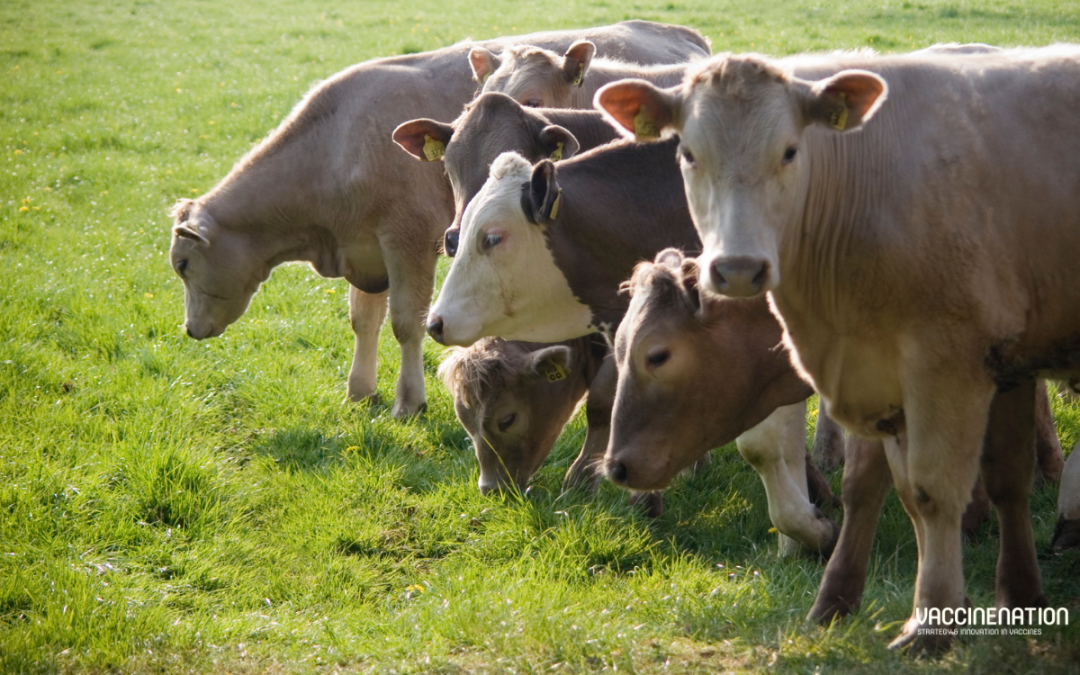
In October 2024 the Animal and Plant Health Agency (APHA) and The Vaccine Group (TVG) announced that Innovate UK has awarded them a Smart grant in excess of £400,000 to advance a novel viral vector platform. In a project lasting 19 months, the two organisations will use technology developed by TVG scientists in candidate vaccines for two “important diseases in cattle”: bovine respiratory syncytial virus (BRSV) and lumpy skin disease (LSD). The project will continue previous research, which identified potential vaccine candidates; it is supported by the World Reference Laboratory for Non-Vesicular Diseases at The Pirbright Institute, determining how the candidates can produce an adequate serological response in animals and protect cattle.
BRSV and LSD
Bovine respiratory syncytial virus (BRSV) is the leading viral cause of respiratory illness in young calves in the UK. It affects around 1.9 million calves each year, costing approximately £54 million. It is “prevalent worldwide” and poses a “substantial economic burden” on beef and dairy producers. In the past 10 years, lumpy skin disease (LSD) has spread “dramatically” beyond former natural enzootic geographies in Africa and the Middle East to cause “severe disease” in other regions.
Both diseases have “broad global prevalence”, and BRSV particularly affects intensively reared cattle. Currently available commercial vaccines for BRSV do not prevent shedding and are restricted from use in young calves by maternal immunity. There are no DIVA (differentiating infected from vaccinated animals) vaccines available for LSD, so use is limited to areas where serosurveillance and eradication programmes are in place.
TVG’s vaccine solutions
The Vaccine Group (TVG) hope to address these challenges. With “key opinion leaders” for the two diseases in the UK and Canada, TVG has inserted transgenes for protective antigens from each virus into two separate constructs through genetic manipulation. Both vaccine candidates have been shown to be genetically stable and have demonstrated “stable and prolonged” protein expression in tissue culture over multiple passages. The technology works by introducing a benign virus to cattle, which stimulates the expression of proteins to induce an immune response.
Chief Executive Officer at TVG, Dr Jeremy Salt, reflected that infectious diseases are a “major cause for concern” for cattle farmers around the world, leading to “significant losses – both in terms of animal health and welfare, and in financial terms”.
“Our goal in developing a viral vector platform for use in cattle effective vaccines is to overcome some of the deficiencies that affect the current commercialised vaccines. By doing so, we can better protect the farmers, their animals, and their livelihoods.”
Dr Salt also hopes to “make beef and milk production more efficient, humane, and sustainable”, whilst “helping the sector address the global challenges of antibiotic resistance and carbon emissions”.
We look forward to hearing from Dr Salt at the Congress in Barcelona in just a few weeks; get your tickets to join us there and don’t forget to subscribe to our weekly newsletters here.