Research in Nature communications in August 2024 reports a non-human primate model of metabolic post-acute sequelae of SARS-CoV-2 to identify a dysregulated blood chemokine signature in acute COVID-19 that correlates with “elevated and persistent hyperglycaemia” four months post-infection. The authors also report a favourable glycaemic effect of the mRNA vaccine, administered on day 4 post-infection. This approach could help to address “one of the most concerning issues” of long-term health conditions after COVID-19 infection; hyperglycaemia can lead to health complications like diabetes and heart disease.
PASC or Long-COVID
The paper states that between 10% and 30% of people infected with SARS-CoV-2 develop long-term health complications, known as post-acute sequelae of SARS-CoV-2 (PASC) or Long-COVID. These complications fall along a “broad spectrum” from metabolic diseases to conditions with “less obvious metabolic undertones”. Evidence suggests a hyperinflammatory response is “critical” to the severity of acute COVID-19 and the development of metabolic PASC such as hyperglycaemia.
Although it is suggested that the balance between virus survival and effective host responses is based on the metabolic reprogramming of nutrients, the extent to which early disruptions in systemic immune and metabolic homeostasis contribute to metabolic PASC “remains unclear”. Furthermore, a “lack of appropriate animal models” for metabolic PASC means that the mechanisms by which SARS-CoV-2 infection “promotes prolonged hyperglycaemia” are “poorly understood”.
The study
The researchers developed a model using SARS-CoV-2 infected non-human primates (NHPs). African green monkeys (AGMs) were infected intranasally and intratracheally; blood biochemistry, virologic, and immunologic parameters were analysed longitudinally for an 18-week period. Metabolic, virologic, and clinical analyses were also performed on selected tissues at necropsy to “interrogate potential mechanisms that underlie the development” of metabolic PASC.
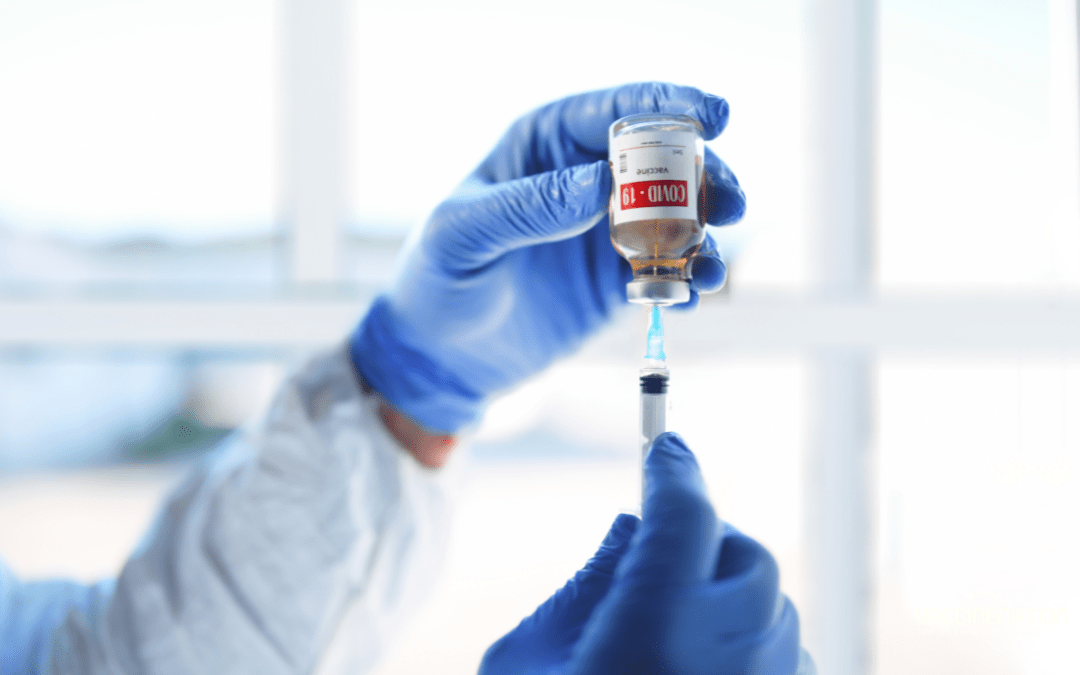
To explore if vaccination against SARS-CoV-2 during acute infection, prior to multiorgan distribution from the lungs, could elicit a “more favourable” tissue microenvironment that reduces the tissue burden of replication competent SARS-CoV-2 and/or viral fragments, the authors investigated administration of the BNT162b2 vaccine four days after infection. The cohort was split into two groups: unvaccinated (10) and vaccinated (5). The vaccinated group were vaccinated 4 days post infection with the mRNA vaccine BNT162b2.
Findings
The data demonstrate that SARS-CoV-2 infection of AGMs is “associated with early-onset hyperglycaemia”, persisting for at least 18 weeks post infection. However, the vaccination of five of the animals 4 days post infection was associated with a “consistent and significantly lower” blood glucose level over the study period. Dr Clovis Palmer, a lead author of the study, describes the research as a “new frontier in our fight against COVID-19″.
“By showing that the vaccine can have therapeutic benefits even after infection, we can explore new strategies to help those suffering from long-COVID, especially those with symptoms like chronic fatigue that may be linked to metabolic dysfunction.”
Dr Jay Rappaport, co-corresponding author and director of the Tulane National Primate Research Centre commented that the discovery that COVID-19 can “induce diabetes in an animal model” is a “significant advancement in our understanding of the long-term effects”.
“The fact that a COVID vaccine given after infection can have protective effects highlights the importance of innovative research in addressing the ongoing challenges of a pandemic.”
For more on COVID-19 vaccines at the Congress in Barcelona get your tickets here, and don’t forget to subscribe for weekly vaccine updates here.