by Charlotte Kilpatrick | Apr 30, 2024 | Technology |
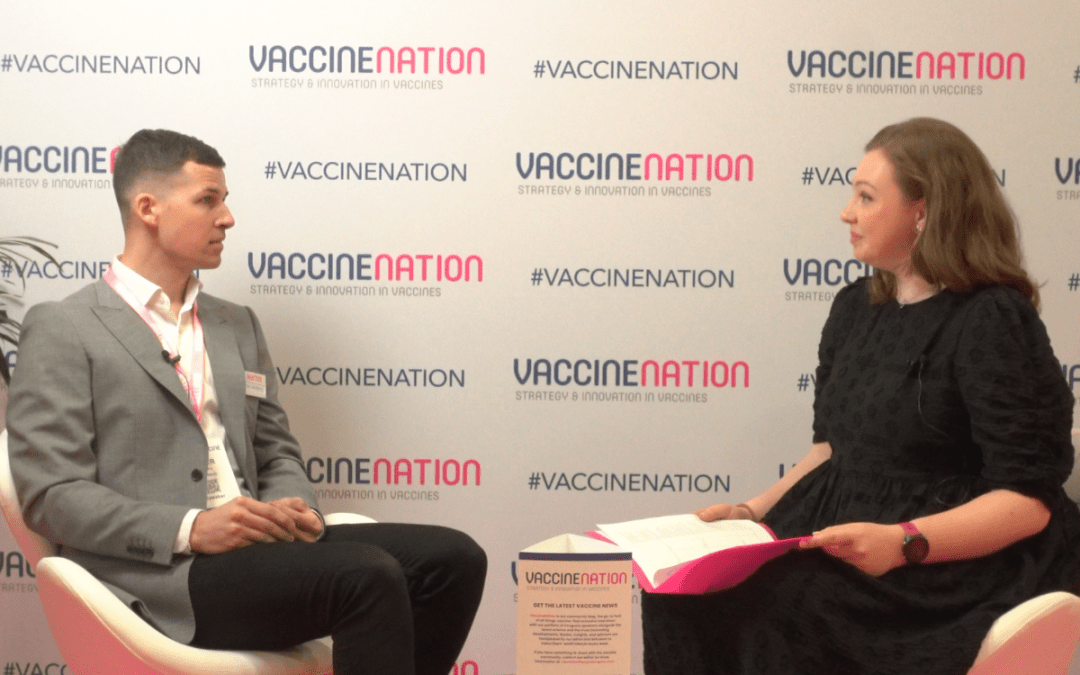
Our next interview from The World Vaccine Congress in Washington this April is a conversation with Mabtech’s Dr Tyler Sandberg, who joined us at the event to present in the Immune Profiling track on “Characterising vaccine-induced immune responses with ELISpot and FluoroSpot assays”. Dr Sandberg is Mabtech’s Product Manager for ELISpot and Fluorospot, overseeing “day-to-day things” with the assays and working across the team to “improve our products” and understand how customers are using these products.
Assays to characterise vaccine-induced immune responses
We began by considering Dr Sandberg’s session at the Congress, and asked for an insight into some of the key concerns here. He emphasises that both are “now very well established assays”. The first ELISpot assay was done in the “late 80s”!
“It’s an assay that’s been around for a long time, but it’s a really great standardised assay.”
ELISpot has contributed to the assessment of HIV vaccines in the 90s and, more recently, has been “essential” in evaluating new COVID-19 vaccines. Dr Sandberg suggests that in the “early 2000s” people began to explore replacing the enzymatic development with Fluorophore detection, which also facilitates “multiplexing”. This is a “powerful” way to “get a lot more data”.
Mabtech: a one-stop shop
Evidently, Mabtech (certainly as represented by Dr Sandberg!) has plenty of information and product understanding as it enables customers to meet various needs. We asked about the distinguishing factors in a competitive space; is Mabtech meeting an unmet need or standing above competition?
“What makes us unique, I think, is that we are very much a one-stop shop.”
Monoclonal antibodies are developed “in house” in Stockholm, where the organisation was founded by 3 PhD students who decided to start a business after researchers identified them as “really good” at mAb development. This was “around the same time” that ELISpot started “taking off”.
“Because we control everything, we produce everything in house…we offer the best instruments in the market.”
Furthermore, Dr Sandberg believes that the team is “really good at the customer support side of things”.
“We love getting in contact with the researchers, hearing how they’re using our kits, and how they’re using ELISpot and FluoroSpot in ways that we didn’t think possible at first.”
Applications
Our penultimate question invited Dr Sandberg to share some recent uses or applications of the products his team is supplying. He shared the example of a 2023 publication covering a new neoantigen cancer vaccine for pancreatic patients. ELISpot was used throughout the vaccine evaluation process.
“It was really nice to see this standardised assay still being used today in brand new vaccine fields.”
Mabtech’s website has a great publication database for anyone who wants to look closer at other examples.
Why WVC?
As always, we conclude by asking about the event, and why our experts are joining us for the Congress. Dr Sandberg shares that “it’s really fun just going round and meeting everyone”. He reflects that, in the “age of remote work”, in-person events provide opportunities to learn and network.
“Overall, the networking is really great!”
It was a pleasure to speak to Dr Sandberg about his work; we hope that you enjoy the conversation!
For more conversations with our experts from the Congress in April do make sure you subscribe for weekly updates here!
by Charlotte Kilpatrick | Apr 30, 2024 | Technology |
A study in The Lancet in April 2024 reveals that the use of microarray patches for vaccination is “safe and effective” as the technology has been “ranked as the highest global priority innovation” to tackle immunisation barriers in LMICs. The trial provides data on the tolerability, safety, and immunogenicity of a measles and rubella vaccine (MRV) in children in The Gambia. Led by researchers from the London School of Hygiene & Tropical Medicine (LSHTM) and supported by the US CDC, the trial used devices developed and manufactured by Micron Biomedical and was funded by the Bill & Melinda Gates Foundation.
Tackling measles and rubella
The authors attribute “substantial progress” in reducing the global burden of measles and rubella to vaccination; between 2000 and 2021 the annual number of measles deaths has been reduced by “around 83%” and an estimated 56 million measles deaths have been averted in this time. In 2020, the annual number of rubella cases fell by 96% to 10,194. WHO’s six regions have committed to measles elimination, with WHO recommending that countries “consistently achieve” at least 95% two-dose measles vaccine coverage.
Between 2000 and 2019, first dose measles vaccine coverage increased to 86% across the world, with coverage in the WHO African region increasing from 53% to 70%. While second dose measles vaccine coverage was 71% globally in 2021, it was only 41% in the WHO African region. Additionally, the authors identify “significant heterogeneity both between and within countries”.
Thus, periodic supplementary immunisation activities (SIA), targeting an entire population (usually children between the ages of 9 months and <5 years) during intensive campaign periods, “continue to be necessary” to increase population immunity and respond to measles outbreaks. In 2021 over 150 million children received measles vaccines through SIA.
“Such vertical approaches tend to improve coverage equity compared with routine immunisation services, which vulnerable people have the most difficulty in accessing.”
However, SIA are “personnel intensive, logistically complex, and variable in their capacity” to reach zero-dose children. Therefore, alternative strategies are needed. Microneedle patches (MNPs) could provide “programmatic advantages” over conventional needle and syringe approaches. This potential has been identified by the Vaccine Innovation Prioritisation Strategy, which ranked the developed of MNPs the highest global priority for achieving equity of vaccine coverage.
MRV-MNP in trial
The trial used an MRV-MNP that contains live-attenuated MRV embedded in an array of microneedles, which penetrate the epidermis and upper dermis, dissolve, and release the vaccine. The application is “designed to allow for administration by people who are not healthcare professionals” and is a “largely painless” process. Furthermore, MRV-MNPs are “expected to have” improved thermostability, and wastage is minimised.
The trial was a single-centre, Phase I/II, double-blind, double-dummy, randomised, active-controlled, age de-escalation trail, conducted in The Gambia. Participants were recruited between May 2021 and May 2022, with 45 adults, 120 toddlers, and 120 infants randomly allocated and vaccinated.
The trial offers the first data on the use of MNP in vaccine administration to children. In adults, toddlers, and infants, the MRV-MNP was “well tolerated and safe”, and the immunogenicity was “similar” to that of a needle and syringe vaccine. As the vaccine viruses were delivered “directly” into the skin, mild local reactions at application sites were “more frequent” than at the subcutaneous injection site.
Researchers have hope
The researchers at LSHTM “hope” that microarray patches could help to achieve “very high levels of population immunity” to control diseases like measles and rubella. Professor Ed Clarke leads the Vaccines and Immunity Theme at MRC Unit The Gambia and is a co-author who commented that the “extremely promising results” have “generated a lot of excitement”.
“They demonstrate for the first time that vaccines can be safely and effectively given to babies and young children using microarray patch technology. Measles vaccines are the highest priority for delivery using this approach but the speed of other vaccines using microarray patches is also now realistic. Watch this space.”
Dr Ikechukwu Adigweme, co-author from the Vaccines and Immunity Theme at MRC Unit The Gambia finds these “positive” results “quite gratifying to us as a team”.
“We hope this is an important step in the march towards greater vaccine equity among disadvantaged populations.”
Larger trials are now expected, with hopes high for further confirmation of these early results. For more on vaccine technology and the ways it can be implemented for wide coverage, don’t forget to subscribe to our newsletters here.
by Charlotte Kilpatrick | Apr 25, 2024 | Technology |
During The World Vaccine Congress in Washington this year we were excited to speak to several of our wonderful vaccine experts to hear about their work and insights. One such expert is Dr Ed Kelley, Chief Global Health Officer at ApiJect, formerly Director for Service Delivery and Safety for WHO, who joined us at the event for a session in the Vaccine Delivery workshop: “Redefining Access: Prefilled Injectables for safe and efficient vaccinations”. It was fantastic to hear from Dr Kelley and we hope that you enjoy the interview!
Prefilled injectables
Our first question considered Dr Kelley’s session on the value of prefilled injectables in “safe and efficient” vaccinations. Dr Kelley begins by generously commenting on the benefits of pre-Congress workshops and the importance of considering investment in delivery! Within the notion of delivery, Dr Kelley presented on ApiJect’s approach. ApiJect states that their device combines “two trusted technologies”: the Blow-Fill-Seal (BFS) aseptic drug packaging process, and a pen needle-style needle hub. Dr Kelley indicates that this technology can produce 30,000 doses an hour, “at very high speed and at very low cost”.
Vaccine concerns: what are the next steps?
We then asked Dr Kelley about his considerations or concerns for vaccines as we continue to emerge from a global pandemic and vaccine innovation is moving at a remarkable speed. He identifies two aspects:
“One, COVID itself was a big push on this new line of vaccines around mRNA, DNA vaccines, and other innovations there for more rapid development…because we had that investment in mRNA and more rapid production, they’ve pushed themselves to be more rapid in their own production, so I think the whole industry has moved in terms of more rapid response on vaccines.
But, the challenge is that COVID also gave us the biggest hit to routine vaccination globally…we’re about to miss the window to vaccinate those kids globally, which leaves us with decades of vaccine-preventable outbreaks around the world.”
Dr Kelley and his team are focused on vaccine delivery, so they want to “get [effective vaccines] out to the places that they need to get to”.
Development to delivery
Our next question was about the discrepancy between investments in vaccine development and vaccine delivery: what does ApiJect want to see from the vaccine community?
“We’ve spent billions, rightly so, on new and better vaccines.”
However, Dr Kelley and his colleagues are concerned about “how many new vaccines are coming”. He considers the new malaria vaccine, a “massive breakthrough”, which looks like it will demand seasonal boosters. Providing these boosters to “all of the children in malaria-endemic Africa, every year” is a “massive delivery challenge”.
“So we’re spending money on new vaccines, but we’re spending almost nothing on these leaky pipes of vaccine delivery that have existed for almost 30 years…more investment needs to be done on that type of innovation.”
ApiJect benefited from US Government funding during the COVID-19 pandemic, and Dr Kelley identifies “growing interest” in this area. Yet, it’s still “a fraction” compared to vaccine development: “we just need to have that better balance”.
Why WVC?
As usual, we conclude the interview with a question about the event, and why Dr Kelley and his team were joining us.
“The opportunity to be here with a mix of public sector leadership as well as private sector leadership… those types of public and private sector mixes are clearly how we’re going to solve some of these.”
Some of the sessions on the agenda also appealed to Dr Kelley, including those that covered pandemic preparedness. Finally, he was also starting to plan his next Congress with us, in Barcelona later this year! It’s great to hear that Dr Kelley and team will be joining us there; you can get your tickets for this event here.
We’re grateful to Dr Kelley for his time and, if you want to hear more from him, encourage you to check out his “From the Front Line” podcast here.
For more conversations with our experts from the Congress in April do make sure you subscribe for weekly updates here!
by Charlotte Kilpatrick | Apr 10, 2024 | Technology |
The Royal Berkshire Foundation Trust announced in April 2024 that initial results from a long-term follow-up study of the safety and effectiveness of an oral spray-based vaccine against urinary tract infections (UTIs) are promising. The study reveals that in both men and women with “recurrent UTIs”, 54% of participants remained UTI-free for up to nine years after the vaccine was administered. Furthermore, they reported no notable side effects.
UTIs
UTIs are described as a “common” bacterial infection, often treated by antibiotics. Around half of women and one in five men experience these “painful and uncomfortable” infections. However, as antibiotic resistant UTIs are “on the rise” and drugs become less effective, there is a need for new ways of preventing and treating the infections.
MV140 in trial
A new solution could be emerging in the form of an oral vaccine: MV140. MV140 is administered through two sprays under the tongue every day for three months. The vaccine was developed by Spain-based pharmaceutical company, Immunotek, and contains four bacterial species in a suspension with water. It has been studied for short-term safety and effectiveness, but this is the first long-term follow-up study. It involved 89 patients who were originally treated privately at The Urology Partnership Reading.
The follow-up study allowed researchers to analyse data from the electronic health records of the original cohort from 2017. They interviewed participants about their experience of UTIs and asked them about side effects. 48 participants remained “entirely infection free” during the nine-year follow-up. The average infection-free period across the cohort was 54.7 months (four and a half years). 40% of participants reported having repeat doses of the vaccine after one or two years.
Safe and effective
Dr Bob Yang is a Consultant Urologist at the Royal Berkshire NHS Foundation Trust and co-led the research, commenting that prior to taking the vaccine “all our participants suffered with recurrent UTIs, and for many women, these can be difficult to treat”.
“Nine years after first receiving this new UTI vaccine, around half of participants remained infection free. Overall, this vaccine is safe in the long term and our participants reported having fewer UTIs that were less severe.”
Indeed, if participants did report UTIs, they were able to treat these infections by “simply drinking plenty of water”. Not only is the vaccine effective, but it is “a very easy vaccine to administer” and “could be given by GPs as a 3-month course”.
“Many of our participants told us that having the vaccine restored their quality of life. While we’re yet to look at the effect of this vaccine in different patient groups, these follow-up data suggest it could be a game changer for UTI prevention if it’s offered widely, reducing the need for antibiotic treatments.”
Professor of Urology at the Alta Uro Medical Centre for Urology in Switzerland, and EAU Chair of Guidelines on Urological Infections, Gernot Bonkat, thinks the “findings are promising”.
“Recurrent UTIs are a substantial economic burden and the overuse of antibiotic treatments can lead to antibiotic-resistant infections.”
Although Professor Bonkat highlights the need for “further research”, the study “reveals encouraging data”.
“While we need to be pragmatic, this vaccine is a potential breakthrough in preventing UTIs and could offer a safe and effective alternative to conventional treatments.”
Could this vaccine offer hope to the many people who experience UTIs and contribute to the fight against AMR? For more like this, don’t forget to subscribe to our weekly newsletters here.
by Charlotte Kilpatrick | Apr 10, 2024 | Technology |
In April 2024 YS Biopharma announced positive interim results from an ongoing Phase III clinical trial of its next-generation PIKA Rabies Vaccine. These results suggest that the Pika Rabies Vaccine has “successfully met” the primary endpoints of the trial, with the potential to achieve best-in-class accelerated protection and meet WHO’s goal of a one-week rabies vaccine regimen to replace the conventional approach, which demands three- or four-week regimens. The vaccine uses YS Biopharma’s proprietary PIKA adjuvant technology.
PIKA technology
YS Biopharma’s PIKA technology comprises synthetic biologic complex from the team’s research, synthesised based on their proprietary GMP manufacturing technology. It can induce a “prompt production” of interferon, cytokines, chemokines, and costimulatory factors through TLr3, RIG-I, and MDA-5 signalling pathways. Administration of PIKA facilitates antigen cross-presentation by dendritic cells and “augments” CD4+ T-cell, CD8+ T-cell, and natural killer-cell responses.
The vaccine in trial
The Pika Rabies Vaccine is designed to produce a more robust immune response in a shorter time than existing rabies vaccines. It was granted orphan drug designation by the US FDA for the prevention of rabies virus infection, including post-exposure prophylaxis for rabies.
The Phase III trial is a randomised, comparator-controlled, double-blind, multicentre trial. It includes 4,500 participants from the Philippines and Pakistan. It has been designed to assess the immunogenicity, safety, and lot-to-lot consistency of three lots of the vaccine in healthy adults through a 7-day vaccine schedule.
The primary immunogenicity endpoints of the study were geometric mean titers (GMTs) of rabies virus neutralising antibodies (RVNA) and RVNA seroconversion rate at Day 14 in the first 900 participants. The secondary immunogenicity endpoints were RVNA seroconversion rate and GMTs of RVNA at Day 28, Day 42, Day 90, and Day 180 in the first 900 participants and RVNA seroconversion rate at Day 7 and Day 365 in all participants.
So far, the Pika Rabies Vaccine demonstrates non-inferior immunogenicity compared to a globally marketed comparator, as well as helping patients achieve immunity in the shorter timeframe of 7 days. The data reveal that the RVNA seroconversion rate of the vaccine was “twice that of the comparator” by Day 7.
“This accelerated and higher seroconversion rate came at no cost to safety, with the safety profile of the PIKA Rabies Vaccine remaining highly tolerable.”
Compelling evidence
Dr Zenaida Mojares, Chief Medical Officer at YS Biopharma, states that the interim results “provide compelling evidence” of the “robust immunogenicity and favourable safety profile” of the vaccine.
“By providing a shortened treatment regimen without sacrificing safety or quality, the PIKA Rabies Vaccine has the potential to improve rabies treatment and compliance. At present, the long and inconvenient regimen length for existing rabies vaccines represents a major barrier to treatment completion.”
Dr Mojares is “eager to see how the enhanced speed” might have a “positive impact on patients”.
“We are proud of our team for the hard work and dedication which got us to this point, and we are excited to see how our advances will contribute to the ongoing global fight against rabies.”
Dr David Shao is Director, President, and CEO of YS Biopharma, and expressed “sincere gratitude” to the investigators and participants of the trial.
“Thanks to their dedication and efforts, animal bite patients are expected to have access to a new rabies vaccine, thereby reducing the rate of immune failure.”
Dr Shao and team “remain committed to working closely with drug regulatory agencies” in several countries, including the Philippines, Pakistan, Singapore, and China.
“We eagerly anticipate the early approval of this innovative therapy for the benefit of patients worldwide.”
For more on innovative technologies with life-changing implications, don’t forget to subscribe to our weekly newsletters here.
by Charlotte Kilpatrick | Mar 29, 2024 | Technology |
In March 2024 researchers at the University of Albany announced that they have developed a new method to test the integrity of COVID-19 vaccines. The method “could allow anyone with basic skills in vaccine handling to detect expired vaccines” without a need for specialised equipment and can be performed on sealed vials without disrupting the vaccine’s effects. The system, which uses laser-derived signals, can be contained in a portable unit to facilitate transport and handling.
The demands of mRNA
While mRNA proved to be a key player in the COVID-19 vaccine rollout, there were immediate “concerns” about transportation and storage. With exposure to sunlight or temperatures outside a precise window of –80°C to –20°C. Dr Lamyaa Almehmadi worked on the project as a PhD student at the RNA Institute and described the “unmet need” for a “quick and easy method to test the stability of mRNA vaccines”.
“To the best of my knowledge, our method is the first to enable an in-situ, non-destructive and reagent-free approach for mRNA stability analysis in mRNA-based vaccines.”
How does it work?
The method uses a Raman spectroscopy instrument developed by the university’s Professor Igor Lednev. The technique involves directing an ultraviolet (UV) laser into a liquid, which creates scattered light that can then be detected and analysed to reveal chemical signatures. The technology has been adapted and combined with advanced machine learning for “various applications” such as forensic science and disease detection.
The most recent application allows the team to detect small changes in the mRNA structure that indicate “loss of therapeutic functionality”. Dr Almehmadi commented that the scattered light is detected and processed to “yield the RNA signature”, which is known as the Raman spectrum.
“The mRNA Raman spectrum is then used for RNA degradation analysis. The test is rapid, typically taking just a few minutes to complete.”
Furthermore, the method can be “fully contained” in a handheld instrument and is non-invasive, so can be used to test multiple vials.
“Individuals with basic training in handling vaccine vials and operating the instrument could utilise our method effectively in a variety of settings outside a lab…with the assistance of advanced software, the process of data collection and results interpretation can be automated, making it accessible to a wider range of users.”
Professor Lednev believes that the technology is “universal in several important ways”.
“It allows for obtaining mRNA spectral characteristics in situ without disintegrating the vaccine capsule. It is also nondestructive; should the test result be positive the vaccine could then be used.”
Thus, the technology “might find numerous applications” for mRNA vaccines and therapeutics.
How might this technology help your work? Would it be applicable in all settings? For more on vaccine technology and RNA vaccines at the Congress this April do get your tickets to join us here! Don’t forget to subscribe to our newsletters here.
by Charlotte Kilpatrick | Mar 28, 2024 | Technology |
In March 2024 Intravacc announced that it has entered a strategic partnership with Primrose Bio to enhance the development and supply of conjugate vaccines. The statement suggests that the companies will “leverage their combined experience” in the development of conjugate vaccines; Primrose Bio will supply its “industry-leading” carrier protein, PleiCRM197, for vaccine development, and Intravacc will bring “IP and know how” in vaccine conjugation and manufacturing. This will provide clients with a “seamless solution” across development and manufacturing.
“Third parties engaged in developing conjugate vaccines will have access to a seamless solution for vaccine conjugation, manufacturing, and supply.”
The partnership will harness the “synergistic strengths” of each company, “fostering innovation and efficiency in vaccine development”. Intravacc will bring “comprehensive technical expertise, state-of-the-art facilities, and robust capabilities”. This will be complemented by Primrose Bio’s “ultra-pure production, supply chain, and regulatory support” for the PeliCRM197 carrier protein. This is “vital ingredient” in conjugate vaccine formulations. It is the only commercial CRM197 used in commercial vaccines for purchase.
“The partnership signifies a strategic alignment aimed at advancing vaccine development and accessibility for researchers and industry clients.”
Dr Jan Groen, CEO of Intravacc, is “excited” to announce the partnership.
“By combining our expertise with Primrose’s cutting-edge technologies, we aim to revolutionise the landscape of conjugate vaccine development, ultimately benefiting millions worldwide.”
Dr Helge Zieler, CEO of Primrose Bio, agreed that by “expanding the capability of our PeliCRM197 franchise” through the partnership, they will create a “full-service solution” for early-stage customers and parnters needing vaccine conjugation development.
“With both companies having direct product experience in preclinical, manufacturing, and clinical development, the combined know-how of the two firms fills a gap that is needed by the vaccine industry.”
We look forward to meeting and hearing from representatives of both Intravacc and Primrose Bio at the Congress in Washington this April so do get your tickets to join us there or subscribe for more insights into the latest vaccine partnerships!
by Charlotte Kilpatrick | Mar 26, 2024 | Technology |
With the Congress in Washington just around the corner, VaccineNation is gearing up and getting ready to return to the US to meet our wonderful attendees. Among them are two organisations who met during the event last year, whose story caught our attention. CastleVax and Jurata Thin Film joined us in the start-up zone for our 2023 Congress and, after discovering shared interests and goals, have formed a successful partnership.
We are thrilled that Dr Michael Egan and Ms. Megan Livingston were able to share their perspectives, and hope you enjoy learning more about their work!
Introducing: CastleVax and Jurata
Dr Michael Egan is the CEO and Chief Scientific Officer of CastleVax, with “more than 30 years” of experience in the vaccine research and development space. His team has a state-of-the-art platform for developing first-in-class vaccines to “enable rapid development of safe and highly immunogenic viral vectors” that can be easily delivered and stored.
Ms. Megan Livingston is Vice President, Business Development for Jurata Thin Film, having joined as “the first employee” in September 2020! Jurata’s thin film technology “enables the long-term storage of vaccines and biologics at ambient or elevated temperatures”. She is responsible for the business strategy development, client and partner recruitment, investor relations, and corporate growth.
Start-up neighbours
When we asked about how they met, Michael explains that they “happened to be neighbours” in the start-up zone.
“After speaking briefly and learning what each other’s companies were focused on, we realised that we had very complementary approaches.”
Megan echoes that there was a “clear alignment in our intents and interests”. Furthermore, Megan was able to introduce Michael to Rachel Rath, Director of the BARDA Alliance for Johnson & Johnson Innovation, who leads BLUE KNIGHT™. BLUE KNIGHT™ is a “joint initiative” between Johnson and Johnson Innovation (JLABS) and the US Biomedical Advanced Research and Development Authority (BARDA). It is dedicated to “anticipating potential health security threats, activating the global innovation community, and amplifying scientific and technological advancements”.
“Obvious” potential for a partnership
Many of our attendees at the events encounter tens, if not hundreds, of new organisations or people, so how did Michael and Megan establish that this relationship had potential? Michael reflects on how Jurata’s technology was an “obvious area for collaboration” to “reduce our vaccine platform’s cold chain requirement”.
“Jurata’s thin film technology immobilizes vaccines into a pliable film matrix without lyophilisation, preserving biological efficacy at ambient temperature and facilitating the distribution and delivery of thermostable vaccines to people around the world.”
Megan describes CastleVax’s platform as a “very new and interesting viral vector platform”, agreeing that “collaboration seemed obvious”. Megan also had experience with BLUE KNIGHT™ that was to become useful for CastleVax.
BLUE KNIGHT™
Megan explains how, when BLUE KNIGHT™ announced the QuickFire Challenge: Accelerating Project NextGen at its 2023 Symposium, she and Michael spoke about applying to fund the collaboration they had in mind.
“CastleVax’s live-attenuated next-generation booster vaccine against COVID-19 is the ideal candidate to show Jurata’s formulation’s ability to stabilise and deliver a vaccine without needles.”
Michael states that their project was awarded $1 million for the development of a “next generation vaccine against newer variants of COVID-19, inducing mucosal immunity through needle-free administration”.
How is the project progressing?
Already, the partnership has developed several formulations to stabilise CastleVax’s live-attenuated COVID-19 vaccine.
“The on-going collaboration will show that the room temperature thin film stabilised vaccine retains the potency and performance in animals relative to the original deep-freeze vaccine product.”
Next steps
Megan and Michael are “confident” that they will find the right formulation to “reduce, if not remove the cold chain requirements” soon, which means preclinical studies can begin to assess if Jurata’s formulation supports mucosal immunity after administration via intranasal or sublingual routes. They will also submit for funding through Project NextGen to “continue the clinical development” of CastleVax’s reformulated vaccine.
“The intention is to continue this collaboration and show that a thermostable vaccine can induce mucosal immunity, providing protection against new strains of COVID-19, as well as other respiratory infectious diseases.”
Be friendly and patient
Our final question for Michael and Megan invited them to share any advice that they might have for organisations, particularly start-ups, who are looking to create powerful partnerships. Michael kindly recommends participation in the start-up zone, which we naturally encourage!
“Be friendly to your neighbours. Participate in the WVC start-up zone. Talk to everyone who will listen. You never know where the next great connection will come from.”
Megan also highlights that “conferences have been our most successful way to meet like-minded partners”.
“A powerful partnership is equally beneficial to all parties involved.”
While partnerships are exciting, Megan also reflects that “a partnership needs a well-timed opportunity to be successful”.
“Be patient because the perfect opportunity could be imminently available, like ours was with CastleVax, or it could take years.”
It was a privilege to get these insights from Michael and Megan, and we hope to learn more about their progress at the event this year! If you’re interested in participating in the start-up zone, click here to learn more or email isabella.aung@terrapinn.com to introduce yourself. For more information on BLUE KNIGHT™ or to secure your place at the 2024 BLUE KNIGHT™ Symposium in June, click here! Finally, if you’re looking to connect with vaccine movers and shakers in Washington this April, do get your tickets here and don’t forget to subscribe for more vaccine stories.
by Charlotte Kilpatrick | Mar 26, 2024 | Technology |
In March 2024 Altamira Therapeutics announced that it has entered a collaboration with Univercells to evaluate the use of its SemaPhore platform to deliver mRNA vaccines. The agreement ensures that Univercells will test a proprietary mRNA vaccine delivered with SemaPhore nanoparticle platform in vitro and in vivo. If these prove successful, the companies will discuss and negotiate a commercial agreement for the development and manufacturing of nanoparticle-based mRNA vaccines through Univercells’ production platform.
SemaPhore
Altamira’s SemaPhore platform is “versatile” and designed to “enable safe and effective delivery of mRNA into target cells” through systemic or local administration. It is based on a proprietary 21 amino acid peptide that can engage “any type” of RNA in rapid self-assembly into a polyplex, which has a size, charge, and other physical features. These allow it to escape hepatic clearance to reach target tissues other than the liver.
“SemaPhore protects the RNA payload from degradation in the circulation and allows for rapid and effective cell entrance. Efficient delivery and positive treatment outcomes have been demonstrated in multiple murine models of disease so far.”
Dr Covadonga Pañeda, Altamira’s Chief Operating Officer, is “thrilled to initiate this collaboration”.
“SemaPhore has shown to be an efficient delivery vehicle for therapeutic RNA in many different disease models. With this collaboration we will explore for the first time its potential utility in delivery mRNA vaccines.”
Dr Pañeda highlights that current delivery vehicles that are used in the field “suffer from significant rates of mRNA loss during cell entrance”. Furthermore, they can cause “local or systemic side effects”.
“SemaPhore reduces mRNA loss during cell entrance, which may allow for using lower doses. This feature, together with its favourable tolerability profile could make SemaPhore a compelling alternative to conventional delivery vehicles.”
Chief Technology Officer of Univercells is Dr José Castillo who is “delighted to be partnering with Altamira to explore better ways to deliver mRNA to patients”.
“mRNA vaccines, and mRNA in general, have proven to be a game-changer in how we prevent, treat, and cure diseases in a range of fields from oncology to infectious diseases. To unlock its full potential, however, we need constant innovation to make mRNA products more effective, efficient, and affordable. One key step is to develop platforms that use lower doses.”
For all things RNA and innovation, why not join us at the Congress in Washington this April to attend the RNA workshop and more, or subscribe to our newsletters here?
by Charlotte Kilpatrick | Mar 19, 2024 | Technology |
In March 2024 Croda and The Access to Advanced Health Institute (AAHI) announced the signing of a partnership agreement on innovation and development of adjuvant formulations. The agreement will allow the organisations to “leverage their combined expertise” to make novel vaccine adjuvant formulations “globally accessible”. This will facilitate the development of “next generation, robust, and durable vaccines”.
AAHI meets Croda
AAHI is described as a “leading nonprofit biotech research institute” that has developed platform technologies to harness the immune system against disease. It “boasts a diverse portfolio of adjuvant formulations”, which are used in “numerous vaccine candidates”.
“With deep adjuvant and vaccine formulation expertise and years of experience developing cost-effective, sustainable products and processes for making them, AAHI stands at the forefront of vaccine innovation.”
Croda was “founded on the principle of using smart science to turn bio-based raw materials into innovative ingredients that help to improve lives”.
“We envision a future where everyone gets the vaccines they need. This reality relies on maintaining vaccines access and continuing to innovate in this realm. The responsibility is on us all to not only select sustainable ingredients, but to secure supply chains and sources that will not deplete in the future.”
The exclusive agreement between the two organisations includes a “collaborative effort in research and development” to “propel rapid development of innovative adjuvants and formulations” and to develop “efficient manufacturing processes to enable production at scale, to meet vaccine industry and global needs”. Croda is to apply its “unparalleled cGMP manufacturing expertise” to scale up manufacturing and support for Phase III clinical trials and commercial use.
The vaccines of tomorrow
President Life Sciences at Croda is Daniele Piergentili, who commented that the partnership represents “another significant milestone” in the team’s “endeavour to offer a comprehensive portfolio of adjuvants for the vaccines of tomorrow”.
“It perfectly aligns with our pharmaceutical strategy to ‘Empower biologics delivery’ and underscores our commitment to making substantial contributions to the successful development and commercialisation of WHO-listed pipeline vaccines.”
Dr Corey Casper, President and Chief Executive Officer of AAHI, identifies “tremendous” opportunities for AAHI and “collaborators and vaccine developers who rely on adjuvant formulations for the deployment of effective health solutions”.
“Croda’s commitment to and passion for developing sustainable adjuvant formulation solutions from bench to clinic to market is in direct alignment with our mission to create worldwide access to vaccines and immunotherapies.”
We look forward to welcoming representatives from both Croda and AAHI to the Congress in Washington this April; are you joining us there? If you can’t make it, why not subscribe for more insights here!
by Charlotte Kilpatrick | Mar 19, 2024 | Technology |
In March 2024 the University of Birmingham announced that it is leading UK-wide training to “address critical skills demand in life sciences”. A new national Centre of Excellence, the RESILIENCE Centre of Excellence for UK Medicines Manufacturing Skills, will deliver training, materials, and programmes to address skills demands in the life sciences sector. It is run by an academic consortium of UK universities. The Centre will receive £4.5 million of funding from Innovate UK and the Office for Life Sciences and work with healthcare and pharmaceutical organisations to offer an “entry point” for training and career input.
School children are also expected to benefit from the Centre through free resources to 150 schools, colleges, and universities as well as education, mentoring, and outreach to “nurture the talent pipeline”. For the existing workforce, training courses will be developed to “ensure that the UK remains at the forefront of medicines development” and is prepared to fight future pandemics. Life Sciences businesses will be “key partners” to ensure that training needs are adapted to suit “pressing priorities”.
These current needs include training provision for digital skills, data analytics, and AI as well as embedding environmental sustainability into manufacturing processes. Combining virtual reality and mixed reality delivery modes will enable staff to undertake more training in VR than the physical environment, which reduces the production of manufacturing waste and speeds up the process.
A skills shortage
Professor Ivan Wall, Co-Director of Resilience, identifies a “critical and growing skills shortage” in the medicines manufacturing industry.
“The RESILIENCE Centre of Excellence will bridge this skills gap, by developing a pipeline of talent and providing training for industry to ensure current and future employees possess the right skills for a rapidly evolving sector.”
Professor Wall suggests that RESILIENCE will work with industry and government to “build training and outreach programmes” to enable “workforce growth” to “boost” the country’s manufacturing capacity.
“Innovative training technologies, such as VR and AI, will give trainees access to virtual replicas of industry facilities, enabling them to become ‘workplace ready’ without the safety risks or environmental impacts of physical equipment. This approach will allow us to standardise and scale out training provision across our core partners, ensuring consistency in skills development across the UK.”
Professor Gary Lye, Director of the University College London Manufacturing Future Lab, considers it important to “support this vital sector through new research and through education of the skilled individuals who will enable the sector to grow”. At a Maths Summit at the Science Museum in London in March 2024, Science and Technology Secretary Michelle Donelan commented on the importance of collaboration to build on “reforms to the skills system”.
“By doubling down on our investments in skills and backing British business, we can lay the foundations for an economy fit for the future – an economy that creates jobs and improves lives for communities up and down the country. This is how we make our science and tech superpower mission a success.”
Professor Vikki Rand, Director of Teesside University’s National Horizons Centre, emphasised the “strong track record” that the Centre has for “working with partners in the bioscience sector developing innovative training for the workforce”.
“By combining hands-on training on the latest equipment with digital technology, including VR and AR, we deliver real impact for the companies, by saving quality time and resources and giving them the ability to train their employees at scale.”
Professor Rand is “delighted” to participate in the “excellent national project” to ensure that the UK “retains its leading place in biomanufacturing”.
“We are looking forward to delivering a real step-change in driving the talent pipeline to manufacture medicines of tomorrow.”
Heriot-Watt University’s Professor Nik Willoughby is “thrilled to participate in RESILIENCE” and contribute to the education of the next generation with “essential skills for the development and manufacture of future medicines”.
“Our emerging Global Research Institute in Health and Care Technologies exemplifies our commitment to advancing healthcare through innovative research-led teaching and entrepreneurial collaboration.
Dr Kirk Malone, Commercial Director of Britest Limited, appreciates the importance of skills training and development from the perspective of “an SME-sized company that supports organisations to sustainably grow through better process understanding”.
“RESILIENCE will instil multidisciplinary thinking into future skilled workers to enable more sustainable medicines manufacturing.”
To join us to participate in discussions about the future of bioprocess and manufacturing at the Congress in Washington this April, get your tickets here, and don’t forget to subscribe to our newsletters.
by Charlotte Kilpatrick | Mar 18, 2024 | Technology |
A study in Nature Communications in March 2024 presents the use of a genetically modified filamentous fungus expression system to produce a human monoclonal antibody that neutralises SARS-CoV-2 variants of concern. One of the workshops at the Congress in Washington considers monoclonal antibodies and they will be explored throughout several other sessions on the agenda, so we examined this article to see what the team behind it have achieved and what implications it might have for global health research.
The importance of monoclonal antibodies
“In recent years, industrially produced immunoglobins have become an important biopharmaceutical tool not only for the treatment of cancer, autoimmune and inflammatory diseases, but also as therapeutics for the prevention and treatment of bacterial and viral infections, such as respiratory syncytial virus and Ebola virus.”
The authors highlight that COVID-19 emphasised the importance of such prophylactics, particularly the early post-infection use of SARS-CoV-2 neutralising human monoclonal antibodies (HuMabs) in people with “high risk of hospitalisation and development of severe COVID-19″. Additionally, HuMabs presented therapeutic opportunities in “reducing fatal outcomes”.
“Although the health benefits of HuMabs necessitates large-scale production and usage, the actual usage in high-risk patients is limited by costly and complicated production procedures, even in high-income countries.”
Furthermore, the “continually evolving capacity” of the emerging variants of concern (VOCs) to “escape neutralising antibodies” complicated the use of HuMabs during the COVID-19 pandemic. Thus, the authors identify an “ongoing need to more rapidly generate HuMabs that are effective against newly emerging VOCs”.
Overcoming limitations
The researchers decided to overcome the limitations of mammalian protein expression systems by exploring an alternative process of recombinant protein production in the filamentous fungus Thermothelomyces heterothallica (C1). This is an expression system with a “naturally high biosynthesis capacity” for secretory, biomass-hydrolyzing enzymes”, and it has been “further enhanced” by genetic engineering of the wild-type fungus to achieve high production yields of industrially used enzymes.
In their work they develop a C1 expression system for the “well-characterised HuMab 87G7”, an antibody derived from H2L2 transgenic mice encoding the human immunoglobulin variable region immunised with the SARS-CoV-2 Spike (S) protein. It binds to a patch of hydrophobic residues within the RBD of the SARS-CoV-2 S protein with broadly neutralising activity against the VOCs Alpha, Beta, Gamma, Delta, and Omicron (BA.1/BA.2). The article reveals that the C1-derived HuMab 87G7 has efficacy for prophylactic and therapeutic use in hamsters and non-human primates, in the absence of antibody-mediated enhanced virus replication.
A promising alternative
The authors describe their alternative expression system as a “promising alternative” for the development of effective treatments against both infectious and non-infectious diseases. Xenogeneic expression from the genetically engineered C1 fungus has “several advantages” over mammalian expression systems. For example, C1 is known for “high biosynthesis activity” of secretory enzymes with engineered modifications that include “several knock-out mutations to inhibit secretion of intrinsic molecules such as proteases”.
Furthermore, production cycles are “much shorter” in comparison with common manufacturing systems, which enables “rapid development and adaption to evolving virus variants”.
“This could enable large-scale production of HuMabs at higher yields, in smaller, less complex production plants with simpler fermentation media compositions, making the process less costly.”
The authors suggest that the technology could be used for the expression of other mAbs, including antibodies against Rift Valley Fever virus or Zika virus. They recommend a comparison with stably transduced CHO cells. Until then, the study offers “proof of principle that HuMabs expressed in genetically engineered C1 filamentous fungus have the potential to supersede mammalian cell-produced HuMabs” for prevention and treatment of acute respiratory virus infections.
Finally, because C1-produced HuMabs “may probably” be expected to be “efficient to manufacture at relatively low cost, with short production cycles”, there are positive implications for overcoming some of the current limitations of HuMab production.
What do you think the research means for global health and mAb development? Don’t forget that you still have time to join us at the Congress to explore mAbs in greater detail, or subscribe here for further research insights.
by Charlotte Kilpatrick | Mar 12, 2024 | Technology |
In March 2024 CEPI announced that an international consortium comprising experts in human challenge studies is beginning a project to develop advanced, virus-blocking coronavirus vaccines to prevent infection from SARS-CoV-2 and other coronaviruses. The project, worth $57 million, is led by Imperial College London and funded by the EU’s Horizon Europe Programme and CEPI. It involves “more than a dozen scientific teams and organisations” that will run trials to select viruses and identify the “best conditions under which to safely induce infection” in healthy volunteers.
Once a virus is selected the researchers will attempt to infect healthy volunteers who have received an experimental vaccine. However, these vaccines will be inhaled or sprayed into the nose, designed to induce mucosal immunity. Scientists hope that this could “be the key” to stopping onward transmission of coronaviruses.
Human challenge studies
Human challenge studies are “unique in their ability to investigate and understand” disease onset and development in a “safe and highly controlled environment”. Imperial College London emphasises that the study is “carefully managed” in a “safe way”.
“They allow researchers to tease out complicated interactions and point out potential targets for prevention, vaccines, or treatment that cannot be seen in patients who are infected naturally.”
We heard more about how important they are from hVIVO’s Dr Andrew Catchpole last year, so do check out his interview if you’re interested in understanding how his team runs them.
MusiCC
The project is called Mucosal Immunity in human Coronavirus Challenge (MusiCC) and will last 5 years. Imperial College London’s researchers have acquired “years of experience” in using human challenge studies to “deepen scientific understand of a range of infectious diseases”. For example, in February 2021, Imperial ran the world’s first human challenge study for COVID-19. Imperial will collaborate with partners such as the University of Antwerp’s Vaccinopolis to establish human challenge models that can be applied across multiple trial sites.
The trials will test potential mucosal candidates against betacoronaviruses, the sub-family that includes the SARS-CoV-2 viruses and MERS coronavirus among others. With harmonised standard operating procedures, the trials will be implemented at several sites in the UK, Europe, the US, and Singapore, involving small groups of young, healthy volunteers.
The project is to ensure that any vaccines that are developed are made available “first and at an affordable price” to “the most vulnerable populations” in line with CEPI’s Equitable Access Policy. Data generated will be published with open access to benefit the international scientific community.
Blocking transmission
Dr Richard Hatchett, CEO of CEPI, states that “vaccines that can stop the transmission of a virus, rather than only reducing the severity of the disease it causes, are crucial to being able to end pandemic and epidemics swiftly”.
“If we could find a way to induce virus-blocking mucosal immunity with the next generation of COVID-19 vaccines, for example, we could then dramatically reduce the circulation of the SARS-CoV-2 virus and hence limit its ability to generate dangerous new variants.”
Professor Chris Chiu of Imperial College London, principal investigator for the project, reflected that “coronaviruses typically infect people through cells lining their nose, throat, and lungs”.
“Mucosal immunity generated at these surfaces is highly specialised and very different to immune responses in the circulation. Since it directly acts in the place that viruses enter and exit the body, it could be the key to developing vaccines that can block viruses from being able to spread from one person to another.”
Professor Chiu is excited to “bring together world class expertise in human challenge studies”.
“With our partners, we will build on the fundamental groundwork we’ve already carried out at Imperial, and through our leading expertise and experience in human challenge studies for a range of pathogens, help to develop the next generation of transmission-blocking vaccines.”
The European Commission’s Laurent Muschel, Head of HERA, and Marc Lemaître, Director-General for Research and Innovation, commented on the importance of research and innovation as “an essential part of the jigsaw” of “health emergency and pandemic preparedness”.
“Supported through up to €35 million by the European Union’s Horizon Europe programme, MusiCC is an exciting and potential game-changing project, opening up the possibility to target and block viruses, stopping their transmission. Investing in research for health emergency preparedness and response remains a priority for the European Commission to protect the health of our citizens and public health beyond Europe.”
Professor Hugh Brady, President of Imperial College London, is “delighted” that Professor Chris Chiu is leading the consortium.
“Working with our global partners, we will be able to use human challenge studies to help develop future vaccines that will benefit humanity. This work is a fantastic example of Imperial’s ability to bring people and organisations together to create real-world impact.”
We will hear more about human challenge models and their applications in respiratory virus research from Dr Catchpole at the Congress in Washington this April; do get your tickets to join us there and don’t forget to subscribe for more vaccine partnership insights.
by Charlotte Kilpatrick | Mar 11, 2024 | Technology |
In March 2024 CEPI announced that it is providing up to $1.9 million to Ghent University to support investigations into a “pioneering vaccine stabilisation technique” that could end the need for frozen storage of mRNA vaccines and support faster responses within the 100 Days Mission. The University will test the preclinical performance of optimised mRNA vaccines using a specialised Galsomes platform after “spin-freezing”. This approach has been pioneered by a spin-off from Ghent University, RheaVita.
A novel approach
CEPI states that the process of freeze-drying dehydrates and stores vaccines and other products as powder at heat-stable temperatures to “inhibit spoilage, extend shelf life, and increase access” particularly in settings that are remote or lower-resource. Spin-freezing is a technique that works by “rapidly rotating” vials of vaccine along an axis while the flow of an inert and cold gas solidifies the vaccine into a “thin powder film” around the side of the vial.
“This allows for a much faster drying process and offers manufacturers more control of the process, which can help improve the quality of vaccines being produced.”
Vaccines can also be frozen continuously, vial by vial, which reduces the risk of “expensive and time-consuming bottlenecks and delays”, which often occur during traditional freeze-drying when vaccines are manufactured in batches. Although batch manufacturing “has long been the industry standard”, CEPI suggests that continuous manufacturing could bring “improved efficiency”, with raw materials “constantly fed into the production line” to bring more vaccines to market at a faster rate. Furthermore, this approach could reduce labour and waste, bringing cost benefits.
Flipping the process
Ingrid Kromann, Acting Executive Director of Vaccine Manufacturing and Supply Chain at CEPI, commented that “investors are increasingly looking to meet the challenge of rapidly scaling up thermostable mRNA vaccine doses” to ensure “wider global delivery”.
“In addition to making mRNA vaccines thermostable, spin-freezing has the potential to flip the usual batch production process utilised by pharmaceutical manufacturers and instead offer continuous manufacturing, which, if successful, could promote fast and flexible mRNA vaccine production in response to future outbreaks.”
From Ghent University Dr Ine Lentacker and Professor Thomas De Beer are “excited” by the collaboration, which provides them with “a great opportunity to improve the thermostability” of mRNA Galsomes.
“We believe that our efforts to address challenges posed by cold chain distribution could significantly contribute to equitable access to mRNA vaccines globally.”
We’re looking forward to hearing more from representatives of CEPI with insights into how the organisation is encouraging innovation and accelerating pandemic preparedness at the Congress in Washington this April. Do get your tickets to join us at this link and don’t forget to subscribe to our newsletters here.
by Charlotte Kilpatrick | Mar 11, 2024 | Technology |
A study in Science Advances in March 2024 reports the Toll-like receptor agonist activity of a nanoscale adjuvant zeolitic imidazolate framework-8 (ZIF-8). This is a kind of nanoparticle known as a metal organic framework (MOF). MIT News reports that the research demonstrated that this MOF can “successfully encapsulate and deliver” part of the SARS-CoV-2 spike protein, also acting as an adjuvant once the MOF is “broken down” inside cells. The researchers believe that their work demonstrates that this type of structure can be helpful in generating a strong immune response.
Novel delivery for better immunity
The authors comment that, while subunit protein antigens are “safer and easier to manufacture than traditional whole pathogen vaccines”, they often require coadministration with an adjuvant to “potentiate antigen presentation” and generate effective immune outcomes. Concerns about the safety and tolerability of pattern recognition receptors (PRRs) can be “potentially mitigated by novel delivery approaches” such as nanoparticle (NP)-based methods.
Zeolitic imidazolate framework-8 (ZIF-8) is a “subclass of metal organic frameworks” that encapsulates the antigen through a biomimetic mineralisation process. This affords “exceptional protection” from various forms of degradation whilst “maintaining bioavailability”. It is also established as an “efficient vaccine delivery platform”. While studies demonstrated that ZIF-8 modulates vaccine-induced immune responses and stimulates high antibody responses, the contribution of ZIF-8’s composition to its adjuvant properties is “poorly characterised”.
In the study, the researchers investigate how ZIF-8 NPs can “modulate innate immune activation” to “enhance adaptive immune responses to protein antigens” with a SARS-CoV-2 spike protein receptor-binding domain (RBD) trimer as a model antigen. With biodistribution studies, immunological techniques, and transcriptome sequencing, they were able to better understand how ZIF-8 “improves immunogenicity”.
“We investigated the influence of ZIF-8 accumulation, distribution, retention, and efficacy on immune response, which are important determinants for successful clinical translation.”
The team demonstrated that the “chemical and physical properties” of ZIF-8 “modulate immune responses” at cellular and molecular levels at the same time as facilitating “multivalent antigen display” and lymph node drainage in a pathogen-mimetic approach. They also found that the “specific chemical building blocks” of ZIF-8 have a “major role” in “augmenting the immunogenicity of the encapsulated antigen”.
Old vaccines and better access
Dr Ana Jaklenec, a principal investigator at MIT’s Koch Institute for Integrative Cancer Research and a senior author, commented on the importance of “understanding how the drug delivery vehicle can enhance an adjuvant immune response”, which would be “very helpful in designing new vaccines”.
“Not only are we delivering the protein in a more controlled way through a nanoparticle, but the compositional structure of this particle is also acting as an adjuvant. We were able to achieve very specific responses to the COVID protein, and with a dose-sparing effect compared to using the protein by itself to vaccinate.”
The team emphasise that more work is needed to evaluate the particles’ safety and potential for scale-up. If it’s not developed a vaccine carrier, the study findings could help to “guide researchers” in the development of similar nanoparticles that could be used to deliver subunit vaccines.
“Most subunit vaccines usually have two separate components: an antigen and an adjuvant. Designing new vaccines that utilise nanoparticles with specific chemical moieties which not only aid in antigen delivery but can also activate particular immune pathways have the potential to enhance vaccine potency.”
An advantage to pursuing this avenue is that these vaccines are often cheaper and easier to manufacture than mRNA vaccines, which could accelerate global distribution.
“Subunit vaccines have been around for a long time, and they tend to be cheaper to produce, so that opens up more access to vaccines, especially in times of pandemic.”
To learn more about innovative approaches to vaccination against COVID-19 and other infectious diseases, why not join us in Washington for the Congress this April, or subscribe to our newsletters here?
by Charlotte Kilpatrick | Mar 7, 2024 | Technology |
CEPI announced in March 2024 that it is providing up to $1 million funding to researchers at Amplitude Therapeutics in the US to support preclinical studies to assess the potential benefits of their trans-amplifying mRNA vaccine approach. This partnership comes under CEPI’s call for innovations to support the 100 Days Mission for pandemic preparedness.
A new approach
While “conventional” mRNA vaccines found fame during the COVID-19 pandemic as safe and effective ways to save lives, self-amplifying mRNA designs are also becoming “more prominent”. Self-amplifying mRNA vaccines are “more specialised”, containing genetic instructions for the antigen and replicase, an enzyme that “serves as a built-in photocopier” to teach the body to replicate mRNA. This design present “important advantages” over “conventional mRNA vaccines”, such as the possible reduction of a dose. However, there are limitations. As the additional genetic instructions make the vaccine sequence “at least three times longer” than standard mRNA vaccine sequences, manufacturing and delivery challenges can arise.
Trans-amplifying mRNA vaccines comprise two separate, shorter RNA fragments: one encodes the antigen, and one encodes the replicase. This separation could facilitate easier production and mean up to 100 times less antigen-encoded RNA required per dose. Furthermore, the replicase enzyme can be produced before an outbreak.
From one pandemic to another
Dr In-Kyu Yoon, Acting Executive Director of Vaccine R&D at CEPI identifies “many exciting technologies” coming out of the COVID-19 pandemic.
“We must investigate whether they fit the bill of developing vaccines against future viral threats within a 100-day timeline. We already know mRNA is fast and flexible, and now new techniques like trans-amplifying mRNA vaccine technologies may further enhance its offering by significantly extending antigen supply while also allowing for key components of the vaccine to be made ahead of time.”
Dr Cory Sago, CEO of Amplitude Therapeutics is “grateful” for CEPI’s support as the team works to “advance trans-amplifying RNA vaccines for pandemic preparedness”.
“Our data suggest that trans-amplifying RNA may have some distinct advantages over existing mRNA technologies, including improved expression and flexibility of manufacturing.”
To hear more on the revolutionary platforms and technologies the vaccine community is exploring to improve pandemic preparedness why not join us at the Congress in Washington this April by getting your tickets here? If you can’t make it, don’t forget to subscribe here.
by Charlotte Kilpatrick | Mar 7, 2024 | Technology |
In March 2024 the UK Government announced that AstraZeneca plans to invest £650 million in the UK to boost the “world leading Life Sciences sector” and “grow the economy”. The investment is expected to “enhance public health protection and pandemic preparedness”.
Vaccine investments
AstraZeneca reportedly intends to invest £450 million at the manufacturing site in Speke, Liverpool, to support the research, development, and manufacture of vaccines. The site already provides a “world leading childhood vaccination programme”. The new facility will be designed and built to be “operationally net zero” with power from renewable energy sources.
Further support for the UK’s “resilience for future pandemics and global health threats” comes in the plan for an AstraZeneca partnership with UKHSA to advance science for developing and evaluating vaccines with technology from the site in Speke and the UKHSA’s Vaccine Development Evaluation Centre (VDEC) at the site in Porton Down. Also planned is the expansion of AstraZeneca’s presence at “Europe’s largest life sciences cluster” in Cambridge, with a £200 million investment. The facility is set to house around 1,000 employees, providing opportunities and benefits such as National Insurance cuts.
The UK’s economic plan
In the statement, the UK Government describes its tax regime as “one of the most competitive” of any major economy: “sticking to an economic plan to build a stronger economy where hard work is rewarded, and ambition and aspiration are celebrated”. AstraZeneca’s plans are the “latest step” in a plan to “deliver the long-term change that Britain needs”.
The Chancellor, Jeremy Hunt, commented that “we’ve delivered one of the most competitive business tax regimes of any major economy” within the plan to “help our key industries to grow”.
“Our £108 billion Life Sciences sector provides over 300,000 high skilled jobs across the UK and is crucial for the country’s health, wealth, and resilience.”
Mr Hunt is “sticking to our plan” to make the UK “one of the best places” to invest in the development and manufacturing of “new, innovative medicines”. AstraZeneca’s Chief Executive Officer, Sir Pascal Soriot, believes the planned investment will “enhance the UK’s pandemic preparedness” and is a sign of “ongoing confidence in UK life sciences”.
“We will continue to support the UK in driving innovation and patient access, building on the strong foundations which have been put in place.”
Sir Soriot is “proud” of AstraZeneca’s “British roots” and how far the company has come since the merger of UK and Swedish Zeneca Group and Astra AB.
“We are now a truly global company that has transformed the lives of millions of patients throughout the world with a relentless focus on science and innovation.”
Chief Scientific Officer at UKHSA, Dr Isabel Oliver, stated that the investment will “bolster the development of the UK’s vaccine capabilities and life sciences sector”. These are “critical components of the country’s resilience to future health threats”.
“UKHSA majors on researching and developing new ways to strengthen the country’s defences against all health hazards – including future pandemics – and works routinely with a range of commercial and academic partners.”
Victoria Atkins is the Health and Social Care Secretary, who described the UK as a “global leader in the research and development of life saving vaccines”.
“Today’s announcement is testament to this country’s Life Science capabilities – and our continued commitment to pandemic preparedness and global health. As well as creating new highly skilled jobs, this investment will help maintain the UK’s position at the forefront of tackling emerging diseases and support our work to make our healthcare system faster, simpler, and fairer.”
To hear more from senior representatives of both AstraZeneca and UKHSA at the Congress in Washington this April, get your tickets here and don’t forget to subscribe for more vaccine investment insights.
by Charlotte Kilpatrick | Mar 6, 2024 | Technology |
In February 2024 Combating Antibiotic-Resistant Bacteria Biopharmaceutical Accelerator (CARB-X) announced that it is awarding GlyProVac $467,000 in support of efforts to develop a maternal vaccine targeting Escherichia coli (E. Coli), which is the bacterial species responsible for a “large portion” of neonatal sepsis infections. GlyProVac is a spin-out of the University of Southern Denmark in Odense that seeks to reduce the burden of bacterial infections and antimicrobial resistance worldwide.
Neonatal sepsis
Neonatal sepsis is a life-threatening response to bloodstream infections that occurs in newborns younger than 28 days old. Their immature immune systems mean they are “particularly susceptible” to infections. A recent study estimated that 2.5 million neonates or infants in the first month of lie die each year from sepsis; the greatest burden is suffered in low- and middle-income countries. With rapid disease progression, neonatal sepsis requires immediate treatment.
GPV02
The award will contribute to the development of GlyProVac’s maternal vaccine GPV02. GPV02 uses a selected bacterial protein, “naturally decorated” with small sugar molecules, to trigger an immune response. This contrasts to previous attempts to generate protein-based bacterial vaccines. GlyProVac uses BEMAP technology to ensure that the vaccine “correctly imitates” E. coli to prepare the immune system to recognise the bacterium when infection occurs.
The BEMAP technology is a “powerful sample enrichment method” based on mass spectrometry that allows comprehensive identification of any type of O-linked protein glycosylation. Through the technology the team has discovered that bacterial O-linked glycosylation is “much more extensive than previously thought and is especially important to Enterotoxigenic E. coli.
Dr Erin Duffy, CARB-X’s R&D Chief, commented that GlyProVac’s maternal vaccine could be important to prevent neonatal sepsis, the “leading cause of death among infants”.
“Because newborns at risk for neonatal sepsis are too young to be immunised, the vaccine would be administered to expectant mothers and target bacteria that cause neonatal bloodstream infections in babies. The vaccinated mothers would pass antibodies on to their babies in utero and through breastmilk after birth to strengthen their newborns’ immune systems, helping them ward off infections.”
Dr Anders Boysen, CEO and Co-founder of GlyProVac and Co-inventor of BEMAP is pleased that the award enables the “strengthening” of the team’s “scientific approach, strong team, and commitment to tackle the AMR crisis”.
“E. coli can cause a range of infections in humans, including urinary tract infections and neonatal sepsis in newborns, and poses a major challenge for public healthcare systems. We are grateful for the invaluable support, network, and resources provided by CARB-X, which will give us the opportunity to expand the potential of our E. coli vaccine to accelerate the fight against neonatal sepsis.”
To participate in important discussions about the role that vaccines can play in tackling the threat of AMR do get your tickets to join us at the workshops before the Congress in Washington this April and don’t forget to subscribe here.
by Charlotte Kilpatrick | Mar 5, 2024 | Technology |
A study in Nature scientific reports explores the use of machine learning in predicting vaccine ingestion rate among wild boars in support of efforts to control classical swine fever. Using Random Forest modelling based on vaccine dissemination data, the authors created prediction surfaces for the probability of vaccine ingestion by wild boar through “spatial interpolation techniques”. They found that the distance from the vaccination point to a water source was the “most important variable”, with areas of high probability identified in northern, eastern, and western areas in Gifu.
Classical swine fever (CSF)
The paper states that classical swine fever (CSF), caused by classical swine fever virus of the genus Pestivirus in the Flaviviridae family, is an infectious viral disease of domestic and wild pigs. The disease is “one of the most transboundary swine diseases” because of its potential to “severely impact the swine industry”.
Transmission most commonly occurs through direct contact between a “healthy susceptible host and infected animals”, but it can also be spread through the “discharge of infected animals and contaminated pork products”. Therefore, contaminated food residues, vehicles, and clothing are “important sources of indirect transmission routes”. The disease has both acute and chronic forms, and ranges from severe with high mortality to mild or no symptoms. Clinical presentations are “very similar to those of African swine fever (ASF)”.
CSF in Japan
Although Japan successfully eradicated CSF through vaccination in the twentieth century, it re-emerged in 2018. Since then, the infected area has expanded due to large outbreaks in wild boar populations and “sporadic” outbreaks at pig farms.
“The current CSF virus epidemic strain in Japan is considered moderately virulent, with a mix of individuals dying from infection and those surviving, contributing to the large-scale expansion of infection.”
Vaccination is “encouraged” across most regions, yet the control of the epidemic among wild boars “remains a major challenge”.
Wild boar vaccination
Wild boars are omnivorous and have a “wide range of food choices”; they are “widely distributed” in Japan. They dig up the ground to feed on plant roots and rhizomes but also eat acorns and insects and reptiles. A study by the Ministry of the Environment identified that the distribution range of wild boars has expanded about 1.9 times over the past 40 years, from which the authors infer that CSF could “further expand and have a more serious impact of the Japanese swine industry”.
The introduction of oral vaccination has been recognised as a “key strategy for controlling diseases” in populations where interventionist management is “more challenging compared to livestock”. In Gifu Prefecture, ongoing outbreaks have demanded efforts to control the disease “diligently”. The authors draw on insights from local hunters and wild boar experts to suggest that the oral vaccine was dispersed at around 14,000 sites over the three seasons each year from 2019 to 2020.
At each site around 20 vaccines were spread and buried in holes about 10-15cm deep with lure food. To understand the effectiveness of the vaccination application, the leftover vaccine or vaccine packet was collected 5 days after application. Vaccine ingestion was confirmed in approximately 30% of the dispersal sites.
“The expansion of infected areas and the prolonged infection period will burden the economy as will the cost of control measures. Therefore, the development of effective vaccination strategies is an urgent priority.”
Research in context
A previous study presented a generalised linear mixed model (GLMM) analysis on data from sensor cameras across around 10% of dispersal points to identify areas where the animals were most likely to appear. This revealed a “positive correlation” between the emergence of other wildlife and the emergence of wild boar. Furthermore, road density and vegetation were believed to influence wild boar emergence. However, areas of high wild boar emergence don’t necessarily coincide with areas of high vaccine feeding.
Machine learning algorithms can analyse large, complex data sets and identify patterns and trends that are harder to detect for humans. Thus, more studies are applying them to the prediction of infectious disease outbreaks. For this approach, Random Forest is a “commonly used” and “powerful” machine learning technique.
For this study the authors predicted the wild boar vaccine ingestion rate at each site based on a Random Forest model. The results of this were combined with spatial interpolation techniques to “output a prediction surface showing the vaccine ingestion probability of wild boars” in Gifu Prefecture.
“Effective vaccination strategies for wild animals can be summarised in two aspects: high efficacy of the vaccine itself and efficient vaccine delivery to each individual. This study aimed to contribute to the control of CSF in wild boars by focusing on the latter.”
The results of the model identified “important variables” such as distance to water source, elevation, season, road density, and slope, with distance to the water source “chosen as the most important variable”. The probability maps estimated “high probability areas” in the northeastern and southeastern parts of Gifu Prefecture, as well as the western region.
How does the study contribute to the progress of incorporating technological advances into vaccine research and development? For more on vaccine technologies don’t forget to get your ticket to the Congress in Washington this April or subscribe to our newsletters here.
by Charlotte Kilpatrick | Mar 4, 2024 | Technology |
A study published in Vaccine X in February 2024 presents an evaluation of freeze prevention of vaccines transported and stored in the WHO-prequalified freeze-preventive cold box (FPCB) in comparison with the current standard cold boxes (SCBs). The evaluation was conducted across five health facilitates in Nepal. The authors find several advantages to the FPCB but suggest that smaller and lighter models would be more appropriate for Nepal’s immunisation needs and similar immunisation programmes globally.
Transportation and storage
“Vaccines lose potency over time, and this loss is temperature dependent.”
The study highlights WHO guidelines for vaccine handling, which recommend “specific storage conditions” to “ensure quality is maintained throughout the vaccine life cycle”. Interestingly, while vaccine vial monitors to identify exposure to heat have been “available for decades”, there are no vial-level indicators for freezing.
Freezing is a particular concern for liquid vaccines with aluminium salt adjuvants, which have increased freeze sensitivity: “freezing can irreversibly damage these vaccines, reducing potency and compromising protective immunogenicity in recipients”.
“The importance of protecting vaccines from freezing will become even more pressing globally as introductions of new vaccines put pressure on already weak vaccine supply chain systems.”
The authors state that, in Nepal, cold boxes are “primarily used” to transport vaccines from “higher cold chain points to health posts”. Vaccine freezing can cause closed-vial vaccine wastage, with “financial implications for immunisation programmes”, or in cases where it goes undetected, can lead to “loss of vaccine potency and efficacy”.
“Freeze prevention at the equipment level mitigates these risks and eliminates the need for shake testing or vial-level freeze indicators, which have not yet proven cost-effective nor been implemented comprehensively.”
SBCs vs FPCBs in Nepal
The study presents the “first real-world evaluation” of a WHO Performance, Quality, and Safety (PQS)-prequalified freeze-preventative cold box (FPCB). Cold boxes have a greater capacity than vaccine carriers and transport vaccines between different levels of the supply chain. This increased capacity means that more vaccines are transported, which therefore presents a greater financial loss if the vaccines freeze.
Qingdao Leff International Trading Company was the first manufacturer to receive WHO PQS prequalification for an FPCB in 2020. The technology comprises a barrier liner between the ice packs and vaccine storage area to prevent direct contact of vials with ice packs.
The Himalayan terrain reportedly poses “major geographical challenges for vaccine distribution, transportation, and storage”. After a shift from a “highly centralised” system to a more decentralised model in 2015, Nepal has faced “both structural and operational issues”, from infrastructural weakness and shortage of skilled staff to delays and lack of coordination. Vaccination coverage “varies considerably across its diverse and geographically dispersed population”.
In response, Nepal has dedicated “significant resources” to improve the service delivery infrastructure of its national immunisation programme”. The authors comment that reaching underserved and widely dispersed populations will “boost vaccine coverage”.
Vaccines in Nepal are “typically” collected and distributed from regional and district cold chain points to health posts once a month for routine immunisations. Further trips are required for vaccination campaigns. Vaccines are transported by the alternate vaccine delivery (AVD) system or health workers. The former involves “local persons engaged in this activity on a part-time basis”, who use cold boxes or carriers in their own vehicles.
Performing to standards
The authors reflect that the primary purpose of the equipment is to prevent vaccines from freezing; in terms of this purpose the FPCB “performed to standards”. The SCBs cooled down “much more quickly” than the FPCBs, thanks to the thermal buffering. While this is “not much of an issue” for extended journeys or temporary storage, the slower cooldown can mean “exposure to elevated temperatures for most of the session” in short outreach sessions. Although the amount and level of thermal exposure is “relatively minimal”, it can be “very noticeable” for health workers trained to keep vaccines within the “acceptable” range: above 0 °C and below + 10 °C.
Additionally, the authors identified a “relatively long period of freezing” in SCBs, which is “not uncommon and can lead to loss of vaccine potency”. Despite “numerous high temperature excursions”, there was no reported incidence of vaccine wastage due to total heat exposure.
“The primary advantage of FPCBs over SCBs is prevention of freezing even when fully frozen, non-conditioned ice packs are used.”
This advantage is expected to “simplify logistics” because if health workers can use fully frozen ice packs, they will need less time to prepare cold boxes. A potential further advantage is a “reduced training burden”. The authors recommend further research and development in pursuit of “smaller and lighter FPCBs relative to their usable storage volume”. Furthermore, investing in FPCBs to prevent the freezing of expensive vaccine shipments would “potentially” be good value as the cost of procuring one FPCB is “much less” than the value of the vaccines that are prevented from freezing.
The paper concludes with recommendations for future research and development, including:
- Explicitly modelling, validating in real-world conditions, and publishing estimated vaccine degradation due to any additional heat exposure from demonstrated longer cooldown periods
- Further product development that might lead to lighter equipment with more storage space and a shorter cooldown period while still thermally protecting vaccine potency from both freezing and heat exposure
Did you read the paper? What useful contributions does it make to vaccine technology discourse? How might the FPCBs fare in your vaccination programmes? For more on novel vaccine technologies and strategies don’t forget to join us in Washington this April for the Congress or subscribe to our newsletters here.