by Charlotte Kilpatrick | May 28, 2024 | Technology |
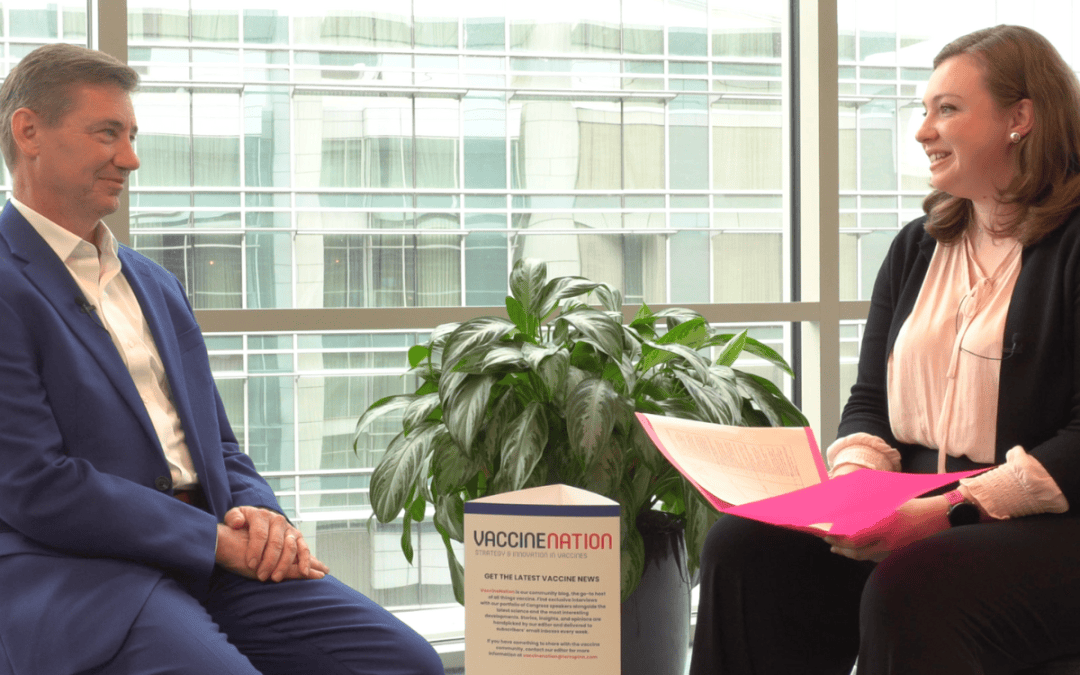
Our next interview guest from The World Vaccine Congress in Washington is Dr Micha Roumiantzeff, CEO and President at MICHADVICES. In January 2023 he created a small, non-profit company MICHADVICES to offer his services as well as his address book to all companies developing human and veterinary vaccines. With MICHADVICES he hopes to do “something usfeul”. Dr Roumiantzeff has more than 60 years of experience in vaccinology, for animal and human vaccines and biological products. From 1962 to 1995, he worked with the Mérieux Group, for animal vaccines and biological products then human vaccines and biological products. He has been involved in R&D, production, and distribution. After working with the Mérieux Group, he became a vaccine expert with WHO and the European Commission.
Addressing challenges
We begin by considering the challenges that Dr Roumiantzeff addresses with MICHADVICES. He explains that he has “four platforms”. The 1st provides advice: “how to make a vaccine”.
“It’s a long process. People sometimes have very nice, very beautiful ideas, and they believe that it is very easy to reach. But in fact, it’s a very, very difficult barrier.”
Dr Roumiantzeff explores the many “hurdles” to jump, such as identifying a “source” or finding the right antigen. Other steps include purification, formulation, and production. He reflects that “many vaccines” are fragile and demand specific temperatures. However, he refers to ApiJect, who have “solved the problem”! Check out our interview with Dr Kelley here to learn more.
The 2nd platform came from his “history” as an expert with WHO and the European Commission.
“I knew a lot of people! So, I have more than 4,000 addresses…I open the door.”
This platform does not provide funding, but connection to organisations such as CEPI, the Bill and Melinda Gates Foundation, and IVI. The 3rd platform is “how to obtain money”.
“Sometimes this is a problem. It’s very expensive to develop a product.”
Here, again, Dr Roumiantzeff is able to connect his clients to support. The 4th platform is “devoted to mRNA vaccines”. He recalls discovering the name Katalin Karikó at the start of the pandemic, and following her story from early beginnings to Nobel Prize acclaim, and is fortunate to have established excellent relationships with Katalin. His account (linked at the bottom of this article), concludes that the “prince” of this tale was the Nobel Prize!
Why WVC?
As always, we conclude our interviews with a question about the event, and the reasons that our experts have joined us. For Dr Roumiantzeff, who attends many events each year, these are the best!
“The ones from Terrapinn are the best for documentation, contact, follow up…they open the door.”
A last word: ApiJect
Dr Roumiantzeff concludes his interview with a shout-out to ApiJect, ApiLabs, who he met at the Congress in Santa Clara in 2023.
“All my life, I wanted to bring the vaccines to remote rural areas, in Africa, Asia, Central and South America. It was almost impossible.”
However, ApiJect have a “very simple” system to remedy this: the Prefilled ApiJect Injector system.
“I am absolutely fond of them!”
It was lovely to speak to Dr Roumiantzeff, and we hope that you enjoy the interview!
For more conversations with our experts from the Congress in April do make sure you subscribe for weekly updates here!
Dr Roumiantzeff’s “Fairytale”:
Loading...
by Charlotte Kilpatrick | May 24, 2024 | Technology |
In May 2024 SpyBiotech announced a sponsored research agreement with the University of Oxford for the development of a vaccine against Epstein-Barr virus (EBV). The project is to combine Oxford’s “groundbreaking” academic research capabilities with SpyBiotech’s proprietary SPYVLP platform technology to advance three vaccine candidates to Phase I clinical trial. EBV is a “commonly spread virus” that can cause “several serious health conditions”, such as infectious mononucleosis, and is linked to various cancers and multiple sclerosis.
EBV
Epstein-Barr virus (EBV) is one of the most commonly spread human viruses, transmitted through saliva. While many people recover within a few weeks, for some individuals it can lead to “a number of health conditions”. Indeed, research has linked people with multiple sclerosis and some lymphomas to infection with the virus.
SPYVLP
SpyBiotech’s technology addresses current complications with virus-like particle approaches to vaccine development. It can split a protein from the common bacterium Streptococcus pyogenes into two parts:
- The SpyTag peptide can be bound to antigens and its partner protein SpyCatcher
- SpyCatcher binds to the VLP
The two components bind together in a “spontaneous conjugation forming an unbreakable covalent bond”. The process is “rapid, efficient, irreversible, and extremely versatile”. Under the terms of the agreement, SpyBiotech will provide access to this platform to Oxford researchers.
An important step
Mark Leuchtenberger, CEO at SpyBiotech, believes the collaboration is an “important step forward on a commonly spread virus” that has “no currently available vaccines or therapeutics for its prevention or spread”.
“We see a great need for a vaccine against EBV.”
President and CSO of SpyBiotech, Dr Sumi Biswas, is “keen to progress these vaccine candidates” with Professor Sandy Douglas and his team at the Jenner Insitute, after the generation of “promising” pre-clinical data.
For the latest on innovative technology and vaccine partnerships don’t forget to get your tickets to The World Vaccine Congress in Barcelona this October or subscribe to our weekly newsletters here.
by Charlotte Kilpatrick | May 24, 2024 | Technology |
CEPI announced in May 2024 that it is supporting researchers from the University of Oxford on a project called ‘PREpare using Simulated Trial Optimisation (PRESTO)’. The scientists will use computer simulations to “generate important insights” on how vaccine clinical trials can be used to stop the spread of an emerging outbreak. CEPI is contributing $2.4 million to the Pandemic Sciences Institute; the diseases tested in this project are on CEPI’s priority list and WHO’s R&D Blueprint: Nipah, Chikungunya, Lassa, Rift Valley fever, Ebola and related viruses, Coronaviruses, and ‘Disease X’.
Getting a head start
Dr Richard Hatchett, CEO of CEPI, commented that as an outbreak occurs, we will not have time to “get all the information we need to tell us how best to conduct pivotal clinical trials”.
“Mathematical modelling can give us a head start by forecasting how a worrisome virus might spread and what we need to do to respond.”
The project’s optimal study designs will “allow health officials to make quick, informed decisions on the best steps” towards “more efficient vaccine testing and rapid evidence generation”. This will improve and accelerate the outbreak response.
Data generated in existing CEPI-funded research will be fed into a computer model with evidence from previous outbreaks to create hypothetical scenarios that investigate a selected virus. The findings from these scenarios will be used in analysis sheets that “rank the suitability of different clinical trial options”. CEPI offers the example of recommending a randomised controlled trial or a vaccination trial.
The project will span three years and begins with models of Nipah. Should an outbreak of Disease X occur, the team will direct their efforts to the emerging pathogen, making clinical trial data “rapidly available” to enable faster public health response efforts. The computer software will also be shared on an open-source platform and developed in a “modular manner” to allow external researchers to run tests and update the tool with new data.
100 Days Mission
This project aligns with CEPI’s 100 Days Mission by preparing clinical trial frameworks before an outbreak occurs. Professor Christophe Fraser, Professor of Infectious Disease Epidemiology at the Pandemic Sciences Institute, emphasised that “ensuring vaccines can be robustly tested at speed is critical” in efforts to “better respond” to future pandemic threats.
“With every day of delay potentially costing many lives, and with the recent experience from COVID-19, we now have an opportunity to develop improved vaccine clinical trial designs so we can hit the ground running in a disease outbreak.”
Professor Fraser states that the PRESTO project will bring together mathematical modellers, ethicists, regulators, vaccine manufacturers, and field teams to “study what works with different pathogens in different settings”.
“Our aim isn’t to find the theoretical abstract best solution, but to develop models that allow decision-makers to explore the impact of the inevitable trade-offs that they will have to make in different settings.”
For more on technology to facilitate better pandemic preparedness, why not subscribe to our weekly newsletters here?
by Charlotte Kilpatrick | May 23, 2024 | Technology |
Up next in our series of conversations with experts at The World Vaccine Congress in Washington is an interview with LumaCyte’s Renée Hart, who joined us at the Congress for a roundtable: “Fix your viral process”. Renée is President and Co-founder of LumaCyte, a novel, label-free, single-cell analytic that is used in vaccine development and production.
Fixing the viral process
Our first question explores the roundtable that Renée and her colleagues delivered. She reflects that historically, and even currently, vaccine manufacturers rely on historical averages for TCID50 or the viral infectivity analytic.
“The challenge with that is that every vaccine production run is slightly different, and so the viral titer could be higher, it could be lower…it does result in some added specification or batch failure events.”
However, a real-time viral titer can be delivered in 5 minutes with LumaCyte’s technology.
“The power of that real-time viral titer is really transformational, because you now understand where in your manufacturing process your viral titer is.”
This enables manufacturers to “assess the situation” before scale up, improving the consistency of manufacturing.
“The other real power in that is that, not only are you getting a more consistent production run, but you also are able to dose the vials more appropriately.”
Renée’s “third reason” is that when you know the viral titer, and understand its accuracy, you can “predict, and extend in many ways, your shelf life”. This is “really powerful for pandemic preparedness”.
Bringing innovation to the community
We then asked Renée a bit more about this technology, and she explains that Laser Force Cytology is a novel technology, developed over the last 24 years.
“We’re really being seen as a forward-looking technology.”
An area that the team found unexpectedly powerful is comprehensive cell characterisation: being able to comprehensively understand “what that cell is today, but what it will look like tomorrow”. This means developers and manufacturers can assess the strength of the cell.
“That has profound impact.”
A recent and exciting update is that the cellular starting material of PBMCs can be correlated to the killing assay. Accessing this knowledge “upfront” is “really powerful”.
Meeting unmet needs
It’s interesting to consider how these technologies fit into the vaccine community, and we asked Renée about how she views LumaCyte’s presence here.
“We’re filling an unmet need in a couple of different areas.”
Renée shares that the FDA invited the team to train all of their cell and gene therapy reviewers, during which LumaCyte’s solutions emerged as a clear need for the industry:
“They said that the industry doesn’t realise the challenges around a faulty understanding of cell health…we hadn’t realised the power of our technology.”
Alongside this, LumaCyte and NIST are working closely on cell fitness and better characterisation, pressure testing the technology in a range of ways. Renée considers the many possible changes that can “have a really big impact”:
“If you can understand that upfront, with your analytic, like immediately at the beginning, you wouldn’t waste all that time…”
Another “eye-opening” aspect is the real-time viral titer, which is a “really powerful” upgrade on existing technologies.
“The FDA is very excited about something that is easy, it’s precise, accurate, and we’re automated.”
Why WVC?
Finally, we ask about the Congress and what Renée and her team were achieving with us. Renée suggests that “it’s been a really nice conference; it always is”! While we are glad to welcome LumaCyte back to the event, they have seen the remarkable growth. They were also part of the ViE Awards this year, nominated and shortlisted, for Best Process Development and Production Technology, a category in which the team was highly commended! Another highlight was the session with FDA’s Dr Peter Marks, in which he stressed the importance of cellular analytics!
“We’re just proud to do our part; the community is a very special community; it’s a hardworking community, they care deeply.”
It was great to hear Renée’s insights and we hope that you enjoy the interview!
For more conversations with our experts from the Congress in April do make sure you subscribe for weekly updates here!
by Charlotte Kilpatrick | May 23, 2024 | Technology |
A study in npj systems biology and applications in April 2024 presents an approach for “identifying and prioritising vaccine antigens” using a machine learning-based reverse vaccinology strategy to predict potential new malaria vaccine candidate antigens. The team behind the paper comprises computational biologists at the University of Maryland, College Park, and researchers at the University of Maryland School of Medicine in Baltimore. Not only did they identify new potential targets but were able to rank them based on performance.
A malaria need
The authors recognise “substantial reductions in the malaria burden in many endemic areas” thanks to artemisinin-based combination therapies and other tools.
“However, progress toward malaria elimination has stalled as malaria incidence has plateaued and gains have been threatened by the emergence of resistance to interventions in the parasite and vector.”
The role of malaria vaccines in elimination efforts will be “critical”. Transmission of Plasmodium parasites occurs after infective mosquitoes take a blood meal and inject sporozoites, which then develop and multiply in the liver. Vaccines are “meant to block infection” against this pre-erythrocytic stage. Once the Plasmodium merozoites emerge from the liver they “invade and replicate inside red blood cells”. This stage of the life cycle causes malaria disease and death, which blood-stage vaccines are intended to “limit”. Vaccines that block transmission would “inhibit parasite sexual reproduction and development in the mosquito”.
“Design of a broadly protective malaria vaccine has been hampered by several factors, including multiple parasite life stages that express different antigens, extensive genetic diversity within individual antigens targeted by vaccines, partial natural immunity that is short-lived and non-sterilising, and incomplete knowledge of immune correlates of protection.”
Malaria parasites, haploid in humans and “briefly” diploid in mosquitoes, have extensive genetic variation “generated through mutation during mitotic reproduction in humans and by sexual recombination in the mosquito”. Although the first P. falciparum genome was shared in 2002, most vaccine development efforts have focused on a “small number of highly diverse vaccine candidates”. These have been identified through “traditional” vaccinology approaches, in contrast to a “more comprehensive, genome-level approach”.
Reverse vaccinology
A strategy first proposed by Dr Rino Rappuoli is reverse vaccinology, which uses bioinformatics approaches to identify pathogen antigens or epitopes that can serve as vaccine candidates. It has been used in the identification of several vaccine antigens for bacterial and viral pathogens.
“The wealth of systems data available for P. falciparum lends itself to the use of reverse vaccinology to identify new malaria vaccine antigens, which may allow identification of less immunodominant but more conserved antigens that have been misused using traditional vaccinology approaches.”
This, the authors suggest, is where machine learning will be useful; it doesn’t require a priori assumptions about the importance of specific criteria, but “learns” protein properties most associated with vaccine potential. Positive-unlabelled (PU) learning identifies potential positives among unlabelled entities “based on the properties of the positives”. It has been used to identify genes associated with human disease but not, as far as the authors are concerned, to identify candidate antigens.
In their study, the authors modify canonical positive-unlabelled random forest (PURF) to distinguish proteins with vaccine potential (antigens) from non-antigens, ranking candidates with probability scores.
What does the study find?
The authors chose random forest because of its “high predictive accuracy, high interpretability, and insensitivity to outliers, and predictive variable scales”. The approach identified “previously unknown vaccine candidate antigens” within a “flexible framework” that allows prioritisation. Candidate antigens were filtered based on gene essentiality, where mutations could affect parasite viability and help reduce parasite escape from vaccine-induced immune responses. Many of the candidate antigens were “predominantly” expressed in a single life stage, and those that were expressed in multiple life stages may be “attractive” because they would target multiple life stages. A summary report of the candidate antigens can be viewed here.
The approach is not limited malaria; the authors believe that the methodology can be “tailored and applied to other disease pathogens” and could inspire other scientific research areas. Professor Michael Cummings, one of the co-authors, commented that “these findings offer a flexible framework for future vaccine research”.
“We can adjust our criteria and even apply this approach to other diseases beyond malaria. It’s a big step forward in the quest for better vaccines.”
For the latest vaccine technology updates and insights into infectious disease management, why not join us at the Congress in Barcelona or subscribe to our newsletters here?
by Charlotte Kilpatrick | May 22, 2024 | Technology |
Up next in our series of conversations with experts from The World Vaccine Congress in Washington is an interview with GeoVax’s Dr Mark Newman, who joined us for COVID and Beyond track to discuss “vaccine induction of broadly-specific antibody and T-cell responses to combat SARS-CoV-2 variation”. Dr Newman is a PhD immunologist and GeoVax’s Chief Scientific Officer, overseeing “pretty much all of the programmes” from early stage to clinical trials.
Serving immunocompromised people
Our first question addresses the recent FDA emergency use authorisation of a monoclonal antibody for immunocompromised people and how this relates to GeoVax’s vaccine. Dr Newman suggests that it is a “competitor product within the space”.
“The first generation vaccines are very effective for the general population, but there are certain segments of the population, cancer treatment patients, transplant patients, who aren’t responding properly.”
In response to this need, Dr Newman and his team are using a “niche approach” with a different technology.
“It’s based on viral vector…we know that it’s immunogenic in most of these individuals, and it’s also safe.”
The antibody treatment is also for individuals who “can’t necessarily raise good immune responses on their own”. However, they are “very, very specific” and have to be “adjusted to the new variant” over time. GeoVax targets more of a T-cell immune response, which are “not variable as the virus evolves”.
“Ideally you won’t need the antibodies if the vaccine works well.”
Next generation needs
We then consider the need for next generation vaccines for COVID-19. Dr Newman acknowledges that the first generation, while “very effective”, focus “solely on the S protein”. Although this is the “dominant antigen, the correct target to start with”, it’s a “highly variable” target. Furthermore, the response induced by these vaccines is not as durable as needed.
“So next-generation vaccines are being defined: will broaden the immune response, it will induce T-cell responses as well as antibody responses, and will induce more durable immune responses.”
GeoVax takes this further by providing for “unique populations” who need them.
“We didn’t define the next-generation world…the first generation worked very well, but with limitations, the next generations going to try and correct those.”
Other pipeline products
Our penultimate question explores recent progress for the GeoVax team, and the other programmes in the pipeline. Dr Newman tells us that the COVID programme has moved through a Phase I trial, but there are also three Phase II trials ongoing.
“We’re targeting both niche market or populations where you’re not getting good responses to the vaccine but also as a normal booster.”
While data look “good” at this stage, Dr Newman anticipates the “critical milestones” to come. Apart from COVID, the technology can be deployed for “multiple vaccines”. These include efforts against Ebola viruses, with results to be published soon.
Why WVC?
Finally, we ask Dr Newman about the Congress itself and what he was hoping to achieve while he was with us in Washington. He appreciates the “heavy on the science” opportunity to meet other scientists and hear their stories as well as the “great” exhibition floor where he and the team could meet with contractors and suppliers.
“This is a one-stop shop for us! This is the best one of the year.”
It’s great that Dr Newman and his team are returning to the event and we hope that they continue to do so. Thank you to Dr Newman for his time; we hope that you enjoy the conversation.
For more conversations with our experts from the Congress in April do make sure you subscribe for weekly updates here!
by Charlotte Kilpatrick | May 22, 2024 | Technology |
In May 2024, the University of North Carolina at Chapel Hill announced that it is leading a partnership with National Institute of Allergy and Infectious Diseases funding. The collaboration also involves Vaxcyte and the University of Chicago. The grant, worth $9.3 million, will enable scientists to “build on past vaccinology accomplishments to develop a viable vaccine candidate for early human clinical trials”.
Chlamydia
Chlamydia is a common and treatable sexually transmitted infection that affects “many millions of people around the world”. However, as many people do not experience symptoms or get tested, they may not know that they have the disease. Unfortunately, if left untreated, it can “seriously harm” the female reproductive system, making it “impossible or difficult to get pregnant” or leading to a “potentially fatal ectopic pregnancy”. The bacterium can also be transmitted to babies and cause eye infections and pneumonia.
A vaccine candidate
Dr Toni Darville, Distinguished Professor of Paediatrics and Microbiology & Immunology, division chief of paediatric infectious diseases, and scientific director of the Children’s Research Institute at the UNC School of Medicine, identifies a “clear unmet need” for a vaccine.
“Our previous studies of infected women and mice identified Chlamydial Protease Activation Factor (CPAF) as a strong vaccine candidate.”
A vaccine candidate would need “potent adjuvants” to modulate the immune response due to the nature of the female genital tract and “lack of secondary lymphoid tissue”. Chlamydia might also require mucosal vaccination to “ensure resident memory T cells are generated” against the bacterium before infection.
“Our earlier work showed that our new covalent CPAF-adjuvant conjugation approach enhanced cell activation, reduced toxicity, and improved immune response, leading to superior efficacy as well as reduced cost.”
Dr Jeff Fairman, vice president of research and co-founder of Vaxcyte, is “excited to explore our ability to successfully develop a Chlamydia vaccine candidate” to be advanced to early-phase human clinical trials.
“This grant will allow us to incorporate a tiered approach to determine if refinements using an innovative generation of molecules delivered via mucosal routes will enhance disease protection in animal models.”
For more updates on vaccine partnerships and investments, why not subscribe to our weekly newsletters here?
by Charlotte Kilpatrick | May 21, 2024 | Technology |
A study in npj vaccines in May 2024 presents a “promising” replicating RNA vaccine in a rhesus macaque model of Crimean-Congo haemorrhagic fever virus (CCHFV). The tick-borne febrile illness has expanded geographically, which places an “increasing number of people” at risk of CCHFV infection. As there are “no widely available vaccines” and a treatment with “unclear efficacy”, there is a clear unmet need. The authors present their model as an alternative to the established cynomolgus macaque model and find that their vaccine is “immunogenic and protective in non-human primates after prime-boost immunisation”.
CCHF
The authors state that Crimean-Congo haemorrhagic fever, caused by CCHFV, can cause “severe haemorrhagic disease in infected humans”, beginning as a non-specific fever, myalgia, nausea, diarrhoea, and general malaise. This can “rapidly progress” and in some regions, case fatality rates can be as high as 30-40%. The current, widely-used therapy is ribavirin, but efficacy in both human and animal models is “conflicting and suggestive of poor efficacy” when administered later in infection.
While there is an inactivated preparation of CCHFV grown in mouse brains used as a vaccine in Bulgaria, there are no approved vaccines for CCHF. Thus, prevention is limited to “control of exposure”.
Research to date
Previous research evaluated a replicating RNA (repRNA) vaccine for CCHFV in a lethal mouse challenge model. The vaccine is based on an alphavirus replicon system, in which the structural proteins of the Venezuelan equine encephalitis virus are replaced with a gene-of-interest, resulting in RNA that can self-amplify. This leads to dose sparing and mimics an authentic viral infection without the ability to spread from the initially transfected cell.
The paper states that delivery of the repRNA is achieved by complexing the RNA with a cationic nanocarrier called LION with several features:
- May induce less systemic inflammation than current lipid nanoparticles
- Has been manufactured under current good manufacturing practices
- Has demonstrated safety and immunogenicity in humans
- Is the basis for a product that achieved emergency use authorisation in India
Research has established a non-human primate (NHP) model of CCHF in cynomolgus macaques. The latest paper presents an alternative model; the passaged strain of CCHFV causes viraemia and mild disease “consistently” in rhesus macaques.
Supportive data
The data demonstrate the protective efficacy of a repRNA vaccine for CCHFV in RM, with this model providing a “viable alternative model”. In the study, CCHFV-specific antibodies “significantly and inversely” correlated with viral loads in multiple tissues, including key tissues like liver, kidney, heart, and lung tissue.
“All animals developed a CCHFV-specific response following vaccination, demonstrating that our repRNA platform is immunogenic in RM.”
In both current and previous research, nucleoprotein (NP)-specific antibodies “appear to be the major correlate of protection”. While the CM vaccinated with DNA-expressed NP alone were protected from CCHFV challenge, the repRNA vaccine “may provide quicker immunity” than that approach. Furthermore, CCHFV-specific humoral immunity was observed “after a single immunisation”, but boosting may “still be warranted to confer optimal immunity”.
“Cumulatively, our data support the continued development of this vaccine for CCHFV.”
For more on innovative approaches to infectious disease, why not subscribe to our weekly newsletters here?
by Charlotte Kilpatrick | May 16, 2024 | Technology |
Our next interview from the Congress in Washington is a conversation with Vernal Biosciences‘ Dr Grant Henderson, who joined us at the event to discuss “accelerating mRNA and LNP manufacturing with platform analytical and process technologies”. The Vernal team also shared two posters in our poster zone; links to these can be found below. Dr Henderson is Vernal’s Senior Director of Commercial and Technical Operations and has recently shifted into this role to help researchers accelerate their journey from lead identification through candidate selection, and on to IND and commercial supply.
Accelerating manufacturing
We asked Dr Henderson for an insight into the content his session on accelerating mRNA and LNP manufacturing, and he emphasises that the team has “gone out of our way” to develop a seamless mRNA platform that reaches as far back as the research stage of an asset.
“Customers can come to us, we’ll give them research grade material, and from there it just develops all the way through; we can support them through their clinical manufacture and commercial.”
Talking technology
Our next question considers the technology or strategy that Vernal is using in its goal of “making mRNA readily available“.
“The technology is versatile, so it’s a platform that takes us all the way through from the strain development up to the LNP formulation.”
This can be done across a broad range of manufacturing scales with two different quality standards: the first offer for research grade (RUO) uses “open processing type equipment with reusable parts” , while the CGMP offering uses “fully single use” equipment, operating in a CGMP space.
Unmet need or fierce competition?
We next asked Dr Henderson about the company’s profile; is it meeting an unmet need or distinguishing itself from many competitors? He suggests that it’s “yes to both”!
“We look at it more of as an unmet need.”
Dr Henderson explains that his team helps early-stage companies solve hard problems around mRNA and LNP supply, including scale, and process and analytical development. With more mature companies, Vernal is able to accept all or the most robust aspects of their process and analytical technology and make improvements around the edges. They don’t expect customers to compromise on quality, regardless of their stage of research and development.
Dr Henderson identifies a lack of options to “get your product all the way through to commercial” or Phase I clinical manufacturing without partnering with a larger company. Vernal works with companies with “really exciting technology”, designed to accelerate the path to life-changing medicines, who need a purpose-built CDMO to deliver high purity, research grade and CGMP, drug substance, drug product, and intermediates.
Why WVC?
Finally, we cover the reasons for Vernal’s presence at the Congress. Dr Henderson comments on the “diverse set of exhibitors”, comprising both potential customers and competitors.
“Really it’s the entire cross-section of the market that Vernal is in.”
Vernal’s posters at WVC
Vernal also presented two posters during the Congress – click the links below to learn more!
Novel plasmid DNA-encoded poly(A) tails for mRNA synthesis: this study evaluates the stability of variant poly(A) regions, which are essential for the translation and stability of mRNA, and evaluates the biological activity of the mRNA containing the variant poly(A) tails.
mRNA capping technologies – effects on quality attributes, biological effects, and innate immune stimulation: this study compares two important mRNA capping technologies by evaluating mRNA integrity, percent Cap1 content, dsRNA content, in vivo expression, and innate immune activation in mice.
It was great to meet Dr Henderson and we hope that you enjoy the conversation.
For more conversations with our experts from the Congress in April do make sure you subscribe for weekly updates here!
by Charlotte Kilpatrick | May 16, 2024 | Technology |
In May 2024, researchers at Duke University School of Medicine’s Duke Human Vaccine Institute (DHVI) shared that they have developed a vaccine approach that “works like a GPS” to guide the immune system through specific steps to develop broadly neutralising antibodies against HIV. Their work, in Cell Host & Microbe (not open access), demonstrates the process for “designing boosting immunogens for a V3-glycan bnAb B cell lineage”. The team believes that their results demonstrate the ability of “both protein and mRNA prime-boost immunogens for selection of rare B cell lineage intermediates with neutralising breadth after bnAb precursor expansion”.
A long-standing goal
Dr Kevin Wiehe, associate professor and lead author, describes HIV as the “fastest-evolving virus known”.
“It’s been a long-standing goal in HIV research to create a vaccine that can generate broadly neutralising antibodies that can recognise diverse HIV strains.”
To make progress on this goal Dr Wiehe and team used an engineered version of a broadly neutralising antibody prior to any mutations. They then added sequential mutations one at a time to determine which were critical to the broadly neutralising goal. This allowed them to figure out the “exact points” along the “route” to broadly neutralising antibodies. Then, they developed a vaccine that presents “turn-by-turn directions” to the immune system to follow the mutational route.
The vaccine was tested in mice that were “specially bred to encode for the original version of the antibody”. Results suggest that the guidance system triggered the immune system o “start churning out the sought-after antibodies”. Dr Wiehe suggests that, not only does the paper support their work against HIV, but it could be used in vaccines for other diseases.
“This strategy potentially gives us a way to design vaccines to direct the immune system to make any antibody we want, which could be a broadly neutralising antibody for all coronavirus variants, or an anti-cancer antibody.”
For the Duke team, the next challenge is reproducing these results in primates and humans.
To join us at the Congress in Barcelona in discussions about achieving broader vaccine technologies, click here to get your tickets. For the latest vaccine development updates, why not subscribe to our weekly newsletters here?
by Charlotte Kilpatrick | May 15, 2024 | Technology |
Another of experts who made time for us at the Congress in Washington last month is Parexel’s Dr Anne Kasmar, who joined us at the event to discuss “sustainable speed at scale” in the Clinical Trials track. Dr Kasmar is an infectious disease-trained physician-scientist and Parexel’s Senior Vice President and Head of Vaccines and Infectious Diseases, leading 12 physicians across the globe.
Sustainability, speed, scale
Our first question takes Dr Kasmar’s presentation and asks about some of the key concerns or themes that emerged in this. Dr Kasmar considers the title in the context of the remarkable scientific achievements during the pandemic. While it was “extraordinary”, it demanded work at an “unsustainable pace”.
“The key question is: how can we continue that amazing pace of progress without burning everybody out, without Warp Speed investment?”
At Parexel, the team has “learnt a lot” in the seasonal space as well as COVID, exploring maintaining speed, at scale, with inclusion.
“That really requires partnership, and it requires a lot of the innovations that were developed during COVID at the site level.”
The conversation that took place at the Congress explored Parexel’s work in this regard and offered insights from partners.
Key challenges
Our next question explored some of the key challenges with sustainability, speed, or scale. Dr Kasmar breaks them down one at a time. For sustainability, people were hired during COVID for the “huge amount of work”, and Dr Kasmar recognises the value of expanding the workforce. However, this has to be supported by “providing high quality training so they can upskill in a timely fashion”. At Parexel, this is carried out through the Parexel Academy.
“Some of sustainability is revitalising, replenishing, and growing the workforce.”
Next, Dr Kasmar discusses speed, which is “streamlining the processes and systems”.
“Working as one team across the different parts of the process.”
Streamlining processes can look like “data cleaning in real time” and having “open and transparent communication across the partners”.
For scale, Dr Kasmar highlights the importance of not relying on the same sites.
“We learnt so much from COVID and we want to really now implement that into regular business as usual across the board.”
Dr Kasmar shares a motto from earlier in her career, which she believes is central to this part of the ecosystem:
“If you want to go fast, go alone; if you want to go far, go together.”
She adds that the pandemic taught us that the industry can go fast and far when we work together!
Parexel takes on these challenges
We then ask about how the team that Dr Kasmar works with is meeting some of the challenges that sustainability, speed, and scale present. Her initial reaction is appreciation for the Vaccine Alliance Network, which allows collaboration and sharing of suggestions.
“Some of the innovation is really bubbling up out of the individual sites through the Site Alliance Network.”
Another opportunity to streamline and improve is presented in repeat business and repeat partnerships.
“It’s about continuous process improvement within everything we do.”
Why WVC?
Finally, we ask about Dr Kasmar’s experience of the event and her reasons for joining us. She shares that she has loved seeing “so many colleagues and friends”.
“Every booth I learn something different.”
It’s lovely to hear that walking the exhibition floor was a “walk down memory lane” for Dr Kasmar, who has a wealth of experience, and that she was able to connect with and learn from so many colleagues. She mentions a session from Economist Impact on their Immunisation Readiness Index, which we discussed with Miranda Baxa in another interview, and looks forward to examining this and understanding its implications for her work.
Dr Kasmar’s last point is a very kind shoutout to our weekly newsletters, which you can subscribe to here!
It was great to meet Dr Kasmar and hear her insights; we hope that you enjoy the interview!
For more conversations with our experts from the Congress in April do make sure you subscribe for weekly updates here!
by Charlotte Kilpatrick | May 15, 2024 | Technology |
In May 2024, Valneva reported positive pivotal Phase III data in adolescents for the single-shot chikungunya virus (CHIKV) vaccine, VLA1553. It is expected that these data will support licensure of IXCHIQ in Brazil, which would be the first potential approval for use in endemic populations after the November 2023 approval by the US FDA. The most recent analysis of VLA155-321 evaluated the safety and immunogenicity six months after vaccination with a single dose of the vaccine, confirming “initial positive immunogenicity and safety data”. This supports filing for a potential label extension for adolescents between 12 and 17.
High, sustained immune response
The data confirm that a single-dose vaccination with VLA1553 induced a “high, sustained immune response” with a seroresponse rate of 99.1% percent at Day 180. This compares with 98.8% on Day 29. GMTs “consistently surpassed” the seroresponse threshold as the surrogate of protection in baseline seronegative participants who received a single dose of VLA1553.
Furthermore, the Day 180 data confirmed that a single dose was “generally safe and well tolerated” in adolescents receiving VLA1553, irrespective of previous infection with the virus. An Independent Data Safety Monitoring Board “consistently” assessed safety data throughout the trial, finding no safety issues.
The trial, conducted in collaboration with Instituto Butantan in Brazil with funding from CEPI and support EU Horizon 2020, is the first clinical trial conducted in an endemic area and with individuals previously infected with CHIKV.
Encouraging data
Dr Juan Carlos Jaramillo, Chief Medical Officer, is “highly encouraged” by the data, which “reinforce the strong immunity and safety observed in adults and the elderly”.
“Given the substantial risk that chikungunya presents to individuals residing in or traveling to endemic regions, it’s imperative to ensure the vaccine is available to all age groups. This broader accessibility can help provide protection and mitigate the burden of this debilitating illness.”
In our conversation with Thomas Lingelbach, CEO of Valneva, at the Congress in Washington last month, we heard about his pride in the team’s progress on this chikungunya vaccine; do check out the interview here. We hope to hear more on this from the team during the Congress in Barcelona this October, so don’t forget to get tickets now. For more vaccine updates don’t forget to subscribe to our weekly newsletters here.
by Charlotte Kilpatrick | May 15, 2024 | Technology |
At The World Vaccine Congress in Washington VaccineNation conducted a series of conversations with some of our experts. In this interview we meet BARDA’s Dr Kumiko Lippold, who joined us to share some very exciting news about Patch Forward Prize and what the team is looking for! Dr Lippold is a health scientist at BARDA, wearing “many different hats”! One such hat is Acting Branch Chief of the Alliance Office at DRIVe. Additionally, she is the programme manager for the prize that we discuss. It was great to speak to Dr Lippold; we hope that you enjoy the conversation and possibly get the encouragement to put yourself or your team forward!
The Patch Forward Prize
During the Congress Dr Lippold and team were sharing information about the newly launched “Patch Forward Prize“, with a prize purse of $50 million! We asked her to share a bit of insight into this initiative. She helpfully puts BARDA’s approach into context, with the mission of “advancing health security” and establish “really unique public private partnerships”. This means closely partnering with industry to “enhance our preparedness and response posture”.
“The Patch Forward Prize is one example of an innovative effort that we have within BARDA to help enhance our preparedness and response.”
It seeks to advance the development of a microneedle-based RNA vaccine.
“Ultimately our goal with this effort is to see a microneedle-based vaccine, either for COVID-19, seasonal flu, or pandemic influenza, which has become quite timely with the H5N1 emergence, and see that be formulated onto a microneedle patch that can ultimately be commercialised and reach the market where people can use it.”
This effort falls under Project NextGen to focus on “improving access to highly effective medical countermeasures”.
Meeting a need
As Dr Lippold mentions enhancing preparedness, we asked about the needs within this that the prize might be addressing. She identifies a “couple of different goals”. The first is the “promise” of microneedle patches as a “tool in our preparedness and response toolbox”.
“Microneedle patches are not necessarily the sole solution from that perspective, they are one component of a holistic, well-rounded response effort.”
Benefits from microneedle patches include increased thermostability and reduced reliance on cold-chain systems. Another goal is to “help support the development of both early-stage developers and advanced developers”. Companies are at “various stages of development”. Thus, the prize has been designed deliberately to ensure interests are balanced and the field is raised.
“In terms of the things that we’re trying to reach, and we’re trying to solicit as part of this, we’re trying to help facilitate the development of new impactful partnerships, the things that are at the heart of what BARDA aims to do…so that we can help mature these microneedle patches.”
Getting involved
We then asked Dr Lippold what a successful or ideal application might involve, to shed some light or provide some hints for anyone who is interested!
“The real strength of a prize challenge is that it allows us to put a really ambitious goal, and be a little agnostic to the solution.”
While BARDA has “typically” operated with contracts, the prize challenge is a new way of identifying and encouraging innovation.
“We are putting out the goal of ‘formulate an RNA vaccine onto a patch’ – how you get there, as long as you meet our eligibility criteria, we are agnostic to.”
Dr Lippold is looking for “as many different innovative approaches as we possibly can” with “technically sound” approaches that will be translated forward. However, the prize has a three-stage approach: a concept stage, a preclinical stage, and a Phase I clinical stage. Do head to the website to see where you might fit in here!
“We don’t want to define success because success might come in a package that we didn’t anticipate.”
Why WVC?
As usual, we conclude with a question about the event. Dr Lippold shares that the chance to connect with companies is a “really incredible opportunity”.
“BARDA is here to learn from companies, to meet you where you’re at…we always try to keep our door open.”
It was lovely to meet Dr Lippold at the Congress and to be able to get some insights into this fantastic opportunity; don’t forget to check out the website for more information.
For more conversations with our experts from the Congress in April do make sure you subscribe for weekly updates here!
by Charlotte Kilpatrick | May 13, 2024 | Technology |
In May 2024, Novavax and Sanofi announced that they have entered an agreement to co-commercialise Novavax’s COVID-19 vaccine and develop novel flu-COVID-19 combination vaccines. The agreement is intended to provide “broader access” to the protein-based non-mRNA adjuvanted COVID-19 vaccine from 2025 and accelerate potential for the development of a novel flu-COVID-19 combination product based on authorised vaccines. Under the terms:
- Novavax will receive an upfront payment of $500 million and up to $700 million in development, regulatory, and launch milestones.
- From 2025 Sanofi will book sales of Novavax’s adjuvanted COVID-19 vaccine and support certain R&D, regulatory, and commercial expenses.
- Novavax will receive tiered, double-digit percentage royalty payments on sales by Sanofi of COVID-19 vaccines and COVID-19-Influenza Combination vaccines.
- Sanofi will be solely responsible for development and commercialisation of any novel flu-COVID-19 combination vaccine containing a Sanofi flu vaccine.
- Beyond the collaboration each party may develop and commercialise their own COVID-19-Influenza combination vaccines and adjuvanted products and their own cost.
- Novavax is entitled to additional launch sales milestone opportunities of up to $200 million, plus mid-single digit royalties for each additional Sanofi vaccine product developed under a non-exclusive license with Novavax’s Matrix-M adjuvant technology
- Sanofi will take a minority (<5%) equity investment in Novavax.
Convenience and protection
Sanofi’s Global Head of Vaccines R&D, Dr Jean-François Toussaint, commented that flu and COVID-19 hospital admission rates are “now closely mirroring each other”, which presents an “opportunity” to offer patients combination vaccines. This would provide “enhanced convenience and protection against two serious respiratory viruses”.
“We’re excited by the prospect of combining Novavax’s adjuvanted COVID-19 vaccine that has shown high efficacy and favourable tolerability, with our rich portfolio of differentiated flu vaccines that have demonstrated superior protection against flu and its serious complications.”
Dr Toussaint anticipates a demand from regulators, recommending bodies, and patients, for “improved tolerability and thermostability, without compromise on efficacy”. John C. Jacobs, President and CEO of Novavax, believes that the collaboration is important for “global public health” as it combines Novavax’s proprietary recombinant protein and nanoparticle technologies, Matrix adjuvant, and R&D expertise with Sanofi’s “world-class” leadership in launching and commercialising innovative vaccines.
“Together we can broaden access to both our COVID-19 vaccine and our adjuvant to ensure more individuals can benefit from the protection vaccines can provide. Novavax is now in a stronger position to refocus our efforts on leveraging our technology platform and novel adjuvant in R&D and pipeline expansion to help advance our mission of developing life-saving vaccines to fight infectious diseases.
A boost for Novavax
Following the announcement, Financial Times reported that shares in Novavax “almost doubled”: shares closed 98.7% higher. The company also removed a “going concern” notice from a year ago. FT suggests that this comes after a “tumultuous period” for Novavax, after the potential of its COVID vaccine was undermined by launch “mis-steps”. Forbes echoes this, suggesting that “yearslong financial woes” might be turning in this “significant uptick”.
For the latest in vaccine research and development, why not subscribe to our newsletters here?
by Charlotte Kilpatrick | May 9, 2024 | Technology |
During our time in Washington for The World Vaccine Congress in April we were glad to meet some of our experts for exclusive conversations about their work. One of these experts is Dr Andrew Catchpole, Chief Scientific Officer at hVIVO; we were delighted that he was prepared to return to the hot-seat for another interview! Dr Catchpole joined us for the Influenza and Respiratory track to explore “New advances in respiratory virus challenge models improving their value for vaccine efficacy testing and host response disease monitoring”. Here we learn more about hVIVO’s work in this space; we hope you enjoy the interview!
Current and future challenge agents
Our first question invited Dr Catchpole to provide us with some examples of successful challenge agents from his team and insights into any that are coming in the future.
“It’s been a really busy year in terms of challenge agent manufacture, so we’ve been really keen to expand our portfolio as well as replenish our current challenge agents.”
One of these exciting updates is a “whole new panel” of influenza challenge agents, which are looking “good in the clinic” and providing great data so far. Furthermore, there are “completely new viruses coming along”, such as hMPV (human metapneumovirus).
“We’ve got some exciting times ahead!”
New facilities, the same high standards
With the opening of a new facility we asked Dr Catchpole what this means for current and future clients. He suggests that it’s “very important for us”. With 50 beds “all on one floor”, the facility provides efficiency.
“Really importantly, it enables us to do a broader range of challenge studies.”
Higher level pathogen studies, such as SARS-CoV-2 or dengue, can now be conducted with ease.
The changing landscape of trials
At the Congress we were surrounded by examples of innovation and accelerated efforts to drive forward a new generation of vaccines, so we asked Dr Catchpole for his opinion on how these efforts might influence or inform the landscape of Human Challenge Trials.
“As we see now new, completely novel types of vaccines coming along against a much wider range of diseases, and therefore also adoption of challenge models, we’re getting increasing demand from our clients to test completely different types of vaccines and completely different types of vaccines as well!
Dr Catchpole states that there has “always been a market for that”, as these studies can be “very efficient in getting that early proof-of-concept data”. Conversely, they identify where vaccines may not be working without wasting money on further trials.
“In addition, we’re seeing the reverse come true as well! So we’re seeing some of the more traditional technologies come through, which have already been proven in some markets but then want to hone different mechanisms or target different viruses.”
Thus, clients are coming to hVIVO with “increasingly large challenge studies”!
Why WVC?
Our final question, as always, invites the interviewee to share their expectations for the event. For Dr Catchpole, meeting clients to “understand their needs” was a critical aspect to the Congress. Furthermore, he and his team were using the time to promote their services and have discussions about doing “bespoke” studies, designed “deliberately”.
“We’ve had a lot of good discussions in that regard at this conference!”
It was lovely to speak to Dr Catchpole again and we hope to continue these conversations at future events.
For more conversations with our experts from the Congress in April do make sure you subscribe for weekly updates here!
by Charlotte Kilpatrick | May 7, 2024 | Technology |
In May 2024, researchers at the University of Cambridge stated that they have developed a new vaccine technology to provide protection against a “broad range of coronaviruses”, including “ones we don’t even know about”. The work came out of a collaboration between University of Cambridge, University of Oxford, and Caltech. The research, published in Nature Nanotechnology, explores the use of quartets of “linked” receptor-binding domains (RBDs) from a panel of SARS-like betacoronaviruses, coupled to a computationally designed nanocage through SpyTag/SpyCatcher links: Quartet Nanocages. This nanomedicine approach could offer potential to “confer heterotypic protection against emergent zoonotic pathogens and facilitate proactive pandemic protection”.
A new strategy
The authors comments that, although existing vaccination strategies have “shown success” in the reduction of death and serious illness from SARS-CoV-2, new strategies are “urgently needed”. Furthermore, future pandemic threats from coronaviruses will be important. Nanoscale organisation is a “key signal” for the programming of immune responses, with highly multivalent display of antigens on virus-like particles (VLPs) or other nanoparticles enhancing the strength and persistence of immune responses.
Recent work has displayed a “panel of protein variants” on the surface of VLPs to drive expansion of B cells recognising common features on various antigens. The approach has been tested in SARS-CoV-2, with mosaic nanoparticles displaying multiple RBDs from the Spike of different sarbecoviruses. In the latest study, the researchers establish the production of “multiviral Quartet Nanocages”, initially expressed from RBDs of four different viruses, concatenated as a single polypeptide chain.
The authors measured the antibody responses to the range of sarbecoviruses displayed on the Quartet Nanocage, to sarbecoviruses that were not present in the chain, and to SARS-CoV-2 variants of concern.
“The magnitude and breadth of antibody induction show that Quartet Nanocages may provide a scalable route to induce neutralising antibodies across a range of related viruses, to prepare for emerging outbreak disease threats.”
Protective promise
The University of Cambridge suggests that the Quartet Nanocage is a “ball of proteins held together by incredibly strong interactions”. To this, chains of viral antigens are attached with a “novel ‘protein superglue’”. In study, the new vaccine raised a “broad immune response”. As its design is “much simpler” than other broadly protective vaccines in development, researchers hope that it could proceed to clinical trials quickly.
This approach, proactive vaccinology, is where scientists develop a vaccine before the disease-causing pathogen has emerged. It is most effective when the vaccine targets specific regions that are shared in related coronaviruses. This vaccine, which doesn’t include the SARS-CoV-1 coronavirus behind the 2003 SARS outbreak, does induce an immune response to the virus.
Graduate student and first author, Rory Hills, suggests that the team is focused on creating a “vaccine that will protect us against the next coronavirus pandemic” and having it “ready before the pandemic has even started”.
“We’ve created a vaccine that provides protection against a broad range of different coronaviruses – including ones we don’t even know about yet.”
Professor Mark Howarth of the Department of Pharmacology states that “we know enough about coronaviruses, and different immune responses to them, that we can get going with building protective vaccines against unknown coronaviruses now”.
“Scientists did a great job in quickly producing an extremely effective COVID vaccine during the last pandemic, but the world still had a massive crisis with a huge number of deaths. We need to work out how we can do even better than that in the future, and a powerful component of that is starting to build the vaccines in advance.”
Read the full paper here for more insights and don’t forget to subscribe to our newsletters for weekly updates on vaccine technology.
by Charlotte Kilpatrick | May 3, 2024 | Technology |
In May 2024, WHO and the International Development Innovation Alliance (IDIA) announced the renewal of their strategic Collaborative Agreement to support the “scaling of health innovations” through to the end of 2025 to “jointly accelerate health impact”. The collaboration, formed in 2021, seeks to create a “shared agenda” and enable “close collaboration and complementarity” between the two organisations as they facilitate the demand, supply, assessment, and scale-up of health innovations.
Support in 5 areas
WHO and IDIA will cover the following 5 areas in the collaboration:
- Innovation demand – collaborate in support of WHO Member States to enhance the identification and articulation of demand for innovation responding to national health needs and priorities and global targets
- Innovation supply – IDIA member agencies will contribute relevant innovations from their collective pipelines to meet the demand and innovation in health priorities articulated by WHO Member States
- Innovation assessment – WHO and IDIA will share expertise and tools to support the efficient assessment and clustering of scale-ready innovations surfaced through the supply pipeline
- Innovation scale-up – collaborate to identify specific opportunities to support the demand-led scale-up of health innovations for the benefit of WHO Member States in collaboration with non-state actors and members of the international development community as appropriate
- Innovation and scaling skills development – support the continuous development of innovation and scaling knowledge and skills among WHO staff, Member States, and development partners as may be appropriate
WHO’s Chief Scientist, Jeremy Farrar, commented on the partnership, which he believes demonstrates a “convergence of diverse expertise, pooling resources to bolster governmental efforts to scale-up innovative solutions, leveraging each other strengths”.
“As a Member State organisation, WHO can help governments identify public health demand in countries, while IDIA’s unique network of innovation funders supplies a pipeline of demonstrated, impactful innovations.”
Louise Agersnap is Head of WHO Innovation Hub and is “excited to advance” the “excellent collaboration”.
“Together, we promote an equity focused innovation ecosystem that is driven by what governments and their people need.”
Director of the IDIA Secretariat at Results for Development, Thomas Feeny, has seen “many exciting milestones achieved through this partnership”, such as the co-design of the first ever World Health Innovation Forum in India, which “helped to put the importance of scaling up innovations through public health systems on the map”.
“Continuing to facilitate this collaboration between the IDIA and the WHO is now more important than ever in order to start meeting the demand for assistance on this challenge that we are seeing from more and more governments around the world.”
IDIA Founding Member and CEO of Grand Challenges Canada, Dr Karlee Silver, is “very pleased to renew the strategic partnership”.
“WHO plays an essential role in supporting governments to identify national health needs and priorities. As innovation funders, we see WHO as having the potential to help health innovations to reach impact at scale, and we look forward to working with them as they realise that potential.”
For more on technology and innovation for public health, why not subscribe to our weekly newsletters here?
by Charlotte Kilpatrick | May 2, 2024 | Technology |
At this year’s World Vaccine Congress in Washington we were privileged to meet some of our vaccine experts, to hear their insights and learn more about their work. In this interview we speak to Q² Solutions‘ Dr Luc Gagnon, who serves as Global Head of Vaccine Sciences. We were glad to meet Dr Gagnon to learn about his team’s work serving the vaccine community. Q² Solutions describes their work as “turning hope into help”, starting with the patient and using a combination of three critical approaches to provide a “competitive edge”: industry-leading science, partnership approach, and innovative solutions.
Addressing challenges
Dr Gagnon kindly gives a bit of context to the team’s “years” of experience in the vaccine industry, drawing on colleagues from various organisations to “generate a highly expert group supporting vaccine development”. He identifies a key challenge that they are addressing as we emerge from the pandemic:
“To be able to keep the pace with the current, new way of working.”
A lesson for everybody
As Dr Gagnon mentions the pandemic, we ask about how he and his team is coming out of it, taking any relevant lessons or changes on board.
“The pandemic was a lesson learnt for everybody in a sense that before the pandemic the turnaround time to deploy a vaccine was about ten years, between eight and ten years, and now we have seen with the Moderna and Pfizer of that world, that the turnaround time is way faster and it has to answer the demand of the planet.”
Dr Gagnon highlights that other threats are continuing to emerge.
“That’s the new reality, so not only the manufacture has to be faster, but all the supporting groups as well.”
He and his team are changing the “modus operandi” but continuing to support developers with quality:
“Science being accelerated.”
On the horizon
Our penultimate question invited Dr Gagnon to look ahead and share his expectations for the company in the future.
“Instead of being passive and waiting for the request, we are more proactive and scouting the planet and developing assays.”
Furthermore, Dr Gagnon suggests that his organisation is “an extension” of its sponsors.
“It’s really how we can ease their life, in the filing of those molecules of their monoclonal antibodies, their vaccines.”
Why WVC?
Finally, we asked Dr Gagnon to share his intentions or hopes for his time at the event. He reflects on the importance of strengthening bonds with sponsors who have been attracted by the team’s “global reach”. He also intended to “gather and scout” information on new diseases, and understand how to improve his way of working with new technologies.
It was great to meet Dr Gagnon and learn about the way that he and the team are supporting and driving innovation. You can head to their site here to find out more!
For more conversations with our experts from the Congress in April do make sure you subscribe for weekly updates here!
by Charlotte Kilpatrick | May 1, 2024 | Technology |
Next in our series of conversations with experts at the recent Congress in Washington is an interview with Allucent’s Dr Bruce McClenathan, who joined us to present in the Clinical Trials track on “Bacterial vaccines: their role against antimicrobial resistance and the challenges for clinical development”. Dr McClenathan is an Executive Director of Medical Affairs, providing “medical and scientific oversight”. With 25 years of experience in clinical care, public health, vaccinology, and clinical research, Dr McClenathan joined Allucent from the Department of Defence.
Allucent: the A Team
As Allucent is a service provider, we asked about some examples of recent work.
“Allucent is a full-service CRO and we like to refer to ourselves as the ‘A Team’.”
Some of the solutions that this A Team of experts provide include regulatory strategy and drug development consulting. However, the one that is “nearest and dearest” to Dr McClenathan’s heart is “federal research solutions“. Within this, Dr McClenathan has worked with US Government organisations from “contracting to conducting and executing clinical trials across the globe”.
“We have a footprint in over 60 countries, more than 30 years of experience.”
Dr McClenathan shares a recent example of an award from BARDA: a large Phase IIb trial for next-generation COVID-19 vaccines.
Better than the rest or unmet need?
It’s interesting to understand how some of our experts view their work in a competitive and dynamic industry, so we asked about how Allucent is distinguishing themselves from competitors, or if they are meeting an unmet need.
“We like to say that we’re small enough to care about our partners’ product, but yet we’re big enough and diverse enough to meet their various needs.”
Dr McClenathan emphasises the importance of partnering to “solve” challenges for small to midsize biotechs.
The future
Looking ahead to the next steps for the team, Dr McClenathan is encouraged by the possibilities in store.
“Allucent has a very, very bright future.”
Thanks to the combined experience of the team across the board, the A Team has a “unique slant”. Expertise is drawn from specific individuals to “set ourselves apart”.
Why WVC?
Our final question, as always invites our interviewees to share their expectations or goals for the event. Dr McClenathan kindly describes it as a “highlight event”, bringing the “greatest minds” together. This confluence of great minds allows learning and networking opportunities.
“It’s a great a event!”
We’re grateful to Dr McClenathan for his time and insights and hope that you enjoy watching the conversation!
For more conversations with our experts from the Congress in April do make sure you subscribe for weekly updates here!
by Charlotte Kilpatrick | May 1, 2024 | Technology |
A PNAS study shared by researchers at UC Riverside in April 2024 explores the benefits of a “one-and-done” approach to vaccinations for infectious diseases. The paper characterises a “unique live-attenuated RNA virus vaccine”, in which attenuation resulted from the elimination of the viral RNAi suppressor and enhanced the production of virus-targeting small-interfering RNAs. The researchers identify “potential for developing a distinct type of virus vaccine” to provide “rapid and effective protection” in “infants and other immune-compromised individuals”.
Investigating the vaccine
In the paper the authors present their investigations into the protective antiviral immunity induced in mice through immunisation with NoVΔB2. NoVΔB2 is a live-attenuated, VSR-disabled RNA virus vaccine. Previous studies have “extensively characterised” its RNA-based virus-specific antiviral responses. In this study, mice “produce highly abundant NoV (Nodamura virus)-specific vsiRNAs that are readily detectable”. These vsiRNAs have a role as the “specificity-determinants of the induced antiviral immunity”. Mice who had been immunised with NoVΔB2 also “specifically” suppressed the accumulation of a recombinant Sindbus virus carrying a NoV RNA sequence.
“Our findings from this work show that the protective antiviral immunity induced by a single shot with live NoVΔB2 is both virus-specific and long-lasting, which are the same as those virus vaccines that activate the adaptive immunity.”
However, the protective immunity induced in this study reveals “several distinct features”. After immunisation, neonatal BALB/c and Rag1−/− mice became “fully protected” against lethal NoV challenge and exhibited “no signs of diseases”. Furthermore, NoV accumulation was “undetectable in most or all” neonatal BALB/c and Rag1−/− mice following NoV inoculation. This reveals “efficient inhibition of the challenge infection” in newborn mice due to the induced antiviral responses”.
The results also indicate that the adaptive immunity mediated by B and T lymphocytes is “dispensable for the protective immunity activated by immunisation with the live-attenuated VSR-disabled NoVΔB2.”
“These distinct features of NoVΔB2-induced protection align with the earlier conclusion that enhanced production of the circulating and stably maintained virus-targeting vsiRNAs confers antiviral protection by the RNAi pathway in mice immunised with the live-attenuated VSR-disabled virus vaccine.”
Broad protection and other applications
A statement from UC Riverside considers the risks associated with predicting and targeting viral strains. This is exemplified in annual flu vaccine efforts.
“People line up to get their updated vaccine, hoping the researchers formulated the shot correctly.”
However, the latest evidence suggests that targeting a “common” part of the viral genome could “eliminate the need to create all these different shots”. Dr Rong Hai, one of the authors of the paper, emphasises that the strategy is “broad”.
“It is broadly applicable to any number of viruses, broadly effective against any variant of a virus, and safe for a broad spectrum of people. This could be the universal vaccine that we have been looking for.”
Distinguished professor of microbiology and lead paper author is Dr Shou-wei Ding, who is seeking to “weaken the virus” so that it “loses the battle to the host RNAi response”.
“A virus weakened in this way can be used as a vaccine for boosting our RNAi immune system.”
This research has particularly positive implications for infants, who would “no longer have to depend on their mothers’ antibodies” and could be used for “several well-known human pathogens” such as dengue and SARS.
“This should be applicable to these viruses in an easy transfer of knowledge.”
For the latest vaccine technology research and development, don’t forget to subscribe to our weekly newsletters here.


 Loading...

 Reload document
  Open in new tab