by Charlotte Kilpatrick | Jun 17, 2024 | Technology |
In June 2024, the Oswaldo Cruz Foundation (Fiocruz) announced that SINOVAC is to invest $100 million in the development of cell therapy, vaccine production, and monoclonal antibodies in Brazil. This was shared at a meeting with the Vice President of the Republic and Minister of Development, Industry, and Commerica Geraldo Alckmin in Beijing. The companies also announced their intention to “cooperate in the research and development of vaccines to tackle health crises.
Furthering the relationship
SINOVAC states that its COVID-19 vaccines were the “first to enter the Brazilian market during the pandemic”. At the time, 110 million doses of Coronavac were administered in Brazil. Alckmin recognised this partnership, stating “I took Coronvavac”.
“Science helps the world and we have to advance even further, we have to work together, and so I welcome Sinovac’s willingness to invest in Brazil.”
SINOVAC is to invest $100 million from 2024, which will contribute to cell therapy and localised production of vaccines and monoclonal antibodies. It is engaged in “intensive discussions” with potential partners.
The two organisations also announced their intention to cooperate in vaccine research and development to “jointly strengthen their roles as the official representatives” of Brazil and China in the BRICS vaccine R&D centre. The centre, established in 2022, seeks to enhance the production capacity of participating countries and make access to vaccines more equitable.
For more updates on international vaccine partnerships and efforts to enhance research and development across the world, why not join us at the Congress in Barcelona this October or subscribe to our weekly newsletters here?
by Charlotte Kilpatrick | Jun 14, 2024 | Technology |
In June 2024 CyanVac announced that it has received a funding award under Project NextGen to support a Phase IIb study of CVXGA, the company’s PIV5-based vaccine candidate for protection against COVID-19. This is one of the first awards made through the Rapid Response Partnership Vehicle. The Phase IIb study of the intranasal vaccine will be conducted within BARDA’s clinical studies network.
The technology
CyanVac’s proprietary vaccines are based on parainfluenza virus 5 (PIV5). The company reports successful induction of three forms of immunity in preclinical studies:
- Cellular immunity – the vaccines “regularly” generate “robust” cytotoxic T-cell responses.
- Humoral immunity – the vaccines produce a “strong” antibody response with a single dose.
- Mucosal immunity – intranasal vaccines are introduced through the nasal mucosa, generating mucosal immunity.
“PIV5 is a respiratory virus, so our vaccines are “born intranasal”. Delivered as a spray in the nose, without injections, our vaccines will facilitate broad delivery not only to paediatric and other needle-hesitant populations, but also in parts of the world where healthcare professionals are scarce.”
The award
Through the award, CyanVac will sponsor a 10,000 participant, randomised, double-blinded study to compare the efficacy, safety, and immunogenicity of the vaccine candidate to a US FDA-approved mRNA-based COVID-19 vaccine. The study will evaluate the vaccine among participants at higher risk of severe disease and will evaluate CVXGA’s efficacy in preventing both severe COVID-19 infections and asymptomatic infections. It is expected to start in the autumn of 2024.
Dr Biao He, founder and CEO of CyanVac, looks forward to “building on our very promising Phase I and preliminary Phase IIa clinical trial results” through the award.
“PIV5 is a novel intranasal vaccine vector that has been shown to replicate safely in humans in clinical trials and stimulates all three pillars of immunity – cellular, mucosal, and humoral – with minimal uncomfortable side effects.”
Dr He hopes to “demonstrate the capabilities” of the platform and “benefit the development of PIV5-based vaccines for other emerging infectious diseases”.
“We are excited to work with BARDA on this large-scale trial and are grateful for their support.”
Dr Henry Radziewicz, Chief Medical Officer at CyanVac, identifies a “need for vaccines that can also block transmission of a pathogen to other people”.
“Our intranasal vaccine is delivered to mucosal surfaces, a key focus area for Project NextGen by BARDA because such vaccines have the potential to reduce the spread of disease.”
For more on innovative technologies to support infectious disease control, why not join us at the Congress in Barcelona this October or subscribe to our weekly newsletters here?
by Charlotte Kilpatrick | Jun 12, 2024 | Technology |
A study in npj vaccines in June 2024 presents the mRNA vaccine platform as a potential solution to bacterial infections. Immunogenicity and challenge models were used in evaluations of the platform with multivalent vaccine formulations that target Bordetella pertussis antigens and diphtheria and tetanus toxoids. The authors state that immunisation with mRNA formulations were immunogenetic and induced antigen specific antibodies and Th1 cell responses, illustrating the platform’s potential.
Pertussis and vaccines
The paper describes Bordetella pertussis, the causative agent of whooping cough, as a “respiratory pathogen that remains a global concern”. A first-generation vaccine was developed with formalin killed whole B. pertussis combined with diphtheria and tetanus toxoids with an adjuvant (DTP). After reactogenicity “concerns”, acellular pertussis vaccines were developed before formulation with diphtheria and tetanus toxoid. An estimated 30% of the global population receives a paediatric acellular series of DTaP-based vaccines. Despite high coverage, transmission of B. pertussis “remains an issue among both children and adults”.
Research indicates that the humoral response elicited by these vaccines wanes “quickly”, with vaccinated individuals having potential to serve as asymptomatic carriers. Furthermore, it has been suggested that “vaccine pressure has resulted in strains that no longer express the pertactin antigen”, affecting vaccine efficacy. Waning efficacy is inferred from the fact that “approximately half of pertussis cases” in the US occur in children over one year old, after a primary series of DTaP at 2, 4, and 6 months, before a final boost between 4 and 6 years old.
“It may be possible to ameliorate this issue by replacing the Tdap booster with a superior formulation.”
A possible solution
The benefit of mRNA vaccines formulated in lipid nanoparticles (LNP) is a “fast, adaptable, and affordable approach” to developing novel vaccines. Reflecting on COVID-19 vaccines development, the authors state that the mRNA vaccine development process can be “utilised to rapidly respond to emerging pathogens”. Other pre-clinical studies have shown mRNA vaccine efficacy for bacterial pathogens such as Lyme disease and plague.
“A majority of the mRNA vaccine studies to date investigate mRNA vaccines as an immunisation approach to protect against viral infections, but the rapid in silico design and high safety profile of mRNA vaccines suggests mRNA could be used a strategy to prevent bacterial infections as well.”
The researchers sought to develop a multivalent pertussis mRNA vaccine, which offers “a unique way to increase the number of B. pertussis antigens” and the “opportunity to design a vaccine that affords protection against more than one pathogen within a combinational vaccine formulation”.
The study
The study aimed to design and evaluate an “array” of pertussis mRNA vaccines to formulate a multivalent mRNA DTP vaccine, tested against disease in a mouse model. Mice were immunised with Alum, DtAp, mRNA-DTP-6 vaccine, or a control mRNA formulated vaccine containing a non-encoding mRNA (LNP-ncRNA). Through Luminex analysis of antibodies from mice immunised with mRNA-DTP-6 vaccine it was confirmed that all antigens were immunogenic.
Compared to DTaP, the mRNA vaccine induced “comparable” levels of anti-FHA, PTX-S1, and DT toxoid antibodies. There was also a “significant increase” in the level of anti-PRN antibodies from the mRNA-DTP-6 vaccine compared to DTaP vaccination. Furthermore, despite a “significant decrease” in anti-FimD/2/3 and TT specific antibodies from mRNA-DTP-6, the antigen specific antibodies were present and “roughly two logs higher than the negative control”.
“Overall, this data suggests that mRNA-DTP-6 vaccine can elicit antigen specific responses comparable to the current DTaP protein vaccine in mice.”
The study demonstrates proof of concept that multivalent mRNA vaccines for bacterial pathogens can be “robustly immunogenic”. The authors intend to “further characterise and optimise” the mRNA encoded antigens to “better understand the structural moieties contributing to the protection observed in the mouse challenge model”.
For more updates on vaccine research and innovation, why not subscribe to our weekly newsletters here or get your tickets to join us at The World Vaccine Congress in Barcelona this October?
by Charlotte Kilpatrick | Jun 12, 2024 | Technology |
Our next interview from The World Vaccine Congress in Washington is with EmVenio Research‘s President Thad Wolfram, who joined us to present in the Clinical Trials track on “evolving vaccine trials: the power of a comprehensive hybrid strategy for improved access”. We joined Thad to learn more about this and take a look inside the amazing Community Research Site that he and his team had brought to the Congress.
Introducing the mobile site
Anyone who joined us at the Congress will have likely been intrigued by the mobile site on the exhibition floor, so we asked Thad to explain what it is. He shares that it’s the “same thing” as a “traditional brick and mortar research site”, but on wheels!
“We’ve eliminated the barriers of needing to be able to find real estate, the ability to move into any community in the US, and expanding internationally, to help drive research.”
This is particularly important for underrepresented and underserved populations.
Serving communities
Our next question considers the communities that need sites like this. Thad considers “minority populations” as a group that has not been historically represented in clinical trials “in the way that they should be”. In a significant number of the areas served by these sites, minority populations constitute over half of the total population.
“The reality is, we’re going to areas where research isn’t being conducted and those populations aren’t being engaged.”
EmVenio goes into “research deserts” to help people access research opportunities, which “speeds up overall enrolment” and leads to faster development of essential interventions. When we take a look inside the site, Thad shares that it becomes a “community research site” when it enters a community.
“It becomes a part of a committed base of active research.”
Key features
We asked Thad to tell us about some of the top features that had been attracting our attendees throughout the event. He suggests that it is like a “typical medical facility”. From multiple exam rooms and spaces for individuals to wait to lab space and freezers, it has “everything”.
“Those standard features in research, are helping drive awareness that this can be available in a number of different ways that make it easier to conduct research in places where it otherwise wouldn’t happen.”
Why WVC?
Finally, as always, we ask about EmVenio’s reasons for joining us at the event. Thad emphasises the importance of driving the awareness that he’s previously mentioned.
“The other thing that happens when we’re here and we have, as you mentioned, crowds coming by and individuals coming in, they ask great questions.”
Thad presents us with a collaborative perspective, which is rooted in answering other attendees’ questions but also “thinking about what are the new and different things we could also do with this”. This will enable EmVenio to “expand the positive impact” of their innovation.
It was great to speak to Thad and see the site; we hope that you enjoy the interview!
For more conversations with our experts from the Congress in April do make sure you subscribe for weekly updates here!
by Charlotte Kilpatrick | Jun 11, 2024 | Technology |
A study by the Institute of Tropical Medicine Antwerp (ITM) and the National Institute for Biomedical Research (INRB) in the Democratic Republic of the Congo, launching in October 2024, “seeks to answer key questions” about Ebola vaccinations. EBO-BOOST will address three key questions:
- When is the best time for a booster vaccination?
- Is it both safe and more efficacious to administer a booster vaccine after the initial one?
- Why do some people respond worse to vaccines than others?
EBO-BOOST
ITM states that Ebola Virus Disease (EVD) “remains a significant deadly threat” with “severe societal implications”. Although there are two approved vaccines for Ebola prevention, the duration of their protection “remains uncertain”. With periodic outbreaks in West and Central Africa, particularly in the Democratic Republic of the Congo (DRC), there is a need for revaccination.
The study aims to:
- Facilitate the rapid deployment of vaccines during outbreaks
- Determine the efficacy and safety of combinations for booster shots and establishing clear guidelines for revaccination protocols
- Investigate factors for why certain individuals do not respond well to vaccines
- Strengthen local capacity for future epidemics through facilitating in-country testing infrastructure
Funded by CEPI, MSD, and the Directorate-General for Development Cooperation and Humanitarian Aid (DGD), the study is to begin in October this year, involving 624 participants from Kinshasa and Goma. Participants will be administered a booster dose of one of two vaccines. They will be monitored to assess immune responses through blood and saliva samples for 6 months. ITM is also to train local laboratory technicians and supply the necessary laboratory equipment to “empower INRB to independently perform all tests, aiding local governments in rapid outbreak response”.
Professor Wim Adriaensen, principal investigator of the study and Head of the Unit of Clinical Immunology at ITM, emphasised the importance of this research.
“Almost yearly Ebola outbreaks and the uncertainties concerning the long-term protection of vaccines underscore the need for booster vaccinations. Safely combining different vaccines could save lives in areas with scarce or unpredictable vaccine supplies, could allow us to intervene more quickly with outbreaks and protect high-risk groups, like healthcare workers who are regularly exposed to the virus.”
Professor Hugo Kavunga Membo, principal investigator at INRB, hopes to establish clear revaccination guidelines after this three-year study.
“We want to identify who, how, and when best to revaccinate. Moreover, our objective is to facilitate all testing within the DRC to avoid delays from time-intensive sample transport abroad in future epidemics.”
For more updates on vaccine trials and research, why not subscribe to our weekly newsletters here?
by Charlotte Kilpatrick | Jun 10, 2024 | Technology |
In June 2024 the European Medicines Agency (EMA) announced that the Accelerating Clinical Trials in the EU (ACT EU) initiative is launching two advice pilots to improve the quality of applications for clinical trials in Europe. Launched in January 2020, ACT EU aims to “further develop” the EU as a “focal point for clinical research”, promote the development of high-quality, safe, and effective medicines, and better integrate clinical research into the European health system. It is a collaboration between the EMA, the Heads of Medicines Agencies (HMA) in the Member States, and the European Commission (EC).
The pilots will be evaluated over time based on data and feedback from applicants. The information will inform a possible change of scope and final decision from the ACT EU steering group on how to optimise clinical trial support in the future.
“By strengthening the coordination of the European medicines regulatory network, these advice pilots offer applicants additional support to enhance the quality of their applications for marketing and/or clinical trial authorisation.”
The first pilot
The first pilot offers developers of medicinal products scientific advice on clinical trials and requirements for marketing authorisation applications. EMA suggests that clinical trials assessors are “not consistently involved” in scientific advice procedures for marketing authorisation applications, and vice versa. Through this programme, the Scientific Advice Working Party (SAWP), coordinated by EMA, and the Clinical Trials Coordination Group (CTCG), managed by HMA, will assess incoming requests of a scientific nature. The SAWP is responsible for advice on marketing authorisation applications and the Member States represented at CTCG oversee clinical trial applications (CTA). The pilot consolidates the views of both groups to “minimise avoidable divergences”.
The second pilot
The second pilot is coordinated by the CTCG and provides technical and regulatory support on the dossier of a CTA before it is submitted through the Clinical Trials Information System. Before the pilot, applicants could only get technical and regulatory support at national level from the Member State that is evaluating the application. The pre-CTA pilot is to provide consolidated views of the Member States concerned on pre-submission topics. The pilot covers areas such as advice on regulatory aspects of low interventional clinical trial status and submission of trials with decentralised elements or complex designs.
Join us at the Congress in Barcelona this October for more on vaccine clinical trials, and don’t forget to subscribe for more updates.
by Charlotte Kilpatrick | Jun 10, 2024 | Technology |
In June 2024 Moderna announced that its Phase III trial of mRNA-1083 has met primary endpoints, eliciting a higher immune response than the licensed comparator vaccines used in the trial. The vaccine is an investigational combination vaccine against influenza and COVID-19, comprising components of mRNA-1010, Moderna’s seasonal influenza candidate, and mRNA-1283, its next-generation COVID-19 candidate
The trial
The ongoing Phase III trial is a randomised, observer-blind, active control study to evaluate the safety, reactogenicity, and immunogenicity of mRNA-1083 in two independent age group cohorts of around 4,000 adults each. One cohort, comprising adults 65 yeras and older, compared mRNA-1083 to co-administered Fluzone HD®, an enhanced influenza vaccine, and Spikevax, Moderna’s currently licensed COVID-19 vaccine. The other cohort, adults between the ages of 50 and 64, compared mRNA-1083 to co-administered Fluarix ®, a standard dose influenza vaccine, and Spikevax.
The immune responses from a single dose of mRNA-1083 were found to be non-inferior and elicited “statistically significantly higher immune responses” to three influenza virus strains (H1N1, H3N2, and B/Victoria) and against SARS-CoV-2 in both cohorts. The vaccine also showed an “acceptable” tolerability and safety profile. Moderna expects to present the data at a medical conference and submit for publication.
Stéphane Bancel, Chief Executive Officer of Moderna, commented that “combination vaccines have the potential to reduce the burden of respiratory viruses on health systems and pharmacies”. Furthermore, they “offer people more convenient vaccination options that could improve compliance and provide stronger protection from seasonal illnesses”.
“Moderna is the only company with a positive Phase III flu and COVID combination vaccine. Building on the momentum of positive Phase III data across our respiratory portfolio, we continue to address significant unmet medical needs and advance public health.”
For more on combination strategies against various infectious diseases, why not join us at The World Vaccine Congress in Barcelona this October, or subscribe for weekly vaccine updates?
by Charlotte Kilpatrick | Jun 10, 2024 | Technology |
GSK announced in June 2024 that the US FDA has approved its RSV vaccine, Arexvy, for the prevention of RSV lower respiratory tract disease (LRTD) in adults between the ages of 50 and 59 with increased risk. The vaccine is already approved for use in adults aged 60 and older in the US. RSV is estimated to cause 42,000 hospitalisations each year in adults between 50 and 64 years old, and adults with underlying medical conditions are at increased risk for “severe consequences” from an RSV infection.
Arexvy
GSK’s vaccine contains recombinant RSV glycoprotein F stabilised in the prefusion conformation (RSVPreF3). The antigen is combined with the proprietary AS01E adjuvant. The vaccine was approved by the FDA in May 2023 for the prevention of RSV-LRTD in older adults. It has also been approved for the prevention of RSV-LRTD in this population in over 40 countries, with regulatory reviews ongoing in more countries.
The latest approval was supported by positive results in a phase III, placebo-controlled, observer-blind, randomised, multi-country immunogenicity trial in participants aged 50 to 59. GSK has filed regulatory submissions to extend the use of the vaccine to adults aged 50-59 at increased risk in Europe and Japan, among others. It also has trials underway to evaluate the immunogenicity and safety of the vaccine in adults aged 18-49 at increased risk and immunocompromised adults aged 18 and over.
Chief Scientific Officer, GSK, Tony Wood, commented that the approval “reflects the importance of broadening the benefits of RSV immunisation to adults aged 50-59 who are at increased risk”.
“For those with underlying medical conditions, RSV can have serious consequences, so we are proud to be the first to help protect them from RSV-LRTD.”
Professor Ann R. Falsey from the University of Rochester School of Medicine is “thrilled” by the approval.
“When it comes to the risks associated with RSV, age is just a number, an important number, but not the only factor to consider. Many adults in this age group have underlying health conditions that place them at increased risk for serious illness with RSV infection compared with those without these conditions. Now there is a vaccine approved that can help them.”
For more on efforts to minimise the effects of RSV, why not join us at the Congress in Barcelona this October? Get your tickets here, and don’t forget to subscribe for more vaccine updates.
by Charlotte Kilpatrick | Jun 6, 2024 | Technology |
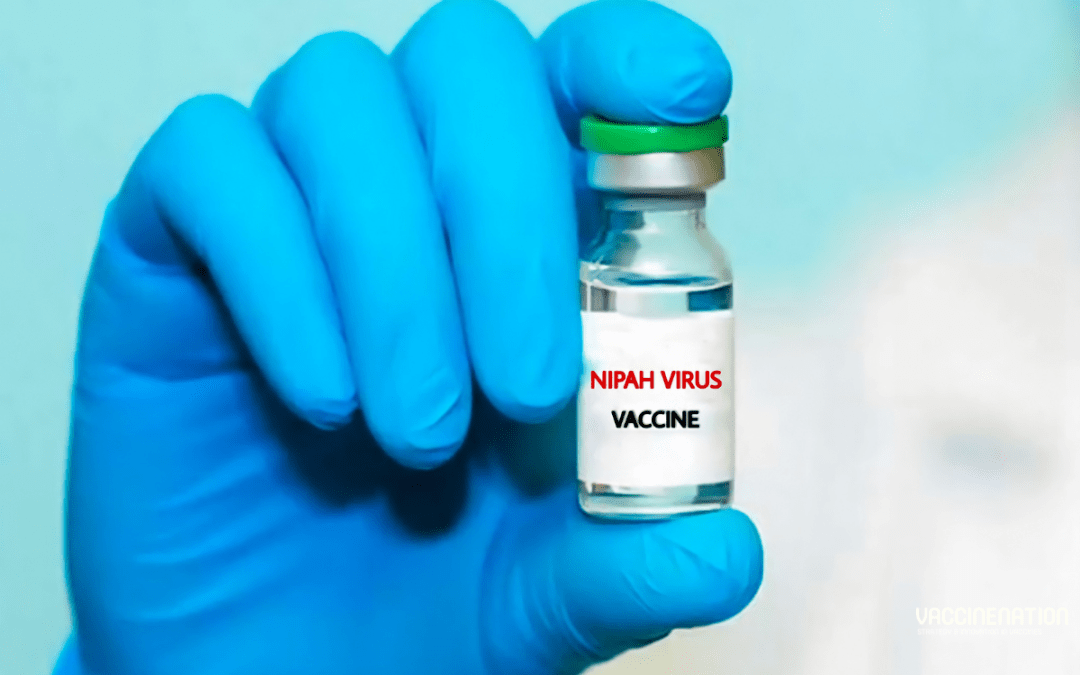
A study shared as a The Lancet preprint in May 2024 presents the results of an evaluation of a potential Nipah virus (NiV) vaccine. The recombinant subunit vaccine uses a soluble version of the Hendra virus (HeV) attachment G glycoprotein (HeV-sG-V) due to similarities with NiV. In a Phase I study in adults, researchers found that the vaccine candidate was safe and immunogenic, with “potential for reactive outbreak control and preventative use”.
Nipah
Nipah virus (NiV) was first isolated in 1999 after an outbreak in pigs and humans in Malaysia and Singapore. It is “closely related” to Hendra virus (Hev), another “highly pathogenic” paramyxovirus of the Henipavirus genus. NiV’s natural reservoir is the fruit bat, and human infections can occur after consumption of fruit or date sap contaminated with bat saliva or urine. Cases of human-to-human transmission have also been reported. Although the estimated transmission rate for NiV is “low”, infection is associated with mortality rates of 40%-70%.
Two strains have been identified: NiV Bangladesh (NiVB) and NiV Malaysia (NiVM). Studies have indicated that the former is more pathogenic.
“The potential for large outbreaks and the high mortality, along with no effective treatment options, has motivated development of an effective vaccine against NiV infection.”
This would be particularly useful to protect medical personnel and close contacts of cases in an outbreak, as well as “military and civilian personnel threatened by weaponised versions of the viruses”. Furthermore, a vaccine that provides long-lasting immunity would be “valuable” to those living in endemic areas or working on NiV or HeV research.
The study
The article presents the first-in-human Phase I evaluation of the safety, tolerability, and immunogenicity of an HeV-sG-based vaccine candidate (HeV-sG-V), developed for the protection of humans against NiV. The investigation was a single-centre, randomised, placebo-controlled, observer-blind study conducted in the US. 192 participants were enrolled and 173 met per-protocol criteria. They were randomised in three dose-escalation cohorts of 10mcg, 30mcg, or 100mcg, and placebo.
“All doses and regimens were found to be safe and tolerable.”
The most commonly reported adverse event was “mild to moderate injection site pain”, and adverse event frequency increased as the vaccine dose increased. However, the authors not that this was “transient, and, at most, of moderate severity”. Although fatigue and headache were reported, myalgia and “feverishness” were “unusual”.
“All dosages of HeV-sG-V were found to be immunogenic, with a clear dose-dependent immunological response when the 100mcg dosage was compared to the 30mcg administered in similar schedules.”
Compared to the single-dose regimen of 100mcg, two-dose schedules “resulted in a strong anti-NiV immune response”. When administered 7 days apart, the two-dose regimen led to a “steeper rise in antibodies”, but two 100mcg administrations 28 days apart “elicited a higher immunological response”. Persistence of a “robust” immunological response and a strong anamnestic response from the two-dose 10mcg regimen delivered 6 months apart indicated that a boost response could be expected.
As WHO recommends that a NiV vaccine should be indicated for all age groups and populations at high risk, the authors suggest a need for additional studies to expand the indication for the vaccine. These studies should take place in “larger and broader populations” in countries “regularly affected” by NiV outbreaks.
For more on infectious disease control through innovative vaccine strategies, why not join us at the Congress in Barcelona this October or subscribe to our weekly newsletters here?
by Charlotte Kilpatrick | Jun 5, 2024 | Technology |
In June 2024 a team from Monash University shared that a collaboration with the Yong Loo Lin School of Medicine at the National University of Singapore (NUS Medicine) has produced a COVID-19 vaccine that has induced “very long-lasting, protective immunity” against SARS-CoV-2 virus in pre-clinical models. Their paper in Molecular Therapy presents a novel vaccine platform that fuses the receptor-binding domain (RBD) from the SARS-CoV-2 virus spike protein to the Clec9A antibody, which targets a specific subset of dendritic cells. A single shot immunisation resulted in “increased protection over time”.
The need for new vaccines
The authors suggest that safe and effective vaccines are “imperative” to protect “not only against death, but also against long term, debilitating conditions associated with SARS-CoV-2 infection”. Although more than 13 billion doses of COVID-19 vaccines have been administered globally, they face “several challenges”. For example, repeated booster doses are required as SARS-CoV-2 reactive antibodies and T cells “waned over time”.
“New-generation vaccines that can overcome at least some of these limitations are needed to provide broad and durable protection against rapidly evolving SARS-CoV-2 variants.”
Previous research has explored the potential of dendritic cell (DC)-based vaccines, including antigen-pulsed autologous DC and DC-targeting strategies. Targeting antigen vaccine candidates to Clec9A expressed on the type 1 conventional DC (cDC1) subset has “proven promising” in pre-clinical studies. Clec9A is a C-type lectin-like receptor that acts as a damage recognition receptor, identifying filamentous actin exposed when the cell membrane is damaged and facilitates the cross-presentation of dead cell-associated antigens.
Clec9A targeting was found to be “more potent” than targeting of other DC receptors. In the study, the authors engineered a Clec9A-RBD antibody construct by genetically fusing a single copy of ancestral SARS-CoV-2 receptor binding domain (RBD) to each heavy chain of a rat IgG2a mAb specific to mouse Clec9A.
Study findings
In their study, the authors demonstrate that targeting SARS-CoV-2 RBD to Clec9A-expressing DCs (cDC1) resulted in “potent and exceptionally sustained immune responses” after single dose immunisation.
“Importantly, we provided evidence of affinity maturation over time, which led to improved potency and breadth of the humoral immune response against a broad representation of the sarbecovirus family.”
Associate Professor Sylvie Alonso, Principal Investigator of the study, described the results as “very promising”, with the expectation that the work in pre-clinical models is “highly translatable to humans”.
“Our teams in NUS Medicine and Monash University foresee that the exceptional durability of the immune responses induced by the Clec9A targeting technology, when used as a booster vaccine strategy, may address the shortcoming of current mRNA vaccines, chief of which is the rapid waning of immune responses.”
Associate Professor Alonso stated that the next step is to evaluate the vaccine candidate as a booster vaccine in mRNA-vaccinated pre-clinical models.
“We hope to demonstrate that this booster approach will induce long-term protective immunity and avoid the need of multiple (annual) booster shots. Beyond COVID-19, this versatile, rapidly deployable vaccine platform shows promising potential to be part of the pandemic response against diseases caused by unknown pathogens in the future.”
Associate Professor Mireille Lahoud emphasised the “strength of our platform targeting specialised immune cells for vaccine improvement”.
“There remain many diseases where effective vaccines have proven difficult to generate. Validation of this platform provides strong proof-of-concept for application to such challenges.”
For more on vaccine technology and innovation, why not join us at the Congress in Washington this October or subscribe to our weekly newsletters here?
by Charlotte Kilpatrick | Jun 4, 2024 | Technology |
In June 2024, hVIVO announced that it has signed a £2.5 million contract with a mid-sized pharmaceutical company to initiate an Omicron characterisation study. The study aims to identify a dose of hVIVO’s Omicron BA.5 challenge agent that establishes a “safe, measurable, and reproducible disease” in healthy volunteers with “sufficiently high infection rates” to be able to use the model to test the efficacy of antivirals and vaccines. hVIVO’s dedicated volunteer recruitment arm, FluCamp, will recruit healthy volunteers between the ages of 18 and 30 who have previously received a full course of a licenced COVID-19 vaccine.
“Characterisation studies offer numerous benefits to biopharma clients, including insights into specific pathogens that are more precise, actionable, and relevant to support and refine vaccine or antiviral development. They also provide the necessary data from which to design subsequent antiviral or vaccine efficacy testing studies.”
The study
hVIVO expects that the study will commence in Q4 2024, taking place at the new CL3 (containment level 3) quarantine facility in Canary Wharf. The facility was specifically designed to meet the highest hospital isolation suite standards suitable for CL3 pathogens and is equipped with advanced safety features such as physical containment barriers, controlled ventilation systems with negative pressure and HEPA filtration, and comprehensive waste management protocols.
This study is the first “COVID-related work” that hVIVO will be undertaking since the manufacture of the Omicron BA.5 challenge agent. Should the characterisation study be successful, and the company receive relevant regulatory approvals, hVIVO expects to conduct “multiple” Omicron human challenge trials to test the efficacy of medical products from mid-2025.
Diversifying challenge trial offerings
Chief Executive Officer of hVIVO, Yamin ‘Mo’ Khan, shared that “one of our key goals” is to “further diversify our challenge trial offerings”.
“The establishment of a COVID challenge model is a key step to penetrating a new and expanding market, especially with regards to mucosal and multi-valent COVID vaccine development.”
The study is to take place at the new site in Canary Wharf, which is the “largest human challenge trial quarantine clinic in the world and is highly specialised”.
“Securing this contract further validates the move to our new facilities and the new opportunities it brings for CL3 category projects.”
Dr Andrew Catchpole, Chief Scientific Officer, is “excited to begin work” on the challenge agent at the CL3 facilities.
“We have leading expertise in characterising SARS-CoV-2 challenge agents, having successfully conducted the world’s first COVID-19 characterisation study. The client funding towards this study demonstrates the strong interest and growing pipeline in this indication due to the continued risk that COVID-19, and particularly the Omicron strain, poses to global health and ongoing need for improved vaccines and treatments.”
For more from Dr Catchpole at the Congress in April, watch our interview here.
by Charlotte Kilpatrick | Jun 3, 2024 | Technology |
Moderna announced in May 2024 that the US FDA has approved mRESVIA (mRNA-1345), its mRNA respiratory syncytial virus (RSV) vaccine, for the protection of adults aged 60 years and older from lower respiratory tract disease caused by RSV infection. This approval was granted under a breakthrough therapy designation and is the second mRNA product from Moderna to be approved. It is based on positive data from a Phase III clinical trial, ConquerRSV.
RSV is a “highly contagious” seasonal respiratory virus, a “leading cause” of lower respiratory tract infections and pneumonia that causes a “particularly large burden of disease” in infants and adults. Every year between 60,000-160,000 older adults are hospitalised and 6,000-10,000 die due to RSV infection. Moderna hopes to have the vaccine available for eligible populations in the US by the 2024/2025 respiratory virus season.
mRESVIA
The vaccine comprises an mRNA sequence encoding a stabilised prefusion F glycoprotein, which is expressed on the surface of the virus and is required for infection by helping the virus to host cells. Moderna states that the prefusion conformation of the F protein is a “significant target of potent neutralising antibodies” and is “highly conserved” across both RSV-A and RSV-B subtypes. The vaccine uses lipid nanoparticles (LNPs) like the Moderna COVID-19 vaccines.
The FDA’s approval of mRESVIA is based on data from the ConquerRSV study, which enrolled around 37,000 adults aged 60 or older across 22 countries. The primary analysis with 3.7 months of median follow-up found a vaccine efficacy against RSV lower respiratory tract disease (LRTD) of 83.7%. During the FDA review a follow-up analysis of the primary endpoint took place, with “consistent” results. Further longer-term analysis showed “continued protection” against RSV LRTD over 8.6 months median follow-up.
“No serious safety concerns were identified in the Phase III trial.”
Strength and versatility
Moderna’s CEO, Stéphane Bancel, commented that the FDA approval “builds on the strength and versatility” of the mRNA platform.
“mRESVIA protects older adults from the severe outcomes of RSV infection, and it is only RSV vaccine available in a pre-filled syringe designed to maximise ease of administration, saving vaccinators’ time and reducing the risk of administrative errors.”
Bancel stated that the approval is the first time an mRNA vaccine has been approved for a disease other than COVID-19.
“With mRESVIA, we continue to deliver for patients by addressing global public health threats related to infectious diseases.”
To participate in discussions about managing RSV through vaccination, why not join us in Barcelona for The World Vaccine Congress this October? Don’t forget to subscribe to our weekly newsletters here.
by Charlotte Kilpatrick | May 31, 2024 | Technology |
In May 2024, CEPI and Bavarian Nordic announced a partnership to advance the development of Bavarian Nordic’s mpox vaccine in children in Africa. An estimated $6.5 million will be awarded to support a Phase II clinical study to evaluate the immunogenicity and safety of the MVA-BN ® non-replicating vaccine in children between the ages of 2 years and under 12 years compared to adults aged 18 to 50 for the prevention of smallpox, mpox, and related orthopoxvirus infections.
MVA-BN
MVA-BN (Modified Vaccinia Ankara –Bavarian Nordic) is Bavarian Nordic’s proprietary and patented vaccine platform. It is “robust and adaptable” with applications for a “wide variety” of infectious disease and cancers. One of the advantages offered by MVA-BN is that the virus is unable to replicate in a vaccinated individual, which “likely contributes to the favourable safety profile”. MVA-BN induces strong cellular activity (CTL) and humoral (antibody) response with a demonstrated ability to stimulate a response even in individuals who have pre-existing immunity against vaccinia.
The study
The organisations hope to enrol around 460 healthy individuals in endemic regions who have not previously been infected with mpox or had poxvirus vaccination. They will receive two doses of the MVA-BN vaccine. The trial will be conducted in one or more African countries and follows the recent publication of a continental plan by Africa CDC and African Ministries of Health to strengthen preparedness and response efforts.
If the study goes well, experts hope it could “provide assurance” of the use of the vaccine in children, supporting an extension of current regulatory approvals to include children. Furthermore, it will generate evidence from endemic African populations, which could support regulatory approval in endemic countries.
Protecting children
Dr Richard Hatchett, CEPI’s CEO, shared that “we now understand that children suffer disproportionately from mpox”, which is already a “concerning and neglected disease”.
“To address the risk that children face in DR Congo and other areas where the disease is endemic, CEPI is supporting this important trial which will provide key mpox vaccine safety and immunogenicity data in children.”
Dr Hatchett hopes that the study will shape vaccine strategies to “help protect children” bring an end to the “widespread outbreak in the DR Congo” and other future outbreaks. President and CEO of Bavarian Nordic, Paul Chaplin, is “very pleased to join forces with CEPI” in “continued efforts to provide equitable access to a much-needed vaccine”.
“We are firmly committed to working with the local authorities to develop solutions for vulnerable populations, including children who sadly represent the vast majority of those affected by the ongoing mpox outbreak in the DR Congo.”
For more on vaccine development for populations in need, why not join us at The World Vaccine Congress in Barcelona this October, or subscribe to our newsletters here?
by Charlotte Kilpatrick | May 31, 2024 | Technology |
Next from our series of conversations with experts at The World Vaccine Congress in Washington is an interview with Dr Antu Dey from Icosovax, part of the AstraZeneca group. Dr Dey joined us in the Emerging and Re-Emerging Diseases track to present “A novel VLP platform technology for development of vaccines against emerging and re-emerging diseases”. Dr Dey heads preclinical research for the AstraZeneca Early Vaccines & Immune Therapies team, leading discovery and research of vaccine candidates.
A novel VLP platform
We begin with a question about Dr Dey’s session, and he kindly emphasises that it covered “truly a novel VLP platform technology“, which came out of a collaboration between the Gates Foundation and David Baker and Neil King’s lab at UW.
“What seemed to be really a fascinating protein-based nanoparticle technology has revolutionised how we can present antigens from various pathogens, be it viral, bacterial, or others.”
It has already demonstrated an ability to generate a “really strong vaccine immune response”. This is what is “at the very backbone” of the bivalent vaccine that AstraZeneca is taking forward and other targets for other indications.
Challenges with disease targets
We then asked Dr Dey about any challenges that are associated with tackling emerging and re-emerging diseases, which he suggests is an “important and timely” consideration. He reflects that, when a pathogen emerges in humans, it demands a lot of discovery efforts to design, develop, and evaluate an effective vaccine candidate against the pathogen in pre-clinical settings. However, as the pathogen interacts with the host and environment it goes through mutations, which “pose challenges to the vaccines that we develop at the beginning”.
“Therefore, we need to adapt.”
In response to this need to adapt, Dr Dey and team look at changes within the pathogen, “particularly in those proteins that mediate entry into host cells” to ensure that the vaccine antigen is updated.
More on rising to the challenge
Our penultimate question considers how the team at AstraZeneca is tackling these challenges and updating the vaccine in case of re-emergence of these pathogens, which Dr Dey suggests demands a more “technical” answer!
“What we do is look at the evolution of the pathogen, at the same time we now drill down into the impact of these evolutions…and then go into the changes.”
While those changes are “necessary” for vaccine updating, the team explores “what elements” need to be kept in consideration.
“We go into what are called conserved epitopes, or regions, within the antigen, that need to be maintained.”
The vaccine antigen must then be presented in a way that the immune system can respond effectively. While this is happening, antigens can become “more and more difficult to make” from an expression or stability standpoint.
“My team spends an incredible amount of time in understanding those changes and how those changes not only impact the pockets, or the epitopes that have altered, but also how those changes now impact expression difficulties and conformational stability difficulties, and then we try to bring in protein changes, or protein engineering changes, into those antigens, stabilise them, and then update our vaccine accordingly.”
Why WVC?
Finally, we invited Dr Dey to share his intentions or expectations for the event. He suggests that it’s “two way”. To start with, he joined us to share the “journey” of their technology and the “potential beyond what we have done today”. The second part was to learn from colleagues and take lessons from others in the emerging disease space.
“That should help us, either to collaborate or to have those learnings into our vaccine design to take things forward.”
It was great to speak to Dr Dey and we hope that you enjoy the conversation!
For more conversations with our experts from the Congress in April do make sure you subscribe for weekly updates here!
by Charlotte Kilpatrick | May 30, 2024 | Technology |
Researchers from University of California, Berkeley, shared research in Nature that demonstrates the complete biosynthesis of QS-21 in engineered yeast strains. QS-21, the only saponin-based adjuvant that has been clinically approved for use in humans, has “limited” availability. Through their work, the team hope to “enable the rational design of potent vaccine adjuvants”.
QS-21
The authors suggest that alum has been the “most widely used, clinically approved” vaccine adjuvant since its discovery in the 1920s. However, QS-21 has also been shown to “exhibit potent immunoactivity”. It has been used in GSK’s Mosquirix and Shingrix as well as Novavax’s COVID-19 vaccines and has been tested in “more than 120 clinical trials”.
“Despite major commercial interest, the availability of QS-21 remains limited, owing mainly to its structural complexity.”
It comprises four distinct structural domains:
- A lipophilic triterpenoid core, quillaic acid
- A branched trisaccharide moiety on the C3 position
- A linear tetrasaccharide chain on the C28 position
- An unusual pseudodimeric acyl chain capped by an arabinofuranose
QS-21 is “traditionally” extracted from the tree bark of the soapbark tree, Quillaja saponaria, native to Chile. Isolation is “complicated” due to the “multitude” of different strcuturally related Quillaja saponins; the purification process is “highly laborious and low yielding”.
“Developing alternative production processes that are more sustainable and scalable would help to meet the ever-increasing demand for potent vaccine adjuvants, and to address existing or emerging medical needs.”
In the paper, the researchers present the complete biosynthesis of QS-21-Api and QS-21-Xyl, alongside structural derivatives in Saccharomyces cerevisiae, from simple sugars. This was achieved by upregulating the yeast native mevalonate pathway to provide a high carbon flux towards 2,3-oxidosqualene, which was then cyclised by heterologous β-amyrin synthase and site-selectively oxidised by plant cytochrome P450s to yield the aglycone of QS-21, QA.
The introduction of plant nucleotide sugar synthetic pathways made seven non-native uridine diphosphate sugars (UDP-sugars), which are used to add sugars onto the C3 hydroxy and C28 carboxy functional groups of QA through co-expression of QS-21 pathway glycosyltransferases (GTs). An engineered type I polyketide synthase (PKS), two type III PKSs, and two stand-alone ketoreductases (KRs) were expressed in yeast to create the dimeric acyl unit that “constitutes the last step” before the terminal arabinofuranose addition to yield QS-21. In the engineered yeast, pathway enzymes and their functional homologues were expressed.
The authors state that this combinatorial approach enabled selection of activities that function optimally together in a yeast cell, which enabled the production of QS-21.
The result
The final strain contains 38 heterologous enzymes from six species across several enzyme families, and to achieve the complete biosynthesis of QS-21 the team mimicked the subcellular compartmentalisation of plants from the ER membrane to the cytosol.
“QS-21-Xyl and QS-21-Api – two isomers of QS-21 with high structural similarity – can therefore be produced in separate yeast strains, and this enables them to be purified, and their immunogenicity to be characterised, in an independent manner.”
The authors argue that the platform provides “vast opportunities” to produce structural variants of QS-21. Furthermore, as the traditional method of extraction and purification destroys the bark of the tree, it has provoked “increased governmental regulations around its deforestation”. Thus, the method “highlights the possibility of replacing the plantation-based supply of saponins” with “industrial fermentation at scale”.
Addressing a need
Professor of chemical and biomolecular engineering, Jay Keasling, commented that during the pandemic, public health experts were “really worried” about the availability of QS-21 “because that only comes from one tree”.
“From a world health perspective, there’s a lot of need for an alternative source of this adjuvant.”
He is “gratified” that synthetic biology has “come so far” that “we can now build a pathway to produce a molecule like QS-21″.
“It’s a testament to how far the field has progress in the last two decades.”
Postdoctoral fellow Yuzhong Liu, first author, shared that this research “highlights the power of synthetic biology to address both major environmental, as well as human, health challenges”.
For more insights into vaccine technology and development, why not subscribe to our weekly newsletters here?
by Charlotte Kilpatrick | May 29, 2024 | Technology |
In May 2024 CEPI announced that it is expanding its strategic partnership with BioNTech to contribute to “building a sustainable and resilient end-to-end African vaccine ecosystem”. CEPI commits up to $145 million to support BioNTech’s efforts to establish mRNA vaccine R&D, clinical, and commercial-scale manufacturing capabilities in Kigali, Rwanda. These capabilities will support preparations for potential future epidemic and pandemic threats in Africa.
BioNTech in Africa
BioNTech inaugurated the commercial-scale manufacturing facility in Kigali in December 2023. It is based on BioNTainers, high-tech, digitally enabled modular manufacturing units that are designed to manufacture mRNA-based vaccines. CEPI suggests that the facility could become the first commercial mRNA facility in Africa. It is intended to support the African Union and Africa CDC goal of producing 60% of total vaccine doses required on the continent by 2040. BioNTech intends to provide “affordable access” to BioNTech’s prophylactic vaccines manufactured at the facility; this includes vaccines against malaria, mpox, and tuberculosis.
“BioNTech and CEPI intend to work jointly to rapidly respond to outbreaks on the African continent caused by known viral threats or an as-yet-unknown pathogen with epidemic or pandemic potential.”
Three key areas
The partnership will support BioNTech’s existing efforts in three key areas:
- Commercial-scale manufacturing: CEPI’s funding will support measures required for the regulatory authorisation of the facility in Rwanda from 2025. Should an outbreak occur, BioNTech would dedicate “up to half” of the facility’s manufacturing capacity for emergency response mRNA vaccines, subject to regulatory authorisation.
- End-to-end clinical-scale manufacturing of novel vaccine candidates: the majority of the funding will be allocated to establishing clinical-scale manufacturing capabilities for mRNA-based vaccine candidates at the facility. This would allow manufacturing on both a clinical and commercial scale, broadening the manufacturing scope and supporting a sustainable use case for the facility while “strengthening the wider African vaccine development ecosystem”.
- Strengthening the African R&D ecosystem for mRNA-based vaccines: CEPI’s funding will enable BioNTech to dedicate manufacturing capacities to third party projects with the aim of supporting pre-clinical and clinical activities. The projects would be selected in partnership with global, regional, and national healthcare organisations. This effort has the potential to enable R&D activities for novel mRNA-based vaccine candidates against pathogens with epidemic or pandemic potential.
Resilience and readiness
Dr Richard Hatchett, CEO of CEPI, reflected that Africa still imports 99% of all the vaccines it needs, meaning “many are left waiting far too long to get the life-saving doses they need”. He demands change “if the world is going to avoid the terrible inequity of vaccine distribution that so clearly exacerbated the effects of the COVID-19 pandemic”.
“Through our joint commitment to equitable access, CEPI’s investment in BioNTech’s forward-looking efforts in Africa will boost regional capacity for end-to-end research, development, and rapid manufacturing of mRNA vaccines. This will contribute to Africa’s resilience and pandemic readiness and could dramatically alter the course of future outbreaks.”
Professor Uğur Şahin, CEO and Co-founder of BioNTech, described the partnership as an “important next step” in the “comprehensive strategy towards sustainable mRNA vaccine manufacturing in Africa”.
“Our joint efforts are strengthening the implementation of a local mRNA vaccine ecosystem – covering the entire spectrum from research and clinical trials to commercial production. This, along with our continued efforts to develop mRNA vaccines against diseases like tuberculosis, malaria, HIV, and mpox, is aimed at bringing lasting health benefits to millions of people in Africa.”
Experts comment
Minister of Health for Rwanda, Dr Sabin Nsanzimana, emphasised the government’s commitment to “tackling vaccine inequities that were exposed during the pandemic”.
“We believe this innovative partnership we are building can be a demonstration to the world that Africa is not only building resilience for future pandemics but also creating a sustainable clinical ecosystem across Africa using the most advanced mRNA technology.”
Dr Nsanzimana shared that the “power of partnership” will make the project successful.
“Today is another great milestone towards creating vaccine equity.”
H.E. Dr Jean Kaseya, Director General of Africa CDC, said that “rapid and equitable access” to these life-saving vaccines “start with local development and manufacturing”.
“CEPI and BioNTech’s joint endeavour in Rwanda will contribute to Africa’s R&D ecosystem and support Africa CDC’s Platform for Harmonised African Health Products Manufacturing (PHAHM)’s goal to produce 60% of the vaccines needed by the continent by 2040. Working together, we can pave the way to strengthen Africa’s pandemic preparedness and health security.”
WHO Director-Director General, Dr Tedros Adhanom Ghebreyesus, stated that the “COVID-19 pandemic exposed the risks to global health when production of vaccines and other tools is concentrated in too few hands”.
“Strengthening local and regional production, especially in Africa and the Middle East, is critical for ensuring a more equitable response to future epidemics and pandemics, and for fighting other persistent health challenges. Public-private partnerships like this are part of a growing global movement, bringing together companies, foundations, and countries to diversify production and make the world a safe place.”
This should be seen as a “stepping stone” for other countries and parties to “come together”.
We look forward to discussing mRNA manufacturing in Africa at the Congress in Barcelona this October; do get your tickets to join us there and don’t forget to subscribe to our newsletters here.
by Charlotte Kilpatrick | May 29, 2024 | Technology |
In our series of conversations conducted with experts at The World Vaccine Congress in Washington this April we were able to meet AstraZeneca’s Dr Bret Sellman, who joined us at the Congress for the AMR Workshop on a panel: “What is our AMR strategy: ESKAPE and Priority Pathogens?” Dr Sellman is in the Vaccines and Immune Therapies Unit, heading up the Bacterial Vaccines Discovery Team! Here, we explore some of the key concerns raised at the panel, and how AstraZeneca is driving innovation; we hope you enjoy the interview.
A hidden pandemic: the challenges
We begin by asking about some of the key concerns from Dr Sellman’s participation in the AMR Workshop panel. He reflects on the description of a co-panellist that AMR is a “hidden pandemic”: “we aren’t really aware of it, but it’s a serious problem”. When thinking of different pathogens and tackling them with vaccines or monoclonal antibodies, Dr Sellman emphasises that “they’re all difficult”.
“We need to be deliberate.”
From antigen selection to clinical trials, Dr Sellman highlights the importance of being deliberate. In the case of clinical trials, as the “problem is large” but the “overall infection rate is low”.
Monoclonal antibodies
Dr Sellman touches on monoclonal antibodies, which we heard a bit about in our interview with Dr Rosalind Hollingsworth in Barcelona. We were therefore keen to explore this in more detail!
“Monoclonal antibodies, at AstraZeneca, are a cornerstone of our strategy.”
Dr Sellman considers the company’s history, which is rooted in monoclonal antibody discovery and meets expertise in antibacterial antibody discovery.
“We’re using that experience in monoclonal antibody discovery really to launch us into the future, while at the same time informing us about what antigens and how we want to approach antibacterial vaccine development as well.”
Technology for the future
With the wonderful image of launching into the future in mind, we asked about technologies that Dr Sellman’s team might be excited about. The first thing that comes to mind is a clear lesson from the COVID-19 pandemic: mRNA technology. However, as many in our community know, mRNA was being pursued before the pandemic, and at AstraZeneca, this has been in the form of a longstanding partnership with DARPA to deliver IgG. This could “drive down” costs and reduce time from discovery to manufacturing to getting into people.
“Also we want to leverage some of our successes in the past, discovering and developing multi-specific and bi-specific antibodies against pathogens…easier to deliver and more cost effective.”
Why WVC?
Finally, we ask about the reasons that our experts have joined us at the event. For Dr Sellman, the excitement to “touch base” with friends from the past is great! There is also the opportunity to make new connections and strike up collaborations, as well as to “learn about what’s cutting edge”.
“What can help us…make things faster, make things better?”
It was a pleasure to speak to Dr Sellman and we hope that you enjoy the conversation!
For more conversations with our experts from the Congress in April do make sure you subscribe for weekly updates here!
by Charlotte Kilpatrick | May 29, 2024 | Technology |
In May 2024, the University of Saskatchewan (USask) shared that a research team from Western College of Veterinary Medicine (WCVM) has developed an aerosol vaccine that is “proving effective” in providing protection for young broiler chicks against necrotic enteritis. This is described as a “deadly disease” for poultry and a One Health issue that affects both animals and humans.
Necrotic enteritis
Necrotic enteritis is caused by intestinal overgrowth of Clostridium perfringens type G in poultry, reportedly contributing to a 50% fatality rate in affected chickens and “numerous” food poisoning cases in people. Dr Hemlata Gautam suggests that the disease is “basically re-emerging” because of “less use of antibiotics” in the poultry industry. Dr Gautum, under the supervision of WCVM’s Dr Susantha Gomis, is investigating “alternative strategies” for controlling and preventing the spread of necrotic enteritis without antibiotics.
Turning away from prophylactic antibiotics
Although antibiotics have been “instrumental” in the prevention of disease, the poultry industry in Canada is “phasing out” prophylactic use of antibiotic drugs in broiler chicken production in response to “overuse and the spread of antimicrobial resistance”. Dr Gautam highlights that there is “no effective control” of the disease at the moment.
“Scientists are working toward finding a preventative strategy. In my research, we have developed a vaccination strategy to prevent this disease.”
The strategy
The new strategy involves making chickens “strong enough to fight infection by the third week” of life, working around maternal antibodies and weak immune systems. Therefore, the strategy must begin very early in the chickens’ lives. In study, Dr Gautam injected synthetic DNA into the eggs just before the birds hatched, to help activate their immune systems. Through the concept of mucosal vaccination, she relied on the “gut-lung axis” to deliver the vaccine.
After the chicks hatch, they are placed in a special nebuliser to receive a single dose of a live, aerosol vaccine through the lungs. At three weeks, Dr Gautam exposed the chicks to Clostridium perfringens for three days. She found that the vaccinated birds had “completely healthy” intestines.
“What we have found is just by giving [chicks] one single vaccine dose by the lungs, we are able to protect them against necrotic enteritis.”
Although these results are positive, Dr Gautam reflects that the vaccine has only been used in experimental trials.
“To say completely how it will work in field conditions, we’ll have to do some field trials.”
However, she is encouraged by its potential and hopes that a similar strategy could be used against other infectious diseases in poultry.
“It’s a growing area right now – how we can give vaccines in the lungs and how it can protect different areas of the intestine. This [vaccination] strategy might be helpful for other infectious diseases as well.”
For more on technology for global health issues don’t forget to subscribe to our weekly newsletters here.
by Charlotte Kilpatrick | May 29, 2024 | Technology |
In May 2024, ILiAD Biotechnologies reported positive topline interim results for BPZE1 in the Stand Up to Pertussis (SUPER) trial. The school-age trial involves 366 participants in the UK, Australia, and Costa Rica; it is the first multi-centre, placebo-controlled, randomised study of BPZE1 in healthy children aged 6-17. It is assessing the immunological response and safety of a single intranasal dose of BPZE1 both with and without coadministration of tetanus, diphtheria, and acellular pertussis.
BPZE1 in trial
BPZE1 is a “technologically advanced” pertussis vaccine containing genetic modifications to “eliminate, attenuate, or inactivate” three different B. pertussis toxins:
- Inactivated pertussis toxin
- Deleted dermonecrotic toxin
- Marked reduction in tracheal cytotoxin
The primary immunogenicity objective of the trial is to demonstrate induction of broad pertussis mucosal secretory immunoglobulin A (S-IgA) immunity 29 days after vaccination with the candidate alone or when administered with Tdap. A “key” secondary objective is to demonstrate non-interference of serum immunoglobulin G (IgG) responses against Tdap-containing antigens at Day 29 after coadministration.
Findings
Children who were intranasally vaccinated with BPZE1 alone and in combination with intramuscular administration of Tdap had 3.8-fold and 3.4-fold increases from baseline levels of S-IgA against whole cell B. pertussis extract. This compares with children vaccinated with Tdap alone, who had “minimal increase” (1.2-fold from baseline).
BPZE1 also induced “broad systemic immunological antibody responses” when delivered alone. In combination with Tdap, it induced systemic IgG responses “equal to or greater than responses induced by Tdap alone”. Furthermore, coadministration with Tdap “did not interfere” with induction of tetanus or diphtheria antibody responses, and “minimal reactogenicity” was observed across all groups.
An effective vaccine
Dr Keith Rubin, Cheif Executive Officer and Founder of ILiAD, stated that BPZE1 has “once again” demonstrated “its unique ability to safely induce potent mucosal and systemic immunity”.
“We now have substantial evidence that the same can be said of BPZE1’s ability to safely induce potent immune responses against B. pertussis in children. This immunity and potential ability to prevent transmission may one day protect not only school-age children around the world, but also their vulnerable contacts, particularly infants.”
Dr Rubin suggested that the trial “also provides evidence” that the vaccine could be “flexibly integrated” into current vaccination schedules, thanking “everyone who contributed to this study”. Dr Stephanie Noviello is ILiAD’s Chief Medical Officer, and highlights that “school-age children are a segment of the population who have experienced an escalating rate” of disease and become a “vector for transmission to vulnerable infants”.
“We need a vaccine that can effectively stop the spread of pertussis.”
For more on strategies to manage infectious disease and the vaccine technology to do so, why not join us at the Congress in Barcelona or subscribe to our weekly newsletter here?
by Charlotte Kilpatrick | May 28, 2024 | Technology |
In May 2024, the University of Pennsylvania announced that its researchers have published research in Nature Communications that suggests potential in an experimental mRNA vaccine against avian influenza virus H5N1. The team believes that mRNA lipid nanoparticle (LNP) vaccines could be useful in the event of an influenza virus pandemic as they can be “rapidly” produced and “do not require the generation of egg-adapted vaccine seed stocks”. They therefore show that a monovalent mNRA-LNP vaccine that expresses 2.3.4.4b H5 is “immunogenic and protective in pre-clinical animal models”.
An increasing need
The authors state that highly pathogenic avian influenza (HPAI) H5 viruses of the A/goose/Guangdong/1996 (Gs/Gd) lineage “emerged in southeast Asia in 1996” and have “since spread geographically and diversified into several genetically distinct haemagglutinin (HA) clades”. Thanks to the long-distance migration of wild birds, these HPAI viruses have demonstrated “rapid transcontinental spread”. However, since 2020, Gs/GD lineage H5 viruses of clade 2.3.4.4b have “circulated at historically high levels” in both wild and domestic populations with “occasional human infections” and “increasing incidences” of spillover into mammals.
The study presents a monovalent mRNA-LNP encoding HA from a 2.3.4.4b virus, tested in mice and ferrets, to reveal that it is immunogenic and protective in these models. The team found that the vaccine “elicits robust antibody and CD8+ T cell responses in mice” and detected “high levels” of H5 antibodies 1 year after single vaccination. The vaccine also elicited neutralising antibodies and broadly binding HA stalk antibodies in both mice and ferrets. In challenge experiments the vaccinated ferrets cleared the virus “more rapidly” than unvaccinated controls, lost less weight, and displayed fewer clinical symptoms. All vaccinated animals survived, while the unvaccinated animals died after H5N1 challenge.
The researchers emphasise the importance of comparing the vaccine to other vaccine platforms. However, they highlight the “many potential benefits of mRNA-LNP based vaccines compared to inactivated vaccines” and reflect that the capacity to make mRNA-LNPs has “expanded widely” since the start of the COVID-19 pandemic.
“Notably, mRNA-LNP vaccines can be rapidly produced without first isolating and adapting viral strains that grow efficiently in fertilised chicken eggs or cell culture. It is now possible to start creating novel mRNA-LNP vaccines within hours of sequencing a new pandemic viral strain.”
More agility
Dr Scott Hensley, professor of Microbiology at the Perelman School of Medicine, worked with Dr Drew Weissman, Roberts Family professor in Vaccine Research and Director of Vaccine Research at Penn Medicine. Dr Hensley considered “previous influenza pandemics” such as the 2009 H1N1 pandemic, suggesting that “vaccines were difficult to manufacture and did not become available until after the initial pandemic waves subsided”.
“The mRNA technology allows us to be much more agile in developing vaccines; we can start creating an mRNA vaccine within hours of sequencing a new viral strain with pandemic potential.”
Dr Weissman commented that “before 2020, experts thought the influenza virus posed the greatest risk of causing a pandemic”. However, we had “limited options for creating a vaccine if that had happened”.
“COVID-19 showed us the power of mRNA-based vaccines as tools to protect humans from emerging viruses quickly, and we are better prepared now to respond to a variety of viruses with pandemic potential, including influenza.”
To be part of essential discussions about managing avian influenza at The World Vaccine Congress in October, get your tickets here, and don’t forget to subscribe for more vaccine insights here.