In March 2024 the Texas Biomedical Research Institute shared that new research in npj Vaccines reveals that a vaccine against Zika virus is “safe and effective” when administered both before and during pregnancy. The vaccine was developed by Walter Reed Army Institute of Research (WRAIR) and is being evaluated in animal models at Texas Biomed in collaboration with WRAIR and Trudeau Institute. While the vaccine candidate has already demonstrated an ability to “block” prenatal Zika virus transmission when administered before pregnancy, the latest study “goes a critical step further”.
Zika virus and pregnancy
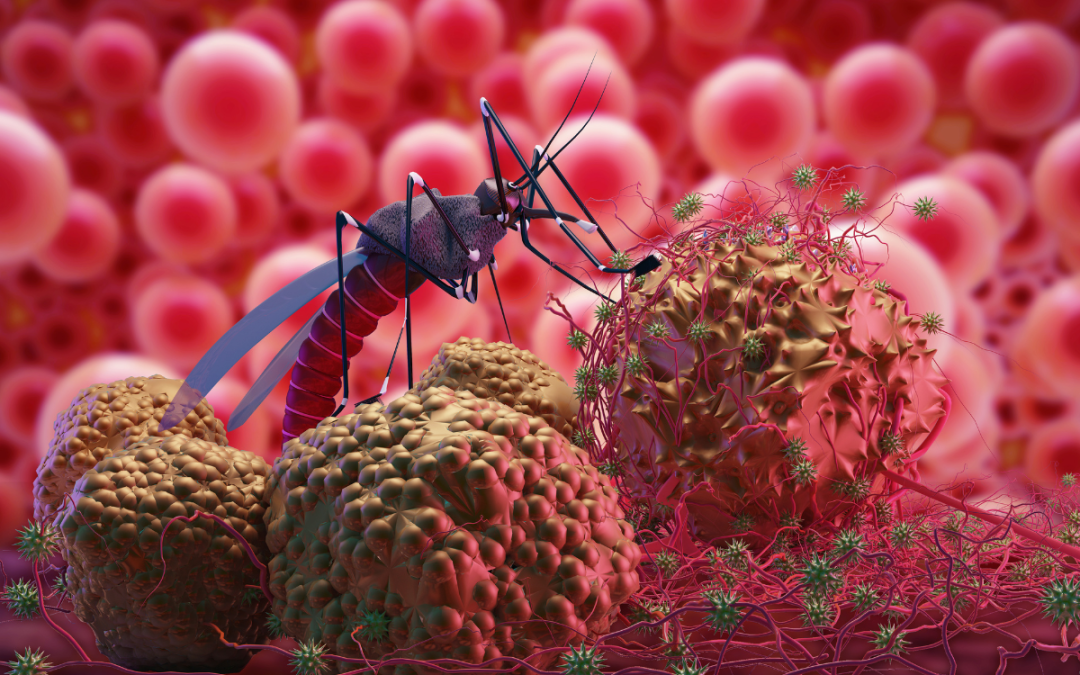
Zika virus (ZIKV) is an arbovirus transmitted by the Aedes mosquito species. The study refers to the 2015 outbreak in Brazil, which revealed “teratogenic features” of the disease, with infection during pregnancy resulting in miscarriages and congenital Zika syndrome (CZS) in newborns.
“Approximately 20-30% of exposures to ZIKV during pregnancy resulted in health complications.”
Not only were newborns affected, but some who were “phenotypically normal at birth” went on to develop health problems as they grew older, such as poor muscle control and impaired hearing or vision.
Although a fast-track vaccine development effort resulted in the development of more than 50 ZIKV vaccine candidates, pregnant participants were “largely excluded” from clinical trials because of “unknown potential risks” to the developing foetus. Since then, the epidemic has “waned”, rendering clinical end-point efficacy trials “almost impossible”.
The study
The study uses a marmoset model to show that intramuscular prime-boost vaccination with a Zika purified inactivated virus (ZPIV) during pregnancy is “well-tolerated” and “elicits a robust neutralising antibody response that may play a role in protection of the mother and the foetus”.
“ZPIV vaccination during pregnancy resulted in the reduction of placental pathology and a significant reduction of viral RNA burden in foetuses.”
A giant step forward
Professor Emeritus at Texas Biomed, Dr Jean Patterson, described the research as a “giant step forward” as it provides “very strong evidence” that the vaccine could protect foetal health during a future outbreak. However, the teams must now understand if the protection offered will last throughout pregnancy and if children born from vaccinated females challenged with the virus during pregnancy are free of CZS.
“We hope to garner more interest and funding to pursue those next steps.”
Dr Stephen J. Thomas, who invented the ZPIV vaccine and collaborated on the study commented that “advancing the development of vaccine candidates and studying different use scenarios is incredibly important”. Dr In-Jeong Kim, principal investigator at Trudeau Institute is “very” excited by the progress.
“The antibody response when given during pregnancy was similar to the level we observed when administered before pregnancy.”
To participate in discussions about the importance of, and challenges associated with, Zika virus vaccine development do get your tickets to join us at the Congress in Washington here and don’t forget to subscribe to our weekly newsletters for further insights.