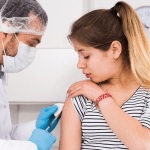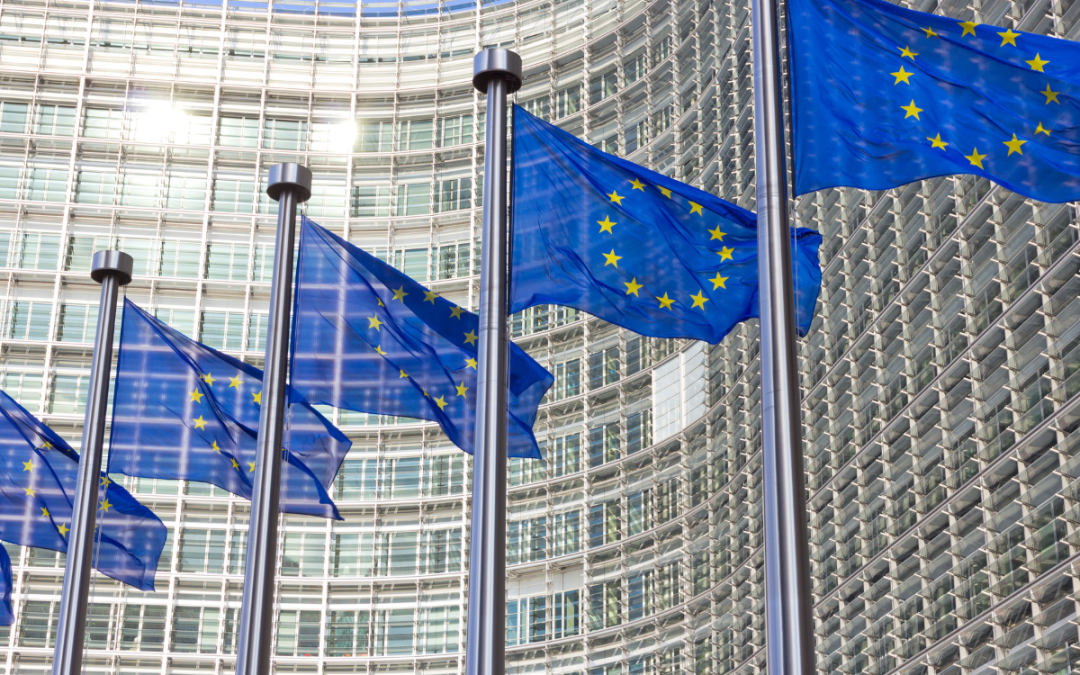
In January 2024 the European Commission announced that it is putting forward a “Recommendation to support Member States in their efforts to prevent cancer through vaccination”. This has a focus on “boosting the uptake” of two vaccinations that are critical in preventing viral infections that can lead to cancer. These are the vaccines against human papillomaviruses (HPV) and Hepatitis B (HBV). Furthermore, the EC is encouraging improved monitoring of coverage rates.
Europe’s Beating Cancer Plan
The latest recommendation is part of Europe’s Beating Cancer Plan, which is a “political commitment to turn the tide against cancer” and a “stepping stone towards a strong European Health Union”. The European Commission reports that in 2020, 2.7 million people in the region were diagnosed with cancer. A further 1.3 million people died from cancer, with cancer cases “set to increase by 24% by 2035”, making it the leading cause of death in the EU. The Plan will have €4 billion in funding.
Preventing cancer is possible
The statement outlines the target for Member States to reach HPV vaccination rates of 90% for girls and increased vaccination of boys by 2030. This may be supported by recent updates from Scotland that show that the HPV vaccine prevented new cases of cervical cancer. The Cancer Plan also aims to “ensure access and increased uptake” of HBV vaccination.
Unfortunately, many Member States are “well below” 50% HPV vaccination coverage for girls, and there are limited data available for boys and young adults. Furthermore, there is a “significant lack of data” on HBV vaccination rates.
Measures for Member States
The recommendation includes a “series of measures” that could improve the uptake of the lifesaving vaccines, including:
- Providing vaccinations free of charge and/or fully reimbursed
- Ensuring that vaccination is easily accessible, particularly to target groups and vulnerable or high-risk populations
- Integrating vaccine-preventable cancer immunisation into national cancer plans
- Strengthening communication efforts, particularly by highlighting the benefits of vaccination to parents, young people, and target groups and addressing mis- and disinformation
- Improving monitoring and reporting of vaccination coverage, to identify where gaps might need to be addressed
- Setting a concrete target for HPV vaccination for boys
- Strengthen national efforts to reach WHO’s 2030 targets for HBV:
- 95% vaccination coverage (3rd dose) of childhood HBV vaccination
- 95% of pregnant women screened for hepatitis B
- 95% of newborns who received timely (within 24 hours of birth) HBV birth-dose vaccination, including by strengthening systems for the monitoring of progress towards those targets and by making use of available support from ECDC if needed
- Putting strong electronic vaccination registries in place
- Exchanging best practices with other Member States to improve national efforts
The EC intends to support Member States as they implement the recommendation. For example, it will provide a model for communication campaigns, adaptable to “national needs” and considering “national specificities”, to raise awareness of the importance of the vaccinations. The Commission will support improvements to monitoring across the EU, and the European Centre for Disease Prevention and Control (ECDC) will develop a dashboard of vaccination rates by the end of 2024.
Making a difference
Margaritis Schinas, Vice-President for Promoting our European Way of Life, identifies in the Beating Cancer Plan a “strong political commitment to improve the lives of all our fellow citizens touched by this disease”.
“With today’s proposal, the EU is delivering support to Member States to increase cancer prevention, with a particular focus on protecting children, young people, and vulnerable populations. Prevention will always be the better way to fight cancer, and with 40% of cases being attributed to preventable causes, there is scope to make a difference.”
Stella Kyriakides, Commissioner for Health and Food Safety, agreed that “prevention is always better than cure”. She commented that the EU loses “almost 14,000” lives to cervical cancer each year, and 16,000 new Hepatitis B infections are reported yearly.
“With safe and effective vaccines, we have a historic opportunity to eliminate cervical cancer and other cancers caused by these viruses.”
Kyriakides emphasised that the EC “stands ready to support Member States in every way possible”.
We are looking forward to our keynote session on a “world without cervical cancer” at the Congress in Washington this April, with a focus on how vaccines can contribute to achieving this goal. Do join us there by getting your tickets today, or subscribe for more vaccine updates!