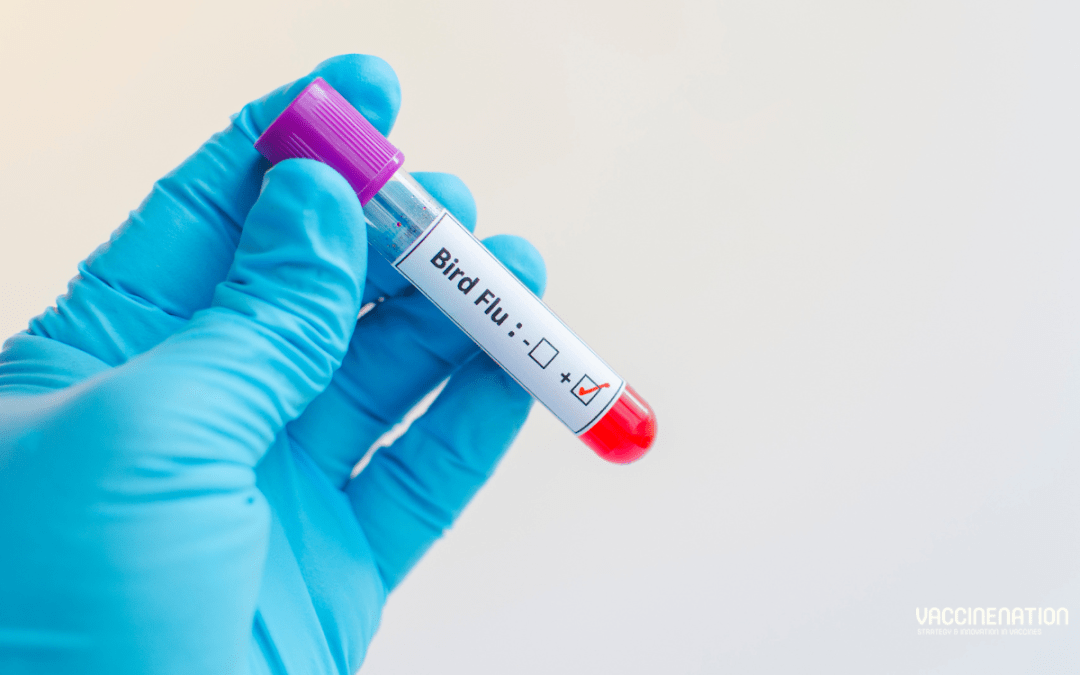
The Colorado Department of Public Health and Environment announced in July 2024 that, in coordination with the Colorado Department of Agriculture, the State Emergency Operations Centre, and CDC, it is reporting a total of five human cases of avian influenza. The cases were identified in workers “responding to the avian flu outbreak at a commercial egg layer operation”. The CDC has confirmed four of the cases with the fifth “presumptive positive” but pending confirmation.
Poultry workers
The cases are among workers who were culling poultry at a farm in northeast Colorado. They exhibited “mild” symptoms including conjunctivitis (pink eye) and common respiratory infection symptoms. None were hospitalised. It is suspected that these cases are a result of working with infected poultry, but an investigation is underway with CDC support.
On Friday 12th July Colorado Department of Public Health and Environment (CDPHE)’s State Public Health Laboratory sent three samples to CDC for confirmatory testing. A fourth was detected by the State Lab on Friday evening and has been confirmed by CDC. The fifth case sample was presumptive positive at the State Lab on 13th July. There are no further test results pending.
Experts concerned
Although CDC’s risk assessment for the general public remains “low”, experts are expressing concern at the apparent lack of control over the evolving situation. Dr Seema Lakdawala of Emory University told Fortune that “we are on the brink of this being really already in humans” which would be a “real problem to control”.
“I will tell you that what has been driving me the past few months is trying to prevent H5 from becoming a pandemic…I have never felt that were as close as we are now.”
Dr Lackdawala is also surprised that vaccine stockpiles “haven’t been leveraged” to protect farmworkers. Dr Rick Bright, former BARDA director, is also sounding the alarm on the government’s lack of investigation.
“I’d like to see them swabbing from not just the symptomatic people that they’ve talked about, but also asymptomatic people on the same farm, in the family circle unit, and in the community. And I’d like to see them taking blood samples for serology testing.”
Dr Bright is also alarmed by the fact that “we have not seen increased transparency from the USDA”, which is causing confusion through delayed and disordered data.
“It’s ridiculous…By not being transparent and timely with their data, the USDA is really forcing a lot of guesswork.”
As the more cases emerge, the pressure mounts on US agencies to demonstrate an effective response. Managing the avian influenza crisis is a key theme at both the Barcelona Congress this October and the Washington Congress next April, so join us to have your say on the situation, and don’t forget to subscribe to our weekly newsletters here.