Analysis by Airfinity and Bloomberg News, reported in June 2024, suggests that at least 13 infectious diseases are showing a resurgence. A study compiling data from over 60 organisations and public health agencies finds that more than 40 countries or territories have reported at least one infectious disease resurgence that is at 10-fold, or above, higher than pre-pandemic baseline. The results are displayed onto a spike map, including the following diseases: chickenpox, cholera, dengue, measles, Mycoplasma pneumoniae, parvovirus B19, invasive Group A Streptococcus, pertussis, influenza, respiratory syncytial virus (RSV), wild poliovirus type 1 (WPV1), vaccine-derived poliovirus, and tuberculosis.
The study
Airfinity states that the analysis “relies heavily” on data reported by all countries globally, which “in turn depends on the robustness of their infectious disease surveillance and reporting systems”. Therefore, the data does not accurately represent the true burden of the diseases within populations, with many cases going undetected. Furthermore, the disease data is “not exhaustive”, with “large gaps” for notifiable and non-notifiable diseases.
“Some countries/regions might be overrepresented than others due to their superior surveillance and reporting systems. In addition, changes testing levels post-pandemic likely affect recent disease incidence, resulting in large post-pandemic spikes that might incorrectly imply significantly higher disease incidence.”
Explaining the spikes
Airfinity offers “three main factors” for the current surge in outbreaks. The first of these is “falling vaccination rates”. Although diseases like measles, polio, whooping cough (pertussis), and tuberculosis are vaccine preventable, declining uptake is “leaving populations vulnerable and allowing the pathogens to spread”.
The example of measles is given; global measles vaccination coverage has declined, with 20 countries in Europe dropping below 90% in 2022. The UK is experiencing a national outbreak and Austria is seeing “its worst measles outbreak on record” with cases from the first 5 months of 2024 hitting 190% higher than the pre-pandemic peak. Other countries, including Denmark, Canada, and the Netherlands are “on track to surpass pre-pandemic levels if sustained transmission persists”. Pertussis is also considered, with Spain among a “growing number” of countries in Europe that is seeing a rise in whooping cough burden with 134% post-pandemic increases in 2024.
The second key factor is an “overall decline in population immunity during the pandemic years”. Restricted social interaction “suppressed” the circulation of pathogens like RSV< Mycoplasma pneumoniae, and invasive Group A Streptococcus, or iGAS. Airfinity indicates that the current resurgence can be “largely” attributed to “more susceptible” populations alongside increased testing and case reporting after the pandemic. For example, last influenza season in the US cases were 28% higher than in 2019. Total influenza cases in Europe’s last season were 75% higher than in 2019.
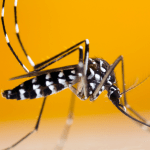
The third contributing factor is climate change, which is “enabling the spread of diseases such as dengue and cholera, and increasing the pathogens’ reach into new territories”. Argentina has reported the largest rise with a 151-fold increase in dengue cases from 3,220 in 2019 to 488,035 already in 2024. With mosquitoes moving northward, more cases have been identified in southern Europe. Italy has seen a “significant” increase from the first locally acquired case in 2020 to 67 cases in 2023.
Vaccination is crucial
Airfinity Biorisk analyst Kristan Piroeva highlighted that “unvaccinated children are at the greatest risk” during this resurgence of disease.
“These illnesses can often be more severe for infants and young children than the general adult population. Ensuring sufficient vaccination rates is crucial to preventing these vulnerable groups from becoming seriously ill.”
Piroeva reflected that dengue, which “most people think of as a tropical disease”, is moving into non-endemic countries. With rising temperatures, “we could see the disease becoming endemic in southern Europe” and Airfinity’s overview of dengue incidence shows “nearly half the world’s population may now be at risk of dengue infection”.
“An increase in surveillance and testing for disease also plays a significant role in today’s analysis. By enhancing our monitoring capabilities, we can better track the spread of these diseases and implement timely interventions to mitigate their impact.”
To participate in discussions about infectious diseases and vaccination strategies at the Congress in Barcelona get your tickets here and don’t forget to subscribe to our weekly newsletters here.