Amid a “deadly” hepatitis E outbreak in South Sudan, Médecins sans frontières (MSF) announced that it has launched a vaccination campaign in collaboration with the Ministry of Health. The goal of the campaign, which is the first to be conducted “during the acute stages of an active outbreak” is to provide protection to those at greatest risk and to prevent further loss of life. Since April 2023, 501 cases of hepatitis E have been treated at the MSF hospital in Old Fangak, Jonglei State. 21 people, “mainly women”, have died.
Hepatitis E is an inflammation of the liver that is caused by infection with hepatitis E virus (HEV). WHO estimates that there are around 20 million HEV infections every year around the world, leading to an estimated 3.3 million symptomatic cases of hepatitis E. Although it is found worldwide, infection is “common” in low- and middle-income countries that have limited access to essential water, sanitation, hygiene, and health services. Mamman Mustapha, Head of Mission in South Sudan, reflected that hepatitis E “can be fatal”.
“Around 20 million people become infected every year, and of these, three million people experience symptoms that require treatment. However, not everyone is able to access treatment in good time – especially in countries with limited numbers of health facilities like South Sudan.”
In these areas, “even if people do eventually manage to get to a hospital, it is often too late” as there is “no cure”.
“This is why the vaccine is so important – it can save lives”.
A vaccine for emergencies
The vaccine was developed in 2012 and approved for emergency use by WHO in 2015. It requires three doses, and the goal of this campaign is to have fully vaccinated 12,776 women and girls between the ages of 16 and 45 by June 2024. Since its approval, the vaccine has only been used once before. This was in 2022, when MSF carried out a mass vaccination campaign in Bentiu camp for internally displaced persons (IDPs), South Sudan.
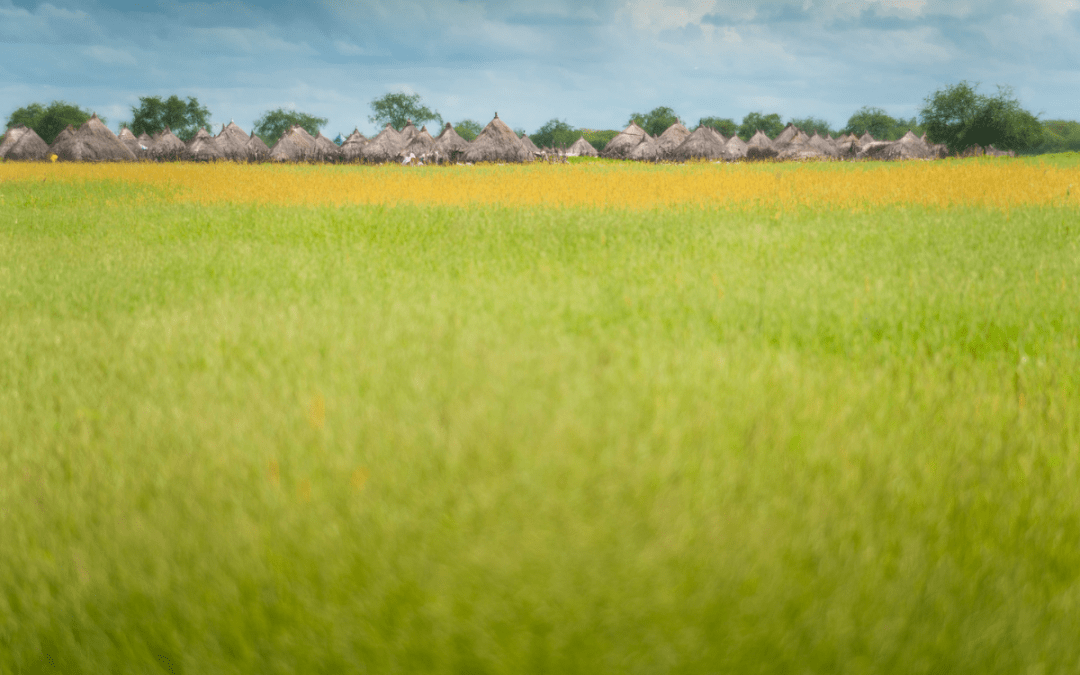
Although this is another case of an emergency use, MSF describes the current campaign as a “vastly different context”. In particular, the location of the outbreak brings unique challenges. Fangak County is in an “extremely remote part” of northern South Sudan, on the Sudd marshes. The marshes are a “vast area of wetland dotted with small communities”.
Mustapha reflects that “even getting our routine childhood vaccinations” to the area has been challenging; it is only possible to reach the hospital by boat along the river Nile or by air. However, the airstrip at Old Fangak has been flooded for “the past four years”, so the vaccines have had to be brought in by more complicated routes.
“The vaccines need to be kept between two and eight degrees Celsius, and although this is relatively easy at our hospital, it is a completely different ball game trying to ensure that we do not break the cold chain during the eight hours it takes to reach some of the communities we are targeting.”
Health threats combine
MSF reports that, due to long periods of flooding, cases of malaria have increased in parallel with cases of malnutrition. Unfortunately, now a “new threat” is presenting itself, as hepatitis E spreads through water. Due to the flooding, it is now harder for people to reach a health facility. The financial and time burdens mean that many people are discouraged from seeking support.
“We know for certain that 21 people have died from hepatitis E during this current outbreak, but that is only because they were able to reach the hospital. It is very likely that many more people have passed away at home, without having been able to even try and access treatment.”
To overcome this challenge, MSF is trying to take the solutions to people, adapting regular activities to reach the most at-risk communities. A further challenge is that the vaccine is expensive and limited in availability; it is also “bulky”, which makes transportation and storage more complicated. Alongside the vaccination campaign, MSF is carrying out case management and referrals at the hospital and conducting community awareness campaign and epidemiological surveillance.
MSF also “urges” local and global organisations to improve the water and sanitation conditions in Old Fangak.
“This is vital to stop the spread of the disease and preventing outbreaks in the future.”
For more on responding to emergencies and protecting vulnerable communities, don’t forget to get your tickets to join us at the Congress in Washington in April. Until then, why not subscribe to our weekly newsletters here?