
In May 2024 the WHO shared a disease outbreak news update on the global dengue situation, stating that by 30th April 2024 over 7.6 million dengue cases have been reported to WHO in 2024. This total includes 3.4 million confirmed cases, over 16,000 severe cases, and over 3,000 deaths. The “substantial increase” in cases has been “particularly pronounced” in the Region of the Americas, where the number of cases exceeded 7 million by the end of April 2024. This surpasses the annual high of 4.6 million cases in 2023. 90 countries have known active dengue transmission this year.
However, many endemic countries do not have strong detection and reporting mechanisms, which means that the true global burden of dengue is underestimated. WHO states that “real-time robust dengue surveillance” is needed to control transmission “more effectively”. This would address concerns about undetected cases, co-circulation and misdiagnosis as other arboviruses, and unrecorded travel movements.
“The overall capacity for countries to respond to multiple, concurrent outbreaks continues to be strained due to the global lack of resources, including shortages of good quality dengue diagnostic kits for early disease detection, lack of trained clinical and vector control staff, and community awareness.”
WHO maintains that the overall risk at the global level is “high”, with dengue remaining a global threat to public health.
Co-circulation concerns
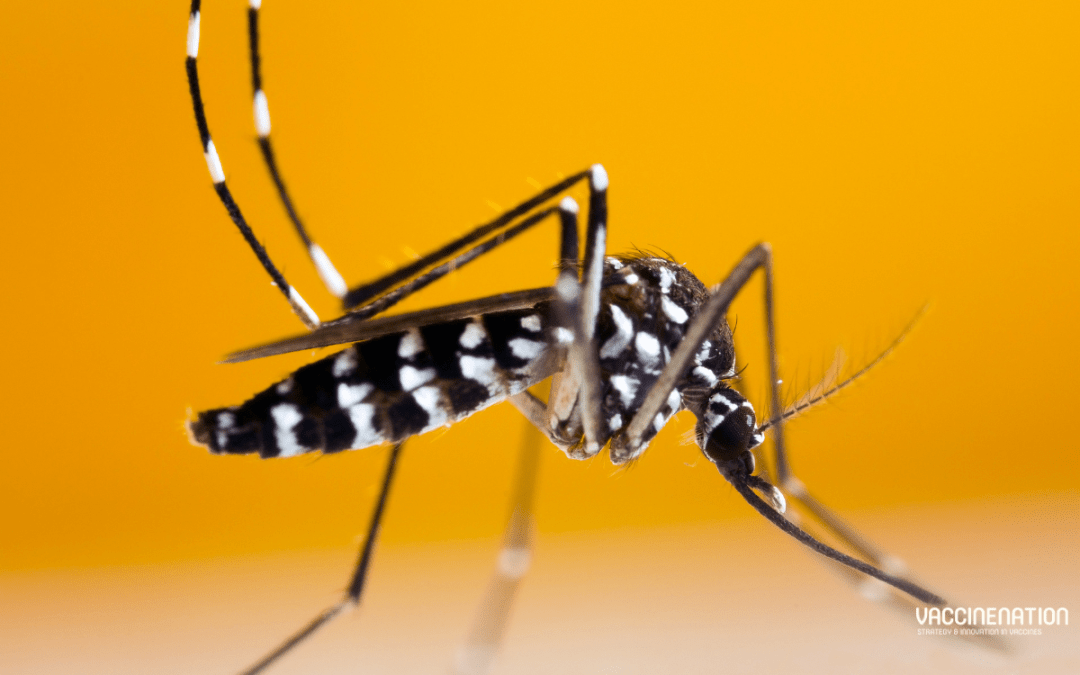
There is “considerable overlap” in the geographic distribution of dengue, chikungunya, and Zika viruses; these are all transmitted by Aedes mosquitoes and share some clinical features. This can result in misdiagnoses and misreporting in the absence of differential laboratory testing. Surveillance systems that specifically target transmission of chikungunya or Zika are “weak or non-existent” in many countries.
“As dengue, chikungunya, and Zika viruses share the same Aedes mosquito vectors and co-circulate in the same geographic areas, they also share many prevention strategies, such as differential diagnosis, mosquito control, and public awareness campaigns.”
However, WHO notes “important differences” between these diseases that affect risk populations, patient management, and use of health care resources. Therefore, expanding surveillance for all three viruses will help public health authorities determine the true burden of each more accurately and respond appropriately.
Risk assessment and advice
In November 2023 WHO assessed the global risk of dengue as high. In December, the internal emergency response was assigned as G3 at the global level.
“Given the current scale of the dengue outbreaks, the potential risk of further international spread and the complexity of factors impacting transmission, the overall risk at the global level is still assessed as high and thus dengue remains a global threat to public health.”
Vector control interventions are “key” to dengue prevention and control, and WHO states that vector control activities should target “all areas” with risk of human-vector contact, including residences, workplaces, schools, and hospitals. WHO promotes Integrated Vector Management (IVM) to control Aedes species. Personal protective measures during outdoor activities are also encouraged. While there is no specific treatment for dengue infection, WHO highlights that early detection and access to appropriate healthcare for case management reduces mortality.
Vaccination should be considered within an integrated strategy to control the disease; WHO recommends the use of TAK-003 in children aged 6-16 years in settings with high dengue transmission intensity.
For the latest on vaccination strategies against infectious disease do join us at the Congress in Barcelona or subscribe to our weekly newsletters here.


