by Charlotte Kilpatrick | Oct 23, 2024 | Global Health |
A study in The Lancet Global Health sought to provide counterfactual scenarios to evaluate the short-term effects of different vaccination strategies on mpox cases and deaths in the Democratic Republic of the Congo (DRC). The researchers used a dynamic transmission model to simulate mpox transmission, stratified by age and province; this was used to assess potential vaccination strategies and their effects on deaths and cases in an epidemic year. The results indicate that vaccinating children aged 15 years or younger, or younger than 5 years, in endemic regions, would be the “most efficient use of vaccines” when resources are limited.
Mpox in DRC
Mpox was first identified in the Democratic Republic of the Congo (DRC) in 1970; it is a zoonotic infectious disease caused by the monkeypox virus (MPXV), which is endemic in “numerous regions” of west and central Africa. MPXV has two clades:
- Clade I is endemic in central Africa with an estimated case fatality rate of up to 10% and mainly affecting children. It is divided into two subclades, Ia and Ib.
- Clade II was historically found in west Africa, with an estimated case fatality rate of up to 1%-3%. It is also divided into two subclades, IIa and IIb. Clade IIb was responsible for the global mpox epidemic in 2022.
The authors state that, until 2022, MPXV was not associated with large outbreaks; most cases were related directly to sylvatic transmission from animals to humans via hunting, wild game preparation, and consumption. Increases in human-to-human transmission were identified in 2017.
The researchers suggest that the low likelihood of transmission in the early decades after the virus’ discovery could be related to smallpox eradication programmes, which offered cross-immunity via vaccination against a related orthopoxvirus. Indeed, since the cessation of the smallpox vaccination programme in the DRC, there has been a “concurrent increase in mpox cases and outbreak frequency”. There is an ongoing, “unprecedentedly large” outbreak of clade I mpox in the DRC, with more than 14,000 reported suspected cases by the end of 2023 and a 4.6% case fatality rate. Over 70% of the deaths are in children younger than 15 years.
Genetic analyses of clade Ia MPXV genomes indicate that in this outbreak, multiple, independent zoonotic introductions into the human population have occurred from one or more reservoir species. An increasing burden of clade Ib MPXV infections have been identified in eastern DRC with evidence of “sustained” human-to-human transmission and many cases in women aged 15-29 years, but clade Ia infections continue to comprise most mpox cases in the DRC.
The study
Bavarian Nordic’s modified vaccinia Ankara vaccine (JYNNEOS) is protective against mpox. It was approved by the US FDA in 2019 but was not widely used against mpox until the 2022 outbreak, when it was “quickly mobilised to vaccinate people at high risk of infection in the USA and Europe”. Despite its high efficacy at two doses, it is “largely unavailable” outside the USA and Europe.
The authors aimed to inform policy and decision makers on the “potential benefits of, and resources needed,” for mpox vaccination campaigns in the DRC. They used an approach based on models from operations research and decision science to offer a robust analysis of policy choices “even in the context of incomplete and uncertain data”. The study uses mathematical modelling to simulate the spread of mpox in the DRC during 2023.
Without vaccination, the model predicted 14,700 cases of mpox and 700 deaths from mpox in the DRC over 365 days, consistent with reported estimates. Almost 50% of the cases and deaths came from the province of Equateur. Cases were evenly split between the three age groups: 34% in children under 5 years, 32% in children aged 5-15 years, and 34% in people older than 15 years. However, deaths were “predominantly” seen in children younger than 5 years (51%).
Vaccinating 80% of children younger than 5 years in all provinces or provinces with a history of mpox cases decreased the outbreak to 10,500 cases and 400 deaths. Vaccinating in endemic provinces increased cases to 10,700 and deaths remained the same. The numbers of vaccine doses needed for the strategies were 41.4 million (all provinces), 33.8 million (provinces with a history of mpox), and 13.2 million (endemic provinces only).
Vaccinating 80% of children younger than 15 years in all provinces or provinces with a history of mpox cases decreased the outbreak to 6,400 cases and 200 deaths. Vaccinating in endemic provinces increased cases to 6,800 and deaths remained the same. The numbers of vaccine doses required for these strategies were 81.6 million (all provinces), 67.1 million (provinces with a history of mpox), and 26.6 million (endemic provinces only).
Vaccinating 80% of all ages in all provinces or only non-endemic provinces with a history of cases decreased the case burden to 1,400 cases and 100 deaths, and 2,000 cases and 100 deaths when vaccinating in provinces endemic for mpox. The numbers of doses required for these strategies were 170.8 million (all provinces), 142.0 million (provinces with a history of mpox), and 56.8 million (endemic provinces only).
Managing resources
The paper finds that vaccinating all ages leads to the “largest impact on magnitude of cases and deaths”, but that vaccinating only children aged 15 years or younger provides “nearly the same effect with fewer vaccine doses required”. Although vaccinating only children younger than 5 years showed a “drop-off” in averted cases and deaths, it provides the most efficiency.
“This analysis shows the effectiveness of focussing an mpox vaccination campaign specifically in the provinces endemic for mpox in the DRC. This targeted strategy prevents nearly as many cases and deaths as broader approaches but uses fewer vaccine doses and thus would be less costly to implement.”
Alexandra Savinkina, fourth year PhD student in the Yale School of Public Health (YSPH) Department of Epidemiology (Microbial Diseases), commented that this study could influence vaccination policy.
“My hope is that it could help inform policy for vaccination in the country and potentially the region and move the needle forward on getting vaccines to the people who need them most in the DRC.”
Savinkina hopes that “we can learn from the global mpox outbreak that we can’t ignore disease in other places”.
“If the resources to help people exist, I think we should be using them, whether in the U.S. or in Africa.”
Dr Gregg Gonsalves, associate professor of epidemiology at YSPH, acknowledged barriers to access.
“We take it for granted that we can get a vaccination for COVID or a flu shot at our local CVS, but the infrastructure to deliver vaccines in DRC is far less robust.”
For more vaccine research updates, subscribe to our weekly newsletters here.
by Charlotte Kilpatrick | Oct 18, 2024 | Global Health |
The Global Polio Eradication Initiative (GPEI) announced the “difficult decision” to extend the timelines needed to achieve polio eradication. This decision, made by the Polio Oversight Board (POB) in July 2024, was shared in October 2024 with an update to funding requirements. Although GPEI recognised the “unprecedented progress” made so far, it highlighted the danger of falling into an “unacceptable future”, demanding collaboration and support for the next stages of eradication efforts.
Progress against polio
GPEI commented that “for more than three and a half decades” it has been supporting governments and health workers to make “unprecedented progress toward the promise of a polio-free world”. Through this work, more than 20 million people are “walking who would otherwise have been paralysed by this dreadful disease”. “Billions” of children have benefitted from lifesaving immunisations, and five out of six WHO Regions are free from wild poliovirus.
Closing the gaps
With broad global success, the programme is largely now “concentrated in some of the most complicated and fragile settings in which to deliver basic healthcare”. It faces “serious”, from “persistent violence to climate emergencies”. Indeed, the transmission of polio in conflict-affected areas in Gaza, Sudan, and Yemen, provides a “stark reminder” that “where conflict debilitates health and sanitation systems, polio will inevitably appear” unless eradication of all forms of the virus can be achieved.
Extended timelines
In recognition of the continued challenges, the GPEI’s POB decided to extend the timelines needed to achieve polio eradication to the end of 2027 (wild poliovirus) and the end of 2029 (type 2 variant poliovirus). The decision, made in July 2024, was informed by “critical analysis and expert consultations”. The consequence of this extension is a need for further financial resources.
In October 2024, the POB determined that the total funding needs of the extended 2022-2029 strategic period are US$6.9 billion; this is an increase from the US$4.8 billion projected for the 2022-2026 strategic period. Donors have already committed an “incredible” US$4.5 billion, leaving US$2.4 billion “urgently needed”. The funds will enable the programme to make “tactical shifts”, allowing GPEI to:
- Reach more children with polio vaccines by working with polio-affected country leaders to strengthen programme implementation
- Deploy innovative tools like novel vaccines and surveillance methods to further strengthen outbreak response
- Improve accountability at all levels, from global leadership to field managers
- Work with routine immunisation programmes by integrating polio services where possible
- Deepen relationships by strengthening community engagement
These “shifts” are driven by partners’ expertise and a “programme-wide commitment to double down on the toughest but most critical challenges”.
GPEI warns that shortcomings in funding or executing these efforts would have “serious consequences”.
“Without dedicated eradication efforts, within a decade, many thousands of children around the world could once again be paralysed or die from polio each year. This is an unacceptable future.”
The importance of donor and polio-affected country governments supported is highlighted as central in reaching all children with lifesaving vaccines and strengthening health systems in the process.
“With strengthened support and collaboration, together we can deliver a world where all children, families, and communities are forever free from polio.”
For the latest vaccine and global health updates, don’t forget to subscribe to our weekly newsletters here.
by Charlotte Kilpatrick | Oct 11, 2024 | Global Health |
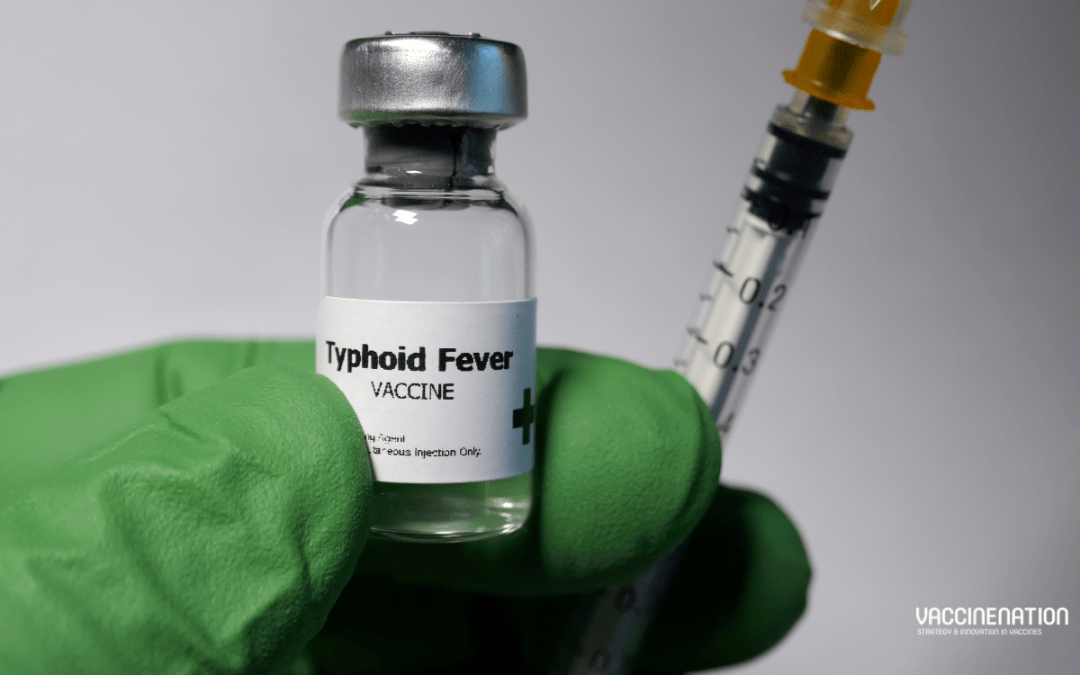
A study in The Lancet in October 2024 finds that a single dose of typhoid conjugate vaccine (TCV) offers safe and effective protection against typhoid two years after vaccination in all children and sustained protection for older children at three to five years after vaccination. However, a “decline” in protection was observed after this period, with the greatest decline identified in children vaccinated at younger ages. The authors infer that a booster dose of TCV, perhaps around school entry age, might be needed for children vaccinated while younger than two years old, to sustain protection through the years when the risk is highest.
TCV
Typhoid fever places a “substantial disease burden” on low- and middle-income countries “marked by inadequate sanitation and limited access to clean water”. There are an estimated 7.15 million cases and 93,300 deaths each year. This burden is exacerbated by the “escalation” of antimicrobial resistance (AMR), which reduces treatment options. WHO recommends vaccines as an “important tool” in typhoid prevention and control strategies.
The first typhoid conjugate vaccine (TCV) was prequalified by WHO in 2017 based on field safety and immunogenicity data and findings from a controlled human infection model. 2-year vaccine efficacy has since been confirmed at 79-85% in randomised control trials. Research has revealed a “consistent trend” of waning protection in children vaccinated at a young age. Although WHO’s current recommendation is a single dose for infants and children from 6 months of age, epidemiological studies in countries across Asia and Africa suggest that incidence peaks in children between the ages of 5 and 9 years. Therefore, the authors identified a need to understand if a single dose of TCV can provide “substantial protection” in the medium and long term, or if a booster dose is needed.
Expanding the TyVAC trial: TyVOID
The cluster-randomise controlled trial (TyVAC) to assess the safety, immunogenicity, and protection conferred by a single dose of TCV started in Bangladesh in 2018 with a follow-up to 18 months. To generate further data, the authors extended this to evaluate vaccine protection and immunogenicity at 3-5 years after vaccination.
In TyVAC, healthy children aged 9 months to 15 years were offered TCV or a Japanese encephalitis vaccine according to their cluster of randomisation. 150 clusters were randomised to either TCV or the Japanese encephalitis vaccine, with 75 in each group. After a 3-month passive surveillance period, the baseline of TyVOID began at the final visit of TyVAC. Vaccinated children visited study clinics; after unmasking, participants in the Japanese encephalitis group were offered vaccination with a single dose of TCV, but TCV recipients were not offered the Japanese encephalitis vaccine.
Two cohorts of TCV-vaccinated children were available for follow-up:
- The group vaccinated in the original study between April 2018 and November 2019 (previous-TCV group)
- The group originally vaccinated with Japanese encephalitis and later TCV between January and August 2021 (recent-TCV group)
Results
During a median of 2.4 years, 14 episodes of typhoid fever were detected in the recent-TCV group (incidence rates of 31 per 100,000) and 45 episodes among the previous-TCV group (incidence rates of 97 per 100,000). The “significantly higher” incidence of typhoid fever in the previous-TCV group indicates a “drop in the vaccine effectiveness” 3-5 years after vaccination. The waning of vaccine effectiveness was further confirmed through the inclusion of unvaccinated children who sought care for fever as the reference group.
The decline in vaccine effectiveness correlated with age at vaccination; children in the youngest age group exhibited the most substantial reduction in vaccine effectiveness. The reason for the age-specific difference is “unclear”, but the authors suggest that underdeveloped bone marrow in younger children results in a weaker ability to support long-lived plasma cells. Another possibility is that older children have more opportunities for exposure to S Typhi than younger children, contributing to a greater durability of antibody concentrations after vaccination.
The issue of exposure is also relevant in comparing this study to a study in Malawi, as the incidence of typhoid fever in Bangladesh was “approximately three times higher”, with greatest disparity in younger children. Therefore, while a single dose of TCV might remain “highly effective” in Malawian children, it ceases to confer sufficient protection in Bangladeshi children.
“Put simply, it may be that more antibody is needed in Bangladesh to protect against typhoid fever than in Malawi as the incidence of infection is likely to be higher in Bangladesh.”
Implications
The introduction of TCV as a catch-up campaign in several countries is “likely to have a substantial impact” on the typhoid burden in these countries. TCV will then be integrated into local EPI programmes with a single dose, focussing on infants and toddlers. However, the authors urge WHO to evaluate their data and consider the “potential need for a booster around school entry age”.
Associate Professor Xinxue Liu of the Oxford Vaccine Group is one of the senior authors and emphasised how “serious and life-threatening” the disease is, particularly for “children and adolescents in low- and middle-income countries”.
“TCV offers the best chance to reduce the burden of typhoid, helping to reduce transmission and limiting further evolution of drug-resistant strains. This study provides additional information for policy makers on longer-term TCV protection and the importance of continued investigation and updated guidance.”
Dr Firdausi Qadri, Senior Scientist at the Infectious Diseases Division at the International Centre for Diarrhoeal Disease Research, Bangladesh (icddr,b) and first author, commented that the results “indicate a decay in antibody concentrations in different age groups”.
“[They] suggest that a booster dose around school entry age for children vaccinated while younger than 2 years could be considered, to sustain the protection from TCV through the school years when children are at greatest risk of typhoid.”
Professor Sir Andrew Pollard, Director of the Oxford Vaccine Group, reflected on WHO’s “current” recommendation.
“Epidemiological studies in different countries across Asia and Africa showed that the incidence of typhoid fever is much higher in children younger than 16 years than it is in adults, with the peak of cases seen in those aged 5-9 years. Whether a single dose of TCV provides long-term protection continues to be a top research priority to advise policy makers.”
For the latest vaccine research updates, why not subscribe to our weekly newsletters here? We hope you will also join us at the Congress in Barcelona this month to discuss vaccine questions and explore global health concerns.
by Charlotte Kilpatrick | Oct 7, 2024 | Global Health |
Gavi shared the 2023 Annual Progress Report in October 2024, highlighting that more than 1.3 million future deaths were averted in 2023 through Gavi-supported vaccination programmes. The report details progress on strategic goals and reveals that the number of children protected with routine childhood vaccines since 2000 has exceeded 1.1 billion. These milestones also have economic benefits for Gavi-supported countries; the report suggests that this totals US$ 52 billion since 2021.
Chair of the Gavi Board, José Manuel Barroso, emphasised the importance of vaccinating children and vulnerable populations.
“We not only enable millions of people to lead healthier, more fulfilled lives [but we also] contribute to families’ prosperity, to strong and more stable communities, and to economic development that is already translating into countries’ paying more towards their immunisation programmes than ever before.”
Dr Sania Nishtar, Gavi’s CEO, commented that many Gavi countries are “on the front line of climate change, with many vulnerable to economic instability and geopolitical tension”.
“For them to be able to immunise more children, not to mention expand important programmes such as HPV, deserves recognition. Fully funding Gavi for its next five-year period will be crucial in expanding these hard-won gains and helping countries further along the pathway to fully sustaining their own immunisation programmes.”
Indicators and goals
Gavi partners and countries are “on track” to achieve most of the six mission indicators of the 2021-2025 strategic period:
- Under-five mortality rate
- Future deaths averted with Gavi support
- Future DALYs averted
- Reduction in number of zero-dose children
- Unique children immunised through routine immunisation with Gavi support
- Economic benefits generated through Gavi-supported immunisations
The mission is supported by four strategic goals
- Introduce and scale up vaccines
- Strengthen health systems to increase equity in immunisation
- Improve sustainability of immunisation programmes
- Ensure healthy markets for vaccines and related products
Vaccines
National Immunisation Coverage estimates in July 2024 confirmed that Gavi is on track in reaching children with new vaccines but must increase efforts to reach zero-dose and under-immunised children. At the end of 2023, Gavi had helped countries reach more than 1.1 billion children with routine immunisations since 2000. This means that the Investment Opportunity 2021-2025 commitment was achieved two years early. Gavi-supported countries completed a total of 13 routine introductions, taking the total introductions from 2021-2023 to 42.
Coverage of the third dose of diphtheria, tetanus, and pertussis-containing vaccine (DTP3) in 57 lower-income Gavi-supported countries remained “stable” at 80%. Apart from the pentavalent vaccine, Gavi-supported vaccines had higher coverage in 2023 than before the pandemic in 2019. After the opening of the support window for the second dose of inactivated polio vaccine (IPV2) in 2021, overall coverage in Gavi-supported countries increased rapidly to 27% by the end of 2023. The revitalisation of the HPV vaccine programme had “significant” effects: countries fully immunised more than 14 million girls with Gavi support in 2023.
Gavi’s vaccine portfolio has “grown significantly” over time; Gavi now supports vaccines against 20 infectious diseases through 53 product presentations.
Strategy indicators
Breadth of protection: In 2023 the 57 Gavi-supported countries (Gavi57) increased breadth of protection by 3 percentage points to 56%, against an implied target of 60% by 2025.
Coverage: Across the four vaccines included in the Sustainable Development Goal (SDG) indicator 3.b.1, the third dose of pneumococcal conjugate vaccine (PCV3) and the last dose in the schedule of human papillomavirus vaccine (HPVC) were trending higher in 2023 than originally projected. However, coverage of the second dose of measles-containing vaccine (MCV2) was “slightly behind but improving” and coverage of the third dose of DTP3 is “off track”.
Rate of scale up of new vaccines: Coverage of three vaccines (yellow fever: 97%, PCV: 93%, and rotaC: 93%) exceeded the benchmark. RotaC recovered from 2022 supply disruptions. Coverage of MCV2 remained under the 90% relative coverage target.
Introductions: 13 new routine introductions took place in 2023 against a milestone of 21. The cumulative total for introductions in 2021-2023 is 42, just “moderately delayed” against the target of 82 by 2025.
Country prioritisation: Gavi Secretariat considered if funding applications presented the three criteria (disease burden, effectiveness of vaccination, accounting for budget to meet requirements for vaccine procurement and sustain immunisation levels after transition from Gavi support). 93% of applications considered disease burden and increase in budget needed; 76% considered effectiveness of vaccination. 41 applications were reviewed from 2021 to 2023, increasing as countries submitted malaria vaccine applications.
Measles: 75% of children aged under five who were previously unvaccinated against measles received an MCV dose among countries conducting a Gavi-supported preventing MCV campaign.
Timely detection and response: Detection and response challenges, including “suboptimal surveillance” and lack of “robust” preparedness plans and locally available resources “persisted” in 2023. However, 5 out of 28 Gavi-supported outbreak responses with timeliness data met the disease-specific timeliness threshold in 2023. Measles-containing and yellow fever vaccines achieved higher rates of timely response than cholera, Ebola, and meningitis vaccines.
The future
Commenting on the progress presented in the report, UNICEF Executive Director Catherine Russell affirmed that “no child should die from vaccine-preventable diseases”.
“Through Gavi, the Vaccine Alliance we continue to bridge the gap between life-saving vaccines and the children who need them.”
To achieve the goals of the next strategic period, 2026-2030, Gavi needs to meet the funding target of US$9 billion. This will enable the organisation to expand protection against more diseases, ensure that the most vulnerable populations are “not left behind”, and protect the world against disease outbreaks. WHO Director-General Dr Tedros Adhanom Ghebreyesus stated that “vaccines are among the most powerful inventions in history”.
“With continued and increased investment in Gavi, we can harness their power, saving millions of lives in the coming decades.”
How do you think Gavi can continue to make immunisation progress into its next strategic period? What are the key challenges it faces? For more on the biggest vaccine challenges and opportunities to overcome them, join us at the Congress in Barcelona this month or subscribe to our weekly newsletters here.
by Charlotte Kilpatrick | Sep 27, 2024 | Global Health |
A study in The Lancet Public Health in September 2024 evaluates the measles dynamics in England between 2010 and 2019 to understand the effects of waning of vaccine-induced immunity. The researchers find that, although the MMR vaccine remains “highly protective” against measles infections for decades, and most transmission is “connected to people who are unvaccinated”, breakthrough infections in vaccinated individuals aged 15 years or older are “increasingly frequent”. However, they emphasise the importance of adequate coverage alongside vaccine effectiveness.
In England, measles “follows typical near-elimination transmission dynamics”, with “sporadic localised outbreaks and high national vaccine coverage”. England reached measles elimination status after “large outbreaks” between 2011 and 2013. From 2017 onwards a resurgence has been observed.
Highly protective vaccines
The authors describe measles vaccines as “highly protective against infection” recognising that they enabled a “great decrease in the global burden of measles” after immunisation programmes began in the 1970s and 1980s. Indeed, some countries became eligible for an elimination status since 2000 after the successful implementation of routine immunisation programmes. However, this is slipping out of reach for many countries in Europe and the Americas, which have reported a resurgence between 2015 and 2020.
“This resurgence was mostly reported in under-immunised communities and linked to past variations in vaccine coverage.”
Further outbreaks have been reported in “highly vaccinated” groups in Portugal and Japan, inviting questions about the waning of measles immunity in adults who had received two doses in childhood. Research suggests a waning of antibodies in young adults who had received two doses of vaccine “more than 20 years earlier”, in contrast to no decrease in previously infected individuals. Analysis of outbreak data suggest a “drop” in vaccine effectiveness in young adults who had received two doses of vaccine. However, effectiveness estimates appear to be “sensitive to assumptions on infection-induced immunity”.
The study
The study addressed the need to understand whether the measles case dynamics of settings with high vaccine coverage result from a waning of vaccine-induced immunity or if changes in the distribution of immunity in the population are driving the distribution of vaccine status among cases. A mathematical transmission model, stratified by age, region, and vaccine status was used to evaluate whether the measles dynamics in England from 2010 to 2019 were “in line with a waning of vaccine-induced immunity”. Three scenarios were modelled:
- Vaccinated individuals might only become infected because of primary vaccine failure
- Vaccinated individuals might become infected because of primary or secondary vaccine failure, with the risk of secondary vaccine failure depending on age
- Vaccinated individuals might become infected because of primary or secondary vaccine failure, with the risk of secondary vaccine failure depending on age and time since measles stopped being endemic
Each scenario was fitted to measles case data reported in England between 2010 and 2019, and the authors compared the resulting performance. Data were collected by UKHSA (formerly Public Health England), and included date of symptom onset, region of residence, age, and vaccine status. The final case dataset included 7,504 cases. The annual proportion of individuals who had been infected with measles and received two doses of the vaccine out of the overall number of individuals with measles was three times higher in 2019 than in 2011. The median age of individuals with measles was 12.5 years.
Results
Scenarios integrating waning of vaccine-induced immunity “better captured measles case dynamics” than the scenario without waning. In the scenario where waning started in 2000, the estimated waning rate was 0.039% per year.
“Although slow, waning was associated with an increased burden over time; setting the waning variable in this scenario to 0 led to a substantial decrease in cases.”
While overall vaccine effectiveness was estimated to stay high over the decades, the estimation suggested that the increasing number of breakthrough infections contributed to the measles burden in England. The additional burden brought by waning is “directly related to the risk of transmission from vaccinated cases”, as individuals infected by people who had been vaccinated would not have otherwise been infected.
“Our results suggest that the waning of vaccine-induced immunity likely explains the observed dynamics and age distribution of vaccinated measles cases in England between 2010 and 2019.”
Low vaccination rates a bigger factor
Dr Alexis Robert, Research Fellow in Infectious Disease Modelling at London School of Hygiene and Tropical Medicine (LSHTM) drew attention to the “biggest factor for measles outbreaks”: low vaccination rates. Dr Robert emphasised that the MMR vaccine is “highly effective” and two doses “will protect you and those around you”.
“This 0.04% waning each year is relatively slow, but because measles is so infectious, over time, this would add up to a ‘gap’ in a population’s defences the virus can exploit, which may increase the duration and size of outbreaks.”
The data patterns in the study emerge “because outbreaks have occurred as a result of declines in vaccine coverage”, said Dr Robert.
“If there were no outbreaks, this small amount of waning would not show up in any data. The key issue here is coverage, not the effectiveness of the vaccine.”
Dr Anne Suffel, co-author from LSHTM, agreed that the study “looks at one small part of the picture” and recognised that the “larger issue” is that “uptake of the MMR vaccine has been decreasing in England since 2015”.
“Understanding the impact of vaccine immunity waning will help anticipate the potential impact of measles in countries where incidence has been low for decades, but vaccine uptake is reducing. The best way to limit the impact of measles and protect everyone from what can be a horrible disease, is to keep vaccine uptake as high as possible.”
Dr Adam Kucharski, Professor of Infectious Disease Epidemiology and co-author from LSHTM, acknowledged the role of “other factors” such as “changes in testing patterns over time”.
“However, the consistency and age distribution of the increase in England – combined with reports of cases in vaccinated individuals in other countries and previous laboratory studies showing a decline in measles antibodies – suggests a biological explanation is involved.”
Join us at the Congress in Barcelona next month to explore the reasons for a resurgence in measles from an uptake perspective, and don’t forget to subscribe to our weekly newsletters for more vaccine news.
by Charlotte Kilpatrick | Sep 17, 2024 | Global Health |
A statistical report from UKHSA and NHS England in September 2024 reveals a drop in childhood vaccination coverage in England in 2023-2024. The report uses data from the COVER (cover of vaccination evaluated rapidly) programme, which collates information for children aged 1, 2, and 5 by financial year. The UK routine childhood immunisation programme includes WHO Europe’s recommendations as well as others advised by the Joint Committee on Vaccination and Immunisation (JCVI) and defined by UKHSA.
Coverage details
6-in1
For the 6-in-1 vaccine (previously 5-in-1), which protects against diphtheria, pertussis, tetanus, polio, disease caused by Haemophilus influenzae type b, and hepatitis B, vaccination is scheduled at ages 8, 12, and 16 weeks.
Coverage at 12 months in England has remained below the WHO Europe target of at least 95% of children immunised; for 2023-2024, 91.2% of children were reported to have completed their primary course of 3 doses at 12 months. This is a decrease from the previous year, which was 91.8%, and a continued “downward trend” since a peak of 94.7% in 2012-2013. In the 2023-2024 period, 8 out of 9 regions exceeded 90%, with 1 region (North East) exceeding the national target of 95%, reaching 95.2%. London had the lowest coverage of 86.2%.
Coverage at 24 months was 92.4%, lower than the previous year, which reached 92.6%, and continuing the “downward trend” since the peak at 96.3% in 2012-2013. This has not exceeded the target since 2018-2019. For regional coverage at 24 months, 8 out of 9 regions reached 90% coverage and 1 region met the national target of 95%. Again, London had the lowest regional coverage (87.7%).
At the 5-year coverage assessment, coverage was 92.6%, lower than the 93.2% coverage reported for the 5-in-1 vaccine in 2022-2023. This is the lowest since 2009-2009. However, at regional level, coverage exceeded 90% in 8 of 9 regions with the South West exceeding the 95% target. Once more, London had the lowest coverage (86.9%).
MMR
The MMR vaccine protects against measles, mumps, and rubella; doses are scheduled at 12 months (MMR1) and 3 years and 4 months (MMR2). Coverage is measured at 24 months (MMR1) and 5 years (both doses).
MMR1 coverage at 24 months reached 88.9% in 2023-2024; this is a decrease from 89.3% in the previous year and is the third consecutive year that coverage has been below 90%. For the 10 years between 2011-2012 and 2020-2021, coverage exceeded 90%. Regionally, 6 out of 9 regions reached 90% coverage, but no region met the national target of 95%. London had the lowest coverage (81.8%). At 5 years, MMR1 coverage was 91.9%, a decrease from 92.5% the previous year. 95% was achieved for the first and only time in 2016-2017; coverage has “consistently decreased” since then. The North East was the only region to meet the target of 95%.
MMR2 coverage at 5 years reached 83.9%, a decrease from 84.5% the previous year. Coverage decreased in all regions; no regions exceeded 90% coverage. The lowest coverage was in London (73.3%).
Rotavirus
The rotavirus vaccine is administered at 12 weeks and coverage is measured at 12 months; unlike other vaccines in the primary schedule, the rotavirus vaccine cannot be given beyond 6 months. This means that coverage at 12 months is “likely to be lower” than other vaccines.
National coverage at 12 months was 88.5%, a decrease from 88.7% in the previous year. This means that rotavirus vaccine coverage is “now at its lowest level since data became available” in 2016-2017. In 4 regions, coverage exceeded 90%, but none achieved 95%. London was the region with the lowest coverage at 83.6%.
PCV
The pneumococcal conjugate vaccine (PCV) protects against pneumococcal disease. The primary course is scheduled at 12 weeks and the booster dose at 12 months; coverage is measured at 12 months and 24 months.
The primary course coverage at 12 months was 93.2%, a decrease of 0.5% from 2022-2023. The booster coverage reached 88.2%, a decrease from 88.5% the previous year and a continuation of the downward trend since it peaks in 92.5% in 2012-2013. 5 out of 9 regions reached 90% coverage for the booster, but no regions exceeded the national target of 95%. London had “consistently lower coverage” between 2021-2024 and achieved 80.4% in 2023-2024.
Hib/MenC
The Hib/MenC vaccine protects against Haemophilus influenzae type b (Hib) and meningococcal disease group C (MenC). The combined vaccine is administered at 12 months, with coverage measured at 24 months and 5 years. It includes a booster for Hib, which is offered within the DTaP/IPV/Hib/HepB primary course.
At 24 months, coverage in England remained below 90% for the third year; it has declined consistently since a peak of 92.7% in 2012-2013. 88.6% of children were reported as having received the Hib/MenC vaccine. 6 out of 9 regions reached 90% coverage and no region achieved 95%. The lowest coverage was 81.2% in London. At 5 years, coverage was 89.4%, a decrease from 90.4% the previous year. This takes coverage to its lowest point since 2011-2012. 7 out of 9 regions reached 90% but no regions met 95%. London had the lowest coverage at 82.5%.
MenB vaccine and booster
The MenB vaccine and booster protects against meningococcal disease (group b). It is a combined vaccine scheduled at 8 weeks with a booster at 12 months, and coverage is measured at 12 months and 24 months.
At 12 months, 90.6% received 2 doses; this is a decrease from 91.0% the previous year. London had the lowest coverage at 85.5%. At 24 months, coverage was 87.3%, a decrease from 87.6% the previous year. Again, London had the lowest coverage (79.3%).
Parents encouraged to seek vaccines
Responding the report, Minister for Public Health and Prevention Andrew Gwynne urged parents to “take up vaccinations to keep children safe”, particularly as they return to school or nursery this Autumn.
“Vaccines are our best form of protection against serious illness.”
Steve Russell, NHS National Director for Vaccinations and Screening is concerned that “too many children are still not fully vaccinated” against vaccine-preventable diseases that can cause “serious illness”.
“Vaccinations have been protecting children for decades and are offered free as part of the NHS routine immunisation programme, saving thousands of lives and preventing tens of thousands of hospital admissions every year.”
UKHSA Consultant Epidemiologist Dr Vanessa Saliba emphasised the importance of the drive to increase vaccine uptake so that “no child is left at risk of serious illness or life-long complications”.
“These vaccines offer the best protection as children start their journey into nursery and mixing more widely. Many who missed out on their vaccinations have already been caught up, but more needs to be done to ensure all those eligible are vaccinated.”
For more on ensuring uptake levels match the pace of vaccine innovation, join us at the Congress in Barcelona next month. Don’t forget to subscribe to our weekly newsletters for the latest vaccine updates.
by Charlotte Kilpatrick | Sep 2, 2024 | Global Health |
In August 2024 researchers at Weill Cornell Medicine shared that their strategy to provide protection against HIV has shown promise in a study. The paper in Science Immunology (not open access) explores the potential of a multidose immunisation regimen in infant rhesus macaques. Six vaccinations, containing a modified surface protein, stimulated “initial steps of a potent immune response”. The authors hope that a childhood immunisation approach could provide protection before the risk of contracting HIV “dramatically increases in adolescence”.
HIV in adolescents
HIV “predominantly” infects CD4 T cells, putting individuals at risk of “opportunistic diseases”. Infection can be fatal without lifelong treatment. UNICEF data reveal that adolescents and young people are a “growing share” of people living with HIV. Indeed, in 2023, 140,000 adolescents between the ages of 15 and 19 were newly infected with HIV. If this trend continues, UNICEF estimates that there will be around 183,000 new HIV infections among adolescents in 2030.
Risk factors and immunity
Dr Sallie Permar, Nancy C. Paduano Professor in Paediatrics and Chair of the Department of Paediatrics at Weill Cornell Medicine highlights the logic of immunising children, rather than adults. Not only do risk factors for HIV infection rise “steeply” as adolescents become sexually active, but evidence shows that infants and children are able to mount more effective immune responses to the virus than adults.
“One of the advancements we’ve made is to demonstrate that an HIV vaccine could be delivered on a schedule similar to routine vaccines already given to babies and children.”
An experimental vaccine
Vaccine research is looking for ways to stimulate broadly neutralising antibodies before exposure to the virus. In the latest study, the researchers used an experimental vaccine that had been developed from spike proteins on the envelope of HIV particles. Dr John Moore, professor of microbiology and immunology, and Dr Rogier Sanders, adjunct associate professor of research in microbiology and immunology, set out to “improve” the vaccine by altering the viral protein. The changes targeted a specific set of antibody-producing B cells, which provide protection for CD4 T cells. First author Dr Ashley Nelson, assistant professor of immunology research in paediatrics, commented on the importance of engaging the “right set” of B cells to generate a broadly protective response.
“We discovered that introducing certain mutations into the envelope protein could accomplish that in the setting of a naïve immune system.”
The study
The team administered the modified vaccine to five infant rhesus macaques in three priming doses; the first was administered less than a week after birth. This was followed by three doses of the vaccine matching the original HIV envelope protein. The final dose was given when the animals reached 78 weeks old; this is “roughly” equivalent to four or five years old in humans. Five animals also received all six doses of the original envelope protein vaccine as a control.
Three of the five animals who received the modified vaccine developed antibodies that “appeared to be precursors” to the broadly neutralising response. Investigations revealed that these antibodies attacked the site that the virus uses to invade CD4 T cells. However, they were not “fully effective against the same breadth of HIV strains” as “mature” broadly neutralising antibodies. One animal showed signs of developing this mature response.
Dr Nelson recognised that, although exposure to the modified protein “got the immune response started off in the right direction”, the “full potential” was achieved with booster shots containing the original version.
“We still need to identify the right combination of viral proteins to get us further down that path, starting from the earliest stages in life when multi-dose vaccines are commonly given.”
For more on innovative vaccine strategies and the latest vaccine developments at the Congress in Barcelona this October get your tickets here, and don’t forget to subscribe to our weekly newsletters here.
by Charlotte Kilpatrick | Sep 2, 2024 | Infection |
The detection of poliovirus environmental samples from Khan Younis and Deir al-Balah in July 2024 has led to the initiation of an inoculation campaign intended to reach more than 640,000 children. The campaign is supported by a US$5 million pledge from the United Arab Emirates (UAE) and delivered in collaboration with WHO, UNICEF, and UNRWA. The Global Polio Eradication Initiative (GPEI) describes the campaign as a “critical effort to prevent an outbreak” in the territory, which has recorded the first case of paralytic polio in 25 years.
Poliovirus detected
WHO warned in August 2024 that poliovirus was detected on 16th July 2024 in environmental samples from Khan Younis and Deir al-Balah, collected on 23rd June 2024. Sequencing analysis confirmed that the circulating variant type 2 poliovirus (cVDPV2) isolates are linked to a variant poliovirus strain that was last detected in Egypt in 2023. Since then, three children have presented with suspected acute flaccid paralysis (AFP), a “common symptom” of polio. Stool samples have been sent for testing at the Jordan National Polio Laboratory.
Circulating vaccine-derived polioviruses (cVDPVs) are a “rare” but increasing form of polio that presents a risk due to “low immunisation rates within communities”. GPEI emphasises the “many benefits” of the oral polio vaccine (OPV) but highlights that the vaccine virus is excreted in the stool. In communities with low immunisation rates the virus can mutate and spread, leading to cVDPVs.
Humanitarian pauses
WHO and UNICEF urged “all parties to the conflict” to implement “humanitarian pauses” in the Gaza Strip for seven days. This would allow two rounds of vaccination campaigns to be conducted. In each round, the Palestinian Ministry of Health (MoH), collaborating with WHO, UNICEF, UNRWA, and partners, will provide two drops of novel oral polio vaccine type 2 (nOPV2) to more than 640,000 children under the age of ten.
More than 1.6 million doses were expected by the end of August and “detailed plans” to support vaccinators and social mobilisers in reaching eligible children were finalised. 708 teams, involving around 2,700 health workers, will deliver the campaign. To prevent the spread of polio and reduce the risk of re-emergence, WHO aims for “at least” 95% vaccination coverage in each round of the campaign, recognising the “severely disrupted” health, water, and sanitation systems.
by Charlotte Kilpatrick | Aug 30, 2024 | Global Health |
The Annenberg Public Policy Centre (APPC) shared a report in August 2024, revealing that the number of Americans believing COVID-19 vaccination misinformation has risen and their “willingness” to take or recommend vaccination against COVID-19 is “lower than in the past”. The Annenberg Science and Public Health (ASAPH) Knowledge Monitor tracks national levels of health knowledge and misinformation to generate “indices of knowledge” about health topics. The latest report is based on 20 waves of a nationally representative panel survey of US adults, the most recent of which was conducted in July 2024.
Confidence levels
The survey asks respondents to report their level of confidence in people who provide public health information. Respondents had the most confidence in primary care providers regarding “matters of public health” in 2023 and 2024. However, they had less confidence in public health institutions like the FDA and CDC. Respondents expressed least confidence in Dr Fauci, who stepped down as NIAID Director at the end of 2022.
In February 2024, Americans reported trusting scientists and police officers to act in their best interests “more than other groups”, including business leaders and journalists. Medical scientists were trusted “significantly more than any other group”. Confidence in the trustworthiness of the FDA exceeded specific measures of confidence concerning the FDA’s vaccine approval process. The four items assessing the FDA protecting the vaccine process from outside influence were the most highly correlated with each other and general confidence in the FDA.
COVID-19 misinformation and vaccines
The report emphasises that vaccines are “one of the great success stories of public health”. However, recent years have seen “declines in Americans’ perceptions that a variety of vaccines are safe and effective”. Although “most respondents” report vaccines as safe (65%-81%) and effective (61%-83%), respondents showed “significant declines” in perceptions of safety for MMR and COVID-19 vaccines, and in perceptions of efficacy for MMR, seasonal flu, and pneumonia vaccines.
Respondents considered MMR and seasonal flu vaccines safer and more effective (75%-83%) than the COVID-19 (65%-66%), even though CDC evidence indicates that the COVID-19 vaccines are “actually more effective” than flu vaccines. The authors also identify an increase in perceptions that the COVID-19 vaccines are “very or somewhat unsafe” (18%-24%).
The surveys tracked the amount of endorsement of five COVID-19 vaccine misinformation beliefs for nearly three years. Although most respondents still endorse the “science-consistent response” (55%-65%), endorsing the “science-inconsistent response” has increased over time. The “misinformed belief” that COVID-19 vaccinations have been responsible for thousands of deaths in the US increased from 22% in June 2021 to 28% in July 2024. Another trend was an increase in the “false belief” that it is safer to get a COVID-19 infection than a COVID-19 vaccine.
Vaccination in pregnancy
From June 2023 to April 2024, respondents increased their understanding of the vaccinations recommended during pregnancy by the CDC. In the most recent assessment, many respondents knew that seasonal flu (50%), COVID-19 (43%), and the Tdap (35%) vaccines are recommended in pregnancy. However, the recent survey also found that “large numbers of people” are “uncertain or do not know” the benefits of COVID-19 vaccination during pregnancy. Opinions were divided on whether to recommend the RSV vaccine to a pregnant friend or family member.
Measles
Despite the availability of an MMR vaccine that provides “long-lasting protection” against measles for people who have received both recommended doses, only 93% of kindergarten students in the US in 2022-2023 had received both doses. Exemption requests in the 2022-2023 school year, while still low, increased to 3.0% from 2.6% in the previous year.
“These increases in exemptions could be attributable to actual increases in vaccine hesitancy or persistent barriers to vaccination for families whose access to routine childhood vaccination series was reduced by the COVID-19 pandemic.”
The American public “remains relatively confident” in the vaccine for measles, mumps, and rubella. In October 2023, respondents perceived the MMR vaccine as “safer and more effective than any other surveyed vaccine”; 81% reported that the MMR is either “somewhat or very safe” and 83% reported it as “somewhat or very effective”. However, these perceptions represent a “significant decline” from August 2022, when 88% of respondents reported that the MMR vaccine was “somewhat or very safe” and 87% perceived it as “somewhat or very effective”.
In April 2024, a “large proportion of the public” knew that medical professionals recommend taking the MMR vaccine. However, less than half of respondents (49%) know that it is not more harmful than helpful to give children more than a single vaccine on the same day, and many were “not sure” (23%). Indeed, combining vaccines reduces the overall number of visits to the doctor, reducing barriers to “full, on-time vaccination”. Only 63% of respondents believe that healthy children should meet school vaccination requirements for attendance in public schools.
Most respondents (56%) were unsure about the effect of measles on potential pregnancy complications. About 4 in 10 people correctly identified two complications associated with contracting measles while pregnant: delivering a low-birth-weight baby and early delivery. Some people incorrectly indicated that diabetes (7%), blurred vision (11%), and death (12%) are more likely to occur if measles is contracted during pregnancy; this is not the case. Of particular concern is that a quarter of US adults still do not know that there is “no causal evidence” linking the measles vaccine to autism.
Mpox
As the “salience” of mpox receded in the US after the 2022 global outbreak, so has the public’s knowledge concerning the issue. The public is “significantly less worried about contracting mpox”; only 5% of respondents reported being “somewhat or very worried” about contracting mpox in the next 3 months. In July 2024, only 9% were worried about personally contracting mpox or someone in their family contracting mpox. 76% of respondents reported in October 2022 that they were “very likely or somewhat likely” to receive an mpox vaccine if they were exposed.
“In the immediate aftermath of the 2022 global mpox outbreak, many in the public learned important public health knowledge to help prevent and treat the disease. With new outbreaks recently declared in Kenya and the Central Africa Republic, now is the time for public health officials to remind the public of the risks, symptoms, and means of treatment.”
STIs
Sexually transmitted infections (STIs) are “on the rise” in the US. Thus, it is “not surprising” that 47% of respondents reported either having personally been diagnosed or knowing someone who had been diagnosed with an STI. However, just over half of respondents (54%) know that a case of syphilis can be permanently cured and most either believe (mistakenly) that there is a vaccine to prevent it (16%) or are unsure (45%). The public is “not sure” whether some STIs can be permanently cured or whether a vaccine exists to prevent them.
When asked about vaccines to prevent these infections, 67% of the public are aware that these a vaccine for HPV. 44% know that there is a vaccine for mpox. For infections without a vaccine, most of the public is either unsure or incorrect about whether that is the case:
- 61% of people do not know there is no vaccine for syphilis
- 52% of people do not know there is no vaccine for HIV
- 57% of people do not know there is no vaccine for gonorrhoea
- 55% of people do not know there is no vaccine for genital herpes
- 59% of people do not know there is no vaccine for chlamydia
To read the full report click here. Get your tickets to join us at the Congress in Barcelona for discussions about vaccine confidence, public health communication, and vaccine uptake, and don’t forget to subscribe to our weekly newsletters here.
by Charlotte Kilpatrick | Aug 29, 2024 | Global Health |
A study in The Lancet Public Health by researchers at Karolinska Institutet finds “disparities’ in cervical cancer prevention among girls with mental health conditions in Sweden. The authors call for research to ensure equitable protection after their population-based cohort study found that uptake of the first human papillomavirus (HPV) vaccine dose was “lower among girls with versus without any mental health condition”. HPV vaccination is critical to WHO’s global goal of eliminating cervical cancer as a public health problem, with an aim 90% of girls vaccinated against HPV by the age of 15.
Uptake concerns
Cervical cancer is the “fourth most common” cancer among women worldwide, and women with mental illness or neurodevelopmental conditions have a “higher risk of invasive cervical cancer and lower cervical screening participation rate”. They also face “worse cervical cancer-specific survival”. Opportunistic HPV vaccination for girls began in Sweden in 2006; a nationwide school-based programme was initiated in 2012, bringing free vaccination to all girls in school grades 5-6 (ages 10-13 years). Coverage reached 91% in 2023.
Mental illness or neurodevelopmental conditions have been linked to reduced uptake of “various” vaccines. Although there are “multifactorial” and varied reasons for this, potential barriers include:
- Lower engagement in preventive behaviours
- Psychological factors resulting in challenges with assess the benefits versus harms of vaccination
- Absence of specialist knowledge among vaccination providers
The study
The authors aimed to explore a potential link between mental illness and neurodevelopmental conditions in girls and their parents and uptake of HPV vaccination in the Swedish school-based HPV vaccination programme. They conducted a population-based cohort study, identifying all girls born between 1st January 2002 and 1st March 2004.
Psychiatric disorders (mental illness) and neurodevelopmental conditions were included in the definition of mental health conditions, which were defined using specialist diagnoses from inpatient and outpatient hospital visits reported in the Swedish National Patient Register (NPR). Mental health conditions were also categorised by severity and treatment status:
- No specialist diagnosis of mental health condition or prescribed use of psychotropic medication
- Medication use but no diagnosis
- Diagnosis but no medication use
- Diagnosis and medication use
Parental mental health conditions were also defined according to this framework. HPV vaccination was defined through the Swedish HPV Vaccination Register (SVEVAC), the National Vaccination Register (NVR), and the Prescribed Drug Register (PDR).
131,869 girls were identified with the Swedish Total Population Register. Those who emigrated from Sweden (4,610), died before the 15th birthday (498), immigrated to Sweden after the 10th birthday (11,626), or received an HPV vaccine before the 10th birthday (31) were excluded. Therefore, the study population was 115,104 girls. Information was available for 110,055 mothers and 107,862 fathers. 2,211 girls had a specialist diagnosis of any mental health condition and 21,185 were exposed to any parental mental health condition diagnosis.
Uptake of the first dose of the HPV vaccine was 80.7%. First dose vaccine uptake was lower among girls with a specialist diagnosis of any mental condition, compared to girls without. Similar findings were identified across mental health conditions, except for stress-related disorders.
“The diagnoses of autism or intellectual disability were most strongly associated with lower first dose HPV vaccine uptake.”
First dose uptake was also lower among girls with prescribed use of any psychotropic medication; this was most strongly observed for antipsychotics. First dose vaccine uptake was “similar” for girls with and without exposure to parental mental health condition diagnosis, but “small differences” were observed according to whether the diagnoses were present in only the mother, only the father, or in both parents.
Although the association of any mental health condition or prescribed psychotropic medication use with first dose uptake was “similar” across sociodemographic variables and parental mental health condition variables, the association varied across paediatric comorbidity index (PCI) scores.
“Post-hoc analyses showed that girls with a psychiatric and neurodevelopmental condition had lower vaccine uptake than those with none of these conditions, and those with intellectual disability and autism had the lowest uptake.”
92,912 girls who received the first vaccine dose were eligible for analysis of second dose uptake. Of these, 1,576 had a specialist diagnosis of any mental health condition. Uptake of the second HPV vaccine dose was 95.0%; 1,468 girls had a specialist diagnosis of any mental health condition and 86,840 did not. Second dose uptake was similar between girls with exposure to parental mental health condition diagnosis and those without.
Conclusions and comments
The study develops previous research to reveal that the “presence of neurodevelopmental conditions and psychiatric disorders or multiple neurodevelopmental conditions” is associated with “particularly low vaccine uptake”. However, it doesn’t show a strong association between mental health conditions and the uptake of a second HPV vaccine dose. The authors infer that the “main barriers” to HPV vaccination faced by those with mental health conditions are experienced at “vaccine initiation” and could “diminish” after receipt of the first dose.
“Research into the potential barriers for vaccination among individuals with mental health conditions, especially young people, is scarce. However, lower access to, or engagement with, preventive health care, including vaccination opportunities, due to more frequent absence from school among girls with mental health conditions is likely to play a part.”
The researchers conclude that future research should strive to facilitate “equitable protection”. Dr Kejia Hu from the Institute of Environmental Medicine emphasises the need for “targeted interventions” to achieve “equitable healthcare for all children”.
“All girls should have equal access to life-saving vaccines regardless of their mental health status.”
Dr Karin Sundström of the Centre for Cervical Cancer Elimination at the Department of Clinical Science, Intervention, and Technology, looks forward to future studies to address the inequalities.
“More research is needed to find out the underlying reasons why fewer girls with mental illness or neuropsychiatric conditions are vaccinated against HPV so that we can tackle this challenge.”
We will consider barriers to uptake of various vaccine programmes at the Congress in Barcelona this October so do get your tickets to join these discussions and don’t forget to subscribe to our weekly newsletters here.
by Charlotte Kilpatrick | Aug 21, 2024 | Global Health |
At WHO South-East Asia Regional Director Saima Wazed’s inaugural address to the 15th Meeting of the WHO South-East Asia Regional Immunisation Technical Advisory Group (SEAR-ITAG) she called on countries to aim for a “big catch-up” of vaccinations in children. Ms Wazed highlighted the need to vaccinate all zero dose and partially vaccinated children, restore immunisation progress that was “lost during the pandemic”, protect all adolescent girls from cervical cancer, and accelerate efforts to eliminate measles and rubella from the region by 2026. The SEAR-ITAG, in New Delhi from 20th-23rd August, provides guidance on regional immunisation priorities and technical support for strengthening immunisation services. The Meeting also presents an opportunity to celebrate 50 years of the expanded immunisation programme.
Progress over 50 years
Regional Director Wazed said “proudly” that the last 50 years of immunisation programmes have “helped hundreds of millions of people in our Region live healthier, longer, more productive, and prosperous lives”.
“Today, South-East Asia Region continues to be free of wild polio virus transmission and has maintained elimination of maternal and neonatal tetanus as a public health problem. Five countries have eliminated measles and rubella, and six have controlled hepatitis B through immunisation. Seven countries consistently reach over 90% of children with three doses of diphtheria, pertussis, and tetanus (DTP3) vaccines.”
Despite this progress, the Region missed its target of eliminating measles and rubella by 2023. WHO/UNICEF Estimates of National Immunisation Coverage data identified “slow progress and no meaningful change” to childhood immunisation coverage compared to 2022. Furthermore, coverage is still not restored to pre-pandemic 2019 levels. Almost 2.7 million children in the Region did not receive any vaccine and a further 0.6 million children were “partially vaccinated” in 2023.
“We need to understand where and why these children were missed and prioritise reaching them as soon as possible. No child should ever fall sick or die of any vaccine preventable disease, when safe and effective vaccines exist to protect them.”
The slow progress of post-pandemic recovery reveals a need for innovation, locally effective approaches, and enhanced political and social leadership.
Priorities
A priority in the Regional Director’s Roadmap for Results and Resilience is “reaffirming investment in women, girls, adolescents, and vulnerable populations”. To this end, Ms Wazed highlights the need to ensure all adolescent girls in the Region are protected and get “at least one dose” of HPV vaccine to protect from cervical cancer. Central to these efforts will be “revitalising immunisation programmes, strengthening community-centred health systems, ensuring vaccines supply, and boosting demand through community engagement”. Policy and resources must “urgently” prioritise routine immunisation, particularly for measles.
“The focus must be on tailored approaches, identified in consultation with the affected communities. No matter how challenging or remote the setting is, we will need to find new ways to reach the children most at risk of life-threatening diseases and protect them with vaccines.”
For more on global vaccine priorities and efforts to reach under immunised groups, get your tickets to join us at the Congress in Barcelona this October, and don’t forget to subscribe to our weekly newsletters here.
by Charlotte Kilpatrick | Aug 19, 2024 | Global Health |
The Aga Khan Foundation (AKF) announced in August 2024 that it is launching a $7.2 million nutrition and immunisation programme in Pakistan with support from federal and provincial governments, Gavi, and The Power of Nutrition (TPoN). The programme seeks to support more than one million mothers and children in the most marginalised areas of three provinces. Pakistan faces “significant” child health challenges, with the third-highest global burden of child mortality; it ranks third in the world for the “most under-vaccinated children” with nearly 1.2 million children not immunised. In hard-to-reach populations, where there are higher concentrations of “undernourished, stunted, and wasted children”, there are high numbers of “zero-dose” children.
Malnutrition and under-immunisation
AKF infers from the correlation of malnourished and under-immunised children that children who are at high risk of malnutrition are also the ones missing out on essential immunisation services. Therefore, an integrated immunisation and nutrition approach could provide “combined reinforcement benefits”. Although malnutrition and infectious diseases are “key contributors” to child morbidity and mortality, immunisation and nutrition programmes “often operate in isolation”.
$7.2 million programme
The programme will support districts with a “particularly high” need: Diamir, Astore, Gilgit, Sibi, Bolan, Usta Muhammad, Thatta, and Sajawal. It is jointly funded by the partners and centrally managed by The Power of Nutrition. Starting later this year, it will run until 2027.
The integrated approach involves strengthening health systems to address existing gaps, social behaviour change communication to ensure demand for immunisation, and support for district and national governments towards evidence-based decision making and learning. It seeks to provide “vital evidence” on the importance of integration and real-life examples to demonstrate cost-effective methods of joint delivery.
Akhtar Iqbal, Chief Executive Officer of Aga Khan Foundation Pakistan, looks forward to the “unique opportunity” to contribute to Sustainable Development Goals by “extending an integrated package of immunisation, health, and nutrition interventions for children living in some of the most marginalised districts in Pakistan”.
“Through a close partnership with the Federal and Provincial Expanded Programme on Immunisation Directorates, and technical support of the Aga Khan Health Services and Aga Khan University, the programme will generate data, evidence, and learning to fill gaps and discover what works in this under-resourced area.”
Dr Tokunbo Oshin, Director, High Impact Countries, Gavi, is “pleased to be able to support this innovative programme”, which addresses parental preferences to be “reached with package of interventions”.
“Through health systems strengthening efforts, this will be a good opportunity to provide essential services in remote areas of Pakistan and learn how to better scale up integrated service delivery, including immunisation and nutrition.”
Dr Alok Ranjan, Director of Programmes and Investments, The Power of Nutrition, is “delighted to bring together” the partners for a “vital project”.
“For too long nutrition and immunisation stakeholders have been working separately, despite the interventions reaching similar populations and being mutually beneficial. This programme promises not only real impact in Pakistan, [but] it can help pave the way for more integrated programming worldwide.”
To hear from immunisation experts at the Congress in Barcelona this October get your tickets here and don’t forget to subscribe to our weekly newsletters for vaccine updates.
by Charlotte Kilpatrick | Aug 19, 2024 | Global Health |
In August 2024 the Pan American Health Organisation (PAHO) and the Latin American Society of Paediatric Infectious Diseases (SLIPE) signed a cooperation agreement with the aim of reducing infectious diseases prevalent among children and adolescents in Latin America. Although deaths in children under 5 years have decreased by 60% in Latin America and the Caribbean since 2000, infectious diseases continue to represent a major health threat to the age group.
“In addition to causing mortality and disability, these diseases impose significant economic and social costs on families and communities, disproportionately affecting those with limited resources and in vulnerable situations.”
A 5-year framework
The agreement is a 5-year, renewable technical cooperation framework agreement and aligns with PAHO’s initiatives to address infectious diseases and promote child and adolescent health in the region. PAHO and SLIPE will work together on projects in “key areas” such as vaccination, paediatric infectious diseases, arboviruses, perinatal infections, and neonatal sepsis. They will also collaborate on efforts to “strengthen surveillance systems, promote ongoing research to inform clinical practices, and implement awareness campaigns”.
Dr Alfonso Tenorio Gnecco, PAHO/WHO Representative in Costa Rica signed the agreement on behalf of PAHO Director Dr Jarbas Barbosa and hopes that it will enable PAHO to “provide technical and strategic guidance to strengthen health systems and address childhood infections”.
“Our goal is to reduce preventable child deaths through a comprehensive range of interventions.”
SLIPE President Dr María Luisa Ávila described the signing as a “crucial step in the fight against antimicrobial resistance in the region”.
“This collaboration will enhance our capacity to tackle this growing threat by promoting joint actions and implementing our strategies based on scientific evidence, which are essential for protecting the health of our children and adolescents in Latin America.”
To join discussions about infectious disease management and global health goals at the Congress in Barcelona this October, get your tickets here, and don’t forget to subscribe for weekly insights here.
by Charlotte Kilpatrick | Aug 9, 2024 | Global Health |
A report from US CDC Morbidity and Mortality Weekly Report (MMWR) in August 2024 explores the health and economic benefits of routine childhood immunisations through the Vaccines for Children Programme (VFC) between 1994 and 2023. The authors assessed and quantified these benefits in both VFC-eligible and non-VFC-eligible children born during this period. They find that childhood immunisations offer “substantial” benefits and promote health equity.
Vaccines for Children Programme
In response to the 1989-1991 measles epidemic in the US, Congress passed the Omnibus Budget Reconciliation Act (OBRA), creating the Vaccines for Children Programme (VFC). This was launched in October 1994 as an entitlement programme for eligible children aged 18 or younger to improve vaccine access. Children can receive vaccines through VFC if they are “Medicaid-eligible, uninsured, underinsured, or American Indian or Alaska Native”. Unpublished CDC data suggest that in 2023 around 54% of children were eligible for VFC vaccines.
VFC has offered vaccines against nine diseases for eligible children aged 6 years or younger since the start of the programme:
- Diphtheria, tetanus, and pertussis
- Haemophilus influenzae type b
- Polio
- Measles, mumps, and rubella (MMR)
- Hepatitis B
Vaccines or immunising agents targeting seven further diseases were added to the schedule for these children between 1996 and 2023:
- Varicella vaccine
- Hepatitis A vaccine
- Pneumococcal conjugate vaccine
- Influenza
- Rotavirus vaccine
- COVID-19 vaccine
- Respiratory syncytial virus (RSV) vaccine
The report
The report examines the health benefits and economic effects of routine childhood immunisation in the US among all children born during 1994 and 2023. The effects of routine childhood vaccination with nine vaccines (DTP/DTaP, Hib, OPV/IPV, MMR, HepB, VAR, HepA, PCV, and Rota) on 30 annual cohorts were evaluated. Influenza and COVID-19 vaccines were excluded from the analysis because the methods for assessing their costs and effects are different from other vaccines.
Net saving and benefit-cost ratios were calculated for the nine vaccines. Benefits were quantified as the savings in direct and indirect costs from averting morbidity and mortality by vaccination. Immunisation programme costs were estimated with CDC Vaccine Price List data and previous research; they comprise the vaccines, administration, parent travel and work time lost, and associated adverse events. Net saving was the sum of the benefits from routine childhood immunisation with the vaccines minus the sum of the programme costs; benefit-cost ratio was calculated as the benefits divided by the immunisation programme costs.
The authors conducted analyses from two perspectives: payer (direct medical and nonmedical costs) and societal (direct and indirect costs). Costs were adjusted to the 2023 US dollar.
Findings
The report states that among around 117 million children born between 1994 and 2023, routine childhood immunisation was estimated to prevent 508 million lifetime cases of illness and 32 million hospitalisations and avert 1,129,000 premature deaths from vaccine-preventable illnesses. The highest estimated cumulative number of hospitalisations and deaths prevented were 13.2 million hospitalisations for measles vaccination and 752,800 deaths for diphtheria vaccination.
Vaccination for these birth cohorts is estimated to “potentially avert” $780 billion in direct costs and $2.9 trillion in societal costs through the prevention of illnesses and deaths. Accounting for $240 billion in direct costs and $268 billion in societal costs of routine childhood immunisation, net savings were $540 billion from the payer perspective and $2.7 trillion from the societal perspective.
“Routine childhood immunisations remain a highly cost-effective public health intervention, preventing thousands of lifetime illnesses, hospitalisations, and deaths.”
Within these benefits, the VFC programme made a “substantial contribution” by purchasing around on half of childhood vaccines at discounted prices. However, the authors emphasise that it is hard to accurately estimate the proportion of benefits attributable to VFC because a child’s eligibility for the programme can change over time. Furthermore, the percentage of vaccines purchased by VFC varies yearly and by vaccine type. Vaccine coverage for “many” of the vaccines was around 90% between 1994 and 2022.
“The VFC programme reduces financial and logistical barriers for eligible children who otherwise might not have reasonable access to immunisation, thereby promoting health equity and contributing sustainably to these high coverage levels.”
The societal costs of routine childhood immunisation over 30 cohorts of children were $268 billion, but the resulting savings were $2.9 million, which means that every $1 spent on childhood immunisations results in savings of around $11. With discounted prices, $1 spent through VFC results in even greater savings.
Comments and implications
The authors acknowledge a coverage decline during the COVID-19 pandemic, which they suggest is partly attributable to “reduced primary care service availability and increases in vaccine hesitancy”. During this time, vaccine-related misinformation and disinformation “affected vaccine confidence” and undermined efforts to achieve high coverage rates. The effects of this can be seen in measles outbreaks.
“VFC plays an important role in maintaining high childhood vaccination coverage by reducing barriers to access, especially in geographic areas and among populations that have historically had lower vaccination coverage.”
The programme and its providers are “critical to facilitating equitable vaccine access” and represents a “critical component” of US preparedness by “supporting important infrastructure needed for distributing medical countermeasures to children” in outbreak settings.
“This analysis demonstrates the continued and substantial health benefits associated with vaccinating young children, rendering the investment in vaccines and immunisations services an important and cost-saving public health strategy.”
For more on navigating the costs and benefits of vaccination programmes, why not join us at the Congress in Barcelona this October or subscribe to our weekly newsletters here?
by Charlotte Kilpatrick | Jul 15, 2024 | Global Health |
In July 2024 WHO and UNICEF shared that data on global childhood immunisation from 2023 reveals that 2.7 million additional children were left “un- and under-vaccinated” compared to pre-pandemic levels in 2019. The WHO and UNICEF estimates of national immunisation coverage (WUENIC) provide the “largest and most comprehensive” dataset on immunisation trends across vaccination against 14 diseases. The trends suggest that immunisation has stalled at insufficient levels, highlighting the need for “ongoing catch-up, recovery, and system-strengthening efforts”.
DTP coverage
The number of children who received three doses of the diphtheria, tetanus, and pertussis (DTP) vaccine in 2023, which is a key marker for global immunisation coverage, stalled at 84% (108 million). Unfortunately, the number of children who did not receive a single dose of the vaccine increased from 13.9 million in 2022 to 14.5 million 2023. A further 6.5 million children did not complete their third dose of the DTP vaccine.
“More than half of unvaccinated children live in the 31 countries with fragile, conflict-affected, and vulnerable settings, where children are especially vulnerable to preventable diseases because of disruptions and lack of access to security, nutrition, and health services.”
WHO and UNICEF are concerned that, while coverage has “remained largely unchanged since 2022”, it has not returned to 2019 levels. This reflects “ongoing challenges with disruptions in healthcare services, logistical challenges, vaccine hesitancy, and inequities in access to services”.
Measles outbreaks
The data also show that vaccination progress against measles stalled, which puts almost 35 million children at risk with “no or only partial protection”. In 2023, only 83% of children worldwide received their first dose of the measles vaccine. Although the number of children who received a second dose “modestly increased” from the previous year to reach 74% of children, the figures “fall short” of the 95% coverage required to prevent outbreaks, avert disease and deaths, and achieve measles elimination goals.
The effects of this are already being seen as measles outbreaks have struck 103 countries in the last five years, putting around three-quarters of the world’s infants at risk. This is attributed to low vaccine coverage (80% or less), with 91 countries with “strong” measles coverage not experiencing outbreaks.
WHO Director-General Dr Tedros Adhanom Ghebreyesus, described measles outbreaks as the “canary in the coalmine, exposing and exploiting gaps in immunisation and hitting the most vulnerable first”.
“This is a solvable problem. Measles vaccine is cheap and can be delivered even in the most difficult places. WHO is committed to working with all our partners to support countries to close these gaps and protect the most at-risk children as quickly as possible.”
HPV vaccine progress
Although overall trends may be disappointing, the data also reveal some “brighter spots in immunisation coverage”. This includes the “steady introduction” of new and under-utilised vaccines, such as for human papillomavirus (HPV), meningitis, pneumococcal, polio, and rotavirus disease, particularly in the 57 countries supported by Gavi. Indeed, Gavi-supported countries like Bangladesh, Indonesia, and Nigeria, are driving increased levels of protection with the introduction of the HPV vaccine. The percentage of adolescent girls globally who received at least 1 dose of the HPV vaccine increased from 20% in 2022 to 27% in 2023.
Dr Sania Nishtar, CEO of Gavi, suggests that the HPV vaccine is “one of the most impactful vaccines” in the Gavi portfolio.
“It is incredibly heartening that it is now reaching more girls than ever before. With vaccines now available to over 50% of eligible girls in African countries, we have much work to be done, but today we can see we have a clear pathway to eliminating this terrible disease.”
However, HPV vaccine coverage remains “well below” the 90% target for eliminating cervical cancer as a public health problem; it is reaching only 56% of adolescent girls in high-income countries and 23% in low- and middle-income countries. UNICEF research suggests that 75% of people who use its digital platform for young people are “unaware or unsure” of what HPV is. When informed about the virus and its links to cancers, as well as the existence of a vaccine, 52% of respondents indicated willingness to receive the vaccine but identified financial constrains (41%) and lack of availability (34%) as barriers.
IA2030
Although “modest progress” is being made, the data suggest a need to “accelerate efforts” to meet the Immunisation Agenda 2030 (IA2030) targets of 90% coverage and no more than 6.5 million “zero-dose” children by 2030. The IA2030 Partnership Council is demanding increased investment in innovation and continued collaboration.
UNICEF Executive Director Catherine Russell commented that “many countries continue to miss far too many children”.
“Closing the immunisation gap requires a global effort, with governments, partners, and local leaders investing in primary healthcare and community workers to ensure every child gets vaccinated, and that overall healthcare is strengthened.”
To join us at the Congress in Barcelona for more on boosting global immunisation progress, get your tickets here, and don’t forget to subscribe to our weekly newsletters for more vaccine updates.
by Charlotte Kilpatrick | Jul 11, 2024 | Infection |
In July 2024 the UKHSA shared data revealing that cases of whooping cough are still increasing with 2,591 cases confirmed in May. A significant number of these cases are reported in babies under 3 months old, who are at greatest risk from the infection. Sadly, there have been 8 infant deaths already this year. UKHSA urges vaccination in pregnancy to protect against infant death.
Cases on the rise this year
In England, 7,599 laboratory confirmed cases of pertussis were reported to UKHSA between January and May 2024. Case numbers have been increasing each month: 555 in January, 920 in February, 1,427 in March, 2,106 in April, and 2,591 in May. In this time there have also been 8 reported infant deaths. Of the total cases between January and May 2024, around half (53.4%) were in patients aged 15 years or older and 23.0% were in children between the ages of 10 and 14 years.
The number of confirmed cases in infants under 3 months, the age group most at risk of severe disease and too young to be fully vaccinated, reached a high of 407 in the 2012 outbreak. Between January and May 2024 there were 262 infants under 3 months with confirmed pertussis.
The increase, observed since December 2023, is attributed to a “combination of factors”. Whooping cough is a cyclical disease with peaks every 3 to 5 years; the last cyclical increase occurred in 2016. During the COVID-19 pandemic, restrictions and public behaviours drove case numbers down. A peak year is therefore “overdue”.
Vaccination during pregnancy
Young children are at highest risk of severe complications and death, but vaccination at the “right time” in pregnancy is “highly effective”, providing 92% protection against infant death. However, vaccination in pregnancy uptake data reveal a continued decline; coverage in March 2024 was 58.9% compared to the peak coverage of 72.6% in March 2017.
Dr Mary Ramsay, UKHSA Director of Immunisation, describes vaccination as the “best defence against whooping cough”.
“It is vital that pregnant women and young infants receive their vaccines at the right time. Pregnant women are offered a whooping cough vaccine in every pregnancy, ideally between 20 and 32 weeks.”
Vaccination in pregnancy “passes protection” to the baby for the first months of life when they are “most vulnerable” and too young for their own vaccines. Dr Ramsay offered “thoughts and condolences” to the families who have “so tragically lost their baby” in the outbreak and emphasised the importance of “ensuring women are vaccinated appropriately in pregnancy”. England’s Chief Midwifery Officer, Kate Brintworth, shared “real concern” at the rise in cases and deaths.
“I would urge pregnant women to get vaccinated to help protect their babies in the first few weeks of their life. You can speak with your GP or maternity team if you have any questions about the vaccine.”
Brintworth stated that the NHS is continuing to “identify areas at greater risk” and respond with “robust local vaccination offers”.
“Women can access the vaccine, which also protects against diphtheria and tetanus, through their GP or some antenatal services, and parents should also ensure that their children get protected in the first few months after birth as part of the routine NHS vaccine offer.”
For more from senior representatives of UKHSA at the Congress in Barcelona, get your tickets to join us, and don’t forget to subscribe to get weekly vaccine updates here.
by Charlotte Kilpatrick | Jun 28, 2024 | Global Health |
In June 2024 WHO announced that the Child Health and Wellbeing Dashboard has been updated to include the latest data, downloadable datasets, and a more user-friendly interface. Initially launched in collaboration with UNICEF and the Children in All Policies (CAP-2030) initiative, the dashboard is intended to provide policymakers with a data-based tool to inform health programmes, policy development, and evaluation. The dashboard covers issues from childhood survival to educational attainment and should enable policymakers and the public to “track progress”.
Improving health and survival
WHO indicates that 4.9 million children under the age of 5 die every year; nearly half of these children are babies in the first month of their lives. It warns that, according to current trends, 59 countries are set to miss the UN Sustainable Development Goal (SDG) target for under-5 deaths.
“Data is critical for these efforts, helping countries monitor impacts of programmes and policies and guiding interventions to address gaps.”
Staying accountable
The Lancet commentary from 2022 states that the WHO-UNICEF-Lancet Commission on child health and wellbeing called for “renewed commitment” to the “fundamental rights” of children, as enshrined in the UN Convention on the Rights of the Child (CRC). The Commission’s report and subsequent Comment on pandemic “underlined the uncertainties” that children face. It also made recommendations for building a better future for children by centring them in global, regional, and national development agendas and holding governments accountable through a robust cycle of monitoring, reviewing, and acting.
“This cycle depends on the availability of an accountability mechanism that showcases country performance across the four dimensions of the CRC: children’s right to be healthy, protected, educated, and fairly treated and heard.”
The creation of a child flourishing and futures composite index revealed that wealthier countries perform better than poorer countries on child health and development outcomes but are “imperilling children’s futures” through “excessive greenhouse gas emissions and industry practices that are contributing to environmental degradation”. Thus, the Commissioners proposed an additional accountability mechanism to allow countries to monitor progress and act accordingly.
WHO and UNICEF led a consultative process to create a “simple, innovative dashboard” drawing from existing frameworks. In establishing the “basic parameters” of the dashboard, the following steps were agreed:
- A scorecard template would be used with a traffic light style classification system for indicator data.
- The four domain areas of the CRC would be used and labelled as survive, protection, development, and participation, alongside the domain of contextual and policy factors.
- Standard age categories recommended by WHO for children and adolescents would be used.
To select indicators to populate the dashboard, partners combined prioritising indicators in the UN Sustainable Development Goal (SDG) Framework and other frameworks for which data are regularly collected. Then, the thresholds for assessing progress were established, considering the distribution of indicator data values and existing targets.
The updated Dashboard
The Dashboard presents data from 196 countries and territories around the world, providing country-specific data and allowing for global analysis. For example, the indicator that the highest number of countries (144) are struggling with is maternity protections, which WHO suggests are “essential” for supporting both mental and physical health during pregnancy and after birth. The latest version responds to requests from policymakers, academics, and civil society stakeholders during a Town Hall Event in May 2023.
Child and maternal health concerns return to the Agenda for The World Vaccine Congress in Barcelona this October, so do make sure you get your tickets to join us there and subscribe for more global health updates.
by Charlotte Kilpatrick | Jun 13, 2024 | Global Health |
A study in PLOS Medicine in June 2023 compares otitis media (OM)-related hearing loss in children randomised to one of two pneumococcal conjugate vaccine (PCV) formulations. Australian First Nations children who live in remote communities “continue to experience social and educational disadvantage”, which the authors attribute in part to preventable hearing loss associated with early onset of persistent OM. However, vaccines against OM pathogens could “change the trajectory of disadvantage”.
Otisis media
Otitis media (OM) is an infection of the middle ear that causes inflammation and fluid build-up. While it can affect anyone, it is most common in young children. It causes hearing loss, which is “linked to developmental delay, poor school readiness, attendance, and performance”. The authors suggest that “almost every Australian First Nations child living in remote regions” experiences chronic OM during their formative early years. The dominant pathogens of OM soon after birth are Streptococcus pneumoniae (pneumococcus) and nontypeable Haemophilus influenzae (NTHi).
The study
In 2009 the Northern Territory (NT) childhood vaccination schedule replaced 7-valent pneumococcal conjugate vaccine (PCV7) with 10-valent pneumococcal H. influenzae protein D conjugate vaccine (S, PHiD-CV10). This was replaced with 13-valent PCV (P, PCV13) vaccine in 2011. The researchers conducted 2 sequential randomised controlled trials (RCTs) of primary and booster head-to-head and combination schedules of PCV13 and PHiD-CV10: PREVIX_COMBO and PREVIX_BOOST.
The authors were surprised to find that, contrary to their hypotheses, children assessed in the +P (PCV13) group had better hearing than the +S (PHiD-CV10) group at 18 months old. The prevalence of moderate (disabling) hearing loss was halved in the PCV13 group (21%) compared to the PHiD-CV10 group (41%). The prevalence of no hearing loss was double at 36% compared to 16%. These differences “persisted” at later ages. Senior author and Menzies Senior Principal Research Fellow Professor Peter Morris described the results of the study as “extremely helpful”.
“Many people thought that the +S vaccine would be better, but the prevalence of moderate hearing loss halved and normal hearing doubled in those who received the +P vaccine (PCV13) when compared to the +S group.”
Lead author and lead of Menzies Ear Health Research Programme, Professor Amanda Leach AM commented that “it is crucial” to prevent or treat chronic otitis media early to “reduce hearing loss and subsequent impacts on learning and development”.
“These studies are vital in ensuring that vaccines are best meeting the needs of high-risk populations and strive to achieve better health outcomes for First Nations children.”
For more vaccine research updates, why not subscribe to our weekly newsletters here?
by Charlotte Kilpatrick | Jun 12, 2024 | Technology |
A study in npj vaccines in June 2024 presents the mRNA vaccine platform as a potential solution to bacterial infections. Immunogenicity and challenge models were used in evaluations of the platform with multivalent vaccine formulations that target Bordetella pertussis antigens and diphtheria and tetanus toxoids. The authors state that immunisation with mRNA formulations were immunogenetic and induced antigen specific antibodies and Th1 cell responses, illustrating the platform’s potential.
Pertussis and vaccines
The paper describes Bordetella pertussis, the causative agent of whooping cough, as a “respiratory pathogen that remains a global concern”. A first-generation vaccine was developed with formalin killed whole B. pertussis combined with diphtheria and tetanus toxoids with an adjuvant (DTP). After reactogenicity “concerns”, acellular pertussis vaccines were developed before formulation with diphtheria and tetanus toxoid. An estimated 30% of the global population receives a paediatric acellular series of DTaP-based vaccines. Despite high coverage, transmission of B. pertussis “remains an issue among both children and adults”.
Research indicates that the humoral response elicited by these vaccines wanes “quickly”, with vaccinated individuals having potential to serve as asymptomatic carriers. Furthermore, it has been suggested that “vaccine pressure has resulted in strains that no longer express the pertactin antigen”, affecting vaccine efficacy. Waning efficacy is inferred from the fact that “approximately half of pertussis cases” in the US occur in children over one year old, after a primary series of DTaP at 2, 4, and 6 months, before a final boost between 4 and 6 years old.
“It may be possible to ameliorate this issue by replacing the Tdap booster with a superior formulation.”
A possible solution
The benefit of mRNA vaccines formulated in lipid nanoparticles (LNP) is a “fast, adaptable, and affordable approach” to developing novel vaccines. Reflecting on COVID-19 vaccines development, the authors state that the mRNA vaccine development process can be “utilised to rapidly respond to emerging pathogens”. Other pre-clinical studies have shown mRNA vaccine efficacy for bacterial pathogens such as Lyme disease and plague.
“A majority of the mRNA vaccine studies to date investigate mRNA vaccines as an immunisation approach to protect against viral infections, but the rapid in silico design and high safety profile of mRNA vaccines suggests mRNA could be used a strategy to prevent bacterial infections as well.”
The researchers sought to develop a multivalent pertussis mRNA vaccine, which offers “a unique way to increase the number of B. pertussis antigens” and the “opportunity to design a vaccine that affords protection against more than one pathogen within a combinational vaccine formulation”.
The study
The study aimed to design and evaluate an “array” of pertussis mRNA vaccines to formulate a multivalent mRNA DTP vaccine, tested against disease in a mouse model. Mice were immunised with Alum, DtAp, mRNA-DTP-6 vaccine, or a control mRNA formulated vaccine containing a non-encoding mRNA (LNP-ncRNA). Through Luminex analysis of antibodies from mice immunised with mRNA-DTP-6 vaccine it was confirmed that all antigens were immunogenic.
Compared to DTaP, the mRNA vaccine induced “comparable” levels of anti-FHA, PTX-S1, and DT toxoid antibodies. There was also a “significant increase” in the level of anti-PRN antibodies from the mRNA-DTP-6 vaccine compared to DTaP vaccination. Furthermore, despite a “significant decrease” in anti-FimD/2/3 and TT specific antibodies from mRNA-DTP-6, the antigen specific antibodies were present and “roughly two logs higher than the negative control”.
“Overall, this data suggests that mRNA-DTP-6 vaccine can elicit antigen specific responses comparable to the current DTaP protein vaccine in mice.”
The study demonstrates proof of concept that multivalent mRNA vaccines for bacterial pathogens can be “robustly immunogenic”. The authors intend to “further characterise and optimise” the mRNA encoded antigens to “better understand the structural moieties contributing to the protection observed in the mouse challenge model”.
For more updates on vaccine research and innovation, why not subscribe to our weekly newsletters here or get your tickets to join us at The World Vaccine Congress in Barcelona this October?
by Charlotte Kilpatrick | May 31, 2024 | Technology |
In May 2024, CEPI and Bavarian Nordic announced a partnership to advance the development of Bavarian Nordic’s mpox vaccine in children in Africa. An estimated $6.5 million will be awarded to support a Phase II clinical study to evaluate the immunogenicity and safety of the MVA-BN ® non-replicating vaccine in children between the ages of 2 years and under 12 years compared to adults aged 18 to 50 for the prevention of smallpox, mpox, and related orthopoxvirus infections.
MVA-BN
MVA-BN (Modified Vaccinia Ankara –Bavarian Nordic) is Bavarian Nordic’s proprietary and patented vaccine platform. It is “robust and adaptable” with applications for a “wide variety” of infectious disease and cancers. One of the advantages offered by MVA-BN is that the virus is unable to replicate in a vaccinated individual, which “likely contributes to the favourable safety profile”. MVA-BN induces strong cellular activity (CTL) and humoral (antibody) response with a demonstrated ability to stimulate a response even in individuals who have pre-existing immunity against vaccinia.
The study
The organisations hope to enrol around 460 healthy individuals in endemic regions who have not previously been infected with mpox or had poxvirus vaccination. They will receive two doses of the MVA-BN vaccine. The trial will be conducted in one or more African countries and follows the recent publication of a continental plan by Africa CDC and African Ministries of Health to strengthen preparedness and response efforts.
If the study goes well, experts hope it could “provide assurance” of the use of the vaccine in children, supporting an extension of current regulatory approvals to include children. Furthermore, it will generate evidence from endemic African populations, which could support regulatory approval in endemic countries.
Protecting children
Dr Richard Hatchett, CEPI’s CEO, shared that “we now understand that children suffer disproportionately from mpox”, which is already a “concerning and neglected disease”.
“To address the risk that children face in DR Congo and other areas where the disease is endemic, CEPI is supporting this important trial which will provide key mpox vaccine safety and immunogenicity data in children.”
Dr Hatchett hopes that the study will shape vaccine strategies to “help protect children” bring an end to the “widespread outbreak in the DR Congo” and other future outbreaks. President and CEO of Bavarian Nordic, Paul Chaplin, is “very pleased to join forces with CEPI” in “continued efforts to provide equitable access to a much-needed vaccine”.
“We are firmly committed to working with the local authorities to develop solutions for vulnerable populations, including children who sadly represent the vast majority of those affected by the ongoing mpox outbreak in the DR Congo.”
For more on vaccine development for populations in need, why not join us at The World Vaccine Congress in Barcelona this October, or subscribe to our newsletters here?