by Charlotte Kilpatrick | Sep 27, 2024 | Global Health |
A study in The Lancet Public Health in September 2024 evaluates the measles dynamics in England between 2010 and 2019 to understand the effects of waning of vaccine-induced immunity. The researchers find that, although the MMR vaccine remains “highly protective” against measles infections for decades, and most transmission is “connected to people who are unvaccinated”, breakthrough infections in vaccinated individuals aged 15 years or older are “increasingly frequent”. However, they emphasise the importance of adequate coverage alongside vaccine effectiveness.
In England, measles “follows typical near-elimination transmission dynamics”, with “sporadic localised outbreaks and high national vaccine coverage”. England reached measles elimination status after “large outbreaks” between 2011 and 2013. From 2017 onwards a resurgence has been observed.
Highly protective vaccines
The authors describe measles vaccines as “highly protective against infection” recognising that they enabled a “great decrease in the global burden of measles” after immunisation programmes began in the 1970s and 1980s. Indeed, some countries became eligible for an elimination status since 2000 after the successful implementation of routine immunisation programmes. However, this is slipping out of reach for many countries in Europe and the Americas, which have reported a resurgence between 2015 and 2020.
“This resurgence was mostly reported in under-immunised communities and linked to past variations in vaccine coverage.”
Further outbreaks have been reported in “highly vaccinated” groups in Portugal and Japan, inviting questions about the waning of measles immunity in adults who had received two doses in childhood. Research suggests a waning of antibodies in young adults who had received two doses of vaccine “more than 20 years earlier”, in contrast to no decrease in previously infected individuals. Analysis of outbreak data suggest a “drop” in vaccine effectiveness in young adults who had received two doses of vaccine. However, effectiveness estimates appear to be “sensitive to assumptions on infection-induced immunity”.
The study
The study addressed the need to understand whether the measles case dynamics of settings with high vaccine coverage result from a waning of vaccine-induced immunity or if changes in the distribution of immunity in the population are driving the distribution of vaccine status among cases. A mathematical transmission model, stratified by age, region, and vaccine status was used to evaluate whether the measles dynamics in England from 2010 to 2019 were “in line with a waning of vaccine-induced immunity”. Three scenarios were modelled:
- Vaccinated individuals might only become infected because of primary vaccine failure
- Vaccinated individuals might become infected because of primary or secondary vaccine failure, with the risk of secondary vaccine failure depending on age
- Vaccinated individuals might become infected because of primary or secondary vaccine failure, with the risk of secondary vaccine failure depending on age and time since measles stopped being endemic
Each scenario was fitted to measles case data reported in England between 2010 and 2019, and the authors compared the resulting performance. Data were collected by UKHSA (formerly Public Health England), and included date of symptom onset, region of residence, age, and vaccine status. The final case dataset included 7,504 cases. The annual proportion of individuals who had been infected with measles and received two doses of the vaccine out of the overall number of individuals with measles was three times higher in 2019 than in 2011. The median age of individuals with measles was 12.5 years.
Results
Scenarios integrating waning of vaccine-induced immunity “better captured measles case dynamics” than the scenario without waning. In the scenario where waning started in 2000, the estimated waning rate was 0.039% per year.
“Although slow, waning was associated with an increased burden over time; setting the waning variable in this scenario to 0 led to a substantial decrease in cases.”
While overall vaccine effectiveness was estimated to stay high over the decades, the estimation suggested that the increasing number of breakthrough infections contributed to the measles burden in England. The additional burden brought by waning is “directly related to the risk of transmission from vaccinated cases”, as individuals infected by people who had been vaccinated would not have otherwise been infected.
“Our results suggest that the waning of vaccine-induced immunity likely explains the observed dynamics and age distribution of vaccinated measles cases in England between 2010 and 2019.”
Low vaccination rates a bigger factor
Dr Alexis Robert, Research Fellow in Infectious Disease Modelling at London School of Hygiene and Tropical Medicine (LSHTM) drew attention to the “biggest factor for measles outbreaks”: low vaccination rates. Dr Robert emphasised that the MMR vaccine is “highly effective” and two doses “will protect you and those around you”.
“This 0.04% waning each year is relatively slow, but because measles is so infectious, over time, this would add up to a ‘gap’ in a population’s defences the virus can exploit, which may increase the duration and size of outbreaks.”
The data patterns in the study emerge “because outbreaks have occurred as a result of declines in vaccine coverage”, said Dr Robert.
“If there were no outbreaks, this small amount of waning would not show up in any data. The key issue here is coverage, not the effectiveness of the vaccine.”
Dr Anne Suffel, co-author from LSHTM, agreed that the study “looks at one small part of the picture” and recognised that the “larger issue” is that “uptake of the MMR vaccine has been decreasing in England since 2015”.
“Understanding the impact of vaccine immunity waning will help anticipate the potential impact of measles in countries where incidence has been low for decades, but vaccine uptake is reducing. The best way to limit the impact of measles and protect everyone from what can be a horrible disease, is to keep vaccine uptake as high as possible.”
Dr Adam Kucharski, Professor of Infectious Disease Epidemiology and co-author from LSHTM, acknowledged the role of “other factors” such as “changes in testing patterns over time”.
“However, the consistency and age distribution of the increase in England – combined with reports of cases in vaccinated individuals in other countries and previous laboratory studies showing a decline in measles antibodies – suggests a biological explanation is involved.”
Join us at the Congress in Barcelona next month to explore the reasons for a resurgence in measles from an uptake perspective, and don’t forget to subscribe to our weekly newsletters for more vaccine news.
by Charlotte Kilpatrick | Sep 2, 2024 | Global Health |
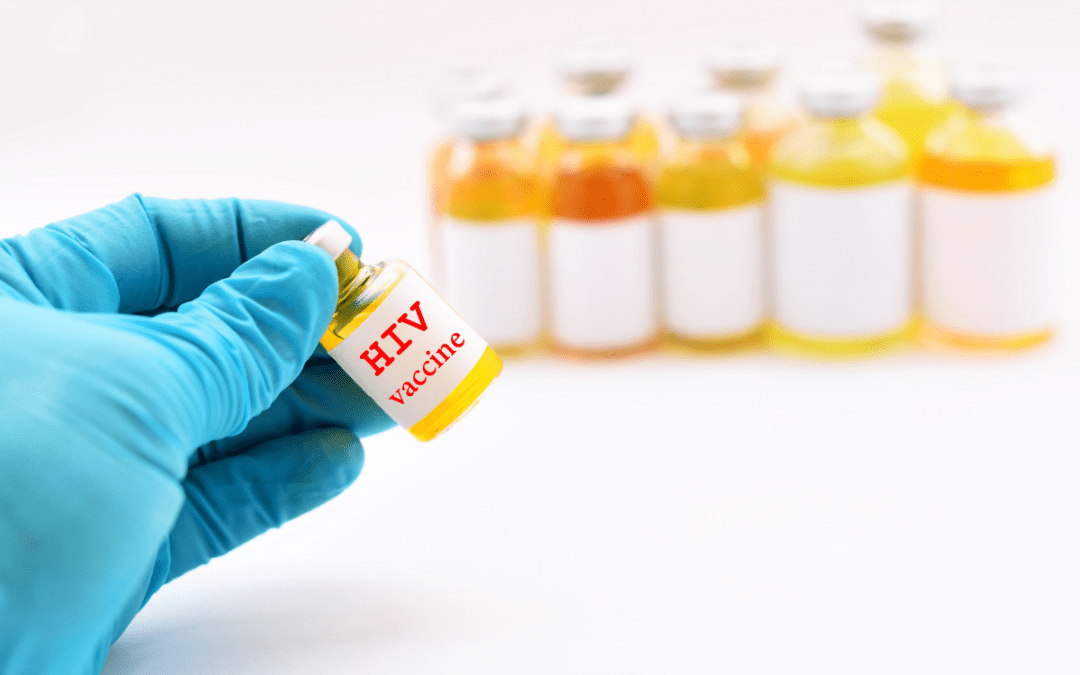
In August 2024 researchers at Weill Cornell Medicine shared that their strategy to provide protection against HIV has shown promise in a study. The paper in Science Immunology (not open access) explores the potential of a multidose immunisation regimen in infant rhesus macaques. Six vaccinations, containing a modified surface protein, stimulated “initial steps of a potent immune response”. The authors hope that a childhood immunisation approach could provide protection before the risk of contracting HIV “dramatically increases in adolescence”.
HIV in adolescents
HIV “predominantly” infects CD4 T cells, putting individuals at risk of “opportunistic diseases”. Infection can be fatal without lifelong treatment. UNICEF data reveal that adolescents and young people are a “growing share” of people living with HIV. Indeed, in 2023, 140,000 adolescents between the ages of 15 and 19 were newly infected with HIV. If this trend continues, UNICEF estimates that there will be around 183,000 new HIV infections among adolescents in 2030.
Risk factors and immunity
Dr Sallie Permar, Nancy C. Paduano Professor in Paediatrics and Chair of the Department of Paediatrics at Weill Cornell Medicine highlights the logic of immunising children, rather than adults. Not only do risk factors for HIV infection rise “steeply” as adolescents become sexually active, but evidence shows that infants and children are able to mount more effective immune responses to the virus than adults.
“One of the advancements we’ve made is to demonstrate that an HIV vaccine could be delivered on a schedule similar to routine vaccines already given to babies and children.”
An experimental vaccine
Vaccine research is looking for ways to stimulate broadly neutralising antibodies before exposure to the virus. In the latest study, the researchers used an experimental vaccine that had been developed from spike proteins on the envelope of HIV particles. Dr John Moore, professor of microbiology and immunology, and Dr Rogier Sanders, adjunct associate professor of research in microbiology and immunology, set out to “improve” the vaccine by altering the viral protein. The changes targeted a specific set of antibody-producing B cells, which provide protection for CD4 T cells. First author Dr Ashley Nelson, assistant professor of immunology research in paediatrics, commented on the importance of engaging the “right set” of B cells to generate a broadly protective response.
“We discovered that introducing certain mutations into the envelope protein could accomplish that in the setting of a naïve immune system.”
The study
The team administered the modified vaccine to five infant rhesus macaques in three priming doses; the first was administered less than a week after birth. This was followed by three doses of the vaccine matching the original HIV envelope protein. The final dose was given when the animals reached 78 weeks old; this is “roughly” equivalent to four or five years old in humans. Five animals also received all six doses of the original envelope protein vaccine as a control.
Three of the five animals who received the modified vaccine developed antibodies that “appeared to be precursors” to the broadly neutralising response. Investigations revealed that these antibodies attacked the site that the virus uses to invade CD4 T cells. However, they were not “fully effective against the same breadth of HIV strains” as “mature” broadly neutralising antibodies. One animal showed signs of developing this mature response.
Dr Nelson recognised that, although exposure to the modified protein “got the immune response started off in the right direction”, the “full potential” was achieved with booster shots containing the original version.
“We still need to identify the right combination of viral proteins to get us further down that path, starting from the earliest stages in life when multi-dose vaccines are commonly given.”
For more on innovative vaccine strategies and the latest vaccine developments at the Congress in Barcelona this October get your tickets here, and don’t forget to subscribe to our weekly newsletters here.
by Charlotte Kilpatrick | Aug 8, 2024 | Therapeutic |
In August 2024 a paper in Disease Models and Mechanisms presents research that uncovers the earliest cellular mechanisms involved in tumour clearance induced by the Bacillus Calmette-Guérin (BCG) vaccine. Initially developed for use against tuberculosis (TB), the BCG vaccine is the “oldest cancer immunotherapeutic agent in use”. However, little is understood about its initial mechanisms of action. Thus, the authors developed an in vivo assay to visualise the interactions between bladder cancer cells, BCG, and innate immunity in real time and at single-cell resolution.
BCG
BCG has been used as a cancer immunotherapeutic agent for years and is the “most effective treatment to avoid disease relapse” in bladder cancer. Intermediate or high-risk non-muscle-invasive bladder cancer (NMIBC) tumours are treated with intravesical BCG immunotherapy around 2 weeks after transurethral resection. The therapy involves 6 weekly instillations, followed by maintenance therapy of 1 to 3 years. However, this approach has a high rate of adverse effects, the supply chain has worldwide shortages, and some patients are resistant to treatment.
The authors highlight that the mechanisms through which BCG induces anti-tumour activity are “not fully understood” and that BCG therapy has remained “mostly unchanged”. Previous research proposed a multi-step model:
- In steps 1 and 2 BCG binds to and invades the bladder lumen, interacting with the urothelium and tissue-resident macrophages.
- In step 3 BCG is internalised by immune cells and induces an innate immune response that triggers a strong local induction of pro-inflammatory cytokines and chemokines. This stimulates the recruitment of immune cells. Macrophages and other antigen-presenting cells present BCG antigens to T lymphocytes through the major histocompatibility complex class II and trigger an adaptive immune response.
- In step 4 therapy is considered successful if the induction of the adaptive immune response is biased towards Th1 cells. The recruitment of these immune cells leads to the development of granulomatous lesions in the bladder wall.
The zebrafish model
Assessing treatment response in patients is challenging, so animal models of bladder cancer have been used, such as mice. Although mice are considered the “gold-standard xenograft model” for their “highly conserved genetic likeness with humans”, the model has disadvantages. An alternative is the zebrafish; similarities in molecular pathways and drug responses between zebrafish and humans and the “ease in genetic manipulation” allow for “robust” cancer models.
“In zebrafish cancer xenografts, where human tumour cells are injected into zebrafish embryos or adults, cancer features such as proliferation, angiogenesis, metastasis, and interactions in the tumour microenvironment (TME) can be rapidly visualised in real time and at the single-cell level due to the optical transparency of the model.”
Research in zebrafish xenografts “facilitates the rapid identification of novel cancer mechanisms that can be targeted by specific therapeutic approaches”. Additionally, the zebrafish model has supported human tuberculosis research.
The study
The researchers used real-time single-cell-resolution microscopy to demonstrate in vivo in a bladder cancer zebrafish xenograft that BCG immunotherapy “induced cancer cell apoptosis and clearance of tumours through macrophages and TNF signalling”. BCG stimulated a “massive recruitment of macrophages” that were polarised towards a Tnfa-positive pro-inflammatory phenotype.
High-resolution live microscopy revealed that the presence of BCG in the TME induced “profound changes” in macrophage morphology and cell-cell interactions. Without innate immune cells, tumour clearance was “halted”, which demonstrates their importance to BCG’s anti-tumour effects. The authors also demonstrated the utility of their xenografts in a preclinical setting, testing the efficacy of a newly genetically modified BCG vaccine against the conventional BCG vaccine.
Dr Mayra Martínez-López, first author, suggests that BCG immunotherapy is “still rather empirically used”. It is a “very effective immunotherapy” even in comparison with “so many fancy immunotherapies that are being developed”.
“Not only did we unravel the mechanisms involved in the first steps of the vaccine’s anti-tumoral action, we also demonstrated that the zebrafish Avatar model is a powerful preclinical tool for drug discovery in oncology.”
To join discussions about innovative immunotherapies and cancer vaccine strategies, get your tickets to the Congress in Barcelona this October. Don’t forget to subscribe to our weekly newsletters here.
by Charlotte Kilpatrick | Jul 16, 2024 | Technology |
Researchers at the Hackensack Meridian Centre for Discovery and Innovation (CDI) shared in July 2024 that their paper in Cell Reports presents the identification of an “unconventional” immune response with positive implications for tuberculosis (TB) vaccine development. The authors suggest that, while understanding the role of B cells is “crucial” for TB vaccine development, the changes in B cell immune landscapes during TB remain “incompletely explored”. They used high-dimensional flow cytometry to “map” the immune landscape in response to Mycobacterium tuberculosis (Mtb) infection, concluding that targeting the regulatory function of B cells could be a valuable strategy for TB vaccine development.
TB vaccine challenges
Tuberculosis, caused by infection with Mycobacterium tuberculosis (Mtb), remains a “severe public health threat worldwide”, resulting in 1.6 million deaths a year. A key challenge in controlling the disease is the “lack of reliable vaccines”; the BCG vaccine has “varying efficacy” but the development of an alternative is “hampered by an incomplete understanding of the immune correlates for protection”.
Recent research has “predominantly” addressed T cells in Mtb infection, leaving B cells “not fully understood”. Thus, the authors hope to elucidate their role in immunity and protection and provide “valuable insights” for TB vaccine development. The role of B cells in Mtb infection is unclear, with studies suggesting it ranges from protective to neutral to detrimental.
B cells
B cells can provide a “broad defence spectrum against infections” with heterogeneous subsets displaying “distinct functional characteristics”. These subsets are divided into “conventional and unconventional” B cells based on functional characteristics and immunophenotypes:
- Conventional B cells, also known as follicular B (FoB) cells, represent the “major” B cell subset of around 80% of B cells. They are a “critical component” for adaptive immunity, reacting to infections with “high-affinity antibodies”.
- Unconventional B cells, including marginal one B (MZB) cells, B1 B cells, MZB cell precursors (MZPs), and age-associated B cells (ABCs), are components of innate immunity, responding to infections faster than FoB cells with “low-affinity antibodies”.
B cells “dynamically” change their subset compositions in response to TB, with MZB cell frequency increasing in the blood of active TB patients and the frequency of atypical B cells with ABC phenotype increasing in the blood of both active and latent TB patients.
“Notably, the successful treatment of TB has been found to reverse the alterations in B cell subset compositions. These observations suggest that B cells change their immune landscape in response to the varying status of Mtb infection.”
The study
To “comprehensively” investigate the detailed immune landscape of B cells, the authors used high-dimensional flow cytometry to analyse B cell subsets in infected organs of mouse models. They then depleted the specific B cell subset in mouse models to examine their functional implications on Mtb infection, finding that, in response to infection in the lungs and spleen, B cells “shifted” their immune landscape to favour MZB cells. This contributes to systemic protection by shaping cytokine patterns and cell-mediated immunity.
An important feature of the research is that MZB cells “continuously expanded” throughout Mtb infection, which implies their engagement in both early and chronic phases of TB. MZB cells presented an “activated and memory-like phenotype”, emphasising their “functional distinction” from conventional B cells. The expansion of MZB cells increased the pool of multiple-cytokine-producing B cells to shape systemic cytokine patterns. This means that the accumulation of MZB cells “not only changed the composition B cells throughout the infection but altered the effector functions of B cells”.
Pulmonary and splenic MZB cells exhibited “similar” immunophenotypes and RNA signatures but differed from conventional B cells. Pulmonary MZB cells “might perform functions analogous” to splenic MZB cells. MZB cells are “typically” found in the spleen of healthy mice but have been observed outside the spleen during disease progression or ageing, and the results confirmed the presence of B cells exhibiting the MZB phenotype and RNA signature outside the spleen during infection. However, the origins of the pulmonary MZB cells “remain uncertain”.
As a low frequency of MZB cells was detected in the blood of infected mice, the authors suggest that pulmonary MZB cells were unlikely to have disseminated from the spleen through the bloodstream. Instead, they consider that pulmonary MZB cells could be derived from local FoB cells, with B cell follicles in the infected lungs providing a “suitable environment” for the differentiation. FoB cells have been shown to differentiate into MZPs and then MZB cells with “appropriate stimulation”. Therefore, in response to Mtb infection, pulmonary FoB cells could acquire the MZB phenotype at both protein and RNA levels to “adopt the functions” of splenic MZB cells.
MZB cells during infection
During Mtb infection, MZB cells “displayed a distinct functional profile” in comparison with conventional B cells, exhibiting an “activated and memory-like phenotype”. They expressed higher levels of CD86 and CD80 than conventional B cells, possibly “empowering” them to regulate T and NK cells through interactions with CD28 family receptors. This is a “crucial” mechanism for TB control.
Although MZB cells are usually categorised as innate-like cells, the study suggests that memory-like B cells mainly accumulated in the MZB subset during infection. Additionally, with the “abundant” expression of CD69 on pulmonary MZB cells, they may have served as lung-resident memory B cells, contributing to long-term protection against Mtb infection.
The MZB cells protected against TB through a cytokine pattern that created an anti-TB environment. This is an “unorthodox regulatory function” that differs from conventional B cells. Indeed, the depletion of splenic MZB cells led to an increased Mtb burden and a cytokine pattern that “promoted” TB progression. Polyfunctional CD4 T cells play an “essential role” in controlling TB, and MZB cells reflected these characteristics to produce both TNF- α and IL-2 as well as CXCl1, CCL5, and GM-CSF.
“At the early stage of infection, MZB cells could provide multiple cytokines to serve as an innate defence mechanism, even before the onset of adaptive immunity, like polyfunctional T cells. With the progression of the infection, multiple-cytokine-producing MZB cells continued to expand, maintaining an anti-TB environment throughout the infection.”
Furthermore, MZB cells regulated the dynamics of other cytokine-producing cells through their capacities for multiple cytokine production and co-stimulatory ligand expression. They play a “key role” in executing the regulatory function to provide protection against TB.
“Our results indicate that B cells skew their immune landscape toward MZB cells to execute regulatory functions against TB, emphasising the importance of antibody-independent mechanisms of B cells for controlling infectious diseases, a previously neglected mechanism.”
The researchers hope that the insight they provide will “offer a promising avenue” for TB vaccine development.
“Enhancing MZB cell responses during BCG vaccination may improve vaccine efficacy by using their regulatory functions to shape optimal immune responses. Furthermore, activated and memory-like MZB cells may serve as tissue-resident memory B cells to provide long-term protection.”
For more on the latest research to optimise vaccine development, why not join us at the Congress in Barcelona this October, or subscribe to our weekly newsletters here?
by Charlotte Kilpatrick | Jun 14, 2024 | Technology |
In June 2024 CyanVac announced that it has received a funding award under Project NextGen to support a Phase IIb study of CVXGA, the company’s PIV5-based vaccine candidate for protection against COVID-19. This is one of the first awards made through the Rapid Response Partnership Vehicle. The Phase IIb study of the intranasal vaccine will be conducted within BARDA’s clinical studies network.
The technology
CyanVac’s proprietary vaccines are based on parainfluenza virus 5 (PIV5). The company reports successful induction of three forms of immunity in preclinical studies:
- Cellular immunity – the vaccines “regularly” generate “robust” cytotoxic T-cell responses.
- Humoral immunity – the vaccines produce a “strong” antibody response with a single dose.
- Mucosal immunity – intranasal vaccines are introduced through the nasal mucosa, generating mucosal immunity.
“PIV5 is a respiratory virus, so our vaccines are “born intranasal”. Delivered as a spray in the nose, without injections, our vaccines will facilitate broad delivery not only to paediatric and other needle-hesitant populations, but also in parts of the world where healthcare professionals are scarce.”
The award
Through the award, CyanVac will sponsor a 10,000 participant, randomised, double-blinded study to compare the efficacy, safety, and immunogenicity of the vaccine candidate to a US FDA-approved mRNA-based COVID-19 vaccine. The study will evaluate the vaccine among participants at higher risk of severe disease and will evaluate CVXGA’s efficacy in preventing both severe COVID-19 infections and asymptomatic infections. It is expected to start in the autumn of 2024.
Dr Biao He, founder and CEO of CyanVac, looks forward to “building on our very promising Phase I and preliminary Phase IIa clinical trial results” through the award.
“PIV5 is a novel intranasal vaccine vector that has been shown to replicate safely in humans in clinical trials and stimulates all three pillars of immunity – cellular, mucosal, and humoral – with minimal uncomfortable side effects.”
Dr He hopes to “demonstrate the capabilities” of the platform and “benefit the development of PIV5-based vaccines for other emerging infectious diseases”.
“We are excited to work with BARDA on this large-scale trial and are grateful for their support.”
Dr Henry Radziewicz, Chief Medical Officer at CyanVac, identifies a “need for vaccines that can also block transmission of a pathogen to other people”.
“Our intranasal vaccine is delivered to mucosal surfaces, a key focus area for Project NextGen by BARDA because such vaccines have the potential to reduce the spread of disease.”
For more on innovative technologies to support infectious disease control, why not join us at the Congress in Barcelona this October or subscribe to our weekly newsletters here?
by Charlotte Kilpatrick | Jun 12, 2024 | Global Health |
A study in Annals of Internal Medicine in June 2024 suggests that short-term systemic side effects of SARS-CoV-2 mRNA vaccination “are associated with greater long-lasting [neutralising antibody] responses”. The paper, from researchers at University of California San Francisco (UCSF), uses symptom reports and antibody responses from 363 people who had the Pfizer-BioNTech or Moderna mRNA vaccines when they were introduced. UCSF states that “fewer than 1 in 4 people in the US” have taken last year’s updated COVID-19 vaccine; it is suggested that “one of the most common reasons for bypassing the COVID vaccine is concern about side effects”.
The authors suggest that vaccine protection against SARS-CoV-2 wanes “considerably” and uptake of boosters has been “low”. The most commonly reported reasons for not having a booster among people who received at least 1 dose of a COVID-19 vaccine were a “perception of low added benefit in protection from illness” and “worry about side effects”. However, recent evidence indicates that greater systemic symptoms after SARS-CoV-2 vaccination “may reflect a more potent immune response”.
“A deeper understanding of this relationship may help to address low rates of vaccine uptake. Specifically, public health messaging might aid uptake by reframing short-term postvaccination symptoms as positive indications that the vaccine is likely to be working rather than as undesirable side effects.”
Previous research has linked SARS-CoV-2 vaccine reactogenicity to a “higher subsequent anti-spike immunoglobulin level”, but only a few studies have measured neutralising antibodies (nABs).
“Quantifying functional antibody activity (that is, nAB) is important because, although they are correlated, the effects of SARS-CoV-2 vaccines on nAB and absolute anti-spike immunoglobulin G (IgG) are dissociable, and nABs specifically seem critical in coferring protection from COVID-19.”
The study
The researchers state that they used “convergent self-reported symptom and objective biometric measurements to identify predictors of subsequent serum nAB concentration” at 1 and 6 months after vaccination in a cohort of adults who had received an initial 2-dose series of BNT126b2 or mRNA-1273. The self-reported variables included the presence or absence of 13 individual symptoms and total systemic count; biometric variables included measures of vaccination-induced change in skin temperature (ST), heart rate (HR), heart rate variability (HRV), and respiratory rate (RR).
The results suggest “no statistically significant associations” between the presence or absence of any symptom at dose 1 and subsequent nABs. For dose 2, nABs were higher for participants reporting versus not reporting the following symptoms:
- Chills
- Feeling unwell
- Tiredness
- Headache
These people had “1.4 to 1.6 times the nAB level of people who did not report each symptom, at 1 month and 6 months later”. Furthermore, each additional symptom experienced after dose 2 “predicted a 1.1-fold increase in subsequent nABs”. Thus, participants who reported 7 total symptoms subsequently had “roughly double” the nAB level of participants reporting 0 symptoms. From the objective biometric data, it emerges that “greater vaccination-induced change in ST and HR, specifically at dose 2, predicts greater nAB at both 1 month and 6 months later”. Indeed, effect sizes were “large”, with every 1 °C of vaccination-induced ST change associated with a “tripling” of the nAB level 6 months later.
The paper warns against “inferences about any given person’s level of nABs or protection from SARS-CoV-2 infection”. For example, while participants who reported tiredness had an average nAB level 1.5 times the level of those who didn’t report tiredness, not everyone who reported tiredness had higher nABs than every person without tiredness. Therefore, “tiredness should not be taken to mean something definitive about a given person’s nAB level”. Furthermore, although nAB level “has been shown to have a strong relative association with risk for COVID-19″, the authors highlight that the relationship with absolute risk “will be variable and dependent on base infection rates”.
This is emphasised by first author Dr Ethan Dutcher, postdoctoral researcher in the UCSF Department of Psychiatry and Behavioural Sciences and the Weill Institute for Neurosciences.
“Generally, we found that the higher the number of side effects, the higher the level of antibodies. But this wasn’t a hard rule: some people without side effects had better antibodies than some people with side effects.”
Co-senior author, Dr Elissa Epel, a vice chair in UCSF’s Department of Psychiatry and Behavioural Sciences, acknowledges that “the toll of COVID is still high for some – sickness, lost work, lasting fatigue, and the dreaded long COVID”.
“While the symptoms from vaccination can be very unpleasant, it’s important to remember that they don’t come close to the disease’s potential complications.”
Co-senior author Dr Aric Prather, professor in the UCSF Department of Psychiatry and Behavioural Sciences, says that “with COVID-19 vaccines likely here to stay, identifying what predicts a strong antibody response will remain important”.
For more on how we can understand and improve COVID-19 vaccination strategies, why not join us at the Congress in Barcelona this October, or subscribe to our weekly newsletters here?
by Charlotte Kilpatrick | Jun 6, 2024 | Technology |
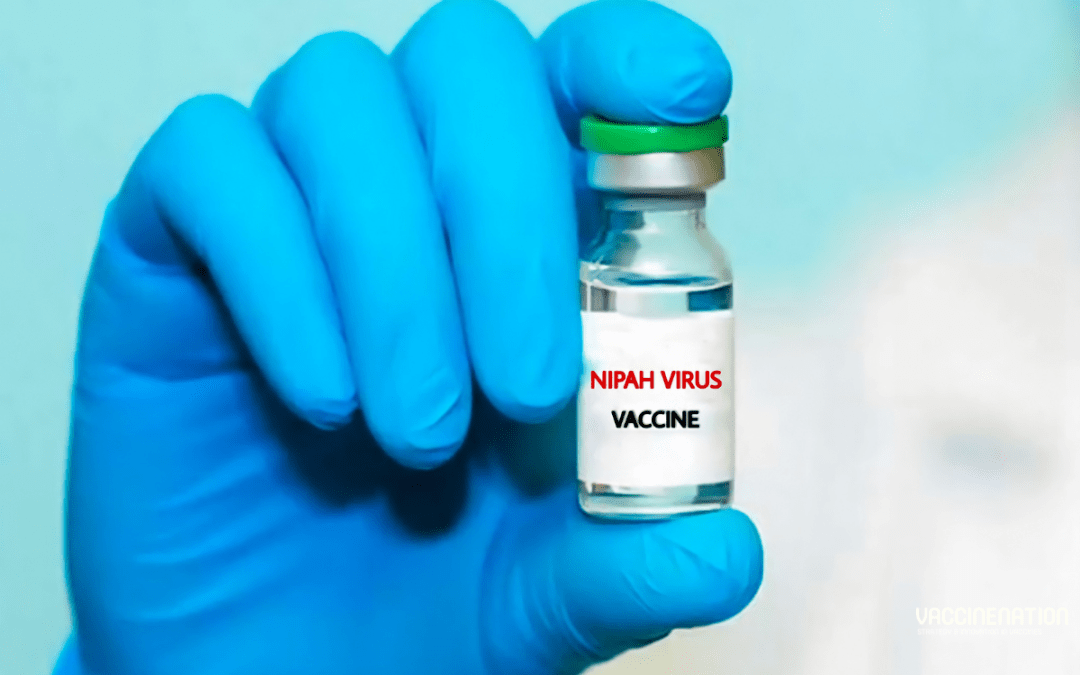
A study shared as a The Lancet preprint in May 2024 presents the results of an evaluation of a potential Nipah virus (NiV) vaccine. The recombinant subunit vaccine uses a soluble version of the Hendra virus (HeV) attachment G glycoprotein (HeV-sG-V) due to similarities with NiV. In a Phase I study in adults, researchers found that the vaccine candidate was safe and immunogenic, with “potential for reactive outbreak control and preventative use”.
Nipah
Nipah virus (NiV) was first isolated in 1999 after an outbreak in pigs and humans in Malaysia and Singapore. It is “closely related” to Hendra virus (Hev), another “highly pathogenic” paramyxovirus of the Henipavirus genus. NiV’s natural reservoir is the fruit bat, and human infections can occur after consumption of fruit or date sap contaminated with bat saliva or urine. Cases of human-to-human transmission have also been reported. Although the estimated transmission rate for NiV is “low”, infection is associated with mortality rates of 40%-70%.
Two strains have been identified: NiV Bangladesh (NiVB) and NiV Malaysia (NiVM). Studies have indicated that the former is more pathogenic.
“The potential for large outbreaks and the high mortality, along with no effective treatment options, has motivated development of an effective vaccine against NiV infection.”
This would be particularly useful to protect medical personnel and close contacts of cases in an outbreak, as well as “military and civilian personnel threatened by weaponised versions of the viruses”. Furthermore, a vaccine that provides long-lasting immunity would be “valuable” to those living in endemic areas or working on NiV or HeV research.
The study
The article presents the first-in-human Phase I evaluation of the safety, tolerability, and immunogenicity of an HeV-sG-based vaccine candidate (HeV-sG-V), developed for the protection of humans against NiV. The investigation was a single-centre, randomised, placebo-controlled, observer-blind study conducted in the US. 192 participants were enrolled and 173 met per-protocol criteria. They were randomised in three dose-escalation cohorts of 10mcg, 30mcg, or 100mcg, and placebo.
“All doses and regimens were found to be safe and tolerable.”
The most commonly reported adverse event was “mild to moderate injection site pain”, and adverse event frequency increased as the vaccine dose increased. However, the authors not that this was “transient, and, at most, of moderate severity”. Although fatigue and headache were reported, myalgia and “feverishness” were “unusual”.
“All dosages of HeV-sG-V were found to be immunogenic, with a clear dose-dependent immunological response when the 100mcg dosage was compared to the 30mcg administered in similar schedules.”
Compared to the single-dose regimen of 100mcg, two-dose schedules “resulted in a strong anti-NiV immune response”. When administered 7 days apart, the two-dose regimen led to a “steeper rise in antibodies”, but two 100mcg administrations 28 days apart “elicited a higher immunological response”. Persistence of a “robust” immunological response and a strong anamnestic response from the two-dose 10mcg regimen delivered 6 months apart indicated that a boost response could be expected.
As WHO recommends that a NiV vaccine should be indicated for all age groups and populations at high risk, the authors suggest a need for additional studies to expand the indication for the vaccine. These studies should take place in “larger and broader populations” in countries “regularly affected” by NiV outbreaks.
For more on infectious disease control through innovative vaccine strategies, why not join us at the Congress in Barcelona this October or subscribe to our weekly newsletters here?
by Charlotte Kilpatrick | May 29, 2024 | Technology |
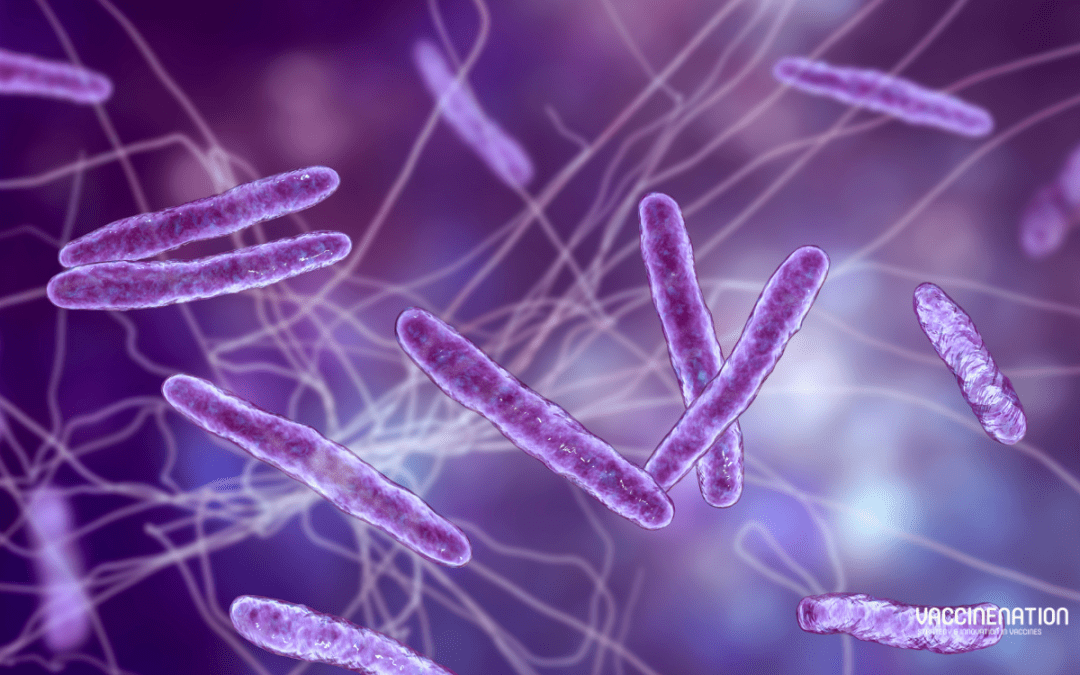
In May 2024, ILiAD Biotechnologies reported positive topline interim results for BPZE1 in the Stand Up to Pertussis (SUPER) trial. The school-age trial involves 366 participants in the UK, Australia, and Costa Rica; it is the first multi-centre, placebo-controlled, randomised study of BPZE1 in healthy children aged 6-17. It is assessing the immunological response and safety of a single intranasal dose of BPZE1 both with and without coadministration of tetanus, diphtheria, and acellular pertussis.
BPZE1 in trial
BPZE1 is a “technologically advanced” pertussis vaccine containing genetic modifications to “eliminate, attenuate, or inactivate” three different B. pertussis toxins:
- Inactivated pertussis toxin
- Deleted dermonecrotic toxin
- Marked reduction in tracheal cytotoxin
The primary immunogenicity objective of the trial is to demonstrate induction of broad pertussis mucosal secretory immunoglobulin A (S-IgA) immunity 29 days after vaccination with the candidate alone or when administered with Tdap. A “key” secondary objective is to demonstrate non-interference of serum immunoglobulin G (IgG) responses against Tdap-containing antigens at Day 29 after coadministration.
Findings
Children who were intranasally vaccinated with BPZE1 alone and in combination with intramuscular administration of Tdap had 3.8-fold and 3.4-fold increases from baseline levels of S-IgA against whole cell B. pertussis extract. This compares with children vaccinated with Tdap alone, who had “minimal increase” (1.2-fold from baseline).
BPZE1 also induced “broad systemic immunological antibody responses” when delivered alone. In combination with Tdap, it induced systemic IgG responses “equal to or greater than responses induced by Tdap alone”. Furthermore, coadministration with Tdap “did not interfere” with induction of tetanus or diphtheria antibody responses, and “minimal reactogenicity” was observed across all groups.
An effective vaccine
Dr Keith Rubin, Cheif Executive Officer and Founder of ILiAD, stated that BPZE1 has “once again” demonstrated “its unique ability to safely induce potent mucosal and systemic immunity”.
“We now have substantial evidence that the same can be said of BPZE1’s ability to safely induce potent immune responses against B. pertussis in children. This immunity and potential ability to prevent transmission may one day protect not only school-age children around the world, but also their vulnerable contacts, particularly infants.”
Dr Rubin suggested that the trial “also provides evidence” that the vaccine could be “flexibly integrated” into current vaccination schedules, thanking “everyone who contributed to this study”. Dr Stephanie Noviello is ILiAD’s Chief Medical Officer, and highlights that “school-age children are a segment of the population who have experienced an escalating rate” of disease and become a “vector for transmission to vulnerable infants”.
“We need a vaccine that can effectively stop the spread of pertussis.”
For more on strategies to manage infectious disease and the vaccine technology to do so, why not join us at the Congress in Barcelona or subscribe to our weekly newsletter here?
by Charlotte Kilpatrick | Apr 11, 2024 | Global Health |
In response to the “aging of the global population” and growing risks from various diseases, authors for npj vaccines consider the challenges and opportunities associated with vaccinating elderly individuals. To allow a greater understanding of the role of immunosenescence in vaccine efficacy, they characterise immunosenescence at cellular and molecular levels. They also summarise strategies to “improve vaccination potency in elderly individuals”. When considering the importance of, and difficulties with, adult immunisations at the Congress in Washington, some of our speakers touched on the issues explored here, and protecting aging communities is a key consideration for many in our community.
Aging: a process as old as time
“Aging is a common, inevitable, and complex process in nature.”
While the authors acknowledge that aging is a natural process, they identify a “worldwide concern” in the aging global population; by 2050 the global population over 60 is expected to increase to 2.1 billion. The medical challenges that aging presents are associated with a “decline in physiological function and progress immune system degradation”.
“The public health service and healthcare systems are facing severe challenges caused by aging.”
A modern success story
“Vaccination is one of the most important successes of modern medicine and is a powerful weapon for preventing and treating fatal infectious diseases.”
The authors state that vaccines have, over decades, saved “hundreds of millions of lives”, and a collective awareness of the importance of vaccines in “controlling disease outbreaks and protecting older people” is growing. Current recommendations for individuals over 65 years include influenza, herpes zoster, RSV, and diphtheria.
However, vaccination efficiency can be “reduced” due to immunosenescence. This is exemplified in the age-related capacity of influenza vaccines to induce immune protection: efficacy ranges from 70% to 90% in young people but decreases to 30% to 50% in people over 65 years.
“Immunosenescence is a complex process that involves organ reorganisation and numerous regulatory processes at the cellular level. The decline in the amount and function of immune cells results in impaired immune responses.”
As elderly people face increased risks of infection and are the “most challenging to protect by vaccination”, the authors identify a need for research and development of adjuvants and vaccine systems to offer “high-efficacy immune protection for elderly individuals”. Thus, they emphasise the importance of “extensive knowledge” of immunosenescence, its relation to vaccination, and its immunological mechanisms to “provide scientific insights to optimise vaccines for elderly individuals.” In the article they analyse alterations “mediated by immunosenescence at the cellular and molecular levels” and review “emerging strategies” to “boost the potency of vaccines in elderly individuals”.
How does immunosenescence affect immunity?
The authors state that “immunological and molecular signatures” of older people are different to younger people. For example, a study on immune responses to an influenza vaccine found that those who didn’t respond to the vaccine “presented with multiple states of immune inhibition”.
“In general, the number and function of naïve B and T cells in older individuals are reduced, resulting in weakened immunity to neoantigens.”
Furthermore, while aging immune cells can generate “a sufficient primary antibody response”, they often do so “at a slower rate and with a lower ability to neutralise pathogens”. CD4+ and CD8+ T cell responses are “also diminished”.
Immunosenescence is also accompanied by “the development of a chronic and systemic sterile inflammatory environment called inflammaging”. The levels of factors such as C-reactive protein and other proinflammatory cytokines are “higher” in older adults. The acute inflammatory reaction is “essential” to trigger immunity against invasive pathogens, but reduces for a period after initial inflammation to avoid “continuous tissue damage” and to “restore tissue homeostasis”.
“Chronic inflammation negatively impacts immunity because increases in the inflammatory response reduce the effectiveness of vaccines.”
Chronic inflammation is attributed to “multiple mechanisms”, and the decrease in efferocytosis and cthe clearance of apoptotic neutrophils during the regression phase of inflammation weakens an older individual’s ability to resolve inflammation.
The authors identify important advances in research on signaling pathways and molecular mechanisms to influence senescence. Molecular hallmarks of aging have been proposed, such as genomic instability, telomere attrition, epigenetic alterations, and mitochondrial dysfunction. They suggest that compromised autophagy, the loss of proteostasis, and telomere attrition could affect the immune responses induced by vaccines.
What can vaccine developers do?
“Although the vaccine-induced immunity of elderly individuals is significantly reduced, some strategies are still available to enhance protective immunity. Understanding what strategies already exist in this field is imperative for the development of other high-efficacy vaccines for elderly individuals.”
Strategies include:
- High-dose vaccines – an increased antigen dose could increase immunogenicity and induce long-lasting T cell and B cell responses.
- Multivalent vaccines – an “excellent choice”, having proven effective in practice, but studies should focus on evaluating if they can induce more neutralising antibodies and cross-neutralisation against other viral variants.
- Adjuvanted vaccines – adding appropriate adjuvants can decrease the required antigen dosage, reduce the number of vaccinations needed, and broaden immune protection; useful adjuvants should “facilitate innate and adaptive immunity and produce long-lasting protective memory” as well as “strike a balance between reduced inflammation and the low inflammatory state”.
- Inhibiting chronic inflammation – regulating baseline inflammation before vaccination could elicit immune responses.
- Inhibiting immunosenescence – this could be a “critical measure” to improve immune responses, presenting an “attractive direction for future research”.
The paper concludes that there is an “urgent” need to create strategies to improve vaccination-mediated protection for the aging population. The current approaches, the authors suggest, are primarily aimed at “optimising the vaccine delivery system” instead of tackling immunosenescence.
“Inhibiting the immunosenescence of elderly individuals can evoke strong and long-lasting immune protection, which serves as a critical measure to improve vaccine-induced immunity.”
Although this inhibition would likely require continuous intervention and would be complicated, the authors believe sustained-release vaccination/adjuvants or booster immunisations “may sustainably ameliorate immunosenescence”. Following this, the immune efficacy of elderly people against various antigens “can be improved”. Alongside methods to improve vaccine efficiency, there can be efforts to alter the route of administration. For example, mucosal routes may be “promising”.
What do you think of the issues and approaches explored in the article, and how does immunosenescence inform your work? For more on the latest reviews and releases don’t forget to subscribe to our weekly newsletters here!
by Charlotte Kilpatrick | Mar 21, 2024 | Infection |
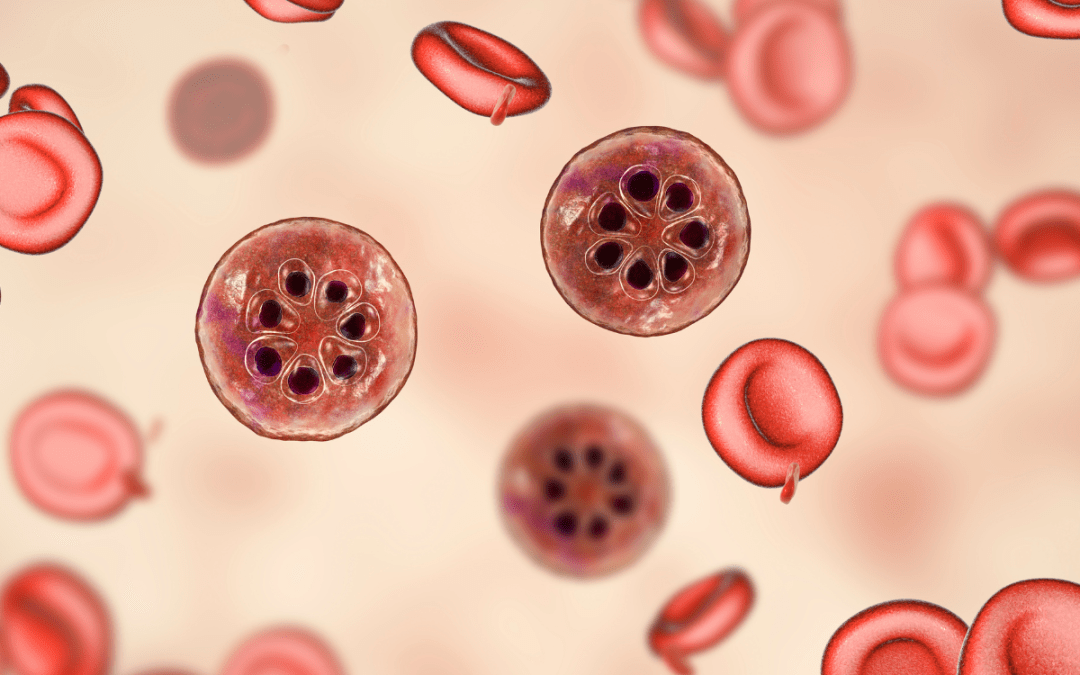
In March 2024 the University of Oxford announced a partnership with the University of Edinburgh to examine the immune system’s response to “repeated” malaria infections. The BIO-004 study is a collaboration between the Department of Biochemistry and Oxford Vaccine Group from Oxford and the University of Edinburgh’s Institute of Immunology and Infection Research and will offer a “unique insight” into how the immune system “adapts” after a few malaria infections to tolerate the parasites and develop natural immunity to severe illness.
BIO-004
The trial, hosted by the Oxford Vaccine Group, will infect adult volunteers who have never had malaria three times in “carefully monitored conditions”. Serial “malaria challenges” will be conducted over a 20-month period, allowing researchers to compare the immune response to all three infections. Although over 600 people have previously participated in malaria challenge studies in Oxford, this is the “word first” use of repeated malaria challenges to study the human immune system in “such close detail”.
Dr Angela Minassian is Chief Investigator for the trial and commented that malaria is a disease “caused by a parasite infection that is spread by mosquitoes”. While it causes “hundreds of thousands of deaths every year”, Dr Minassian reflected that 75% of these occur in children under the age of 5 years.
“Current efforts to control the disease are focused on stopping mosquitoes from biting, either by spraying insecticides or sleeping under bed nets, and by reducing the number of parasites in the blood, using drugs or the recently licensed malaria vaccines, RTS,S and R21. However, these measures are only partially effective.”
Dr Minassian suggests that the first malaria infection in life is “the most dangerous” with the immune system learning to adapt to the parasite over repeat infections. However, the mechanism by which this occurs is “unknown”.
“BIO-004 is an experimental medicine study funded by the UKRI-MRI which aims to answer this question and help inform strategies to protect young children in endemic countries from severe disease and death due to malaria.”
Principal Scientific Investigator, Edinburgh’s Dr Phil Spence, commented that “children who survive their first malaria infection quickly develop immunity” against the most severe forms of disease, which often prevents severe infection in the future.
“We now understand that, during the first malaria infection, the immune system launches a full-scale attack which causes collateral damage to healthy tissues. Then, with subsequent infections, the immune system learns to rein in this damaging response and tolerate the presence of parasites in the bloodstream.”
Dr Spence hopes that the trial will “change” the fact that doctors “do not currently know the mechanisms that allow the immune system to do this”.
“Understanding how ‘tolerance’ to disease is induced and maintained in malaria will, for the first time, allow us to harness the power of this defence strategy to design new policies, medicines, or vaccines that combat severe malaria in children and ultimately save lives.”
We’re looking forward to hearing more from our experts on malaria elimination at the Congress in Washington this April, so do join us if this is of interest and don’t forget to subscribe to our newsletters here.
by Charlotte Kilpatrick | Mar 6, 2024 | Global Health |
A man who claims to have received more than 200 vaccinations against COVID-19 has been tested by researchers at Friedrich-Alexander-Universität Erlangen-Nürnberg (FAU) and Universitätsklinikum Erlangen with results published in The Lancet Infectious Diseases. After learning of his remarkable case through newspaper reports the team invited the man to participate in an investigation into the effects of “hypervaccination” on his immune system, finding that it is “fully functional”. However, the researchers emphasise that this strategy is not recommended.
An unusual case
The study reports on a 62-year-old male from Magdeburg, Germany, who “deliberately and for private reasons” received 217 vaccinations against SARS-CoV-2 within 29 months. These vaccinations occurred outside a clinical study context and “against national vaccination recommendations”.
Evidence for 130 vaccinations across a 9-month period was gathered by the public prosecutor in Magdeburg, who opened an investigation into allegations of fraud; however, criminal charges were not filed. 108 vaccinations are individually recorded and partly overlap with the total of 130 prosecutor-confirmed vaccinations.
Called for testing
The researchers were intrigued by reports of this case and submitted an analysis proposal to the man through the public prosecutor. The man “actively and voluntarily consented to provide medical information and donate blood and saliva”. Privatdozent Dr Kilian Schober commented that their volunteer was “very interested” in participating in the study to understand the consequences of such extreme hypervaccination.
Dr Schober explains that for some chronic infections like HIV or Hepatitis B, there is an “indication” that T-cells can “become fatigued” and release “fewer pro-inflammatory messenger substances”. Thus, the immune system is weakened and can’t attack the pathogen effectively.
The study used the results of “various blood tests” over recent years.
“He gave us his permission to assess the results of these analyses. In some cases, samples had been frozen, and we were able to investigate these ourselves. We were also able to take blood samples ourselves when the man received a further vaccination during the study at his own insistence. We were able to use these samples to determine exactly how the immune system reacts to the vaccination.”
The results indicate “large numbers of T-effector cells” against SARS-CoV-2, even more than the control group of participants who had received three vaccinations. Notably, the team did not identify fatigue in these cells; they were “similarly effective” as those in the control group. They also explored the memory T cells, finding that the number was “just as high in our test case as in the control group” according to Katharina Kocher, a lead author.
“Overall, we did not find any indication for a weaker immune response, rather the contrary.”
Alongside the investigations related to SARS-CoV-2, further tests revealed “no change” to the immune system’s effectiveness against other pathogens, suggesting that hypervaccination did not damage the immune system. Dr Schober was particularly intrigued by the variety of vaccines received: a total of eight different vaccines.
“The observations that no noticeable side effects were triggered in spite of this extraordinary hypervaccination indicates that the drugs have a good degree of tolerability.”
Not an endorsed approach
The paper concludes with a reflection that, while the hypervaccination appeared not to harm the man, instead preventing signs of breakthrough infections, the researchers “do not endorse hypervaccination as a strategy to enhance adaptive immunity”.
If you’re interested in this case and the study, why not discuss it with colleagues at the Congress in Washington this April? Get your tickets for the event here and don’t forget to subscribe to our newsletters here.