by Charlotte Kilpatrick | Sep 5, 2024 | Infection |
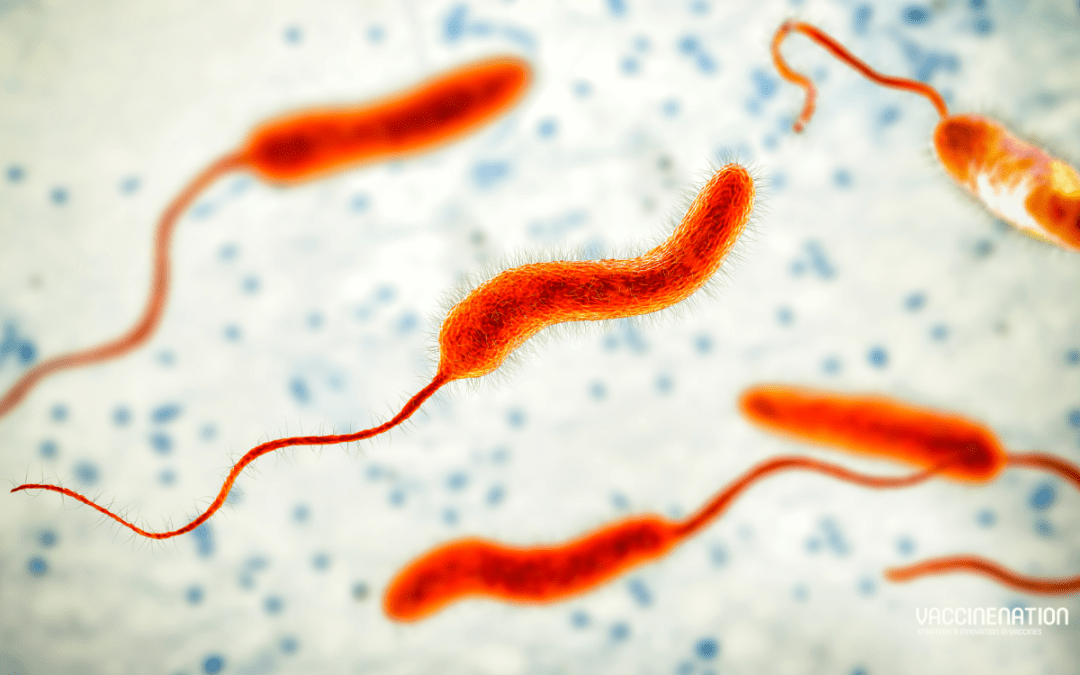
In September 2024 WHO published the global cholera statistics for 2023, revealing an increase in cases and deaths. The current global risk from cholera is described as “very high”; WHO is responding “with urgency” to reduce deaths and contain outbreaks. The increased demand for cholera countermeasures, including the oral cholera vaccines (OCV), has applied pressure to disease control efforts. However, WHO emphasises the importance of “safe drinking water, sanitation, and hygiene” as “the only long-term and sustainable solutions”.
Cases increase
103 countries shared cholera data with WHO in 2023, revealing that the 7th cholera pandemic “continued to surge”. 535,321 cases were reported to WHO from 45 countries, territories, and areas. This is an increase from 472,697 in 2022. The geographical pattern of outbreaks continued to evolve, with a 32% reduction in the number of cases reported in countries in the Middle East and Asia and a 125% increase in cases in Africa.
Very large outbreaks (>10,000 suspected and confirmed cases per country) were reported by 9 countries on 3 continents in 2023: Afghanistan, Bangladesh, the Democratic Republic of the Congo (DRC), Ethiopia, Haiti, Malawi, Mozambique, Somalia, and Zimbabwe. This is 2 more than in 2022 and “more than double” the number of very large outbreaks reported annually between 2019 and 2021. It is possible that increased case numbers are attributable to efforts to enhance cholera surveillance and reporting.
“Conflict, climate change, limited investment in development, and population displacement due to emerging and re-emerging risks all contributed to the rise in the number of cholera outbreaks.”
OCV stockpile
The International Coordinating Group (ICG) manages the oral cholera vaccine (OCV) emergency stockpile; in response to limited OCV availability the ICG made the “unprecedented decision” to temporarily suspend the standard 2-dose regimen in outbreak response campaigns in October 2022. This has been replaced with a single-dose approach, which has continued throughout 2023 and into 2024. It enables available vaccines to protect more people and facilitates more responses to cholera outbreaks.
Although evidence on the duration of protection is “limited”, the strategy has “proven effective” in outbreak responses. Despite low availability, a record 35 million doses were shipped last year. The last doses of Shancol were distributed in 2023 after the product was discontinued in 2022. The new simplified OCV, Euvichol-S, prequalified in early 2024, is expected to enter the global market later this year. This will increase the global stockpile. While investment into vaccine production continues, the supply constraint is expected to continue into 2025.
WHO states that it is continuing to support countries with “strengthened public health surveillance, case management, and prevention measures”. Since 2022, US$18 million has been released from the WHO Contingency Fund for Emergencies. Although WHO has appealed for US$50 million to respond to cholera outbreaks in 2024, the need “remains unmet”.
To contribute to vaccine strategy discussions about using available countermeasures to limit the effects of infectious disease outbreaks, get your tickets to the Congress in Barcelona now. Don’t forget to subscribe to our weekly newsletters here.
by Charlotte Kilpatrick | Sep 5, 2024 | Global Health |
In response to the mpox outbreak, declared a PHEIC by WHO and a PHECS by Africa CDC, the two organisations announced that they are co-leading a “coordinated, continent-wide response”. The Mpox Continental Preparedness and Response Plan for Africa describes “essential priorities” to control the current outbreak, focusing on ten pillars. The plan categorises Member States into four risk-based groups to ensure efforts and resource allocation are targeted. The estimated budget for September 2024 to February 2025, excluding the cost of vaccines, is US$599,153,498
Collective commitment
In the foreword by Africa CDC Director General Dr Jean Kaseya and WHO Africa Regional Director Dr Matshidiso Moeti, the declaration of mpox as a PHECS is described as a “bold move”. This was followed by WHO’s declaration, reflecting “alignment” and “collective commitment to raising awareness, mobilising resources, and galvanising action at all levels”. Drs Kaseya and Moeti state that current “battle” against mpox has been shaped by “hard-earned lessons” from the COVID-19 pandemic.
“The experience of COVID-19 exposed vulnerabilities in our health systems, showed Africa’s inequity and unfair treatment in terms of access to medical countermeasures, highlighted the urgent need for enhanced preparedness, and underscored the importance of swift, coordinated action in the face of emerging health threats.”
The “foundation” of the mpox response is built on lessons of “solidarity, resilience, and collaboration”.
4-ONE
A new approach is outlined: a “4-ONE APPROACH”:
- ONE coordination mechanism
- ONE continental response plan
- ONE budget
- ONE monitoring and evaluation mechanism
Africa CDC and WHO will lead efforts to implement the “unified approach” with global and continental stakeholders. The plan is a “roadmap” to facilitate a “coordinated, comprehensive, and evidence-based response” that puts the principles of “equity, inclusivity, and accountability” at the centre.
“As we move forward, we are guided by our strong commitment to protecting the health of all Africans, enhancing our collective resilience, and securing a healthier future for our continent. Together, we will overcome this challenge and build a stronger and resilient Africa.”
Mpox: then and now
Mpox was first described in the Democratic Republic of Congo (DRC) in 1970. It is a viral zoonotic illness that has caused “numerous outbreaks” since its identification. Although early outbreaks tended to be associated with zoonotic transmission from wildlife to humans, recent cases in urban settings have suggested changes in transmission dynamics.
“The emergence of zoonotic diseases is driven by complex ecological, climatic, political, economic, security, and social factors, some of which are becoming further exacerbated on the continent.”
However, the “warning signs” of local outbreaks are often “neglected” with “limited investigation, surveillance, diagnosis, and response”. Despite improvements in surveillance and reporting systems to enhance the understanding of mpox’s epidemiological patterns, “significant gaps” remain. Mpox virus has two variants: clade I and clade II. Clade I is geographically concentrated around the Central and Eastern Africa region and is considered “more virulent”; Clade II is found in Western Africa and other regions.
In the global outbreak of 2022-2023, the disease spread drew “renewed focus” on medical countermeasures. While many countries outside Africa were “quick to respond”, Africa faced “significant challenges in accessing these crucial tools”. Despite the high burden of mpox in several countries in Africa, access to vaccines and other medical countermeasures was inequitable.
“This lack of access was due to multiple factors, including limited global production capacity, unequal distribution agreements, and a lack of investment in public health infrastructure in Africa.”
Vaccines like JYNNEOS (MVA-BN) and ACAM2000 were widely authorised for emergency use but were “largely unavailable to African countries”. The authors of the plan attribute this to pre-existing contracts between manufacturers and high-income countries. Furthermore, logistical challenges exacerbated the disparity; “inadequate” cold chain storage facilities and distribution networks” created obstacles to the delivery of countermeasures.
“This inequity underscored the urgent need for Africa to develop self-reliance in manufacturing and distributing medical countermeasures to avoid similar scenarios.”
The current situation is concerning; reported cases are increasing in number across the continent. In comparison with 2022, there was a 79% increase in reported cases in 2023. By 3rd September 2024, confirmed cases have exceeded the number reported in 2023 by over 3,700. Furthermore, the recent outbreak has “dramatically” affect children under 15 years (60%). In 2024, 13 countries have reported cases, with a new subvariant of mpox clade I (clade Ib) identified since September 2023. This has been ‘widely circulating” among commercial sex workers and their sexual contacts.
While the increasing cases are worrying, the “true burden” is uncertain. Thus, the authors demand enhanced surveillance and detection. They also highlight the need for vaccination of both targeted and expanded priority population groups, particularly in the context of Africa’s “weaker surveillance systems and limited diagnostic capacity”.
“The Mpox Continental Preparedness and Response Plan for Africa (MCPRPA) seeks to build a stronger foundation for health security in Africa through a country-driven unified approach, prioritising prevention, enhancing immunity at community level, and promoting the continent’s self-reliance.”
Risk categories
The plan classifies African Union Member States according to their mpox status and risk level. The risk level is for “planning and resource optimisation”.
- Experiencing sustained human-to-human transmission: DRC, Burundi, Nigeria, South Africa, Côte d’Ivoire, Central Africa Republic
- Not already falling into category 1 but experiencing sporadic human cases since 1st January 2022 and/or countries that are assessed as having endemic zoonotic reservoirs for mpox: Rwanda, Kenya, Uganda, Sierra Leone, Libera, Ghana, Cameroon, Gabon, Republic of Congo, Morocco, Egypt, Benin, Mozambique, Sudan
- Not already falling into the first two categories that are assessed as requiring readiness including due to proximity to category 1 countries by land, air, or sea: Angola, Zambia, Eswatini, Lesotho, Ethiopia, South Sudan, Tanzania, Malawi, Republic of Guinea
- All other countries
Guiding principles
The plan relies on guiding principles from lessons learnt during the COVID-19 pandemic; the align with the 2023 Lusaka Agenda, which emphasises “strengthening joint approaches for achieving equity in health outcomes, operational coherence, and a coordinate approach to product development and research”.
- Country-driven: The plan focuses on mpox preparedness and response interventions based on priorities identified by affected countries to ensure that the response is tailored to the needs of each country.
- Science-driven: The strategic approaches and key interventions are grounded in the best available scientific evidence, ensuring that the response is effective and adaptive to the evolving understanding of the virus and its transmission.
- Equity and solidarity: Prioritisation of issues and resource allocation should be sensitive to the needs of the most affected regions/provinces, vulnerable groups, and countries most in need. This is supported by global solidarity, ensuring that medical countermeasures are made available to African Member States equitably.
- Unified: Align all partners around a single cohesive plan, ensuring that all stakeholders work toward common objectives, minimising duplication and maximising impact.
- Single collaboration mechanisms: Streamline efforts through coordinated leadership.
- Sustainability: Focus on developing sustainable, long-term solutions that can be scaled and maintained over time, ensuring that countries are better prepared for future outbreaks and that response efforts have a lasting impact.
10 pillars
The plan has 10 pillars, each with a strategic objective and actions.
- Coordination and leadership
- Strategic objective – establish one functional coordination mechanism with one team, one plan, one budget, and one monitoring and evaluation (M&E) framework at continental, national, and subnational levels.
- Actions – enhance harmonised coordination and collaboration between relevant stakeholders including resource mobilisation.
- Risk communication and community engagement (RCCE)
- Strategic objective – support and engage communities, particularly the most vulnerable members, so that they practice key public health recommendations and access the needed services to reduce transmission, morbidity, mortality, and secondary impacts.
- Actions – engage communities in public health response and ensure their perspective and realities drive the mpox response interventions.
- Surveillance
- Strategic objective – establish/enhance functional event-, community-based-, and cross-border mpox surveillance systems at continental, national, subnational levels.
- Actions – strengthen mpox surveillance through event/community-based surveillance, contact tracing, point of entry, and cross-border information sharing.
- Laboratory capacity
- Strategic objective – strengthen mpox laboratory testing and sequencing capacity to confirm at least 80% of suspected mpox cases and sequence at least 5% of epidemiologic and geographic representative confirmed mpox cases.
- Actions – strengthen laboratory testing for diagnostic and sequencing through training and provision of equipment and reagents.
- Case management
- Strategic objective – support comprehensive case management for mpox, including medical, nutritional, and psychosocial care, to reduce the case fatality rate to below 1% (0.5%).
- Actions – strengthen case management for mpox.
- Infection prevention and control
- Strategic objective – strengthen infection prevention and control measures at 80% of health facilities and schools in hotspots of mpox-affected and at-risk Member States to minimise the risk of mpox transmission.
- Actions – strengthen infection and prevention control measures at households, schools, health facilities, and communities.
- Vaccination
- Strategic objective – support the administration of mpox vaccination to 80% of the targeted population.
- Actions – vaccination of targeted and expanded high-risk population groups is a proactive measure to address the delayed responses that can occur due to weaker health systems, weaker surveillance systems, and limited diagnostic capacity. This would build population resilience, reduce the public health impact of mpox, and prevent healthcare systems from becoming overwhelmed. Mpox vaccination will be implemented in two phases. In the first phase, vaccines will be administered to the exposed group of contacts and the contacts of contacts and the expanded group of those at risk. In the second phase, consideration could be given for affected communities, depending on progress in epidemiology and vaccine availability.
- Research and innovation
- Strategic objective – coordinate and conduct mpox operational and clinical research across the continent to address critical knowledge gaps and support response efforts, and coordinate and enhance research and development (R&D) for the manufacturing of countermeasures to ensure rapid deployment during outbreaks.
- Operations support and logistics
- Strategic objective – provide robust operational support, ensuring the safety and security of response staff, maintaining key infrastructure and ensuring the efficient procurement and distribution of essential supplies.
- Actions – ensure robust support by developing standards for mpox supplies, coordinating demand forecasts, enhancing supply transparency and implementing fair allocation, strengthening logistics, and maintaining supply chain integrity for equitable distribution.
- Continuity of essential services
- Strategic objective – advocate for and support Member States to monitor the implementation of basic services ensuring continuity to avert loss of gains.
Budget
The plan also details “key resource requirements” for the first six months of operations. The estimates assume an initial case load of 2,000 cases per week, which increases to 4,000 cases per week in the first two months of operations. This is expected to continue through the fourth month, after which cases might decrease. The total estimated number of suspected cases is 92,000 over the first six months. Vaccine procurement costs are excluded from budget estimates as these depend on the outcome of “ongoing negotiations” with manufacturers.
The overall estimated budget for the six-month plan is US$599,153,498. Of this, 53% (US$315,311,463) are assigned to mpox outbreak response effort in the 13 affected Member States. 2% (US$14,000,000) will support the 15 high risk, non-affect Member States with emergency preparedness and 45% (US$269,842,035) will go toward partners’ operational and technical support.
Monitoring and evaluation
The monitoring and evaluation of the plan are centred on a results-based management approach, ensuring capture and analysis of key performance results information and dissemination for management decision-making, reporting, and stakeholder use.
- Input and output monitoring will be ensured through reporting tools developed by the incident management system (IMS). Periodic and ad-hoc joint support supervision visits will take place and internal review mechanisms will be used to ensure the correctness, completeness, and timeliness of monitoring data.
- The Continental incident management team (IMT) will conduct periodic evaluations of the plan.
- Data collection will be shared with the Continental IMT, which has the primary mandate for its monitoring.
Will this approach be sufficient to control the outbreak and establish mechanisms for future health threats on the continent? For expert insights into equitable vaccine development and deployment, get your tickets to join us at the Congress in Barcelona this October, and don’t forget to subscribe to our weekly newsletters here.
by Charlotte Kilpatrick | Sep 4, 2024 | Infection |
A paper in Nature communications in September 2024 reports on the detection H5N1 high pathogenicity avian influenza virus (HPAIV) in the Antarctic, where HPAIV had “never previously been detected”. After initial detection in brown skuas at Bird Island, South Georgia, in October 2023, H5N1 HPAIV was confirmed across several sampling locations in multiple avian species and two seal species. It was also confirmed in southern fulmar and black-browed albatross in the Falkland Islands. The article describes the detection, species impact, and genetic composition of the virus, proposing introductory routes and potential long-term effects on avian and mammalian species in the region.
HPAIV in the Antarctic region
The Antarctic region comprises the ice shelves, water, and island territories in the Southern Ocean inside the ‘Antarctic Convergence’ or ‘Antarctic Polar Front’, a marine belt where Antarctic waters meet the warmer sub-Antarctic waters. HPAIV had not previously been reported inside the region, which hosts “unique ecosystems which support the population strongholds of several avian and marine mammal species”. Although the “relative isolation” of the islands from human populations offers some protection from “anthropogenic environmental change”, wildlife populations in the Antarctic face varied challenges, from introduced species to longline fisheries and rapid climate change.
Several native bird species are listed as vulnerable or endangered. Iconic long-lived species with late maturity exhibit “low resilience to rapid increases in population mortality”. Thus, high mortality disease outbreaks represent a “substantial threat to already vulnerable seabird populations”. Several seabird species range between the South Atlantic and Southern Ocean, heading to the South American coast to forage or overwinter.
Birds like brown skuas, kelp gulls, southern giant petrel, and snowy sheathbills are known to be potential vectors of infectious pathogens to the ecosystem because of the migratory traits, scavenging behaviour, and acknowledged roles as carriers of low pathogenicity avian influenza viruses (LPAIV).
Detection of H5N1
The authors report the discovery of a southern giant petrel “showing behaviours indicative of loss of coordination, neurological twitching, and lethargy” by researchers of the British Antarctic Survey (BAS) on Bird Island, South Georgia, on 17th September 2023. The bird was observed being preyed and scavenged upon by brown skuas and other southern giant petrels. On 8th October, brown skuas in the same area were found showing lethargy, neck spasms, twitching, and an inability to fly. By 10th October, bird mortality was seen on Bird Island; highest mortality occurred at the roosting site of non-breeding birds. Swab samples, taken from three brown skuas on 8th October and a further brown skua on 11th October, yielded PCR positivity for HPAIV H5N1. The birds were later found dead.
More positive samples were identified throughout October and November; by 17th November 57 skuas were observed to have died at Bird Island. On 27th November, a South Georgia shag tested positive from King Edward Cove, and an Antarctic tern sampled dead on 6th December. In early December, clinical disease consistent with mammalian infection with HPAIV was observed in colonies of southern elephant seal and Antarctic fur seal. Clinical presentation included difficulty breathing and individuals showed accumulation of viscous fluid around the nasal fluid. Five southern elephant seals and one Antarctic fur seal samples were collected on 9th December, testing positive for the virus.
Between the initial detection on 8th October and 9th December, 33 avian carcasses and 17 mammalian carcasses were sampled; these included representatives of five avian species and two mammalian species from eight different locations. 66% tested positive for HPAIV H5N1.
On 30th October, a southern fulmar was reported dead on Stanley, Falkland Islands, and tested positive for the virus. Swabs were taken from various avian species across the Falkland Islands, but only three black-browed albatrosses tested positive from Saunders Island (1) and Steeple Jason (2). Between 30th October and 10th December, samples were taken and tested from 13 carcasses from nine different bird species. 31% tested positive for HPAIV H5N1.
The importance of data sharing
“Both the Falkland Islands archipelago and South Georgia represent key areas that are host to significant avian biodiversity and the presence of HPAIV on these islands represents a significant risk to the susceptible bird populations.”
South Georgia, home to around 29 avian species that breed on the island, is a recognised “Important Bird Area”. Any colony or population threatened by an outbreak of HPAIV on the island could affect the wider population of seabirds. Although seabird colonies show space partitioning between colonies, a “high degree of species overlap” is observed, often attributed to the movement of nonbreeders or juvenile birds. Interactions would aid the spread of disease.
Further potential for spread arises from “interlinkages between avian and mammalian species” testing positive for H5N1. Circumpolar and trans-Pacific migrants, like the grey-headed albatross and southern giant petrels, may facilitate this spread. Indeed, a threat of transmission to New Zealand and Australia is inferred from phylogeographic analysis that revealed a dynamic geneflow between southern Atlantic populations and Macquarie Island.
A key element in the “cycle of risk” is the opportunity for infection of scavenging birds, exacerbated by the impossibility of carcass removal, disposal, and environmental clean-up. The region is “one of the most remote environments on earth”, and the potential for virus survival in the cold environment is increased. Furthermore, local ecology of species could “influence the scale of impact”.
“Critically, assessment of sequences derived from mammalian species did not indicate any adaptive mutations of increased risk to human populations.”
The authors emphasise that their data does not indicate any increased risk of infection from the viruses. While there were no mutations that would affect the susceptibility to antivirals, they highlight the need for “continual monitoring”. This is particularly pertinent where the virus appears to be the causative agent of mortality events in seals or other avian species where scavenging occurs.
“Clearly, with continual infection events occurring in mammals globally it is of great importance to understand where mutations may represent a genuine zoonotic risk as well as understand where adaptations that have occurred in mammals become tolerated in avian species.”
The paper concludes that the current impact is “relatively minimal” for avian species. Despite observations of infection and significant mortality events in fur and elephant seals, the authors find no evidence of viral adaptation for enhanced infection of mammals. Thus, they do not predict an increased risk to human populations on the islands. However, the global release of data “restricts a fulsome interpretation”. With limited numbers of sequences available in public databases, interpretation is limited.
“This factor, as with countless other studies, highlights the importance of real-time global data sharing as a key tool in understanding the emergence and spread of these viruses. The current lack of publicly available data precludes a conclusive assessment of potential incursion routes.”
For insights into avian influenza during the One Health and Veterinary track in Barcelona this October, get your tickets here. Don’t forget to subscribe to our weekly newsletters for regular vaccine and infectious disease updates.
by Charlotte Kilpatrick | Sep 3, 2024 | Global Health |
A study in Vaccine X presents a “comprehensive view of people’s opinions, fears, and behaviours” about mpox. The authors searched various sites for descriptive cross-sectional study designs from 2022 and 2023 addressing “knowledge, attitude, perception, preparedness, willingness to get vaccinated, and practices” against mpox infection. They conclude that there is a need to increase knowledge about mpox and spread awareness on the importance of preventive measures like vaccination.
Awareness, attitudes, and actions
“The public’s response to an epidemic is influenced by each person’s perceptions of the illness and their ability to change their behaviour as conditions change.”
The paper describes prevention and treatment of mpox as “challenging” in areas where it is endemic. Prevention measures include isolation and immunisation, with WHO recommending the use of MVA-BN or LC16 vaccines, or the ACAM2000 vaccine “when the others are not available”. Further preventive actions require “good understanding of the nature of the virus”. For example, environmental surveillance can identify the spread of pathogens within societies, shedding light on possible pathways of transmission.
A key challenge in controlling the spread of Mpox is a lack of knowledge in healthcare workers (HCWs).
“Therefore, there must be good awareness and appropriate attitudes and actions toward mpox among the HCWs and the general population.”
The study
The study was intended to provide an overview of “knowledge, attitudes, willingness to get vaccinated, level of awareness, worry, and perception of risk” among different populations. The researchers searched several databases in line with Preferred Reporting Items for Systematic Reviews and Meta-Analyses (PRISMA) standards. Eligibility criteria included studies in any language, descriptive cross-sectional study designs conducted in 2022 and 2023, and studies addressing knowledge, attitude, perception, preparedness, willingness to get vaccinated, and practices against mpox infection. Studies measuring these outcomes were included through validated questionnaires. An overall score was calculated to determine the knowledge, attitude, perception, preparedness, worries, and practices as well as willingness to get vaccinated.
The search resulted in a total of 493 articles, reduced to 289 after the exclusion of duplicates. 37 articles were included in full-text screening, resulting in 30 eligible articles for the systematic review and meta-analysis. These were cross-sectional studies featuring healthcare workers (14), general population (10), medical students (4), and university students in different specialities (2).
Findings
The authors describe knowledge of the disease, attitudes to prevention, and intentions to follow advised practices as “major determinants” of the adoption of preventive measures. For many diseases for which vaccines currently exist, higher vaccination rates are “very important” to generate higher immunity rates. To create necessary demand, the authors highlight the need to develop safe and effective vaccines but also to “ensure that the necessary logistical issues, equitable distribution, and the population acceptance are addressed”.
The results show that “less than half had good knowledge, while the majority had good attitudes toward mpox”. Most respondents were willing to take the mpox vaccine, and the majority were reported to be aware of mpox. Less than half had worries and perception of risk toward mpox, and knowledge was highest in the general population, followed by HCWs. However, HCWs were the “most willing population” to be vaccinated against mpox.
Different characteristics had influences on knowledge about mpox but not always to the same effect; for example, “gender may have an impact on knowledge levels, but the direction of that influence may be determined by other factors, such as cultural or societal standards”. Although some studies suggested that “higher education levels and certain professional backgrounds were related with more knowledge”, professional experience was not always associated with high knowledge levels.
65% of participants expressed willingness to get vaccinated, which “can’t be considered a high percentage” as herd immunity demands more than 80% of population vaccination. A study that reported only 8.8% willingness for vaccination attributed this to “inadequate levels of factual knowledge”. Factors associated with not getting vaccinated were “various” including gender, age, income level, and education level.
Less than half of the participants were reported to be worried about mpox (42.7%), but one study found 33.2% of participants were more about mpox than COVID-19. Another study reported that male HCWs were “less worried” about mpox than females, medical students were “significantly more worried” compared to other participants, and HCWs who had experienced COVID-19 infection were “significantly less worried” about the mpox outbreak.
Conclusion
The paper concludes that mpox knowledge should be increased through awareness campaigns and social media. The importance of advice to take mpox vaccines is also highlighted, with a focus on vaccine efforts in “vulnerable groups”.
“If adequate management and prevention strategies are implemented in the early steps, the virus will be controlled adequately.”
After the declaration of mpox as a PHEIC in August 2024, how might these attitudes change? Do you think the study can be used to inform public awareness campaigns and vaccination drives? For more on encouraging vaccine confidence at the Congress in Barcelona this October get your tickets here, and don’t forget to subscribe to our weekly newsletters for the latest vaccine updates.
by Charlotte Kilpatrick | Aug 27, 2024 | Global Health |
In August 2024 WHO launched a Global Strategic Preparedness and Response Plan (SPRP) to address the mpox public health emergency of international concern (PHEIC), declared on 14th August. The plan, subject to input from Member States, is intended to stop outbreaks of human-to-human transmission of mpox through “coordinated global, regional, and national efforts”. It covers the period September 2024 to February 2025 and is expected to involve a US$135 million funding need; WHO will follow with a funding appeal.
Outbreaks can be controlled
In the foreword, WHO Director-General Dr Tedros Adhanom Ghebreyesus states that the new mpox outbreaks “can be controlled” through “connected action”. The plan provides a “comprehensive approach” and emphasises “surveillance, research, equitable access to medical countermeasures, and community empowerment”.
“Our approach must uphold the principles of equity, global solidarity, community empowerment, human rights, and cross-sector coordination.”
Dr Tedros urges countries to use the plan to “guide their efforts” against the outbreak and “protecting the health and dignity of all”. The Executive Summary describes the need for “substantial resources” and “operational support” and calls for an estimated budget of US$135 million, excluding the cost of procuring around 2 million vaccine doses.
Temporary recommendations
In response to the “escalating” outbreak of different strains of mpox, a Public Health Emergency of International Concern (PHEIC) was declared on 14th August 2024.
“This declaration underscores the severity of the current situation and highlights the urgent need for intensified international collaboration to control the outbreak.”
The existing Standing Recommendations for mpox, issued in August 2023, were set to expire on 20th August 2024. However, the Emergency Committee proposed new Temporary Recommendations in the following areas:
- Strengthened coordination
- Enhanced surveillance and laboratory diagnostics
- Improved clinical care
- International traffic
- Vaccination
- Risk communication and community engagement
- Governance and financing
- Reporting
Strategic objectives
The mpox SPRP is intended to stop outbreaks of human-to-human transmission of mpox and “mitigate its impact on human health”. To achieve this, it sets out three strategic objectives:
- Rapidly detect and control outbreaks
- Advance research and ensure equitable access to medical countermeasures
- Minimise transmission between humans and animals
Vaccines to interrupt transmission
“Enhancing control strategies through strategic vaccination is crucial. Implementing targeted vaccination approaches can help reduce the spread of the virus by focusing on those at the highest risk of infection, thereby reducing overall transmission.”
The vaccination strategy prioritises individuals who are at “substantially higher risk of exposure”. Key considerations include:
- Access and delivery – the plan highlights an “urgent need” to increase access to and delivery of mpox vaccines, particularly in areas with active cases. WHO encourages countries with vaccine stockpiles to make doses available to affected regions and manufacturers to review access and pricing policies to ensure vaccines are affordable and accessible in low- and middle-income countries.
- Security and community engagement – effective strategies should consider the security challenges faced by vaccination teams and communities, especially in areas with “complex socio-political factors and ongoing conflicts”. WHO demands “strong community engagement and risk communication efforts”.
The plan proposes a phased vaccination strategy:
- Phase 1: Stop outbreaks. This phase is intended to interrupt known chains of transmission by targeting contacts of incident cases with onset in the previous 2-4 weeks and healthcare workers/frontline workers (HCWs/FLWs) in areas with active cases. This is a targeted approach that focuses on individuals most likely to transmit disease and uses fewer resources to efficiently reduce transmission by breaking chains of infection.
- Phase 2: Expand protection. This phase seeks to limit further spread in affected communities if additional doses are available. It targets individuals at high risk of severe disease – based on local epidemiology – in affected areas. This approach aims to provide broader community protection but does require additional doses, resources, and logistics.
- Phase 3: Protect for the future. The final phase focuses on increasing population immunity in areas at risk of outbreak expansion of future outbreaks. It targets all populations recommended by the Strategic Advisory Group of Experts on Immunisation (SAGE) as more doses become available. The goal is to achieve herd immunity to provide community-wide protection. Although it is resource-intensive, it is effective in reducing overall transmission.
The phased approach ensure that vaccination efforts are “prioritised and tailored to stopping the outbreak, guided by improved surveillance data, with the flexibility to scale up as vaccine availability increases”. The SPRP focuses on Phase 1 of the strategy.
The vaccine landscape
The SPRP presents a brief review of potential vaccine candidates under consideration:
- MVA-BN – A non-replicating vaccine, indicated for smallpox, and authorised in several countries for mpox prevention.
- LC16m8 – A minimally replicating vaccine, authorised in Japan for smallpox and mpox prevention.
- ACAM2000 – A replicating vaccine indicated for smallpox, with emergency use authorisation for mpox in the US.
Vaccines in preclinical studies include BNT166a and BNT166c; these are next-generation mRNA vaccines designed to provide “broad protection” against MPXV and related orthopoxviruses. These are showing “promising” preclinical results and research is focused on evaluating their efficacy and safety in “diverse groups”.
“The current outbreak presents an opportunity to evaluate new vaccines, which, if proven effective and safe, could expand vaccination efforts and help control the outbreak.”
Scale up of global production and distribution is “vital” to meet demand, particularly in low- and middle-income countries. Furthermore, accelerating regulatory evaluations for new and existing vaccines is “essential” to ensure availability.
For insights into a novel mpox vaccine from Tonix Pharma, join us at the Congress in Barcelona this October, or get your tickets to the Congress in Washington next April for more on mpox preparedness and response; don’t forget to subscribe to our weekly newsletters here.
by Charlotte Kilpatrick | Aug 23, 2024 | Infection |
In August 2024 WHO shared a disease outbreak update on the mpox situation in Africa, presenting information on the latest countries that are reporting cases. The outbreak was declared a PHEIC by WHO and PHECS by Africa CDC, prompting efforts to secure vaccines for the continent. In the update, WHO states that epidemiological data reveal that clade Ib has been spreading “rapidly” through close physical contact; this includes sexual contact identified within “networks of sex workers and their clients”. However, the affected groups are changing as the virus spreads.
Newly affected countries
The following countries are the latest in the African Region to report cases of mpox, either clade I or clade II, since the multi-country outbreak began in 2022.
- Burundi – an outbreak was declared on 25th July 2024 after confirmation of three cases. These are the first confirmed mpox cases identified in Burundi. By 17th August, there were 545 alerts of mpox cases, of which 474 suspected cases were investigated and validated. Of 358 suspected cases tested, 142 tested positive for MPXV and genomic sequencing analysis has confirmed clade Ib. No deaths had been reported as of 17th August. Confirmed cases were reported from 26 of 49 districts. Males account for 55.6% of cases and females 44.4%. Children under 5 years were 60.3% of cases, followed by those aged 11 to 20 (42.6%) and those aged 21 to 30 (38.2%).
- Kenya – on 29th July a confirmed case of mpox was identified in Taita Taveta County; the patient is a 42-year-old male with a history of travel from Uganda to Kenya. At the time of identification, he was travelling to Rwanda through Tanzania. By 13th August, a total of 14 suspected cases had been identified; one case tested positive for MPXV clade Ib. 12 of the suspected cases tested negative with one outstanding result. No deaths had been reported as of 13th August. This is the first mpox case identified in Kenya.
- Rwanda – on 24th July WHO was notified of two laboratory-confirmed mpox cases and an outbreak was declared on 27th July. The cases included a 33-year-old female and a 34-year-old male, both with travel history to the Democratic Republic of the Congo. They are the first confirmed mpox cases identified in Rwanda. By 7th August, four confirmed mpox cases and zero deaths had been reported with close contacts of the cases under follow up. Sequencing analysis confirmed MPXV clade Ib.
- Uganda – after enhanced surveillance for mpox disease was initiated in June and early July in response to reported cases in the Democratic Republic of the Congo, six suspected cases were identified on 11th July. Two samples tested positive for MPXV clade Ib on 15th July. These are the first mpox cases identified in the country, but investigations suggest that transmission occurred outside Uganda. By 12th August, 39 suspected cases had been reported. No deaths have been reported.
- Côte d’Ivoire – in July 2024, Côte d’Ivoire confirmed two non-fatal cases of mpox with no epidemiological link. By 7th August, seven mpox cases had been confirmed in three health districts. Four of the confirmed cases (57%) are male, and all seven cases are above 15 years old. Forty contacts are being followed up. Although the country has previously reported mpox, no cases had been notified since the start of the multi-country outbreak in 2022. The latest cases belong to clade II.
Risk of outbreak evolution
WHO assessed the risk of mpox separately; the risk in the eastern Democratic Republic of the Congo and neighbouring countries is “high” and in Côte d’Ivoire and other West African countries it is “moderate”. However, there is “concern” that the outbreak in Africa will continue to evolve as:
- There is evidence of possible under-detection and under-reporting.
- Although governments have activated emergency responses, resources to respond remain limited in some countries.
- Measures to support adequate patient care and introduce vaccines for people at risk are not currently in place in most countries. Acquisition and roll-out will require time before implementation.
- Some of the countries have not reported mpox before, which means public awareness and knowledge and capacity for identifying the disease remains limited.
- The global multi-country outbreak of mpox is ongoing. Countries outside Africa are still detecting sporadic cases and the unprecedented increase of cases in the African Region increases the risk of further transmission.
To join colleagues in considering the role of vaccines in better outbreak preparedness and response at the Congress in Barcelona, get your tickets here, and don’t forget to subscribe to our weekly newsletters for the latest infectious disease updates.
by Charlotte Kilpatrick | Aug 22, 2024 | Global Health |
A paper in The Lancet Infectious Diseases in August 2024 presents the results of an observational study during the Ebola epidemic in the Democratic Republic of the Congo (DRC). The researchers evaluated the effectiveness of the only WHO prequalified vaccine recommended for use in outbreaks of Ebola virus, the recombinant vesicular stomatitis virus-Zaire Ebola virus (rVSV-ZEBOV) vaccine. This is the first work to provide estimates of the real-world effectiveness of the vaccine and confirms that it is “highly protective” against Ebola virus disease.
A tool against Ebola
Ebolaviruses are endemic in the Democratic Republic of the Congo (DRC), which had reported15 outbreaks by March 2024. The 10th of these was confirmed in August 2018 and was in northeastern provinces of North Kivu and Ituri, characterised by “chronic insecurity and conflict, political instability, mistrust in government, and high population mobility”. At the end of the outbreak in June 2020, 3,470 cases and 2,287 deaths were recorded; it was the largest reported outbreak in the country and the second-largest outbreak worldwide.
Merck’s recombinant vesicular stomatitis virus-Zaire Ebola virus single-dose vaccine (rVSV-ZEBOV, known as Ervebo) received WHO prequalification in November 2019 and is recommended by WHO’s Strategic Advisory Group of Experts on Immunisation (SAGE) for individuals at risk of exposure during outbreaks. It was deployed in the 10th ebolavirus outbreak in the DRC under the Expanded Access framework following the recommended strategy based on reactive ring vaccination and targeting of at-risk individuals. This was expanded under SAGE guidelines to include pregnant and breastfeeding women and infants between 6 and 12 months.
The study
The authors sought to retrospectively estimate the effectiveness of rVSV-ZEBOV vaccination against Ebola virus disease during the 2018-2020 outbreak in the DRC. They used a test-negative design; the study population comprised eligible individuals who were reported as having suspected Ebola virus disease at Ebola virus disease facilities. Standardised patient data were recorded by data managers at each Ebola virus disease facility and compiled into a centralised case management database weekly.
60,246 suspected cases were assessed for eligibility, among which 26,438 were eligible for inclusion. Among eligible individuals, 1,273 (4.8%) were Ebola virus disease-positive (cases) and 25,165 (95.2%) were Ebola virus disease-negative (controls). 333 (26.2%) of the cases were reported as being vaccinated; most were vaccinated fewer than 10 days before symptom onset. 4,855 (19.3%) of the controls were reported as being vaccinated.
The effectiveness of rVSV-ZEBOV vaccination against Ebola virus disease was estimated to be 84% at 10 or more days after vaccination. Stratified by sex, effectiveness was 80% for females and 86% for males. Stratified by age, effectiveness was 80% for children younger than 15 years, and 83% for adults. The effectiveness estimate was compatible with results from the Ebola Ça Suffit! ring vaccination trial but are lower than preliminary estimates from the 2018-2020 outbreak.
“Our results indicate that rVSV-ZEBOV is highly protective against Ebola virus disease and support its reactive, targeted use in people at risk of exposure during Ebola virus disease outbreaks.”
Dr Sophie Meakin, epidemiologist with Epicentre MSF, states that the study “dispels uncertainties about the vaccine’s actual effectiveness”.
“It is the first published study to evaluate the effectiveness of the rVSVΔG-ZEBOV-GP vaccine outside of a clinical trial. It was carried out during the second largest Ebola epidemic on record.”
The authors highlight the need for further work on the duration of protection and efficacy in populations that are susceptible to severe disease and outcomes. Professor Steve Ahuka, head of virology at Institut National de Recherche Biomédicale (INRB) and medical professor at the University of Kinshasa, commented on the importance of data collection during epidemics, amid ongoing challenges.
“These are unique opportunities to deepen our knowledge of often rare diseases, and thus improve the management of future epidemics, develop new control tools, and determine the best strategies for using them effectively.”
To join us at the Congress in Barcelona and participate in discussions about safety and effectiveness evaluations of vaccines deployed in emergencies, get your tickets here. Don’t forget to subscribe to our weekly newsletters for more vaccine updates.
by Charlotte Kilpatrick | Aug 20, 2024 | Technology |
Emergent BioSolutions announced in August 2024 that it is “proactively” working with WHO and the US government in response to the outbreak of mpox in Africa and has pledged to donate 50,000 doses of ACAM2000. The donation will be delivered with Direct Relief, a humanitarian relief organisation that has a “long history” of providing medical interventions to the Democratic Republic of the Congo (DRC) and other affected countries.
ACAM2000
ACAM2000 (Smallpox (Vaccinia) Vaccine, Live) is the primary smallpox vaccine designated for use in a “bioterrorism emergency”. Doses have been supplied to the US Strategic National Stockpile. It is indicated for active immunisation against smallpox disease for persons determined to be at high risk for infection. It is a single-dose vaccine administered via a bifurcated needle.
Emergent filed a supplemental Biologics License Application (sBLA) to the US FDA in 2023 to seek an expanded indication for ACAM2000 vaccine to include immunisation against mpox virus. This application includes human safety data and animal study data showing that ACAM2000 was effective in protecting against mpox virus exposure. Emergent has also responded to WHO’s invitation for an Expression of Interest for Emergency Use Listing.
Meeting demand
Dr Raina McIntyre, Professor of Global Biosecurity, NHMRC L3 Research Fellow, Head Biosecurity Programme, Kirby Institute, University of New South Wales Sydney, believes it will be “unlikely” that there will be enough supply of 3rd generation vaccines to control the epidemic in Africa, “given the demand in other countries”.
President and CEO, Emergent BioSolutions, emphasised that Emergent is “ready to scale up response efforts and partner with US and global public health leaders”. He reflected that “for years” the company has supplied ACAM2000 to the US and allied governments in “support of preparedness and stockpiling initiatives”.
“Currently, we have additional product already in inventory, with the ability to increase supply by approximately 40 million doses, if and potentially when needed. In the meantime, 50,000 doses of ACAM2000 vaccine will be donated to help control the outbreak across the African continent.”
Mr Papa concluded that increasing outbreaks of mpox around the world “should raise concerns and spur ongoing efforts” to produce and stockpile vaccines and other interventions to address all orthopoxviruses.
For the latest vaccine updates, don’t forget to get your tickets to the Congress in Barcelona this October, and subscribe to our weekly newsletters here!
by Charlotte Kilpatrick | Aug 16, 2024 | Infection |
In August 2024 the Public Health Agency of Sweden announced that a person who sought care at Region Stockholm has been diagnosed with mpox caused by the clade 1 variant. This is the first case caused by clade 1 to be identified outside the African continent. The notification from the Public Health Agency came shortly after WHO declared the mpox outbreak in the Democratic Republic of the Congo and neighbouring countries a public health emergency of international concern (PHEIC).
The infection in Sweden
Professor Magnus Gisslén, state epidemiologist at the Public Health Agency of Sweden stated that the person developed the infection during a visit to a part of Africa where there is a major outbreak of mpox clade 1. This person has received “care and rules of conduct”.
“This case does not require any additional infection control measures in itself, but we take the outbreak of clade 1 mpox very seriously. We are closely monitoring the outbreak and we are continuously assessing whether new measures are needed.”
Although previous cases of mpox in Sweden have been clade 2, the Public Health Agency highlights its “preparedness to diagnose, isolate, and treat people with mpox safely”. Sweden also has access to vaccines and antivirals.
A “concerning” development
Dr Jonas Albarnaz, Research Fellow at The Pirbright Institute, describes the case of clade 1 mpox in Sweden as “concerning for two main reasons”.
“First, this is the first clade 1 mpox virus outside Africa. This indicates that the extent of the international spread of clade 1 outbreak in DRC might be larger than we knew yesterday. And second, clade 1 mpox virus is associated with a more severe disease and higher mortality rates than the clade 2 virus responsible for the international mpox outbreak in 2022.”
Although it is “hard to predict” further cases of this clade outside Africa, Dr Albarnaz states that this case is a “warning call” to be “vigilant and implement robust surveillance and contact-tracing strategies”.
Associate Professor of Immunology at the University of Cambridge, Dr Brian Ferguson agrees that this case is a “concerning development”. However, it is “not surprising, given the severity and spread of the outbreak in Africa”. Furthermore, there will “likely be more here and in other parts of the world” as there are “no mechanisms” to prevent imported cases. Dr Ferguson comments on the timing of this case, under 24 hours after the PHEIC declaration and 15 months after the end of the previous mpox PHEIC.
“The lack of activity in the intervening period has resulted in what could now become a new global outbreak. There should have been a greater effort to produce and distribute vaccines to the affected areas, but this has not happened. It is possible to address these problems, but this requires rapid international co-operation.”
Professor Francois Balloux, Professor of Computational Systems Biology and Director, UCL Genetics Institute, emphasised that there is “no evidence for transmission in Europe at this stage”. However, it is “to be expected” that other imported cases” will be identified outside Africa soon.
At the Congress in Washington in April 2025 our vaccine and public health experts will share insights on mpox, so do get your tickets to contribute to these important discussions, and don’t forget to subscribe to our weekly newsletters here.
by Charlotte Kilpatrick | Aug 15, 2024 | Infection |
After a meeting of an International Health Regulations (IHR) Emergency Committee on 14th August 2024, WHO Director-General Dr Tedros Adhanom Ghebreyesus announced that the mpox outbreak in the Democratic Republic of the Congo (DRC) and a “growing number” of countries in Africa constitutes a public health emergency of international concern (PHEIC). Dr Tedros’ decision is based on the advice of the Emergency Committee’s, comprising independent experts, who met to review data. The Committee considered the “upsurge” in mpox a PHEIC with potential to spread throughout Africa and outside the continent.
Opening remarks
Dr Tedros opened the meeting, commenting on a significant increase in reported cases in the Democratic Republic of the Congo. The emergence and “rapid spread” of clade 1b and its detection in neighbouring countries is “especially concerning”, and Dr Tedros suggested that this was “one of the main reasons” for his decision to convene the Committee. Not only is the emerging clade a concern, but “we are dealing with several outbreaks of different clades in different countries”.
“Stopping these outbreaks will require a tailored and comprehensive response, with communities at the centre, as always.”
WHO is reportedly already working with governments in the affected countries, as well as Africa CDC and other partners, to “understand and address the drivers of these outbreaks”. It has also developed a regional response plan, which will require an initial US$15 million for surveillance, preparedness, and response activities. $1.45 million has been released from the WHO Contingency Fund for Emergencies; more is planned to be released in the coming days but WHO is also appealing to donors for funding.
The standing recommendations under the IHR, issued at the declaration of the end of the previous mpox PHEIC, were due to expire next week. However, Dr Tedros elected to extend them for another year.
PHEIC declared
Dr Tedros will share the Committee meeting reporting and issue temporary recommendations to countries. As he declared the PHEIC, he highlighted the need for a “coordinated international response” to “stop these outbreaks and save lives”. WHO Regional Director for Africa Dr Matshidiso Moeti echoed this, commenting that “significant efforts are already underway”.
“With the growing spread of the virus, we’re scaling up further through coordinated international action to support countries bring the outbreaks to an end.”
Chair of the Committee, Professor Dimie Ogoina, stated that this is an emergency “not only for Africa, but for the entire globe”.
“Mpox, originating in Africa, was neglected there, and later caused a global outbreak in 2022. It is time to act decisively to prevent history from repeating itself.”
Infectious disease inequality
Vaccine efforts have already begun, with donations of Bavarian Nordic’s vaccine secured by HERA. However, Dr Boghuma Tianji, Assistant Professor of Medicine, Department of Medicine at Emory University, identified a tension over donations.
“While there has been substantial criticism of foreign donors for inadequate support, the over-reliance on external aid has highlighted a major flaw in the current response efforts.”
Indeed, the PHEIC declaration in 2022 “did not lead to significant improved access” for African countries. Professor Jonathan Ball, Deputy Director of Liverpool School of Tropical Medicine and Professor of Molecular Virology, Liverpool School of Tropical Medicine (LSTM) hoped that international recognition of the emergency will “kick-start mobilisation of the necessary infection control measures”.
“Low- and middle-income countries suffer most from infectious diseases yet have insufficient capacity for surveillance and control. Infectious diseases thrive on these health inequalities so it is essential for other countries to help build capacity – infections do not respect international borders, so this isn’t just someone else’s problem.”
Professor Marion Koopmans, Head of the Institute for Virus Research and Director of the Pandemic and Disaster Management Centre, Erasmus University Rotterdam, shared insights into the significance of the declaration before it was announced.
“It raises the level of alert, globally, and may allow WHO to access funds for emergency response. Other than that, the same priorities remain: investing in diagnostic capacity, public health response, treatment support, and vaccination.”
At the Congress in Washington in April 2025 our experts will explore pressing mpox challenges including in the context of vaccine prioritisation, strategy, and communication. Get your tickets to join us there and don’t forget to subscribe to our weekly newsletters here.
by Charlotte Kilpatrick | Aug 14, 2024 | Infection |
In August 2024 Africa CDC declared the mpox outbreak a Public Health Emergency of Continental Security (PHECS), which enables the organisation to “lead and coordinate responses to significant health emergencies”. This is the first such declaration by Africa CDC since its launch in 2017. On the same day Bavarian Nordic announced an order from HERA (European Health Emergency Preparedness and Response Authority) for the FDA- and EMA-approved MVA-BN vaccine. HERA is to procure 175,420 doses for donation to Africa CDC, to which Bavarian Nordic will add 40,000 doses.
PHECS
Under Article 3, Paragraph F of the Africa CDC Statutes Africa CDC can lead and coordinate responses to significant health emergencies, such as those declared PHECS or Public Health Emergency of International Concern (PHEIC). Africa CDC has established a 25-member Incident Management Team based at the epicentre of the epidemic with a mandate to support affected and at-risk countries.
The declaration of a PHECS:
- Enables the mobilisation of resources across affected countries
- Unlocks essential funding
- Strengthens Risk Communication and Community Engagement (RCCE)
- Boosts surveillance and laboratory testing efforts
- Enhances human resource capacities to respond effectively to mpox through a One Health approach
Africa CDC Director General Dr Jean Kaseya highlighted that the declaration signifies the mobilisation of “our institutions, our collective will, and our resources to act – swiftly and decisively”.
“This empowers us to forge new partnerships, strengthen our health systems, educate our communities, and deliver life-saving interventions where they are needed most.”
However, Dr Kaseya identifies “no need for travel restrictions”.
The tip of the iceberg for Africa
Africa CDC states that “at least 13” African countries have reported mpox outbreaks, including “previously unaffected nations”. Suspected cases on the continent have “surged past 17,000”, but this is “just the tip of the iceberg” as there are “many weaknesses in surveillance, laboratory testing, and contact tracing”.
Between May 2022 and July 2023 mpox was considered a Public Health Emergency of International Concern (PHEIC) by WHO, but Africa “did not receive the support it urgently needed during this period”. Indeed, as global cases declined the “escalating numbers” in Africa were “largely ignored”. Therefore, Dr Kaseya called for a change in the international approach and close collaboration with Africa CDC.
“We call on you to stand with us in this critical hour. Africa has long been on the frontlines in the fight against infectious diseases, often with limited resources.”
Dr Kaseya urged the global community to offer “support, expertise, and solidarity”.
“The world cannot afford to turn a blind eye to this crisis.”
Professor Salim Abdool Karim, head of the AIDS research programme CAPRISA, chaired the Africa CDC Emergency Consultive Group (ECG) that reached a unanimous decision on the emergency declaration.
“The number of cases has significantly increased compared to 2022 when WHO declared mpox a public health emergency. It’s clear that we’re facing a different scenario with far more cases, resulting in a higher burden of illness.”
Additionally, Dr Karim raised concerns about fatalities, including a potential link between HIV and mpox.
“Our concern is that we may be seeing more fatalities in Africa due to the association with HIV.”
Vaccine hope
As Dr Kaseya commented on the need for “10 million doses to effectively control the outbreak”, Bavarian Nordic announced a HERA order for 175,420 doses, which will be supplemented by 40,000 donated doses. Although only two African countries have granted Emergency Use Authorisation for the MVA-BN vaccine, WHO requested that Bavarian Nordic submit an Expression of Interest for Emergency Use Listing.
Stella Kyriakides, European Commissioner for Health and Food Safety highlighted the importance of “strong global partnerships”. As health security threats “know no borders”, the collaboration between the EU Commission, Africa CDC, and Bavarian Nordic will make doses available to “protect the most vulnerable”.
“Preparedness and response to health threats is a global endeavour which we are determined to pursue collectively and with solidarity across borders.”
Bavarian Nordic’s President and CEO is “proud to support” the contribution of vaccines to the region and “pleased to announce an additional donation”.
“We also applaud the initiatives from the Africa CDC and WHO to strengthen and coordinate the public health response, helping to ensure our vaccine can reach more people on the African continent.”
Bavarian Nordic returns to the Congress in Washington 2025 to share insights into vaccine progress, so do get your tickets to meet senior representatives there. For more updates on the evolving outbreak and vaccine responses don’t forget to subscribe to our weekly newsletters here.
by Charlotte Kilpatrick | Aug 12, 2024 | Infection |
In August 2024 WHO issued an invitation for manufacturers of mpox vaccines to submit an Expression of Interest for Emergency Use Listing (EUL). This came shortly after the Director-General, Dr Tedros Adhanom Ghebreyesus, announced that he has decided to convene an Emergency Committee under the International Health Regulations to advise on the need to categorise the outbreak as a public health emergency of international concern (PHEIC). As the outbreak evolves and cases are reported in previously unaffected regions, WHO is making efforts to ensure resources are available to address the situation.
Director-General’s comments
At a media briefing on 7th August 2024, Dr Tedros Adhanom Ghebreyesus stated that the DRC has reported more than 14,000 mpox cases and 511 deaths since the beginning of the year. Although DRC has been reporting outbreaks of mpox “for decades”, the number of reported cases has been “increasing steadily” every year. The number of cases reported in the first six months of this year “match the number reported in all of last year”. Additionally, recent confirmed and suspected cases have been reported in DRC-neighbouring countries that have previously not reported cases: Burundi, Kenya, Rwanda, and Uganda.
The Director-General noted that the current outbreak in the Eastern DRC is caused by a “new offshoot” of mpox clade I, known as clade 1b. This causes “more severe disease” than clade 2, which caused the 2022 global outbreak. In other parts of DRC, along with Central African Republic and the Republic of Congo, cases of clade 1a have been reported. Clade 2 is reported in Cameroon, Côte d’Ivoire, Liberia, Nigeria, and South Africa.
While WHO works with governments in the affected countries, Africa CDC, and partners, to “understand and address the drivers” of the outbreaks, Dr Tedros highlighted the need for a “comprehensive”, community-centred response. Dr Tedros elected to convene an Emergency Committee, setting the date for Wednesday 14th August. This step will bring expert advice on whether the outbreak is a public health emergency of international concern. From there, Dr Tedros will be advised on temporary recommendations for prevention and disease management.
Vaccines to the fore
Two mpox vaccines have been approved by WHO-listed national regulatory authorities and are recommended by WHO’s Strategic Advisory Group of Experts on Immunisation (SAGE). Dr Tedros has “triggered the process” for Emergency Use Listing (EUL) of both vaccines to accelerate vaccine access, particularly for lower-income countries. EUL also allows partners like Gavi and UNICEF to procure vaccines for distribution.
WHO also issued an invitation for mpox vaccine manufacturers to submit an Expression of Interest for EUL. The procedure is “specifically developed to expedite the availability of unlicensed medical products” for use in public health emergency situations. WHO requests that manufacturers submit data to demonstrate that their vaccines are safe, effective, of assured quality, and suitable for target populations.
At the Congress in Barcelona this October, we will hear from vaccine safety experts about post-authorisation safety and effectiveness evaluation of vaccines that are deployed through emergency use authorisation. To join us, do get your tickets here, and don’t forget to subscribe to our weekly newsletters here.
by Charlotte Kilpatrick | Aug 9, 2024 | Infection |
Data from the UK Health Security Agency (UKHSA) released in August 2024 reveal that 10,493 laboratory confirmed cases of pertussis in England were reported between January and June 2024. This compares with 856 laboratory confirmed cases reported in 2023. Since the outbreak began in November 2023, there have been 10 reported infant deaths; 9 of these deaths were reported between January and June 2024. UKHSA continues to urge pregnant women to get vaccinated to “protect their babies from birth onwards”.
Cases “notably high”
The last major outbreak of pertussis was recorded in 2012, followed by a cyclical increase in 2016; it is a cyclical disease that peaks every 3 to 5 years. Pertussis activity was “exceptionally low” in England between April 2020 to Summer 2023. Although numbers in 2023 “remained lower than pre-pandemic years”, an increase has since been observed in all age groups and in “every region” in England.
10,493 cases were confirmed between January and June 2024. Around half of these cases (5,769) were in people aged 15 years or older; 2,226 cases were reported in children aged 10 to 14 years and 1,253 cases in children aged 5 to 9 years. 328 cases were reported in infants younger than 3 months. These infants are at highest risk of severe disease and are too young to be fully vaccinated.
Vaccination in pregnancy
Although vaccination in pregnancy is “key to passively protecting babies” before they are “directly protected” through the infant vaccine programme, maternal vaccine uptake is declining. Uptake fell from 74.7% in December 2017 to 58.9% in March 2024. Pertussis vaccination is recommended in every pregnancy and is often administered around the time of the mid-pregnancy scan. To give maximum protection, the vaccine should be given before 32 weeks.
Dr Mary Ramsay, UKHSA’s Director of Immunisation, emphasises that vaccination is the “best defence against whooping cough”.
“It is vital that pregnant women and young infants receive their vaccines at the right time.”
As cases continue to rise and infant deaths are recorded, Dr Ramsay states that “ensuring women are vaccinated in pregnancy has never been more important”.
“Our thoughts and condolences are with those families who have so tragically lost their baby.”
The team at UKHSA return to the Congress in Barcelona to share their insights with the community in October, so do get your tickets to join these discussions and don’t forget to subscribe for weekly vaccine updates.
by Charlotte Kilpatrick | Aug 8, 2024 | Technology |
Bavarian Nordic announced in August 2024 that the US Biomedical Advanced Research and Development Authority (BARDA), part of the Administration for Strategic Preparedness and Respond in the Department of Health and Human Services, has placed an order valued at US$156.8 million. The order concerns additional bulk product for the company’s smallpox/mpox vaccine, JYNNEOS. The bulk product represents $139.7 million of the contract value and will be manufactured and invoiced in 2024. This will “partly replenish” the inventory used to manufacture vaccines in response to the mpox outbreak in 2022. Around $17 million in the contract covers “additional services” in the 2025-2027 period, including storage of vaccine doses in the US.
MVA-BN
Modified Vaccinia Ankara-Bavarian Nordic (MVA-BN) is a non-replicating smallpox and mpox vaccine that has been approved by the FDA, EC, Health Canada, MHRA, and Swissmedic. It also obtained emergency use authorisation in other areas for use in the mpox outbreak.
Preparedness efforts
To fulfil the company’s existing contract to supply a next-generation, freeze-dried version of the vaccine for US smallpox preparedness, the bulk inventory must be replenished. Bavarian Nordic’s President and CEO, Dr Paul Chaplin describes the smallpox/mpox vaccine as a “key component” in the US biological preparedness, which was demonstrated in the 2022 mpox outbreak.
“JYNNEOS was also the first smallpox vaccine successfully developed under Project BioShield, a programme created by the US Congress in 2004 to accelerate the research, development, procurement, and availability of medical countermeasures against biological, chemical, radiological, and nuclear (CBRN) agents through public-private partnerships.”
Dr Chaplin is “proud” to continue providing vaccines to protect US citizens against “current and future public health threats”.
“We applaud the US government’s steadfast commitment to maintaining a robust preparedness.”
A longstanding relationship
Bavarian Nordic states that it has worked with the US since 2003 on the development, manufacturing, and supply of a non-replicating smallpox vaccine. Before the vaccine was approved by the FDA in 2019, Bavarian Nordic had supplied nearly 30 million doses of the liquid-frozen version; most of these were delivered for emergency use and have now expired. BARDA supported the development of a freeze-dried version with a longer shelf-life.
We look forward to welcoming Bavarian Nordic as Diamond Sponsors to the Congress in Washington in 2025. Get your tickets to hear from and network with senior representatives there, and don’t forget to subscribe to our weekly newsletters.
by Charlotte Kilpatrick | Aug 5, 2024 | Infection |
The Pan American Health Organisation (PAHO) issued an epidemiological alert in August 2024 that urged Member States to “strengthen surveillance and implement laboratory diagnosis” to address the increase in cases of Oropouche virus (OROV). In 2024 there has been a rise in reported cases, which includes areas that previously had no reported cases, and there have been fatal cases associated with OROV infection.
What is Oropouche fever?
PAHO states that Oropouche fever has “historically” been transmitted through the bite of a Culicoides in the Amazon. However, factors such as “climate change, deforestation, and unplanned urbanisation” have enabled a spread to non-Amazonia states in Brazil and countries that previously had no reported cases, such as Cuba. Symptoms include a sudden onset of fever, severe headache, pain, and vomiting or diarrhoea, and generally last up to a week.
OROV can be confirmed by molecular diagnosis, but the clinical presentation is like other arboviral infections. This, combined with a “lack of systematic surveillance in many countries”, means that countries may be underestimating the frequency of disease. There are no vaccines or specific antiviral drugs to prevent or treat OROV infection, so the treatment approach is palliative
The situation so far
From epidemiological week (EW) 1 to EW 29 of 2024 there were 8,078 confirmed Oropouche cases, including two deaths, reported in the Region of the Americas. The cases were distributed among five countries in the Region:
- The Plurinational State of Bolivia – 356 cases
- Brazil – 7,284 cases, 2 deaths
- Colombia – 74 cases
- Cuba – 74 cases
- Peru – 290 cases
Brazil has reported one foetal death and one miscarriage in the state of Pernambuco, as well as four cases of newborns with microcephaly. A further three possible cases of vertical transmission and their consequences are being investigated, also in Pernambuco, in relation to three foetal deaths.
PAHO emphasises the importance of disease diagnosis and clinical management, reminding Member States that they should report any “related unusual event”, including deaths associated with OROV infection and possible cases of vertical transmission.
To get regular updates on infectious diseases across the globe, why not subscribe to our weekly newsletters here?
by Charlotte Kilpatrick | Aug 1, 2024 | Infection |
The City of Cape Town, South Africa, shared the results of an expert scientific workshop convened in partnership with the Department of Forestry, Fisheries, and the Environment (DFFE), the Two Oceans Aquarium Foundation, and Sea Search. The workshop focused on a perceptible increase in “unusual and unprovoked” Cape Fur Seal bites and aggression in the Western Cape, which is “directly linked” to the confirmed presence of the rabies virus in some of these seals.
Aggression in seals linked to rabies
Although “some levels” of aggression in seals is regarded as “normal” and result from factors such as “territorial behaviour, maternal protectiveness, pain or distress” and poor health, the statement notes “excessive aggression associated with unusual behaviour”. This change in behaviour is being attributed to the presence of rabies in the seal population. Rabies is reportedly “well-established in the Cape Fur Seal population” and “unlikely to be eradicable”. Therefore, it is now considered endemic, requiring “ongoing and long-term management”.
It is suggested that rabies was transmitted to these seals from another wildlife population, rather than local domestic dogs. While other animals can experience a “slow burn” of “flares and declines”, there are concerns that seals are different to these populations as they are “highly gregarious animals living in very large colonies”.
“Given that this is the first documented rabies infection in a marine mammal population there are many unknowns.”
The response
Coastal authorities are working with the State Vet, veterinary experts, researchers, marine mammal experts, and animal welfare organisations to implement “ongoing proactive measures” to manage the outbreak. Measures include:
- Reporting
- Ongoing surveillance
- Possible euthanasia
- Research partnerships
- Vaccination
- Testing
Vaccination concerns
There are “over 2 million” Cape Fur Seals across Southern Angola and the Eastern Cape, so vaccination of the wild population is “not considered viable or possible”. However, a vaccination strategy could be useful. A vaccination trial focusing on animals that come into regular contact with humans was “strongly recommended”; the Two Oceans Aquarium is to develop a standard procedure for vaccinating seals. Visiting elephant seals and Sub-Antarctic fur seals will also be vaccinated as a precautionary measure. Vaccinated seals will be tagged where possible.
Public health
The public health advisory remains that rabies vaccines are “not recommended for the general public at this time”. However, anyone who is bitten or scratched by a seal resulting in an open wound must seek medical attention immediately and receive post-exposure prophylaxis. Domestic dogs should have up to date vaccines and owners must ensure that their dogs avoid contact with seals.
For more on developing effective vaccination strategies for animal populations, why not join us at the Congress in Barcelona and attend our One Health and Veterinary track? Get your tickets here, and don’t forget to subscribe for more vaccine updates!
by Charlotte Kilpatrick | Jul 31, 2024 | Technology |
Biological E announced in July 2024 that WHO has granted prequalification status to the company’s Novel Oral Polio Vaccine type 2 (nOPV2). Biological E describes this as a “monumental stride” towards global polio eradication, celebrating the 10th Biological E vaccine to receive this status. nOPV2 is a next-generation live, attenuated oral vaccine that “significantly reduces” the risk of circulating vaccine-derived poliovirus type 2 (cVDPV2) outbreaks and is intended for use in countries affected by these outbreaks in a “crucial moment in the fight against polio”.
A strong candidate
Biological E states that nOPV2 can tackle the “persistent threat” of circulating cVDPV2; the vaccine boasts “improved genetic stability” with a “significantly” lower risk of “seeding new outbreaks” in low-immunity environments, compared to the Sabin poliovirus type 2 (mOPV2) vaccine. Through “extensive” clinical trials the safety and immunogenicity of nOPV2 have been “rigorously” evaluated. Furthermore, use in outbreak regions has shown that nOPV2 can “significantly” decrease the incidence of cVDPV2 outbreaks.
Mahima Datla, Managing Director of Biological E, is “pleased to be a part of the global effort to eradicate polio”.
“Our collective quest to eradicate polio marks a significant milestone with the WHO prequalification of nOPV2. This vaccine has been specifically designed to address concerns about vaccine-associated paralytic polio (VAPP), which has occurred in approximately 2 to 4 cases per million births with the traditional OPV due to the vaccine virus reverting to a virulent form.”
Ms Datla also recognised the role of key collaborator PT Bio Farma (PTB) in Indonesia and supporter, the Bill and Melinda Gates Foundation. The Gates Foundation provided a grant to support efforts to meet the global demand. She described the PTB collaboration as a “privilege” and extended “heartfelt gratitude” to the Gates Foundation for “entrusting us with the responsibility of manufacturing nOPV2”.
“Together we are committed to advancing the cause of global health equity and guaranteeing that no child is affected by the devastating effects of polio. The significance of this milestone extends beyond scientific achievement; it represents a beacon a hope for millions of children and families around the globe.”
Ms Datla states that administering more than 1 billion doses of nOPV2 in outbreak regions is “crucial to realising the dream of a polio-free world”.
We look forward to welcoming Dr Ajoy Chakrabarti, Portfolio and Platform Lead, Polio, Global Health Programme, Gates Foundation to the Congress in Barcelona this October; get your tickets to join us here and don’t forget to subscribe to our weekly newsletters here.
by Charlotte Kilpatrick | Jul 31, 2024 | Infection |
Africa CDC shared a situation update on mpox on the African continent in July 2024. This reveals that between January 2022 and July 2024 a total of 37,583 cases and 1,451 deaths have been reported. The Case Fatality Rate (CFR) is 3.9%. 15 African Union Member States have reported these cases. In 2024 alone (until July 2024), a total of 14,250 cases and 456 deaths (CFR of 3.2%) have been reported from 10 Member States. This represents a 160% increase in cases and a 19% increase in deaths compared to the same period in 2023.
A worrying increase
Over the past two years the 15 Member States that have reported mpox cases are: Benin, Burundi, Cameroon, Central African Republic (CAR), Congo, Democratic Republic of Congo (DRC), Egypt, Ghana, Liberia, Morocco, Mozambique, Nigeria, Rwanda, Sudan, and South Africa. In 2024 the following countries have reported cases:
- Burundi – 8 cases, 0 deaths
- Cameroon – 35 cases, 2 deaths
- CAR – 213 cases, 0 deaths
- Congo – 146 cases, 1 death
- DRC – 13,791 cases, 450 deaths
- Ghana – 4 cases, 0 deaths
- Liberia – 5 cases, 0 deaths
- Nigeria – 24 cases, 0 deaths
- Rwanda – 2 cases, 0 deaths
- South Africa – 22 cases, 3 deaths
Further to these cases, Chad has reported 24 suspected cases but no confirmed cases. DRC accounts for 96.3% of all cases and 97% of all deaths in 2024.
High geoscope and risk
Africa CDC ranks the geographic scope (geoscope) for mpox in Africa as “high”. Considering the morbidity and mortality, probability of spread, and availability of effective control measures, the risk assessment is also “high”.
“While mpox is moderately transmissible and usually self-limiting, the case fatality rate has been much higher on the African continent compared to the rest of the world. Despite a safe and effective vaccine and antiviral treatment against mpox, these are not readily available.”
Africa CDC’s response
The update concludes with a few “key ongoing activities” contributing to Africa CDC’s participation in mpox preparedness and response:
- Activation of the Emergency Operations Centre (EOC) to enhance coordination and provide technical support to Member States
- High-level political advocacy and agenda setting
- Deployment of the Africa CDC Rapid Response Team to DRC to support response efforts including coordination, surveillance and contact tracing, field investigation, and strategy development
- Laboratory support – providing RT-PCR test kits and ancillary supplies and training participants in sample processing, RT-PCR-based detection, sequencing, and molecular diagnosis
- Training and resources – a four-module animated course for public health professionals, policymakers, and health workers in endemic areas with information on mpox prevention, detection, treatment, patient care, infection control, and outbreak investigation
- Collaboration with partners
- Advocating for strengthened surveillance, diagnostic capacities, and access to vaccines and medical drugs
For more on using available vaccines to control outbreaks across the world, why not join us in Barcelona for the Congress this October? Don’t forget to subscribe to our weekly newsletters here for infectious disease insights.
by Charlotte Kilpatrick | Jul 29, 2024 | Global Health |
CEPI announced in July 2024 that a clinical trial to assess if an mpox vaccine can protect against mpox after contact with the infection has received US$4.9 million from CEPI and the Canadian Institutes of Health Research. The ‘SMART’ trial will launch in the Democratic Republic of Congo (DRC) as well as Nigeria and Uganda. It will test if post-exposure vaccination with Bavarian Nordic’s MVA-BN mpox vaccine can reduce the risk of secondary mpox cases and explore whether it can reduce the severity of illness after infection.
A “large and deadly outbreak”
CEPI states that this trial could be “crucial” in shaping mpox vaccination strategies to address a “large and deadly outbreak” that has been escalating in the DRC and neighbouring countries. In 2024 over 11,000 cases and 443 deaths have been reported from DRC, with children accounting for most infections and deaths. The mpox strain causing the current outbreak is Clade I, estimated to be fatal in between 8% and 12% of cases and spread through direct contact. However, concern is also increasing at the emergence of Clade Ib in eastern regions, such as Kamituga and South Kivu. This appears to be spread through sexual transmission and skin-to-skin contact.
The study
The ‘SMART’ (Smallpox vaccine for Mpox post-exposure prophylaxis: A cluster Randomised controlled Trial) study will be led by Professor of Pathology and Molecular Medicine at McMaster University, Canada, Mark Loeb. It will involve over 1,500 participants aged 10 and over from households with laboratory-confirmed mpox infection. It will take place at sites in the DRC, Uganda, and Nigeria, and is set to launch in August.
Participants will be randomly allocated to receive a dose of MVA-BN or a control vaccine. Four weeks after allocation, scientists will compare the number of participants who contract mpox in each group and assess the severity of symptoms. This trial is the first randomised trial to assess the potential to vaccinate high-risk individuals post mpox exposure with this vaccine. Previous research identified a “substantially lower” risk of death for people vaccinated after exposure to the Ebola virus in DRC.
Professor Loeb describes the research as of “paramount importance”.
“It needs to be address with the utmost urgency.”
Dr Richard Hatchett, CEPI’s CEO, looks forward to “important real-world data in local populations, including older children”, which could be “key to informing mpox vaccine use recommendations” and help “bring an end to this devastating outbreak”.
“While healthcare workers typically vaccinate somebody before they are at risk of an infection, post-exposure-vaccinations allow for a more targeted approach, minimising use of vaccine supply. Here, individuals in high-risk groups – such as household contacts of an index case – are vaccinated to potentially reduce the risk of infection, improve survival odds, and stop onward chains of transmission.”
SMART design
Dr Patrick de Marie Katoto, Deputy Director of the Centre for Tropical Diseases and Global Health and Associated Professor of Clinical Epidemiology and Global Health Infection at the Catholic University of Bukavu in DRC stated that “SMART is so smart”.
“This project is not just intelligent because of its acronym but also because of its strategic and impactful approach to guiding public health interventions during crises. Assessing both the safety and efficacy of mpox vaccine in post-exposure scenarios will not only fill the current knowledge gap but also guide response strategies to save lives by protecting at-risk populations and preventing the spread.”
Dr Marisa Creatore, Executive Director of the Canadian Institutes of Health Research (CIHR) Centre for Research on Pandemic Preparedness and Health Emergencies is pleased to collaborate with CEPI in support of the “important” trial, which brings researchers together “for a common goal”.
“Viruses of zoonotic origins – mpox being one of many – are an increasing global health concern and we are happy to be able to contribute to the development of new public health tools to address these concerns.”
Bavarian Nordic’s President and Chief Executive Officer, Paul Chaplin, is “very proud” that the mpox vaccine will be used in the trial.
“Our company is firmly committed to working with the local authorities to develop solutions for vulnerable populations to combat the ongoing mpox outbreak in the DR Congo and other countries.”
For more insights into important vaccine trials and efforts to address infectious disease threats, why not join us at the Congress in Barcelona this October, or subscribe to our weekly newsletters here?
by Charlotte Kilpatrick | Jul 17, 2024 | Infection |
In July 2024 Indian news outlets reported cases and deaths of suspected Chandipura virus (CHPV) in Gujarat. 8 children are said to have died already, with more “battling for their lives”. Samples have been sent to the National Institute of Virology (NIV) in Pune for confirmation, and Gujarat’s Health Minister Rushikesh Patel stated that the deaths can be attributed to the virus “after the reports come in”. There are no approved vaccines or treatments.
CHPV
Chandipura virus (CHPV) is an arbovirus of the Vesiculovirus genus in the Rhabdoviridae family. Among identified Vesiculoviruses, CHPV is “considered to be the most significant pathogen of public health importance” with a high case fatality ratio. It was first isolated in 1965 but has been considered an “orphan or concomitant virus” due to low pathogenicity to cause human or domestic animal infections.
CHPV causes two types of encephalitis: infection-related and auto-immune induced. It is “most commonly” associated with encephalitic sickness in children, clinically defined by a short high-grade fever, altered sensorium, vomiting, generalised convulsions, and decerebrate posture. This can lead to a grade IV coma and death within 48 hours of hospitalisation.
The situation in Gujarat
Telegraph India reports that cases have been identified in the Sabarkantha, Aravalli, Mahisagar, Kheda, Mehsana, and Rajkot districts. Since 10th July, 14 people have become ill, of whom 8 have died. The National Institute of Virology has received samples to confirm infection.
Experts comment
Weighing in on the apparent evolution of the disease manifestation and vector, Dr Sandipkumar Trivedi is quoted identifying a “new presentation” of two brain haemorrhages among the six deaths. Furthermore, sandflies have been found at “higher heights” than the usual 3 feet from the ground and “new outbreak centres” are emerging.
Dr Sayan Chakraborty of Manipal Hospital, Calcutta, is concerned that “this is a very rare form of virus” that “needs more research”. Dr Chakraborty wonders if it “thrives more in dry climate” and reflected that without specific treatment options the only solution is symptom management.
“Only symptomatic treatment is possible in the absence of any anti-viral and take proper care of the patient in an intensive care unit.”
Dr Abhishek Tiwari from ILS Hospitals, Calcutta, urged parents to be careful of insect bites and “keep our homes and surroundings clean”.
“Prevention is the only way out.”
If a child develops a sudden fever or falls unconscious “he or she should be immediately hospitalised”.
For more on emerging and re-emerging infectious diseases and vaccine development to address them, do join us in Barcelona for the Congress this October or subscribe to our weekly newsletters here.