
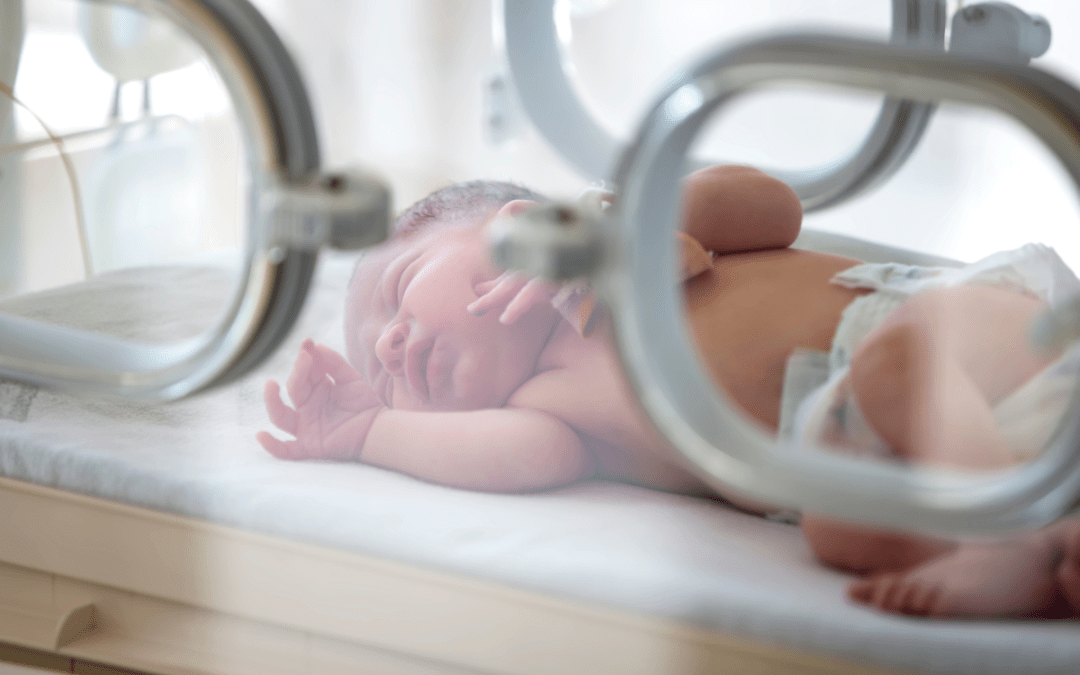
In January 2024, shortly after announcing funding for Intravacc’s gonorrhoea vaccine pursuits, CARB-X (Combatting Antibiotic-Resistant Bacteria Biopharmaceutical Accelerator) announced that it is awarding US-based biotech Syntiron $1.7 million for the development of a maternal vaccine. The vaccine will target both Escherichia coli and Klebsiella pneumoniae, two bacterial species responsible for many neonatal sepsis infections.
Neonatal sepsis
Neonatal sepsis is a “life-threatening response” to infections involving the bloodstream in newborns under 28 days old, whose “immature immune systems” make them more susceptible to infections. CARB-X refers the BARNARDS study, which estimated that 2.5 million neonates or infants in the first month of their lives die annually of sepsis. The greatest burden is borne by low- and middle-income countries. Disease progression occurs “rapidly”, requiring immediate treatment with IV fluids and antibiotics. The risk of death increases around 7.6% every hour that treatment is delayed.
Syntiron’s solution
The latest funding award will support the development of Syntiron’s Alloy-EK vaccine, which “leverages iron receptor proteins” (IRPs) as vaccine targets. These IRPs as “highly genetically conserved”, which makes them “reliable targets”. The Alloy Platform was developed to safely manufacture and formulate vaccines that induce protective immunity “free from structural constrains”. They are therefore simple to manufacture, highly stable, and can be produced with standard recombinant protein expression systems.
Dr Erin Duffy, R&D Chief of CARB-X, is “excited to support the development” of the maternal vaccine.
“Because newborns at risk for neonatal sepsis are too young to be immunised, the vaccine would be administered to expectant mothers and target bacteria that cause neonatal bloodstream infections in babies and urinary tract infections (UTIs) in mothers.”
Once vaccinated, the mothers would “pass antibodies on to their babies” in utero and through breastmilk after birth, which helps to “strengthen their newborns’ immune systems” and help “ward off infections”.
Dr Lisa Herron-Olson, Managing Director of Syntiron, commented that the bacteria targeted by the vaccine are a “tremendous burden on public health for babies, children, and adults worldwide”.
“Pregnant women are at particularly high risk of infection by these same bacteria that can cause neonatal sepsis in newborn babies. Preventing these infections by vaccination offers substantial potential health benefit to mothers and babies, while reducing the spread of antimicrobial resistance.”
Dr Herron-Olson and the team appreciate the support as they “bring this vaccine platform forward to improve maternal and infant health throughout the world”.
For more on investing in innovation for public health, don’t forget to get your tickets to our Washington Congress in April. If you can’t make it, do subscribe for regular insights.


