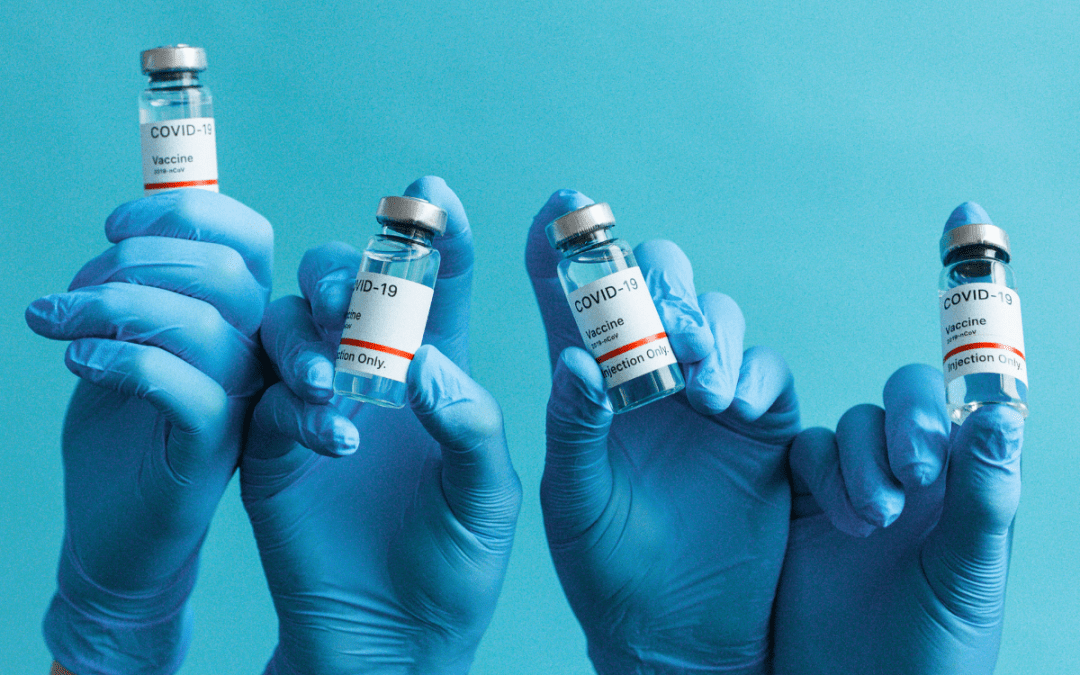
In January 2024, Texas Children’s Hospital shared that CORBEVAX, developed and commercialised by Biological E, has been granted WHO approval under Emergency Use Listing (EUL). The recombinant, protein-based COVID-19 vaccine uses Pichia pastoris yeast strain expressed by Receptor Binding Domain (RBD) protein of SARS-CoV-2 engineered by teams at the Hospital’s Centre for Vaccine Development (CVD) and Baylor College of Medicine (BCM).
WHO states that EUL is a “risk-based” procedure to assess and list unlicensed interventions with the aim of “expediting the availability of these products to people affected by a public health emergency”. The procedure uses international standard to evaluate the standard of vaccine quality, safety, and effectiveness in this context.
Non-exclusive licensing
Mark A. Wallace, CEO of Texas Children’s Hospital, reflected that this approval is a “testament” to the Hospital’s “established methodology to express important antigenic proteins, which will help in the worldwide fight against COVID-19″.
“The recombinant yeast strains enable production of the RBD protein, which can be further utilised by vaccine researchers globally to develop and manufacture effective and low-cost vaccines. By providing access to the yeast strains via non-exclusive licensing, we continue our mission to support global vaccine accessibility and availability.”
The CVD and BCM Ventures licensed the strain to Biological E in 2020, after which the company developed large scale manufacturing technology for production that complies with Good Manufacturing Practices and testing and characterisation suitable for use as a vaccine antigen. To develop the COVID-19 candidate the RBD was formulated with adjuvants Alum and CpG1018.
The candidate was advanced through “multiple clinical trials” before approval in India under Emergency Use Authorisation in a two-dose regimen for primary immunisation. Over 100 million doses have been administered to people in India already.
An important step
Dr Peter Hotez, Co-Director of the CVD and Dean of the National School of Tropical Medicine at BCM, described this approval as an “important step toward our goal of helping development of low-cost vaccines for the world’s most vulnerable populations”.
“Countries around the world will rely on the WHO’s EUL to CORBEVAX and Biological E’s established manufacturing and supply capacity to provide safe, effective inoculation against COVID-19.”
Dr Maria Elena Bottazzi, Co-Director of the CVD and Associate Dean of the National School of Tropical Medicine at BCM, agreed that this recognition will “expedite the availability of a safe and effective COVID-19 vaccine”.
“Our team of scientists has worked diligently for years to bring effective and affordable technologies to those who have been overlooked, with the ultimate goal of providing global solutions to health emergencies.”
Mahima Datla, Managing Director at Biological E, is “pleased to receive this significant endorsement”.
“This approval will provide us with an opportunity to get closer to complete the fight against COVID-19 and make our vaccine available worldwide.”
She added that her team understands that “several countries came under a lot of fiscal pressure” in dealing with COVID-19.
“Our commitment is to provide affordable and accessible vaccines that are of high quality and the WHO EUL lays a path for us to make that possible.”
We look forward to hearing more from both Dr Hotez and Dr Bottazzi as they return to the Congress in Washington this April; are you joining us there? For more insights on COVID-19 prevention strategies and vaccine technology don’t forget to subscribe to our weekly newsletters.